We unleash your business potential by maximize the business innovation.
Send EmailBentonite, Montmorillonite, Aluminum Phyllosilicate Clay, 1302-78-9
BENTONITE (MONTMORILLONITE CLAY)
1. Chemical Identity and Material Classification
-
Chemical Name: Bentonite, Montmorillonite, Aluminum Phyllosilicate Clay
-
Synonyms: Volclay, Fuller's Earth, Bentonite Magma, Hi-Jel, Magbond, Tixoton, Wilkinite, Sodium Bentonite, Calcium Bentonite
-
CAS Number: 1302-78-9
-
General Formula: Al₂O₃·4(SiO₂)·H₂O (idealized); Na₀.₅Al₁.₅Mg₀.₅Si₄O₁₀(OH)₂·nH₂O (typical sodium bentonite)
-
Molecular Weight: 360.31 g/mol (for idealized formula)
-
EC Number: 215-108-5
2. Physical Properties
2.1 General Physical Properties
| Property | Value |
|---|---|
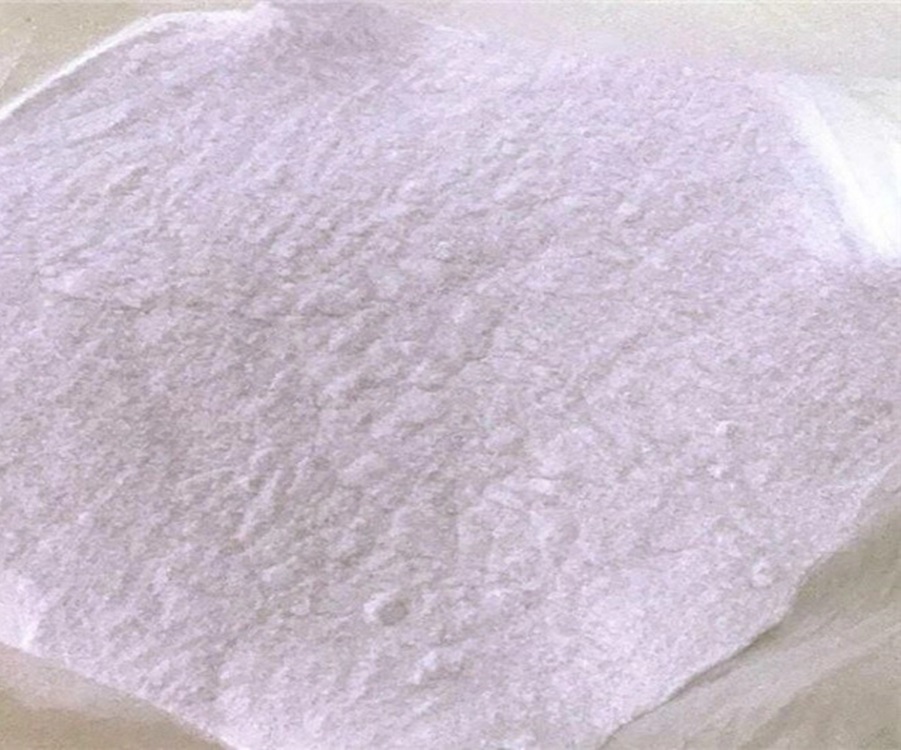
| Appearance | Fine powder, granules, or lumps |
| Color | Light yellow, green, cream, pink, gray, brown, to black (depending on source and impurities) |
| Odor | Odorless (earthy when moist) |
| True density (specific gravity) | 2.0–3.0 g/cm³ (typically 2.2–2.6 g/cm³) |
| Bulk density (dry powder) | 0.6–0.8 g/cm³ (loose); 0.8–1.1 g/cm³ (tamped) |
| Particle size (powder) | 1–200 μm (typical; 95% passing 75 μm for standard grades) |
| Specific surface area (BET) | 150–800 m²/g (highly dependent on source and purity) |
| Swelling capacity (water) | 4–20 times dry volume (sodium bentonite); 2–3 times dry volume (calcium bentonite) |
| pH (5% aqueous slurry) | 8.0–10.5 (sodium bentonite – alkaline); 6.0–8.0 (calcium bentonite – neutral to slightly alkaline) |
2.2 Thermal Properties
| Parameter | Value |
|---|---|
| Loss on ignition (LOI, 1000°C) | 5–15% (loss of interlayer water + bound water) |
| Dehydroxylation temperature | 500–700°C (loss of structural OH groups) |
| Melting point | >1200°C (decomposes before melting) |
| Specific heat capacity (C_p, 25°C) | 0.8–1.0 J/(g·K) |
3. Chemical Properties and Composition
3.1 Typical Chemical Composition (Sodium Bentonite)
| Component | Content (%) |
|---|---|
| SiO₂ (silica) | 50–65% |
| Al₂O₃ (alumina) | 15–25% |
| Fe₂O₃ (iron oxide) | 2–8% |
| CaO (calcium oxide) | 1–5% |
| MgO (magnesium oxide) | 1–4% |
| Na₂O (sodium oxide) | 1–4% |
| K₂O (potassium oxide) | 0–1.5% |
| TiO₂ (titanium dioxide) | 0–1% |
| Loss on ignition (H₂O) | 5–12% |
3.2 Cation Exchange Capacity (CEC)
| Parameter | Sodium Bentonite | Calcium Bentonite |
|---|---|---|
| CEC (meq/100g) | 70–120 | 40–80 |
| Exchangeable sodium (Na⁺) | 40–80 meq/100g | 5–20 meq/100g |
| Exchangeable calcium (Ca²⁺) | 10–40 meq/100g | 30–70 meq/100g |
| Exchangeable magnesium (Mg²⁺) | 5–20 meq/100g | 5–20 meq/100g |
| Exchangeable potassium (K⁺) | 0–5 meq/100g | 0–5 meq/100g |
3.3 Swelling and Hydration Mechanism
| Parameter | Sodium Bentonite | Calcium Bentonite |
|---|---|---|
| Interlayer cation | Na⁺ | Ca²⁺ |
| Hydration layer thickness | Large (multiple water layers) | Small (limited water layers) |
| Swelling volume (2g in 100 mL water, 24h) | 12–20 mL | 4–8 mL |
| Water absorption capacity | 400–800% by weight | 200–300% by weight |
| Colloidal viscosity (6% slurry) | 20–100 cP | 5–20 cP |
| Filtration loss (API filter press) | 10–20 mL (for drilling grade) | 20–40 mL |
3.4 X-Ray Diffraction (XRD) – d-spacing (Montmorillonite)
| Condition | d(001) spacing (Å) |
|---|---|
| Dry (air-dried) | 12–15 Å |
| Hydrated (water-saturated) | 18–20 Å |
| After glycol treatment | 17–18 Å (diagnostic for smectite group) |
| After heating (550°C) | Collapses to ~10 Å (loss of interlayer water) |
4. Types of Bentonite
| Type | Dominant Cation | Swelling Capacity | Primary Applications |
|---|---|---|---|
| Sodium Bentonite (Wyoming type) | Na⁺ | High (10–20x volume) | Drilling fluids, waterproofing, foundry binders, pelletizing |
| Calcium Bentonite (Southern type) | Ca²⁺ | Low (2–3x volume) | Absorbents, cat litter, wine clarification, agriculture |
| Activated Bentonite | Na⁺ (converted from Ca) | High | Same as sodium bentonite (when natural sodium unavailable) |
| Organophilic Bentonite | Organic cation (quaternary ammonium) | Swells in organic solvents | Paints, inks, lubricants, cosmetics |
5. Production Methods
5.1 Mining and Processing
| Stage | Description |
|---|---|
| Mining | Open-pit mining of bentonite deposits |
| Stockpiling | Blending to achieve consistent properties |
| Drying | Rotary or flash drying to 5–15% moisture |
| Grinding | Roller mills or hammer mills to desired fineness (typically 200 mesh/75 μm) |
| Classification | Air classification for particle size control |
| Activation (for calcium bentonite) | Sodium carbonate addition (Na₂CO₃) → cation exchange (Ca²⁺ → Na⁺) |
| Organic modification | Reaction with quaternary ammonium salts for organophilic grades |
5.2 Sodium Activation (Calcium Bentonite)
-
Reaction: Ca²⁺-bentonite + Na₂CO₃ → Na⁺-bentonite + CaCO₃ (precipitated)
-
Typical soda ash addition: 2–5% by weight of bentonite
-
Process: Blending with Na₂CO₃ → aging (24–72 hours) → milling
-
Result: Swelling capacity increases from 2–3x to 10–20x
6. Quality Specifications
6.1 Drilling Fluid (API 13A – Section 11) – Bentonite
| Parameter | Specification |
|---|---|
| Yield (barrel per ton) | ≥ 91 bbl/ton (for standard grade); ≥ 65 bbl/ton for lower grade |
| Viscosity (600 rpm) | ≥ 30 cP (after hydration) |
| Filtration loss (API) | ≤ 15 mL (30 minutes) |
| Residue (200 mesh/75 μm) | ≤ 2.5% |
| Residue (325 mesh/45 μm) | ≤ 5% (for premium grade) |
| Moisture | ≤ 10% |
| pH (6% slurry) | 8.5–10.5 |
6.2 Foundry Grade (Green Sand Binder)
| Parameter | Specification |
|---|---|
| Methyl blue absorption | ≥ 32 mL/0.5g |
| Green compression strength | 50–100 kPa (at 5% bentonite) |
| Wet tensile strength | 10–30 kPa |
| Fines (-200 mesh) | ≥ 90% |
| Volatile matter | ≤ 12% |
6.3 Cat Litter Grade (Calcium Bentonite)
| Parameter | Specification |
|---|---|
| Granule size | 0.5–6 mm (as specified) |
| Bulk density | 0.65–0.85 g/cm³ |
| Absorption capacity | ≥ 150% by weight |
| Hardness (abrasion loss) | ≤ 10% |
| Attrition | ≤ 5% |
6.4 Iron Ore Pelletizing Grade (Sodium Bentonite)
| Parameter | Specification |
|---|---|
| Swelling index (2g in 100 mL water, 24h) | ≥ 16 mL |
| Viscosity (6% slurry) | ≥ 20 cP |
| Moisture | ≤ 12% |
| Particle size (200 mesh) | ≥ 95% passing |
| Montmorillonite content | ≥ 75% |
7. Industrial Applications – Oil & Gas Drilling Fluids
7.1 Drilling Fluid Functions (Water-Based Muds)
| Function | Description |
|---|---|
| Viscosity control | Increases carrying capacity for drill cuttings |
| Fluid loss control | Forms filter cake on wellbore walls |
| Hole cleaning | Suspends and transports cuttings to surface |
| Lubrication | Reduces torque and drag on drill string |
| Hydrostatic pressure | Maintains wellbore stability |
7.2 Typical Mud Formulations
| Application | Bentonite (lb/bbl) | Water | Additives |
|---|---|---|---|
| Spud mud (top hole) | 20–30 | 0.85 bbl | Caustic soda, soda ash |
| Low-solids mud | 8–15 | 0.90 bbl | Polymers, PAC, Xanthan gum |
| High-yield gel | 30–40 | 0.80 bbl | Caustic soda, dispersants |
8. Industrial Applications – Civil Engineering and Waterproofing
8.1 Geosynthetic Clay Liners (GCLs)
| Parameter | Value |
|---|---|
| Bentonite mass per unit area | 4–6 kg/m² |
| Hydrated swell | 10–20 times dry volume |
| Hydraulic conductivity (permeability) | ≤ 5 × 10⁻⁹ cm/s (hydrated) |
| Self-healing capacity | Excellent (closes small punctures) |
| Applications | Landfill liners, pond liners, secondary containment |
8.2 Waterproofing Slurries (Diaphragm Walls)
| Parameter | Value |
|---|---|
| Slurry density | 1.02–1.06 g/cm³ |
| Marsh funnel viscosity | 30–60 seconds/quart |
| Sand content | ≤ 4% |
| pH | 9–11 |
| Applications | Trench stability during excavation |
8.3 Dam Sealants and Cutoff Walls
| Application | Bentonite Content | Soil Type |
|---|---|---|
| Soil-bentonite cutoff walls | 1–3% (by dry weight of soil) | Silts, sands, gravels |
| Cement-bentonite grout | 2–10% | Rock fractures |
9. Industrial Applications – Foundry (Green Sand Casting)
9.1 Green Sand Binder Parameters
| Parameter | Value |
|---|---|
| Typical addition rate | 4–10% (by weight of sand) |
| Green compression strength | 60–120 kPa (at optimum moisture) |
| Mold hardness | 80–95 (B scale) |
| Moisture content (green sand) | 2–4% |
10. Industrial Applications – Agriculture and Animal Feed
10.1 Soil Conditioner
| Parameter | Value |
|---|---|
| Application rate | 1–10 tons/hectare (depending on soil type) |
| Benefits | Improves water retention in sandy soils, prevents nutrient leaching, reduces compaction |
| CEC improvement | Increases soil cation exchange capacity |
10.2 Animal Feed Binder (Mycotoxin Adsorbent)
| Parameter | Value |
|---|---|
| Typical addition | 0.5–2% by weight of feed |
| Aflatoxin B₁ binding efficiency | 80–95% (for selected grades) |
| Feed pellet durability | Improves pellet hardness and reduces fines |
10.3 Liquid Feed Suspension Aid
| Parameter | Value |
|---|---|
| Suspension stability | Prevents settling of solids in liquid feed supplements |
| Typical addition | 1–3% by weight |
11. Industrial Applications – Wine, Juice, and Beverage Clarification
11.1 Fining Agent (Calcium Bentonite)
| Parameter | Value |
|---|---|
| Typical dosage (wine) | 0.5–2 g/L (500–2000 mg/L) |
| Hydration method | Slurry: 5–10% bentonite in water (24 hours swelling) |
| Contact time | 2–7 days |
| Effectiveness | Removes proteins, reduces heat instability, improves clarity |
11.2 Fruit Juice Clarification
| Application | Bentonite Type | Dosage |
|---|---|---|
| Apple juice | Calcium bentonite | 0.5–1.5 g/L |
| Grape juice | Calcium bentonite | 0.5–2.0 g/L |
| Cider | Calcium bentonite | 0.5–1.5 g/L |
12. Industrial Applications – Cosmetics and Personal Care
12.1 Cosmetic Clay
| Application | Function | Typical Usage |
|---|---|---|
| Face masks | Absorbent, oil control | 10–50% by weight |
| Creams and lotions | Thickener, stabilizer, emulsifier | 1–10% |
| Shampoos | Thickener, detangler | 0.5–5% |
| Toothpaste | Thickener, binder | 1–5% |
13. Industrial Applications – Iron Ore Pelletizing
13.1 Pellet Binder Parameters
| Parameter | Value |
|---|---|
| Bentonite addition rate | 0.5–1.5% by weight of iron ore concentrate |
| Green pellet compression strength | ≥ 10 N/pellet (10–16 mm diameter) |
| Dry pellet compression strength | ≥ 50 N/pellet |
| Drop number (wet) | ≥ 6 drops from 45 cm |
14. Industrial Applications – Detergents and Cleaning Products
| Application | Function | Typical Usage |
|---|---|---|
| Laundry powders | Anti-redeposition agent | 2–10% |
| Liquid detergents | Suspension aid, viscosity modifier | 0.5–3% |
| Industrial cleaners | Thickener, absorbent | 1–5% |
15. Safety and Toxicology
15.1 Acute Toxicity
| Parameter | Value |
|---|---|
| Oral LD₅₀ (rat) | >5,000 mg/kg (very low toxicity) |
| Dermal LD₅₀ (rabbit) | >2,000 mg/kg |
| Inhalation LC₅₀ (rat, dust) | >5 mg/L (nuisance dust) |
| Skin irritation | Non-irritant (mild abrasion possible from dust) |
| Eye irritation | Mild irritant (dust) |
| Skin sensitization | Non-sensitizer |
| Mutagenicity | Negative |
| Carcinogenicity | Not classified (crystalline silica content may be present in some non-controlled grades – see warning) |
15.2 Special Hazard – Crystalline Silica
-
Warning: Naturally occurring bentonite may contain crystalline silica (quartz) as an impurity (typically 0.5–5%). Prolonged inhalation of respirable crystalline silica can cause silicosis (lung disease).
-
Mitigation: Use low-silica bentonite grades (≤ 1% crystalline silica) for applications where dust generation is significant (e.g., foundry, cat litter, drilling).
-
Occupational controls: Dust control measures (LEV, wet processing), respiratory protection when dusting.
15.3 Occupational Exposure Limits (for respirable dust)
| Authority | Limit |
|---|---|
| OSHA PEL (respirable dust – nuisance) | 5 mg/m³ (respirable), 15 mg/m³ (total) |
| ACGIH TLV (inhalable – nuisance) | 10 mg/m³ |
| NIOSH REL (respirable) | 5 mg/m³ |
16. Safety Precautions and Personal Protective Equipment (PPE)
-
Hazards:
-
Low acute toxicity (nuisance dust)
-
Dust may cause mechanical irritation to eyes and respiratory tract
-
May contain crystalline silica (respirable hazard if dust is generated)
-
Wet bentonite is slippery (slip hazard)
-
-
PPE (recommended):
-
Dust mask (FFP1 or N95) – for powder handling (required if crystalline silica present)
-
Safety glasses with side shields (EN 166)
-
Protective gloves (nitrile – optional)
-
Protective clothing (dust protection)
-
-
Engineering controls:
-
Local exhaust ventilation (LEV) for powder handling
-
Dust collection systems (baghouse)
-
Wet methods for dust suppression
-
Eyewash stations
-
-
First aid:
-
Inhalation: Move to fresh air
-
Skin contact: Wash with soap and water
-
Eye contact: Rinse with water for 15 minutes
-
Ingestion: Rinse mouth; drink water (low hazard)
-
17. Environmental Fate and Disposal
| Parameter | Value |
|---|---|
| Biodegradation | Not applicable (inorganic) |
| Aquatic ecotoxicity (fish, LC₅₀, 96 hours) | >1,000 mg/L (very low toxicity) |
| Environmental persistence | Stable (does not degrade; remains as clay) |
| Mobility in soil | Low (clay particles settle, may migrate in groundwater in colloidal form) |
| Disposal method | Landfill (non-hazardous waste) – material is inert |
18. Storage and Shelf Life
-
Storage conditions:
-
Cool, dry, well-ventilated area
-
Keep dry (prevents caking and premature hydration)
-
Store away from acids and alkalis (reaction with acid may release H₂S)
-
Stack on pallets (protect from ground moisture)
-
-
Shelf life:
-
Unopened bags (dry conditions): 24–60 months (indefinite if kept dry)
-
Opened bags: 6–12 months (if properly sealed, protected from moisture)
-
-
Degradation indicators:
-
Caking/hardening (moisture absorption)
-
Reduced swelling capacity (if calcium bentonite not activated)
-
19. Transport Information
| Regulation | Classification |
|---|---|
| UN Number | Not regulated (non-hazardous) |
| ADR/RID | Not classified as dangerous goods |
| IMDG | Not regulated |
| IATA | Not regulated |
| Proper shipping name | Bentonite (non-hazardous) |
| Special handling | Protect from moisture during transport (truck/train/tarpaulin) |
20. Synonyms, Standards Compliance, and Why Choose Bentonite?
Synonyms
-
English: Bentonite, Montmorillonite, Volclay, Fuller's Earth, Bentonite Magma, Hi-Jel, Magbond, Tixoton, Wilkinite, Sodium Bentonite, Calcium Bentonite
-
French: Bentonite
-
German: Bentonit
-
Spanish: Bentonita
-
Turkish: Bentonit, Montmorillonit, Volclay
Standards Compliance
| Standard | Compliance |
|---|---|
| API 13A (Section 11) | Drilling fluid grade bentonite |
| OCMA (Oil Companies Materials Association) | Drilling fluid grade |
| NSF/ANSI 60 | Drinking water additive (for certain grades) |
| REACH | Registered |
| TSCA | Listed |
Why Choose Bentonite? (Technical Summary)
| Advantage | Description |
|---|---|
| High swelling capacity | 10–20 times dry volume (sodium bentonite) – self-sealing, low permeability |
| High cation exchange capacity | 70–120 meq/100g – removes heavy metals, organic cations, ammonium |
| Excellent binding agent | Foundry sand binder, iron ore pelletizing, feed pellets |
| Low hydraulic conductivity | <10⁻⁹ cm/s when hydrated – landfill liners, water barriers |
| Suspension and rheology control | Drilling fluids, paints, cosmetics, detergents |
| Adsorption capacity | Removes proteins, tannins, mycotoxins, contaminants |
| Natural and abundant | Low cost, environmentally compatible, biodegradable (clay) |
| pH buffering | Maintains pH 8–10 (sodium bentonite) – stabilizes drilling fluids |
| Non-toxic (except silica dust) | GRAS for many applications (wine, food contact, cosmetics) |
| Versatile surface modification | Organophilic grades for organic solvents (paints, lubricants) |
| Limitation note: | Contains crystalline silica (0.5–5%) – dust control required. Swelling capacity reduced by high ionic strength (brine, seawater). Not soluble in water. Calcium bentonite has low swelling – must be activated for most applications. |
21. Sectoral Suitability Summary Table (Extended)
| Sector | Application | Typical Grade | Alternatives |
|---|---|---|---|
| Oil & Gas Drilling | Drilling fluid (water-based mud) | Sodium bentonite (API 13A) | Attapulgite, sepiolite, polymers |
| Civil Engineering | Geosynthetic clay liners (GCL), cutoff walls | Sodium bentonite | Compacted clay, geomembranes |
| Foundry | Green sand binder (casting molds) | Sodium bentonite | Resin-coated sand, water glass |
| Agriculture | Soil conditioner, mycotoxin binder | Calcium bentonite | Zeolite, biochar |
| Wine & Beverage | Clarification (fining agent) | Calcium bentonite | Gelatin, activated carbon, PVPP |
| Cosmetics | Face masks, creams, thickeners | Purified sodium/calcium bentonite | Kaolin, hectorite, silica |
| Iron Ore Pelletizing | Pellet binder | Sodium bentonite | Organic binders (Peridur, corn starch) |
| Environmental | Wastewater treatment, heavy metal removal | Sodium/calcium bentonite | Zeolites, activated carbon, ion exchange |
| Pet (Cat Litter) | Absorption, odor control | Calcium bentonite | Silica gel, wood pellets, clay |
| Animal Feed | Pellet binder, mycotoxin adsorbent | Calcium bentonite | Bentonite is standard |
| Pharmaceutical | Excipient, binder | Purified (pharma grade) | Microcrystalline cellulose, starch |
| Paints & Coatings | Thickener, anti-settling agent | Organophilic bentonite | Hectorite, fumed silica |
| Paper | Pitch control, retention aid | Sodium bentonite | Talc, calcium carbonate |
| Detergents | Anti-redeposition agent | Sodium bentonite | Carboxymethyl cellulose (CMC), polymers |
| Wastewater | Flocculant aid | Sodium bentonite (activated) | Alum, PAC, FeCl₃ |
This TDS is prepared in compliance with ISO 11014-1 format and is intended for drilling fluid engineers, civil engineers, foundry metallurgists, agricultural scientists, winemakers, cosmetic chemists, and procurement professionals. Certificates of Analysis (CoA), Safety Data Sheets (SDS), swelling index test reports, and sample validation reports are available upon request.