We unleash your business potential by maximize the business innovation.
Send EmailPotassium Molybdate, Dipotassium Molybdate, Potassium Molybdenum Oxide, 13446-49-6
POTASSIUM MOLYBDATE (K₂MoO₄)
1. Chemical Identity and Material Classification
-
Chemical Name: Potassium Molybdate, Dipotassium Molybdate
-
Synonyms: Potassium Molybdenum Oxide, Dipotassium Tetraoxomolybdate, Molybdic Acid Dipotassium Salt, Dikalium Dioksido(Dioxo)Molybdenum
-
CAS Number: 13446-49-6
-
Molecular Formula: K₂MoO₄
-
Molecular Weight: 238.13 g/mol
-
EC Number: 236-599-2
-
MDL Number: MFCD00011368
-
InChI Key: NUYGZETUIUXJCO-UHFFFAOYSA-N
2. Physical Properties
2.1 General Physical Properties
| Property | Value |
|---|---|
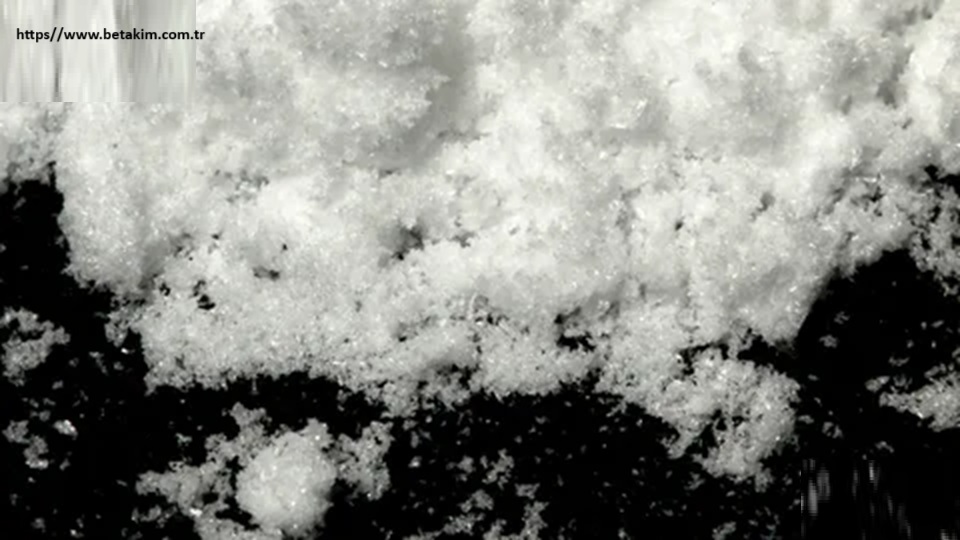
| Appearance | White to off-white crystalline powder |
| Crystal form | Orthorhombic |
| Odor | Odorless |
| Density (20°C) | ~3.0 g/cm³ (estimated; 2.95–3.10 typical) |
| Bulk density (tapped) | 1.2–1.6 g/cm³ |
| Melting point | 919°C (anhydrous) |
| Boiling point | >1400°C (decomposes) |
| Particle size (typical) | -100 mesh (<150 µm) |
| Solubility in water | Very high (>1000 g/L at 20°C – extremely soluble) |
| pH (5% solution, 20°C) | 9–11 (alkaline) |
2.2 Thermal Properties
| Parameter | Value |
|---|---|
| Decomposition temperature | >900°C (forms MoO₃ and K₂O) |
| Specific heat capacity (C_p, 25°C) | ~0.7–0.8 J/(g·K) (estimated) |
| Enthalpy of fusion | Not well established |
3. Solubility Behavior (Water)
| Temperature (°C) | Solubility (g/100 mL water) |
|---|---|
| 0°C | ~40 |
| 20°C | ~56 |
| 40°C | ~75 |
| 60°C | ~95 |
| 80°C | ~120 |
| 100°C | ~150 |
4. Chemical Properties and Specifications
4.1 Chemical Structure
-
Anion: Tetrahedral molybdate ion (MoO₄²⁻)
-
Oxidation state of molybdenum: +6 (highest stable oxidation state)
-
Counterion: Two potassium ions (K⁺) per molybdate anion
4.2 Chemical Behavior
| Parameter | Value |
|---|---|
| Aqueous solution pH (5%, 20°C) | 9–11 (alkaline due to hydrolysis) |
| Hydrolysis | MoO₄²⁻ + H₂O ⇌ HMoO₄⁻ + OH⁻ (basic solution) |
| Acidification behavior | Forms heptamolybdate (Mo₇O₂₄⁶⁻) at pH 4–6; molybdic acid (MoO₃·xH₂O) at pH <2 |
| Thermal decomposition | K₂MoO₄ → MoO₃ + K₂O (above 900°C) |
| Compatibility with acids | Reacts vigorously – forms molybdic acid precipitate |
| Reducing agents | Mo(VI) can be reduced to Mo(IV) or Mo(0) (e.g., with hydrogen, carbon) |
4.3 Quality Specifications
4.3.1 Reagent / Analytical Grade
| Parameter | Specification |
|---|---|
| Purity (K₂MoO₄, w/w) | ≥ 99.0% |
| Molybdenum (Mo) content | ~40.3% (theoretical 40.27%) |
| Potassium (K) content | ~32.8% (theoretical 32.83%) |
| Appearance | White powder |
| Chloride (Cl) | ≤ 0.05% |
| Sulfate (SO₄) | ≤ 0.05% |
| Phosphate (PO₄) | ≤ 0.03% |
| Iron (Fe) | ≤ 0.01% |
| Heavy metals (as Pb) | ≤ 0.001% |
| Water insolubles | ≤ 0.1% |
| Moisture (K. Fischer) | ≤ 0.5% |
| pH (5% solution, 20°C) | 9.0–11.0 |
4.3.2 High Purity Grade
| Parameter | Specification |
|---|---|
| Purity (K₂MoO₄, w/w) | ≥ 99.9% |
| Individual impurities | ≤ 100 ppm |
| Total impurities | ≤ 0.1% |
5. Production Methods
5.1 Neutralization Method (Industrial Standard)
-
Reaction: MoO₃ + 2KOH → K₂MoO₄ + H₂O
-
Process: Molybdenum trioxide (MoO₃) dissolved in hot potassium hydroxide (KOH) solution → crystallization → filtration → drying
-
Conditions: 80–100°C, atmospheric pressure
-
Yield: >95%
-
Purity achieved: 99.0–99.9% (with recrystallization)
5.2 From Ammonium Molybdate (Alternative)
-
Reaction: (NH₄)₆Mo₇O₂₄ + 6KOH → 7K₂MoO₄ + 6NH₃ + 4H₂O
-
Process: Ammonium heptamolybdate solution treated with KOH → ammonia gas released (captured) → crystallization
-
Application: When high-purity ammonium molybdate is available as starting material
5.3 Purification Methods
-
Recrystallization from water (removes soluble impurities)
-
Ion exchange purification (for ultra-high purity, e.g., >99.99%)
6. Analytical Chemistry Applications
6.1 Phosphate Determination (Colorimetric – Heteropoly Blue Method)
| Parameter | Value |
|---|---|
| Principle | PO₄³⁻ + 12MoO₄²⁻ + 24H⁺ → H₃PMo₁₂O₄₀ (yellow) + reduction (ascorbic acid/SnCl₂) → heteropoly blue |
| λmax | 660–880 nm |
| Detection limit | 0.01 mg/L P |
| Linear range | 0.01–10 mg/L P |
| Interferences | Silicate, arsenate (must be removed or corrected) |
| Applications | Water, soil, fertilizer, biological fluids |
6.2 Silicate Determination
| Parameter | Value |
|---|---|
| Principle | SiO₄⁴⁻ + 12MoO₄²⁻ + 24H⁺ → H₄SiMo₁₂O₄₀ (yellow) + reduction → heteropoly blue |
| λmax | 660–810 nm |
| Detection limit | 0.05 mg/L SiO₂ |
| Interferences | Phosphate (>10 mg/L), sulfide (must be oxidized) |
6.3 Arsenate Determination
| Parameter | Value |
|---|---|
| Principle | Similar to phosphate – forms yellow arsenomolybdic acid (H₃AsMo₁₂O₄₀) → reduced to heteropoly blue |
| Applications | Arsenic determination in water, geological samples |
7. Agricultural Applications (Micronutrient Fertilizer)
7.1 Role of Molybdenum in Plants
| Parameter | Value |
|---|---|
| Function | Essential micronutrient – cofactor for nitrogenase (N fixation) and nitrate reductase |
| Target crops | Legumes (soybean, alfalfa, clover, peas), cauliflower, broccoli, citrus |
| Deficiency symptoms | Whiptail disease (cauliflower), nitrogen deficiency, leaf chlorosis, leaf scorch |
| Soil pH effect | Mo availability decreases at low pH (acidic soils) – liming required |
| Typical plant Mo content | 0.1–1.0 ppm (dry weight) |
7.2 Application Rates
| Application Method | Mo Rate | K₂MoO₄ Rate |
|---|---|---|
| Seed treatment | 0.5–1 g Mo/kg seed | 1.2–2.5 g/kg seed |
| Foliar spray | 50–200 g Mo/hectare | 125–500 g/hectare |
| Soil application | 0.5–2 kg Mo/hectare | 1.2–5 kg/hectare |
| Fertigation | 0.1–0.5 mg Mo/L irrigation water | 0.25–1.25 mg/L |
7.3 Advantages as Fertilizer (K₂MoO₄ vs. Na₂MoO₄)
| Property | K₂MoO₄ | Na₂MoO₄ |
|---|---|---|
| Provides | Mo + K | Mo + Na |
| Potassium benefit | Essential macronutrient | Sodium not required by most plants |
| Plant safety | No sodium accumulation risk | Possible sodium toxicity at high rates |
| Cost | Higher | Lower |
8. Water Treatment and Corrosion Inhibition
8.1 Mechanism of Action
-
Type: Anodic corrosion inhibitor (passivation)
-
Target metals: Carbon steel, galvanized steel, aluminum, copper
-
Mechanism: Molybdate ions (MoO₄²⁻) adsorb on metal surface and form a protective passive film
-
Synergists: Zinc (ZnSO₄), phosphonates (HEDP, ATMP), azoles (tolyltriazole)
8.2 Cooling Water Systems
| Parameter | Value |
|---|---|
| Application | Corrosion inhibitor in closed loop cooling water systems (HVAC, industrial) |
| Typical dosage (as K₂MoO₄) | 50–500 mg/L (10–100 mg/L as Mo) |
| Optimum pH range | 7.5–9.5 |
| Temperature range | 20–80°C |
| Advantage | Eco-friendly alternative to toxic chromate (CrO₄²⁻) |
8.3 Comparison with Sodium Molybdate
| Property | Potassium Molybdate (K₂MoO₄) | Sodium Molybdate (Na₂MoO₄) |
|---|---|---|
| Formula | K₂MoO₄ | Na₂MoO₄ |
| Mo content | ~40.3% | ~39.6% |
| Solubility (20°C) | ~56 g/100 mL | ~56 g/100 mL |
| Cost | Higher | Lower |
| Primary applications | Agriculture (provides K), analytical chemistry | Water treatment (more common) |
9. Pigment and Paint Applications
9.1 Molybdate Pigment Synthesis
| Application | Description |
|---|---|
| Lead molybdate (PbMoO₄) | Yellow-orange pigment (molybdate orange) – Pb(NO₃)₂ + K₂MoO₄ → PbMoO₄↓ + 2KNO₃ |
| Calcium molybdate (CaMoO₄) | White pigment, phosphor precursor |
| Strontium molybdate (SrMoO₄) | Luminescent material, pigment |
| Zinc molybdate (ZnMoO₄) | Corrosion-inhibiting pigment (replaces zinc chromate) |
9.2 Reaction Examples
-
Lead molybdate (orange-yellow): Pb(NO₃)₂(aq) + K₂MoO₄(aq) → PbMoO₄(s) + 2KNO₃(aq)
-
Calcium molybdate (white): CaCl₂(aq) + K₂MoO₄(aq) → CaMoO₄(s) + 2KCl(aq)
10. Catalyst Applications
10.1 Hydrodesulfurization (HDS) Catalyst Precursor
| Parameter | Value |
|---|---|
| Application | Precursor for Co-Mo or Ni-Mo on alumina catalysts |
| Active phase | MoS₂ (after sulfidation with H₂S or CS₂) |
| Typical MoO₃ loading | 5–15% on support |
| Application | Removal of sulfur from petroleum fractions (diesel, gasoline) |
10.2 Oxidation Catalysts
| Parameter | Value |
|---|---|
| Application | Selective oxidation reactions (e.g., methanol to formaldehyde) |
| Catalyst type | Supported MoO₃ (on Al₂O₃, SiO₂, TiO₂) |
11. Comparison with Other Molybdates
| Compound | Formula | Mo Content | Water Solubility | Primary Use |
|---|---|---|---|---|
| Potassium Molybdate | K₂MoO₄ | ~40.3% | High (~56 g/100 mL) | Agriculture, analytical chemistry |
| Sodium Molybdate | Na₂MoO₄ | ~39.6% | High (~56 g/100 mL) | Water treatment, corrosion inhibition |
| Ammonium Molybdate | (NH₄)₆Mo₇O₂₄·4H₂O | ~54% | High (~400 g/L) | Analytical chemistry, catalyst precursor |
| Calcium Molybdate | CaMoO₄ | ~48% | Insoluble | Pigments, ceramics, glass |
| Zinc Molybdate | ZnMoO₄ | ~42% | Insoluble | Corrosion-inhibiting pigment |
| Strontium Molybdate | SrMoO₄ | ~40% | Insoluble | Luminescence, ceramics |
12. Safety and Toxicology
12.1 Acute Toxicity
| Parameter | Value |
|---|---|
| Oral LD₅₀ (rat) | >5,000 mg/kg (estimated – low toxicity) |
| Dermal LD₅₀ (rabbit) | >2,000 mg/kg |
| Skin irritation | Mild irritant (dust) |
| Eye irritation | Mild irritant (dust) |
| Inhalation | Dust may cause respiratory tract irritation |
| Skin sensitization | Non-sensitizer |
| Mutagenicity | Negative (Ames test) |
12.2 Chronic Toxicity and Carcinogenicity
| Parameter | Classification |
|---|---|
| ACGIH TLV (as Mo, soluble compounds) | 0.5 mg/m³ (TWA); 10 mg/m³ (STEL) |
| ACGIH Carcinogenicity | Animal carcinogen (significance for humans unknown) |
| IARC | Not classified (Group 3 – inadequate evidence) |
| EPA | Not classified as carcinogen |
| Reproductive toxicity | High doses associated with joint abnormalities and reproductive effects in animal studies |
| Human health effects (occupational) | Hyperuricemia (gout-like symptoms) possible with high exposure |
12.3 Nutritional Note
-
Molybdenum is an essential trace element for human nutrition (daily intake: 0.1–0.3 mg/day)
-
Occurs naturally in foods (legumes, grains, leafy vegetables)
-
Toxicity occurs only at very high exposure levels
12.4 Occupational Exposure Limits
| Authority | Limit | Type |
|---|---|---|
| ACGIH TLV | 0.5 mg/m³ (as Mo, soluble) | TWA (8 hour) |
| ACGIH TLV | 10 mg/m³ (as Mo, soluble) | STEL (15 min) |
| OSHA PEL | 5 mg/m³ (as Mo, soluble) | TWA |
| NIOSH REL | 10 mg/m³ (as Mo, soluble) | TWA |
13. Safety Precautions and Personal Protective Equipment (PPE)
-
Hazards:
-
Low acute toxicity
-
Dust may cause mechanical irritation to eyes and respiratory tract
-
ACGIH classification: Animal carcinogen (significance for humans unknown – minimize exposure)
-
May cause hyperuricemia at high exposure levels
-
-
PPE (recommended):
-
Dust mask (N95 or FFP2) – for powder handling
-
Safety glasses with side shields (EN 166)
-
Chemical-resistant gloves (nitrile – recommended)
-
Protective clothing (dust protection)
-
-
Engineering controls:
-
Local exhaust ventilation (LEV) for powder handling
-
Dust collection systems
-
Eyewash stations
-
-
First aid:
-
Inhalation: Move to fresh air
-
Skin contact: Wash with soap and water
-
Eye contact: Rinse with water for 15 minutes
-
Ingestion: Rinse mouth; drink water; seek medical attention if large amount
-
14. Environmental Fate and Disposal
| Parameter | Value |
|---|---|
| Biodegradation | Not applicable (inorganic) |
| Aquatic ecotoxicity (fish, LC₅₀, 96 hours) | 50–200 mg/L (as Mo) – moderate |
| Daphnia magna (EC₅₀, 48 hours) | 20–100 mg/L |
| Algal toxicity (EC₅₀, 72 hours) | 10–50 mg/L |
| Mobility in soil | High (molybdate anion is mobile, especially at high pH) |
| Bioaccumulation potential | Low (BCF <10) |
| Disposal method | Neutralization/precipitation as CaMoO₄ → landfill (if Mo recovery not feasible) |
| Recycling potential | Yes – molybdenum can be recovered from spent solutions by ion exchange or precipitation |
15. Storage and Shelf Life
-
Storage conditions:
-
Cool, dry, well-ventilated area (10–30°C)
-
Keep tightly closed in original packaging (hygroscopic)
-
Protect from moisture (prevents caking)
-
Store away from strong acids (neutralization reaction, hazardous)
-
Store away from strong reducing agents
-
-
Shelf life:
-
Sealed container: 24–36 months
-
Opened container: 12 months (if properly resealed, protected from moisture)
-
-
Degradation indicators:
-
Caking/hardening (moisture absorption)
-
Yellow/brown discoloration (impurity formation)
-
Reduced solubility
-
16. Transport Information
| Regulation | Classification |
|---|---|
| UN Number | Not regulated (non-hazardous) |
| ADR/RID | Not classified as dangerous goods |
| IMDG | Not regulated |
| IATA | Not regulated |
| Proper shipping name | Potassium molybdate (non-hazardous) |
| Marine pollutant | No |
17. Synonyms and Common Names
-
English: Potassium molybdate, Dipotassium molybdate, Potassium molybdenum oxide, Dipotassium tetraoxomolybdate, Molybdic acid dipotassium salt
-
Turkish: Potasyum molibdat, Dipotasyum molibdat, Potasyum molibden oksit
-
German: Kaliummolybdat
-
French: Molybdate de potassium
-
Spanish: Molibdato de potasio
-
Italian: Molibdato di potassio
18. Standards Compliance
| Standard | Compliance |
|---|---|
| REACH (EC 1907/2006) | Registered |
| TSCA (US) | Listed |
| RoHS | Compliant (no restricted substances) |
| ACS (American Chemical Society) | Reagent grade meets ACS specifications |
| ISO 9001 | Manufacturing process certification |
19. Why Choose Potassium Molybdate? (Technical Summary)
| Advantage | Description |
|---|---|
| High solubility | ~56 g/100 mL at 20°C – easy to prepare concentrated stock solutions |
| High molybdenum content (~40.3% Mo) | Efficient source of molybdenum – lower transportation cost per kg Mo |
| Dual nutrient (K + Mo) | Potassium is also an essential macronutrient for plants – advantage in fertilizer applications over sodium molybdate |
| Key analytical reagent | Essential for phosphate, silicate, and arsenate determinations (heteropoly blue method) |
| Eco-friendly corrosion inhibitor | Non-toxic alternative to chromate (CrO₄²⁻) for water treatment |
| Low toxicity (at low doses) | Suitable for agricultural and limited food contact applications |
| High purity grades available | ≥99.0% and ≥99.9% grades – suitable for critical applications |
| Catalyst precursor | Important for HDS catalysts in petroleum refining |
| Versatile pigment precursor | Forms PbMoO₄ (molybdate orange), CaMoO₄, ZnMoO₄ (corrosion-inhibiting pigment) |
| Limitation note: | Higher cost than sodium molybdate. ACGIH classifies soluble molybdates as animal carcinogens (significance for humans unknown). Dust may cause irritation. High doses associated with reproductive effects in animal studies (but nutritional intake is low). |
20. Sectoral Suitability Summary Table
| Sector | Application | Typical Concentration | Alternatives |
|---|---|---|---|
| Analytical Chemistry | Phosphate, silicate, arsenate determination | 1–10% w/v solution | Ammonium molybdate (more common in analytical chemistry) |
| Agriculture | Micronutrient fertilizer (Mo + K source) | 125–500 g/hectare (foliar) | Sodium molybdate (Mo only), ammonium molybdate |
| Water Treatment | Corrosion inhibitor (closed loop cooling) | 50–500 mg/L (as K₂MoO₄) | Sodium molybdate (more common), zinc, phosphonates |
| Pigment Manufacturing | Precursor for calcium molybdate, lead molybdate, zinc molybdate | Stoichiometric | Sodium molybdate |
| Catalyst | HDS catalyst precursor, oxidation catalysts | 5–20% MoO₃ equivalent | Ammonium molybdate (more common) |
| Laboratory | pH buffer, general reagent | 0.01–1 M | Sodium molybdate |
| Glass/Ceramics | Dopant for luminescent materials (SrMoO₄, CaMoO₄) | 1–5% | Calcium molybdate, strontium molybdate |
| Lubricants | Solid lubricant precursor (MoS₂) after reduction | Process dependent | Ammonium molybdate |
This TDS is prepared in compliance with ISO 11014-1 format and is intended for analytical chemists, agricultural scientists, water treatment engineers, pigment manufacturers, catalyst specialists, and procurement professionals. Certificates of Analysis (CoA), Safety Data Sheets (SDS), and sample validation reports are available upon request.