We unleash your business potential by maximize the business innovation.
Send EmailCalcium Molybdate, Calcium Molybdenum Oxide, 7789-82-4
CALCIUM MOLYBDATE (CaMoO₄)
1. Chemical Identity and Material Classification
-
Chemical Name: Calcium Molybdate, Calcium Molybdenum Oxide
-
Synonyms: Molybdic Acid Calcium Salt, Powellite (natural mineral form), Calcium Tetraoxomolybdate
-
CAS Number: 7789-82-4
-
Molecular Formula: CaMoO₄
-
Molecular Weight: 200.01 g/mol
-
EC Number: 232-192-9
-
MDL Number: MFCD00015974
-
Mineral name: Powellite (tetragonal crystal structure)
2. Physical Properties
2.1 General Physical Properties
| Property | Value |
|---|---|
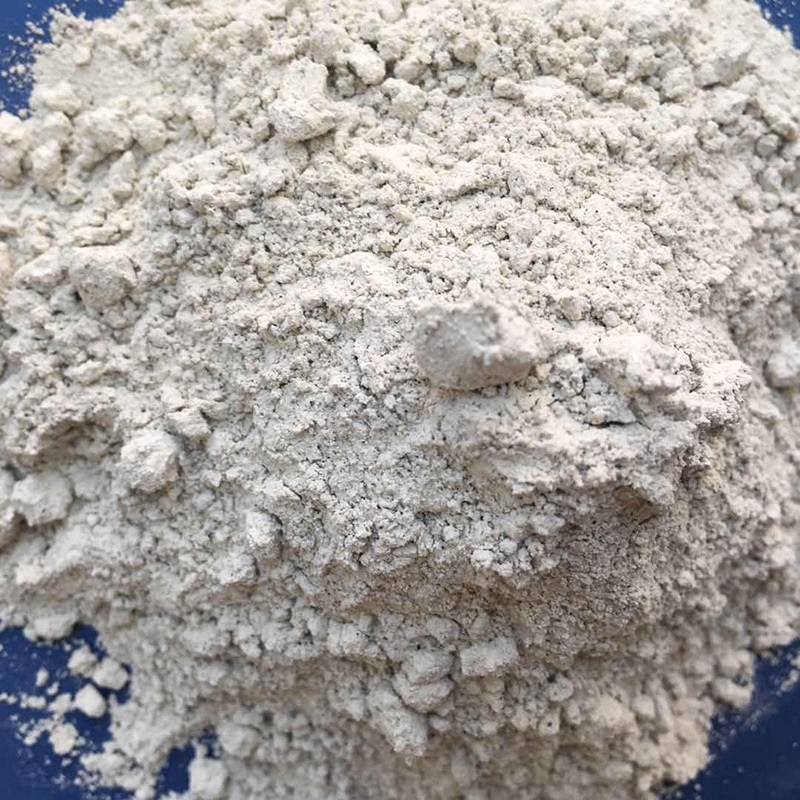
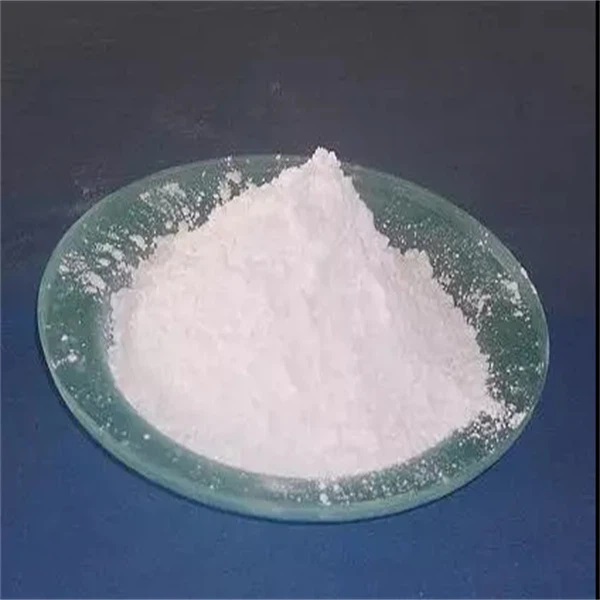
| Appearance | White to off-white crystalline powder |
| Crystal structure | Tetragonal (scheelite-type structure, space group I4₁/a) |
| Odor | Odorless |
| Density (20°C) | 4.35 g/cm³ |
| Bulk density (tapped) | 1.5–2.5 g/cm³ (depending on particle size) |
| Melting point | 1643°C (2989°F) |
| Boiling point | Decomposes before boiling (≥1600°C loses MoO₃) |
| Hardness (Mohs) | 3.5–4 (natural powellite) |
| Refractive index (optical) | nω = 1.974, nε = 1.984 (for natural powellite) |
| Particle size (typical) | 1–50 μm (as manufactured) |
2.2 Thermal Properties
| Parameter | Value |
|---|---|
| Decomposition temperature (in air) | >1000°C (slow loss of MoO₃) |
| Specific heat capacity (C_p, 25°C) | ~0.65 J/(g·K) (estimated) |
| Enthalpy of formation (ΔH_f°) | -1545 kJ/mol |
| Gibbs free energy of formation (ΔG_f°) | -1440 kJ/mol |
3. Solubility and Chemical Behavior
3.1 Solubility in Various Solvents
| Solvent | Solubility | Temperature |
|---|---|---|
| Water | Insoluble (<0.01 g/100 mL) | 20°C |
| Dilute mineral acids (HCl, HNO₃, H₂SO₄) | Soluble (decomposes to molybdic acid) | 20°C |
| Concentrated acids | Slowly soluble | 20–50°C |
| Alkaline solutions | Slightly soluble (forms molybdate ions) | 20°C |
| Organic solvents | Insoluble | 20°C |
3.2 Acid Decomposition Reaction
-
Reaction: CaMoO₄ (s) + 2H⁺ (aq) → H₂MoO₄ (aq or precipitate) + Ca²⁺ (aq)
-
Note: H₂MoO₄ may precipitate as a yellow solid (molybdic acid) in concentrated solutions
3.3 Alkaline Reaction
-
Reaction: CaMoO₄ (s) + 2OH⁻ (aq) ⇌ MoO₄²⁻ (aq) + Ca(OH)₂ (s) (limited solubility)
4. Chemical Properties
4.1 Chemical Composition
| Component | Content (%) |
|---|---|
| Calcium (Ca) | ~20.0% (theoretical 20.03%) |
| Molybdenum (Mo) | ~48.0% (theoretical 47.97%) |
| Oxygen (O) | ~32.0% (theoretical 32.00%) |
| CaO equivalent | ~28.0% |
| MoO₃ equivalent | ~71.9% |
4.2 X-Ray Diffraction (XRD) – Characteristic Peaks (2θ, Cu Kα)
| Peak | 2θ (degrees) | d-spacing (Å) | Relative Intensity |
|---|---|---|---|
| 1 | 28.9° | 3.08 | 100% (strongest) |
| 2 | 47.1° | 1.93 | 60% |
| 3 | 34.4° | 2.60 | 45% |
| 4 | 58.5° | 1.58 | 30% |
| 5 | 18.9° | 4.69 | 25% |
5. Production Methods
5.1 Precipitation Method (Industrial Standard)
-
Reaction: CaCl₂ (aq) + Na₂MoO₄ (aq) → CaMoO₄ (s) + 2NaCl (aq)
-
Alternative: Ca(NO₃)₂ (aq) + K₂MoO₄ (aq) → CaMoO₄ (s) + 2KNO₃ (aq)
-
Process: Aqueous solutions of calcium salt (chloride, nitrate) and molybdate salt (sodium, potassium, or ammonium) are mixed under controlled conditions → white precipitate forms → filtered → washed → dried → milled
-
Yield: >95%
-
Particle size control: By adjusting concentration, temperature, stirring rate, and aging time
5.2 Hydrothermal Synthesis (High Purity, Controlled Morphology)
-
Conditions: 100–250°C, autogenous pressure, 6–48 hours
-
Morphologies: Spheres, rods, sheaves, star-like, flower-like (depending on conditions)
-
Application: High-purity pigments, luminescent materials
5.3 Solid-State Reaction (High Temperature)
-
Reaction: CaCO₃ + MoO₃ → CaMoO₄ + CO₂ (g)
-
Conditions: 600–800°C for 2–6 hours
-
Application: Ceramic-grade material, large-scale production
5.4 Natural Source (Powellite)
-
Occurrence: Skarn deposits, hydrothermal veins
-
Form: Natural tetragonal crystals (typically yellow to brown due to impurities)
-
Use: Limited industrial use; mainly mineral specimens
6. Quality Specifications
6.1 Pigment/Ceramic Grade
| Parameter | Specification |
|---|---|
| Purity (CaMoO₄, w/w) | ≥ 98.0% |
| Molybdenum (Mo) content | 46–48% |
| Calcium (Ca) content | 18–20% |
| Moisture (105°C, 2 hours) | ≤ 0.5% |
| Loss on ignition (800°C) | ≤ 1.0% |
| Particle size (D50) | 1–10 μm (for pigments), 10–50 μm (for ceramics) |
| Color | White to off-white |
| Insoluble in water | Pass (≤ 0.1% soluble) |
| Iron (Fe) | ≤ 0.1% |
| Heavy metals (as Pb) | ≤ 100 ppm |
6.2 High Purity / Luminescence Grade
| Parameter | Specification |
|---|---|
| Purity (CaMoO₄, w/w) | ≥ 99.9% |
| Rare earth dopants (Eu³⁺, Tb³⁺, Dy³⁺, etc.) | As specified (0.1–10 mol%) |
| Iron (Fe) | ≤ 10 ppm |
| Heavy metals (total) | ≤ 50 ppm |
| Chloride (Cl) | ≤ 0.01% |
| Sulfate (SO₄) | ≤ 0.01% |
7. Industrial Applications – Metallurgy (Alloy Steel Production)
7.1 Role in Steelmaking
| Parameter | Value |
|---|---|
| Function | Source of molybdenum in steel alloys |
| Typical addition | As required (0.1–10% Mo in specialty steels) |
| Effects on steel | Increases hardenability, strength, toughness, creep resistance, corrosion resistance |
| Common steel grades | High-speed steels (HSS), tool steels, stainless steels, structural steels |
7.2 Advantages over Other Mo Sources
| Source | Mo Content | Melting Point | Cost | Handling |
|---|---|---|---|---|
| Calcium Molybdate (CaMoO₄) | ~48% Mo | 1643°C | Low (cheaper than ferromolybdenum for certain applications) | Powder, dusty |
| Ferromolybdenum (FeMo) | 60–75% Mo | ~1800°C | Higher | Lumps, less dusty |
| Molybdenum trioxide (MoO₃) | 66.7% Mo | 795°C | Moderate | Powder, volatile (sublimes) |
| Molybdenum metal powder | 100% Mo | 2623°C | Very high | Powder |
8. Industrial Applications – Pigments
8.1 Calcium Molybdate as a White Pigment
| Parameter | Value |
|---|---|
| Color | White to off-white |
| Opacity | Good |
| Chemical stability | Excellent (insoluble in water, stable in most conditions) |
| Heat stability | Excellent (up to 1000°C) |
| Non-toxic | Low toxicity (unlike lead chromate, cadmium pigments) |
| Applications | Ceramic glazes, enamels, paints, plastics |
8.2 Molybdate Pigment Series
| Pigment | Formula | Color | Application |
|---|---|---|---|
| Calcium molybdate | CaMoO₄ | White | Ceramics, enamels, fillers |
| Lead molybdate | PbMoO₄ | Yellow-orange (molybdate orange) | Pigments (limited due to Pb toxicity) |
| Strontium molybdate | SrMoO₄ | White | Luminescent materials |
| Zinc molybdate | ZnMoO₄ | White | Corrosion-inhibiting pigment |
| Mixed metal molybdates | Ca₁₋ₓSrₓMoO₄ | White to off-white | Ceramics, phosphors |
9. Industrial Applications – Ceramics
9.1 Ceramic Glazes and Enamels
| Parameter | Value |
|---|---|
| Function | Opacifier, whitening agent, flux modifier |
| Addition level | 1–10% by weight of glaze |
| Firing temperature | 1000–1300°C |
| Benefits | Improves opacity, whiteness, and surface finish |
9.2 High-Temperature Ceramics
| Parameter | Value |
|---|---|
| Application | Refractory ceramic components |
| Advantage | High melting point (1643°C), thermal stability |
| Uses | Crucibles, furnace linings, thermal barriers |
10. Industrial Applications – Luminescent Materials (Phosphors)
10.1 Calcium Molybdate as a Phosphor Host
| Parameter | Value |
|---|---|
| Function | Host lattice for rare earth dopants (Eu³⁺, Tb³⁺, Dy³⁺, Sm³⁺, Er³⁺) |
| Excitation wavelength (UV) | 250–350 nm |
| Emission colors | Red (Eu³⁺ ~ 615 nm), Green (Tb³⁺ ~ 545 nm), Blue (Tm³⁺/Dy³⁺), White (Dy³⁺) |
| Quantum efficiency | High (70–90% for optimized compositions) |
| Applications | LEDs, plasma display panels (PDPs), fluorescent lamps, X-ray scintillators |
10.2 Doped Calcium Molybdate Phosphors
| Dopant | Emission Color | Peak Wavelength (nm) | Application |
|---|---|---|---|
| Eu³⁺ | Red | 615 nm (⁵D₀ → ⁷F₂) | White LEDs, display phosphors |
| Tb³⁺ | Green | 545 nm (⁵D₄ → ⁷F₅) | Green phosphors |
| Dy³⁺ | White/yellow | 575 nm, 480 nm | White light sources |
| Sm³⁺ | Orange-red | 600 nm, 645 nm | Display phosphors |
| Er³⁺ | Green | 550 nm | Upconversion luminescence |
11. Industrial Applications – Lubricants
11.1 High-Temperature Solid Lubricant
| Parameter | Value |
|---|---|
| Application | Solid lubricant additive for high-temperature greases and coatings |
| Temperature range | 300–800°C (decomposes above 1000°C) |
| Friction reduction | Forms MoS₂ in situ under reducing conditions |
| Typical addition | 1–10% by weight |
| Mechanism | Tribo-chemical reaction forms MoS₂ (low-friction layer) |
12. Industrial Applications – Catalyst
12.1 Catalytic Applications
| Application | Description |
|---|---|
| Oxidation catalyst | Precursor for supported molybdenum oxide catalysts |
| Hydrodesulfurization (HDS) | After conversion to MoS₂ |
| DeNOₓ catalysts | Mixed metal molybdates for selective catalytic reduction (SCR) |
13. Comparison with Other Molybdates
| Compound | Formula | Mo Content | Water Solubility | Melting Point | Primary Applications |
|---|---|---|---|---|---|
| Calcium Molybdate | CaMoO₄ | ~48% | Insoluble | 1643°C | Steel alloying, pigments, ceramics, phosphors |
| Sodium Molybdate | Na₂MoO₄ | ~40% | High (~56 g/100 mL) | 687°C | Water treatment, corrosion inhibition, agriculture |
| Ammonium Molybdate | (NH₄)₆Mo₇O₂₄·4H₂O | ~54% | High (~400 g/L) | Decomposes | Analytical chemistry, catalyst precursor |
| Potassium Molybdate | K₂MoO₄ | ~40% | High (~56 g/100 mL) | 919°C | Agriculture (potassium + molybdenum), analytical |
| Zinc Molybdate | ZnMoO₄ | ~42% | Insoluble | ~1000°C (decomp.) | Corrosion-inhibiting pigment |
| Lead Molybdate | PbMoO₄ | ~34% | Insoluble | 1060°C | Pigment (molybdate orange) – toxic |
14. Safety and Toxicology
14.1 Acute Toxicity
| Parameter | Value |
|---|---|
| Oral LD₅₀ (rat) | >5,000 mg/kg (low toxicity – estimated) |
| Dermal LD₅₀ (rabbit) | >2,000 mg/kg |
| Skin irritation | Mild irritant (dust) |
| Eye irritation | Mild irritant (dust) |
| Inhalation | Dust may cause respiratory tract irritation |
| Skin sensitization | Non-sensitizer |
| Mutagenicity | Negative (Ames test) |
14.2 Chronic Toxicity and Carcinogenicity
| Parameter | Classification |
|---|---|
| ACGIH TLV (as Mo, insoluble compounds) | 10 mg/m³ (inhalable), 3 mg/m³ (respirable) |
| ACGIH Carcinogenicity | Animal carcinogen (insoluble molybdates – significance for humans unknown) |
| IARC | Not classified (Group 3 – inadequate evidence) |
| Special note | Calcium molybdate is insoluble; therefore, bioavailability is low compared to soluble molybdates |
14.3 Nutritional Note
-
Molybdenum is an essential trace element for human nutrition (daily intake: 0.1–0.3 mg/day)
-
Insoluble molybdates (CaMoO₄) have very low bioavailability
14.4 Occupational Exposure Limits
| Authority | Limit (insoluble Mo compounds) | Type |
|---|---|---|
| ACGIH TLV | 10 mg/m³ (inhalable), 3 mg/m³ (respirable) | TWA (8 hour) |
| OSHA PEL | 5 mg/m³ (as Mo, soluble & insoluble) | TWA |
| NIOSH REL | 10 mg/m³ (as Mo, insoluble) | TWA |
15. Safety Precautions and Personal Protective Equipment (PPE)
-
Hazards:
-
Low acute toxicity
-
Dust may cause mechanical irritation to eyes and respiratory tract
-
Insoluble – low bioavailability, but insoluble molybdates are classified as animal carcinogens (ACGIH)
-
No fire or explosion hazard (inorganic)
-
-
PPE (recommended):
-
Dust mask (N95 or FFP2) – for powder handling
-
Safety glasses with side shields (EN 166)
-
Chemical-resistant gloves (nitrile – for dust protection)
-
Protective clothing (dust protection)
-
-
Engineering controls:
-
Local exhaust ventilation (LEV) for powder handling
-
Dust collection systems
-
Eyewash stations
-
-
First aid:
-
Inhalation: Move to fresh air
-
Skin contact: Wash with soap and water
-
Eye contact: Rinse with water for 15 minutes
-
Ingestion: Rinse mouth; drink water (low hazard due to insolubility)
-
16. Environmental Fate and Disposal
| Parameter | Value |
|---|---|
| Biodegradation | Not applicable (inorganic) |
| Aquatic ecotoxicity (fish, LC₅₀, 96 hours) | >100 mg/L (low toxicity – due to insolubility) |
| Environmental persistence | Stable (does not degrade; settles as particulate) |
| Mobility in soil | Low (insoluble, settles) |
| Bioaccumulation potential | Low (insoluble, BCF <10) |
| Disposal method | Landfill (non-hazardous waste) – material is inert |
| Recycling potential | Yes – molybdenum can be recovered by acid dissolution and precipitation |
17. Storage and Shelf Life
-
Storage conditions:
-
Cool, dry, well-ventilated area (10–30°C)
-
Keep tightly closed in original packaging
-
Protect from moisture (prevents caking, but insoluble – minimal effect)
-
Store away from strong acids (reaction possible)
-
Avoid contamination with reducing agents (high-temperature reduction possible)
-
-
Shelf life:
-
Sealed container: 36–60 months (indefinite if kept dry)
-
Opened container: 24 months (if properly resealed)
-
-
Degradation indicators:
-
Caking (moisture absorption – minor, as material is insoluble)
-
No significant chemical degradation
-
18. Transport Information
| Regulation | Classification |
|---|---|
| UN Number | Not regulated (non-hazardous) |
| ADR/RID | Not classified as dangerous goods |
| IMDG | Not regulated |
| IATA | Not regulated |
| Proper shipping name | Calcium molybdate (non-hazardous) |
| Marine pollutant | No |
19. Synonyms and Common Names
-
English: Calcium molybdate, Calcium molybdenum oxide, Molybdic acid calcium salt, Powellite (mineral)
-
Turkish: Kalsiyum molibdat, Kalsiyum molibden oksit, Molibdik asit kalsiyum tuzu
-
German: Calciummolybdat, Calciummolybdat
-
French: Molybdate de calcium
-
Spanish: Molibdato de calcio
-
Italian: Molibdato di calcio
-
Mineral name: Powellite (tetragonal crystal form)
20. Why Choose Calcium Molybdate? (Technical Summary)
| Advantage | Description |
|---|---|
| High molybdenum content (~48% Mo) | Efficient source of molybdenum – lower transportation cost per kg Mo compared to many molybdates |
| High melting point (1643°C) | Suitable for high-temperature applications (steelmaking, ceramics, high-temperature lubricants) |
| Insoluble in water | Does not leach – ideal for applications requiring water resistance (ceramics, pigments, outdoor applications) |
| Excellent thermal stability | Stable up to 1000°C in air; low volatility |
| Non-toxic (low bioavailability) | Safer than lead molybdate (PbMoO₄), cadmium pigments, chromate pigments |
| White color | Suitable as a white pigment or opacifier in ceramics and paints |
| Excellent luminescent host | High quantum efficiency for rare earth doped phosphors (Eu³⁺, Tb³⁺, Dy³⁺) for LEDs and displays |
| Effective solid lubricant additive | Forms low-friction MoS₂ tribo-chemically at high temperatures |
| Low cost | Less expensive than molybdenum metal, ferromolybdenum for some steel alloying applications |
| Available in high purity | Up to 99.9% for optical and electronic applications |
| Natural mineral (powellite) | Can be sourced naturally for some applications |
| Limitation note: | Insoluble – not suitable for water treatment or agriculture (soluble molybdates required). Powder handling requires dust control (insoluble molybdates are ACGIH animal carcinogens). Higher cost than sodium molybdate per kg Mo. |
21. Sectoral Suitability Summary Table (Extended)
| Sector | Application | Typical Dosage/Addition | Alternatives |
|---|---|---|---|
| Metallurgy (Steel) | Molybdenum source for alloy steel (HSS, tool steel, stainless) | 0.1–10% Mo in steel | Ferromolybdenum (FeMo), MoO₃ |
| Pigments | White pigment, opacifier in ceramic glazes, enamels | 1–10% by weight | Titanium dioxide (TiO₂), zirconium silicate |
| Ceramics | Opacifier, whitening agent, flux modifier | 1–10% of glaze | Zircon (ZrSiO₄), tin oxide |
| Luminescence/Phosphors | Host lattice for rare earth-doped phosphors (LEDs, displays, scintillators) | 0.1–10 mol% dopant | Y₂O₃, YAG, SrAl₂O₄, other molybdates (SrMoO₄) |
| Lubricants | High-temperature solid lubricant additive | 1–10% by weight | MoS₂, graphite, tungsten disulfide (WS₂) |
| Catalysis | Catalyst or catalyst precursor (oxidation, HDS) | Variable | Ammonium molybdate, MoO₃ |
| Corrosion Protection | Corrosion-inhibiting pigment (with zinc molybdate) | 1–5% in coatings | Zinc molybdate (ZnMoO₄), zinc phosphate |
| Glass | Glass colorant (trace element), opacifier | 0.1–1% | CoO, NiO, Fe₂O₃, rare earth oxides |
| Electronics | Dielectric materials, microwave ceramics | Variable | BaTiO₃, TiO₂, Al₂O₃ |
This TDS is prepared in compliance with ISO 11014-1 format and is intended for metallurgists, ceramic engineers, pigment manufacturers, phosphor developers, lubrication specialists, and procurement professionals. Certificates of Analysis (CoA), Safety Data Sheets (SDS), particle size analysis reports, and sample validation reports are available upon request.