We unleash your business potential by maximize the business innovation.
Send EmailEps Resin, Expandable Polystyrene Resin, EPS, 9003-53-6
EPS RESIN (EXPANDABLE POLYSTYRENE)
1. PRODUCT IDENTITY AND CHEMICAL DEFINITION
| Parameter | Information |
|---|---|
| Chemical Name | Expandable Polystyrene |
| Common Abbreviation | EPS |
| Polymer Type | Thermoplastic polymer |
| Base Monomer | Styrene |
| Blowing Agent | Typically pentane (embedded in polymer beads) |
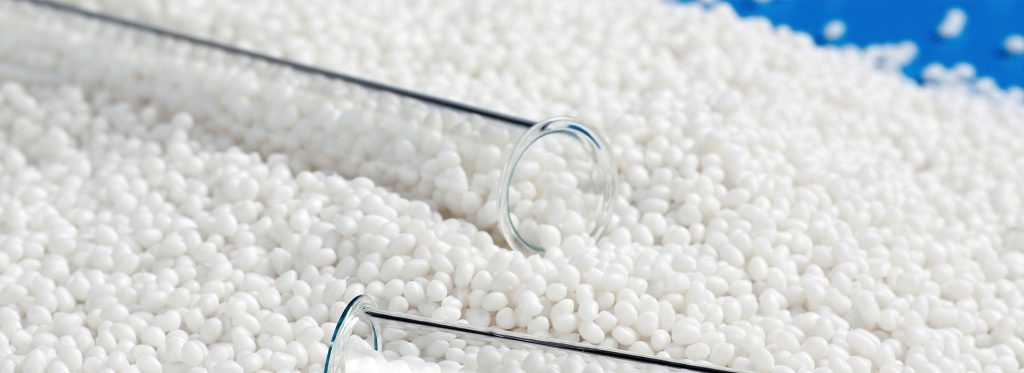
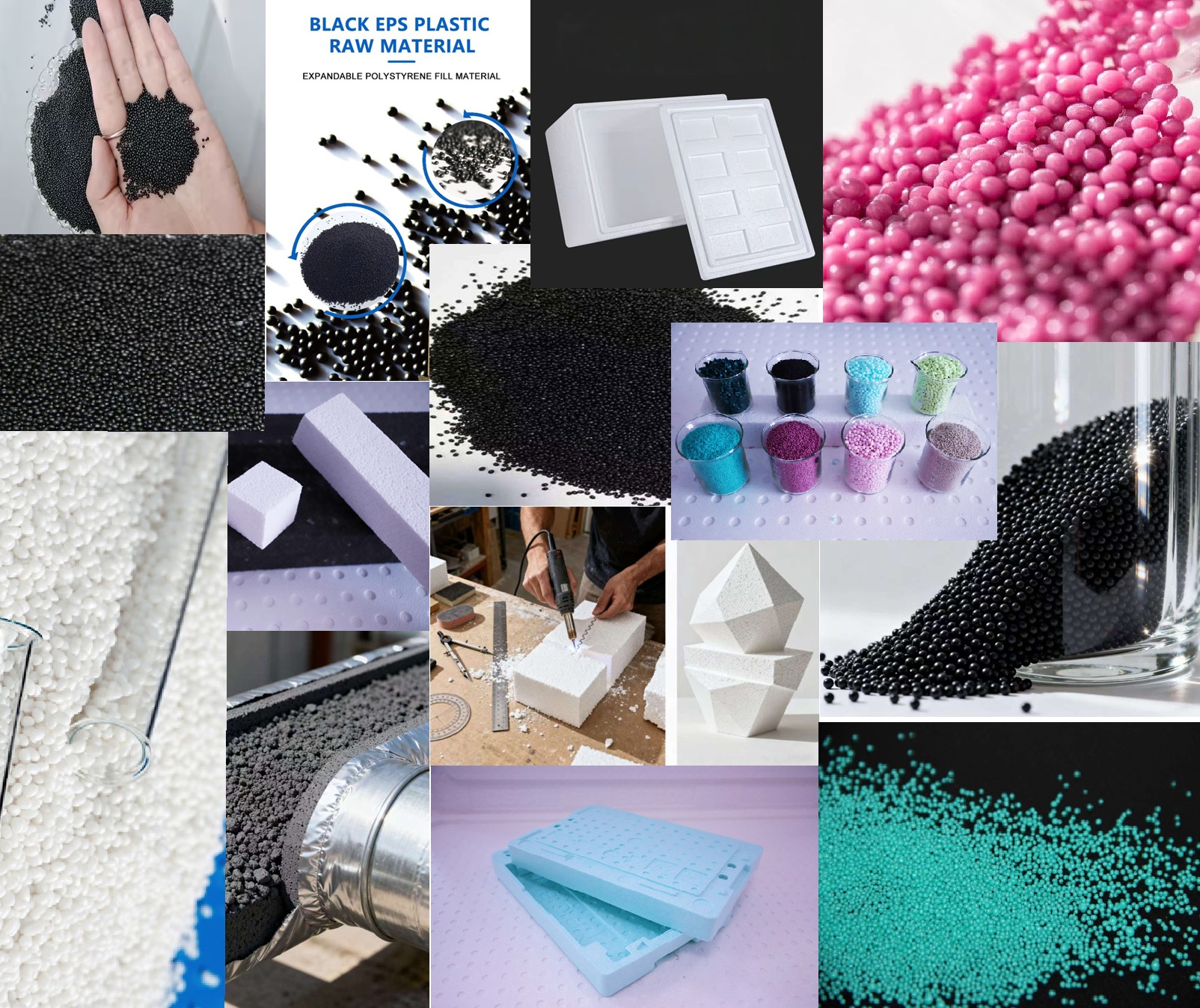
| Appearance (Resin) | Small, spherical beads or granules |
| Appearance (Expanded) | White, lightweight, foamy structure |
| CAS Number (Polystyrene) | 9003-53-6 |
| CAS Number (Pentane) | 109-66-0 |
Note: EPS resin consists of small polystyrene beads containing a blowing agent (typically pentane). When heated with steam, these beads expand up to 50 times their original volume and fuse together to form a lightweight, closed-cell rigid foam. This expanded form is the widely recognized material used across various industries.
2. PHYSICAL AND CHEMICAL PROPERTIES (Expanded Material)
| Property | Value |
|---|---|
| Appearance | White, lightweight, rigid foam |
| Density | Very low; typically 10 – 35 kg/m³ (depending on grade and application) |
| Structure | Closed-cell foam |
| Thermal Conductivity | 0.032 – 0.038 W/m·K (excellent thermal insulation) |
| Water Absorption | Very low; waterproof and moisture resistant |
| Impact Absorption | Excellent; high energy dissipation capacity |
| Chemical Resistance | Resistant to water, aqueous solutions, alkalis, and dilute acids; sensitive to organic solvents |
| Fire Behavior | Combustible; flame-retardant grades available (Euroclass E or F; B/C with additives) |
| Recyclability | 100% recyclable; can be mechanically ground or dissolved |
| Service Temperature | -20°C to +80°C |
3. FUNCTIONAL PROPERTIES AND ADVANTAGES
Outstanding Thermal Insulation: The closed-cell structure traps still air within the cells, providing superior thermal resistance. This makes EPS the preferred material for building insulation, reducing energy consumption for heating/cooling.
Lightweight: With a density far below that of water or conventional building materials, EPS is easy to transport, handle, and install, enabling lightweight construction and reduced shipping costs.
High Impact and Shock Absorption: The cellular structure collapses in a controlled manner under load, efficiently absorbing impact energy. This property is critical in protective packaging for fragile products, bicycle helmets, and automotive safety components.
Water and Moisture Resistance: EPS is non-hygroscopic; it does not absorb water and its insulation properties are not affected by moisture or immersion, making it ideal for marine applications and below-grade insulation.
Design Flexibility: EPS can be easily molded into complex shapes (e.g., electronics packaging, fish boxes) or cut into sheets and profiles from large blocks for construction applications.
Recyclability and Sustainability: EPS is a single-material polymer that is easily recyclable. It can be ground and reclaimed into new EPS products or densified and pelletized for use in other plastic applications, contributing to the circular economy.
4. PRODUCTION PROCESS
EPS product manufacturing occurs in three distinct stages:
Polymerization (Resin Production): Styrene monomer is polymerized to form polystyrene, and simultaneously a blowing agent (typically pentane) is incorporated into the polymer matrix, forming small, dense EPS beads. This is the "raw material" or "resin" form.
Pre-Expansion: EPS beads are heated with steam, which softens the polymer and vaporizes the blowing agent. This causes the beads to expand dramatically (up to 50 times their original size), forming low-density, cellular foam beads.
Molding / Shaping:
-
Block Molding: Pre-expanded beads are further steam-treated in a large mold to fuse together, forming a large block. These blocks are subsequently cut into sheets or panels.
-
Shape Molding: Pre-expanded beads are fed into a mold with the desired final shape (e.g., a packaging insert, helmet, or fish box) and fused together with steam.
5. OTHER NAMES AND SYNONYMS (International)
| Name | Region |
|---|---|
| Styropor | Germany |
| Frigolit | Sweden, Belgium |
| Isomo | Dutch-speaking regions |
| Flamingo | Denmark |
| Polistirolo | Italy |
| Hungarocell | Hungary |
| Styropian | Poland |
| Geëxpandeerd Polystyreen | Belgium |
| Polystyrène Expansé (PSE) | France |
| Piepschuim | Netherlands |
| Quietschpappe | Germany (informal) |
| Stiropor | Croatia |
| Isopor | Norway, Brazil |
6. INDUSTRY APPLICATIONS AND USE CASES
| Sector | Purpose | Typical Applications |
|---|---|---|
| Construction / Building | Thermal insulation, lightweight fill, sound insulation | External wall insulation boards (ETICS), roof and wall insulation, underfloor heating panels |
| Packaging Industry | Protective packaging, temperature-controlled containers | Electronics packaging, white goods protection, food containers (fish boxes, fast food containers), egg cartons |
| Automotive | Lightweight components, impact absorption | Headliners, door panels, bumper inserts, child safety seats |
| Medical and Healthcare | Sterile, single-use applications | Sterile packaging materials, single-use medical devices, vaccine and organ transport containers |
| Agriculture and Horticulture | Growing media, thermal protection | Seedling trays, hydroponic systems, greenhouse insulation |
| Marine and Flotation | Buoyancy, lightweight structures | Floating docks, buoys, life rings, boat hull interiors |
| Sports and Recreation | Impact protection, lightweight molding | Bicycle and motorcycle helmets, surfboards, model aircraft |
7. ALTERNATIVES AND COMPARISON
| Alternative | Comparison with EPS |
|---|---|
| Extruded Polystyrene (XPS) | Closed-cell, similar insulation value; generally more expensive, higher compressive strength, lower water absorption. EPS is more cost-effective. |
| Polyurethane (PUR/PIR) Foam | Higher insulation value per unit thickness (lower thermal conductivity); more expensive, difficult to recycle. EPS is easier to recycle. |
| Mineral Wool (Stone Wool, Glass Wool) | Non-combustible (Euroclass A1/A2); heavier, absorbs water, lower compressive strength. EPS is lighter and water-resistant. |
| Corrugated Cardboard | Biodegradable, very low cost for packaging; less impact protection for heavy items, not waterproof. |
| Molded Pulp (e.g., egg cartons) | Biodegradable, inexpensive; lower structural strength and cushioning compared to EPS. |
8. REGULATORY STATUS, SAFETY AND ENVIRONMENT
Fire Safety: Standard EPS is combustible and must be protected from direct flame exposure. Flame-retardant grades containing halogen-free or polymeric flame retardants are available and mandatory for many construction applications under regional building regulations (e.g., Euroclass E, B1 per DIN 4102). EPS melts and shrinks away from the flame source but should be installed behind a fire barrier (e.g., plasterboard) in buildings.
Health and Safety During Processing: Pre-expansion and molding involve steam heating, which releases small amounts of pentane gas. Adequate ventilation must be provided to keep pentane concentrations well below explosive limits. Pentane is a volatile organic compound (VOC).
Environmental Impact: EPS is physically and chemically inert in use. It contains no CFCs, HCFCs, or HFCs. The blowing agent is pentane, which has zero ozone depletion potential (ODP) and very low global warming potential (GWP). EPS is 100% recyclable through mechanical grinding and remolding or dissolution.
Storage: Resin (unexpanded beads) should be stored in a cool (<25°C), dry, and well-ventilated warehouse, away from direct sunlight, heat sources, sparks, and open flames. Containers should be kept sealed to prevent gradual loss of the pentane blowing agent, which reduces expandability.
9. FREQUENTLY ASKED QUESTIONS
Q1: What is the difference between EPS and Styrofoam?
Styrofoam™ is a specific brand of extruded polystyrene (XPS) foam manufactured by DuPont, typically used for building insulation and hobby modeling. It is technically different from EPS, which is expanded polystyrene. However, in everyday use, the term "Styrofoam" is often incorrectly used to refer to EPS products.
Q2: Is EPS a plastic?
Yes, EPS is a thermoplastic polymer, meaning it is a plastic material. It belongs to the same family as the rigid polystyrene used in yogurt cups and clear packaging.
Q3: Does EPS degrade over time?
EPS is very stable physically and chemically. It does not rot, mold, or decompose when exposed to moisture or soil. However, like most plastics, it slowly photodegrades (becomes brittle and yellows) when exposed to prolonged direct UV radiation (sunlight). Therefore, EPS is recommended to be painted or coated when used outdoors.
Q4: How is EPS recycled?
EPS can be recycled through mechanical grinding. The ground material can be mixed back with virgin pre-expanded beads to make new blocks. Alternatively, it can be melted and extruded into dense polystyrene pellets, which can then be used in the manufacture of other plastic products.
Q5: Can EPS be used in food-contact applications?
Yes, special food-grade EPS resins are produced under strict hygienic conditions and are approved for direct food contact for packaging applications such as fast-food containers, meat trays, and fish boxes.
10. QUICK REFERENCE TABLE
| Property | Description |
|---|---|
| Product Name | EPS Resin (Expandable Polystyrene) |
| Resin Appearance | White spherical beads/granules |
| Foam Appearance | White, rigid, closed-cell foam |
| Density | 10 – 35 kg/m³ |
| Thermal Conductivity | 0.032 – 0.038 W/m·K |
| Key Properties | Lightweight, insulating, water-resistant, impact-absorbing, recyclable |
| Primary Applications | Building insulation, protective packaging, automotive, medical |
| Recyclability | 100% recyclable |
11. EPS GRADES AND TYPES
11.1. Common Grade (Standard EPS)
| Parameter | Information |
|---|---|
| Types | E301, E302, E303, E401 |
| Properties | Standard expansion ratio; various particle sizes and expansion ratios |
| Applications | Electrical packaging, decorative products, EPS panels, boxes and packaging solutions |
| Advantage | General purpose, cost-effective, wide application range |
Typical Specifications:
| Property | Typical Value |
|---|---|
| Density | 15 – 25 kg/m³ |
| Expansion Ratio | 40 – 60 times |
| Particle Size | 0.7 – 1.2 mm (varies by type) |
11.2. Flame Retardant Grade
| Parameter | Information |
|---|---|
| Types | F302 and similar products |
| Properties | Flame retardant additive (PolyFR or brominated systems); low thermal conductivity; dimensional stability |
| Applications | Construction and industrial insulation panels; electronic and ceramic packaging |
| Advantage | Fire safety; energy efficiency |
Fire Performance:
| Property | Value |
|---|---|
| Fire Reaction Class (EU) | Euroclass B or C (depending on standard) |
| Oxygen Index | > 26% |
| Flame Retardant Additive | PolyFR (polymeric flame retardant) or brominated systems |
11.3. Graphite Grade (Graphite-Infused EPS)
| Parameter | Information |
|---|---|
| Properties | Low thermal conductivity due to graphite content; high insulation performance |
| Applications | Thermal insulation boards; energy-efficient building applications |
| Advantage | Higher thermal insulation capacity; energy savings |
Thermal Performance Comparison:
| Property | Standard EPS | Graphite EPS |
|---|---|---|
| Thermal Conductivity λ | ~0.035 W/(m·K) | ~0.030 – 0.032 W/(m·K) |
| Required Insulation Thickness | Standard | Up to 20% thinner for same performance |
| Color | White | Silver/Gray (due to graphite) |
11.4. Environmental Protection Grade (Eco-Friendly EPS)
| Parameter | Information |
|---|---|
| Properties | Low VOC emissions; environmentally compliant formulation |
| Applications | Green building projects; sustainable construction practices |
| Advantage | Compliance with environmental regulations; sustainability |
Environmental Properties:
| Property | Value |
|---|---|
| VOC Emissions | Very low (compliant with indoor air quality standards) |
| Ozone Depletion Potential | Zero (contains no CFC/HCFC) |
| Global Warming Potential | Low (contains no HFC blowing agents) |
| Recycled Content | Up to 100% recycled EPS available |
11.5. Carbon Black Grade (UV-Resistant EPS)
| Parameter | Information |
|---|---|
| Properties | Enhanced UV resistance; suitable for outdoor conditions |
| Applications | Exterior facades; applications exposed to sunlight |
| Advantage | Long-term outdoor performance |
UV Performance:
| Property | Standard EPS | Carbon Black EPS |
|---|---|---|
| UV Resistance | Poor (requires coating) | Good (inherent UV protection) |
| Color | White | Black/Dark Gray |
| Outdoor Lifespan | 6-12 months unprotected | 5+ years without significant degradation |
11.6. Customized REPS (Recyclable EPS)
| Parameter | Information |
|---|---|
| Properties | Modified polystyrene-based; recyclable foam |
| Applications | Food packaging, electronics, automotive, medical sectors |
| Advantage | Environmentally friendly; recyclable; multi-sector use |
REPS Properties:
| Property | Value |
|---|---|
| Recycled Content | 30 – 100% post-consumer or post-industrial recycled EPS |
| Density Range | 20 – 40 kg/m³ (customizable) |
| Certifications | May be compliant with FDA food contact standards |
| End of Life | Fully recyclable again |
12. COMPARISON TABLE – EPS GRADES
| Grade | Key Feature | Primary Use | Thermal Conductivity | UV Resistance | Fire Class | Cost Level |
|---|---|---|---|---|---|---|
| Standard (E301-401) | General purpose | Packaging, decorative | Standard (~0.035) | Poor | Low | $ |
| Flame Retardant (F302) | Fire safety | Construction insulation | Standard (~0.035) | Poor | B/C Euroclass | $$ |
| Graphite | High insulation | Energy-efficient buildings | Very low (~0.030) | Poor | Low | $$$ |
| Eco-Friendly | Low VOC | Green buildings | Standard (~0.035) | Poor | Low | $$ |
| Carbon Black | UV resistant | Exterior applications | Standard (~0.035) | Good | Low | $$ |
| REPS | Recyclable | Multi-sector | Customizable | Variable | Variable | $$ |
13. TYPICAL APPLICATIONS BY GRADE
| Application | Recommended Grade |
|---|---|
| Electrical / Electronics Packaging | Standard (E301-E303) or Flame Retardant |
| Food Packaging | REPS (customized, food-contact approved) |
| Building Insulation (Wall/Roof) | Graphite or Flame Retardant |
| Exterior Facades | Carbon Black or Flame Retardant |
| Green Building Projects | Eco-Friendly Grade |
| Automotive Components | REPS (customized) |
| Medical Packaging | REPS (high purity) |
| Decorative Products | Standard (E401) |
| Industrial Insulation Panels | Flame Retardant (F302) |
14. PHYSICAL PROPERTIES BY DENSITY
| Density (kg/m³) | Compressive Strength (kPa) | Flexural Strength (kPa) | Thermal Conductivity (W/(m·K)) | Typical Use |
|---|---|---|---|---|
| 10 – 12 | 50 – 70 | 150 – 200 | 0.040 | Lightweight packaging |
| 15 – 18 | 80 – 120 | 250 – 350 | 0.037 | General packaging |
| 20 – 22 | 130 – 180 | 350 – 450 | 0.035 | Construction, insulation |
| 25 – 30 | 200 – 280 | 450 – 600 | 0.033 | Load-bearing insulation |
| 35 – 40 | 300 – 350 | 600 – 750 | 0.031 | High-strength applications |
15. STANDARDS AND CERTIFICATIONS
| Standard | Description |
|---|---|
| ISO 9001:2015 | Quality Management System |
| ISO 14001:2015 | Environmental Management System |
| EU Regulation 305/2011 (CPR) | Construction Products Regulation (for flame-retardant grades) |
| Euroclass B/C/D/E/F | Fire reaction classification (for flame-retardant EPS) |
| FDA 21 CFR 177.1640 | Polystyrene for food contact (specific grades) |
| RoHS | Restriction of Hazardous Substances (for flame-retardant grades) |
16. SUMMARY AND CRITICAL WARNINGS
Product Summary
| Parameter | Value |
|---|---|
| Product | EPS Resin (Expandable Polystyrene) |
| CAS Number (PS) | 9003-53-6 |
| Resin Appearance | White spherical beads/granules |
| Foam Appearance | White, rigid, closed-cell foam |
| Density | 10 – 35 kg/m³ |
| Thermal Conductivity | 0.032 – 0.038 W/m·K |
| Primary Applications | Building insulation, protective packaging, automotive, medical |
CRITICAL WARNINGS
1. Flammability: Standard EPS is combustible. Flame-retardant grades are available for construction applications. Keep away from open flames and high heat sources.
2. Solvent Sensitivity: EPS is sensitive to organic solvents (acetone, toluene, gasoline). These will dissolve or swell the material. Do not use with solvent-based paints or adhesives.
3. UV Degradation: EPS degrades (becomes brittle and yellows) upon prolonged UV exposure. Requires coating or protection for outdoor use.
4. Storage Temperature: Store resin (unexpanded beads) below 25°C. Higher temperatures may cause premature expansion or loss of blowing agent.
5. Pentane Release: During processing, pentane gas is released. Ensure adequate ventilation. Pentane is flammable and explosive at certain concentrations.
6. Recycling: EPS is 100% recyclable. Do not dispose of EPS by burning (releases toxic fumes). Always recycle through approved channels.
7. Food Contact: Only specific food-grade EPS grades are approved for direct food contact. Verify certification before use.
8. Grade Selection: Select the appropriate EPS grade based on application requirements (thermal performance, fire safety, UV resistance, recyclability).
9. Compressive Strength: Compressive strength varies with density. Select appropriate density for load-bearing applications.
10. Temperature Limit: Service temperature range is -20°C to +80°C. Do not use in applications exceeding this range.
IMPORTANT DISCLAIMER: This Technical Data Sheet (TDS) is for informational purposes only and is prepared based on available technical data. The user is responsible for determining the suitability of the product for their specific application and for complying with all local, national, and international regulations. For complete safety, storage, use, handling, disposal, and regulatory compliance information, refer to the official Safety Data Sheet (SDS/MSDS) provided by the manufacturer/supplier. This document is not a substitute for professional or medical advice.