We unleash your business potential by maximize the business innovation.
Send EmailIsopropyl Palmitate, Palmitic Acid Isopropyl Ester, Isopropyl Hexadecanoate, IPP, 142-91-6
ISOPROPYL PALMITATE (IPP)
1. PRODUCT DEFINITION AND CHEMICAL IDENTITY
| Parameter | Description |
|---|---|
| Chemical Name (IUPAC) | Isopropyl hexadecanoate |
| Common Name | Isopropyl Palmitate (IPP) |
| INCI Name | Isopropyl Palmitate |
| CAS Number | 142-91-6 |
| EC Number | 205-571-1 |
| Molecular Formula | C₁₉H₃₈O₂ |
| Molecular Weight | 298.51 g/mol |
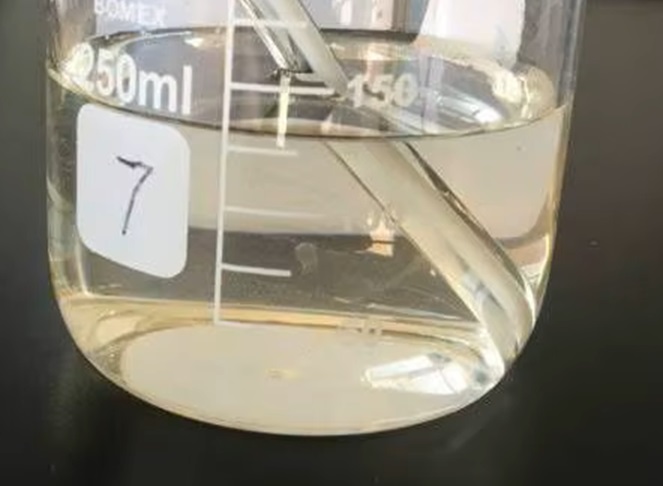
| Appearance | Clear, colourless, oily liquid |
| Odour | Odourless or very faint characteristic odour |
Note: Isopropyl palmitate is a fatty acid ester formed by the esterification reaction of isopropyl alcohol and palmitic acid (hexadecanoic acid). It is widely used in cosmetics and personal care products due to its light, dry, and silky skin feel.
2. PHYSICAL AND CHEMICAL PROPERTIES
| Property | Value |
|---|---|
| Physical state (25 °C) | Clear, colourless liquid |
| Melting point | 11 – 13 °C |
| Boiling point | 160 °C (at low pressure); ~330 °C at atmospheric pressure |
| Density (20 °C) | ~0.850 – 0.855 g/cm³ |
| Refractive index (n²⁰/D) | 1.436 – 1.440 |
| Viscosity (25 °C) | 5 – 10 mPa·s (low viscosity) |
| Flash point | >150 °C |
| Solubility in water | Insoluble |
| Solubility in organic solvents | Miscible with ethanol, isopropanol, acetone, mineral oil, vegetable oils, and silicone oils |
| Acid value (mg KOH/g) | ≤ 0.5 |
| Saponification value (mg KOH/g) | 185 – 195 |
| Iodine value (g I₂/100g) | ≤ 1.0 |
| Water content (%) | ≤ 0.1 |
3. FUNCTIONAL PROPERTIES
-
Emollient: Forms a thin, dry, and silky film on the skin; does not leave a greasy or heavy after-feel. Absorbs quickly and softens the skin.
-
Moisturizer: Supports the skin barrier; helps reduce transepidermal water loss (TEWL).
-
Lubricant / Slip Agent: Enables the product to spread easily on the skin; provides ease of application and a pleasant feel in makeup and skincare products.
-
Carrier / Solvent: Acts as a good solvent and carrier for active ingredients, fragrances, and essential oils.
-
Gloss / Shine Enhancer: Imparts shine to hair by coating the hair surface in hair care products; provides a wet look in lipsticks and lip glosses.
-
Consistency Modifier: Contributes to a homogeneous, stable structure by controlling the crystallisation of other oils and waxes in formulations.
-
Comedogenic Potential: 3-4/5 (moderate-high comedogenic scale). There may be a risk of pore clogging on sensitive and acne-prone skin.
4. ALTERNATIVE NAMES AND SYNONYMS
-
Isopropyl Palmitate (IPP)
-
Isopropyl Hexadecanoate (IUPAC)
-
Palmitic Acid Isopropyl Ester
-
Hexadecanoic Acid, 1-Methylethyl Ester
-
Isopropyl Ester
5. PRODUCTION METHOD (Summary)
Isopropyl palmitate is obtained by the acid-catalysed (e.g., p-toluenesulfonic acid or sulfuric acid) esterification reaction of palmitic acid (hexadecanoic acid, typically derived from palm oil or animal sources) with isopropyl alcohol:
C₁₅H₃₁COOH + (CH₃)₂CHOH → C₁₅H₃₁COOCH(CH₃)₂ + H₂O
After the reaction, excess alcohol is removed under vacuum and the product is purified by distillation. Cosmetic-grade products also undergo colour and odour removal stages.
6. SECTORAL APPLICATIONS AND USAGE RATES
| Sector / Product Group | Purpose | Typical Usage Rate (%) |
|---|---|---|
| Skincare (Face & Body) | Moisturizer, emollient, spreadability enhancer | 2 – 15 |
| Makeup (Foundation, Lipstick, Eyeshadow) | Binder, gloss enhancer, application aid | 5 – 30 |
| Sunscreens | Solvent/carrier for UV filters, moisturizer | 3 – 15 |
| Hair Care (Shampoo, Conditioner, Serum) | Shine agent, softener, anti-static | 1 – 10 |
| Cleansing Products (Micellar Water, Cleansing Oil) | Dirt solvent, light cleanser | 2 – 20 |
| Deodorant / Antiperspirant | Dry-feel carrier | 2 – 10 |
| Baby Products | Light emollient (controlled use) | 1 – 5 |
| Massage Oils | Lubricant, carrier oil | 10 – 50 |
| Shaving Products | Slip and softening agent | 2 – 8 |
| Fragrance Products | Fragrance carrier, fixative | 1 – 10 |
Example Formulations:
-
Light Facial Moisturising Lotion:
-
Water: 78.5%
-
Glycerin: 4.0%
-
Carbomer: 0.3%
-
Isopropyl Palmitate: 5.0% (emollient/carrier)
-
Cetyl Alcohol: 2.0%
-
Emulsifier (e.g., Glyceryl Stearate): 3.0%
-
Preservative, pH adjuster, fragrance: q.s.
-
Balance to 100%.
-
-
Silky Lipstick Formulation:
-
Castor Oil: 25%
-
Isopropyl Palmitate: 20% (gloss enhancer/volatile feel)
-
Beeswax: 15%
-
Candelilla Wax: 8%
-
Lanolin: 10%
-
Pigment blend: 15%
-
Preservative/antioxidant: q.s.
-
Balance to 100%.
-
-
Dry Oil Body Spray:
-
Isopropyl Palmitate: 60%
-
Cyclomethicone (or light silicone): 38%
-
Vitamin E (antioxidant): 0.5%
-
Fragrance: 1.5%
-
7. ALTERNATIVES AND COMPARISON
| Alternative Ester | INCI Name | Texture / Feel | Absorption Rate | Comedogenicity | Relative Cost |
|---|---|---|---|---|---|
| Isopropyl Palmitate (IPP) | Isopropyl Palmitate | Dry, silky, light | Very fast | Moderate-High (3-4) | Low-Medium |
| Isopropyl Myristate (IPM) | Isopropyl Myristate | Very dry, volatile feel | Very fast | Moderate-High (3-5) | Low-Medium |
| Ethylhexyl Palmitate | Ethylhexyl Palmitate | Dry-silky, near IPP | Fast | Low-Moderate (1-2) | Medium |
| Caprylic/Capric Triglyceride | Caprylic/Capric Triglyceride | Light, non-greasy | Medium fast | Very Low (0-1) | Medium-High |
| C12-15 Alkyl Benzoate | C12-15 Alkyl Benzoate | Silky, dry | Fast | Low (1) | Medium |
| Mineral Oil (Light) | Paraffinum Liquidum | Medium, oily feel | Slow-Medium | Low (0-1) | Low |
| Squalane (Olive/Plant) | Squalane | Silky, near-dry | Fast | Very Low (0-1) | High |
Selection Criteria:
-
Light and dry finish is desired in formulations where IPP, IPM, or ethylhexyl palmitate are ideal.
-
For acne-prone skin or products with comedogenicity concerns, caprylic/capric triglyceride or C12-15 alkyl benzoate should be preferred over IPP.
-
In formulations targeting high natural content, plant-derived squalane or light vegetable esters can be used.
-
For cost-sensitive projects, IPP and IPM are the most economical options.
8. REGULATORY STATUS, SAFETY, AND ENVIRONMENT
-
GHS Classification: Not classified as a hazardous substance or mixture under CLP Regulation. Some suppliers may add an eye irritation (Category 2B) warning; SDS review is recommended.
-
Cosmetic Use: Can be used without restriction in cosmetic products within the scope of the EU Cosmetics Regulation (EC 1223/2009) and FDA OTC monographs. Assessed as safe by the CIR (Cosmetic Ingredient Review) panel.
-
Skin Safety: Not generally considered an irritant or allergen. However, comedogenic effect potential exists on acne-prone skin at high concentrations. This risk is reduced by combining with non-comedogenic esters in formulations.
-
Biodegradability: Readily biodegradable (according to OECD 301 tests).
-
Environmental Impact: Low toxicity to aquatic organisms (LC50 >100 mg/L). Release to waterways in large quantities should be prevented.
-
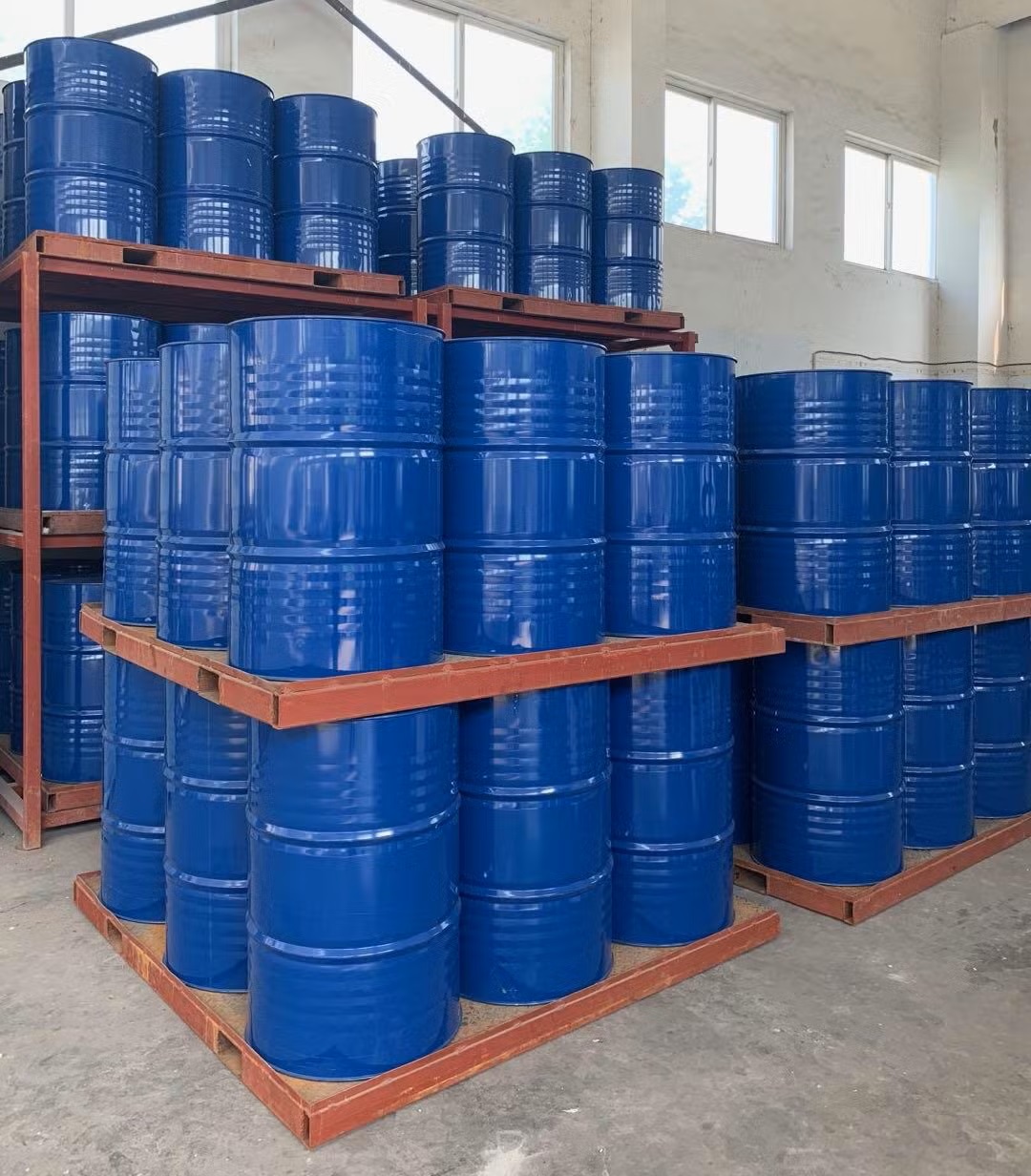
Storage: Store in tightly closed containers in a cool (<30 °C), dry place protected from light. Sensitive to oxidation; nitrogen blanketing can be applied for long-term storage.
-
Shelf Life: 24 – 36 months in original sealed packaging under appropriate conditions.
-
Suitable Packaging Materials: HDPE, stainless steel, glass.
9. FREQUENTLY ASKED QUESTIONS
Q1. What is the difference between isopropyl palmitate and isopropyl myristate?
Both are light, dry-feeling esters. The fundamental difference lies in the fatty acid used: IPP is derived from palmitic acid (C16); IPM from myristic acid (C14). IPM has a lower molecular weight, so it absorbs even faster into the skin and leaves a more "volatile" feel compared to IPP. Both carry a similar comedogenicity risk.
Q2. Is it suitable for sensitive skin?
It is generally non-irritating and can be used on sensitive skin. However, caution should be exercised on acne-prone skin; its moderate-high comedogenic rating (3-4) can contribute to clogged pores. Esters with a lower comedogenic profile (e.g., caprylic/capric triglyceride) are recommended for these skin types.
Q3. Is it natural?
Isopropyl palmitate is synthesized from naturally occurring palmitic acid (from palm oil, coconut oil, or animal fats) and isopropyl alcohol (generally produced synthetically from propylene). Therefore, the product itself is considered a semi-synthetic ester. The majority of commercial IPP used in cosmetics is produced from plant-derived palmitic acid.
Q4. Why is it used in hair care products?
IPP imparts instant shine and softness by coating the hair strands with a thin film. It does not weigh the hair down or leave it greasy. It also reduces static electricity. It is commonly found in serums, leave-in conditioners, and shampoos.
Q5. How should it be stored?
It should be stored in a cool, dry, and dark place in tightly sealed packaging. High heat and light can cause oxidation of the ester and degradation of its odour. Storage under nitrogen during long-term storage extends shelf life.
Q6. Is it miscible with other oils?
Yes, IPP shows broad compatibility with mineral oil, silicone oils, synthetic and vegetable triglycerides, essential oils, and other esters. It can be easily incorporated into formulations.
Q7. Is it vegan?
Types produced from plant sources (palm oil) can be considered vegan. However, since palmitic acid can also be derived from animal sources, the supplier should be consulted to ensure the product holds vegan certification.
Q8. What is its role in sunscreens?
IPP is a very good solvent and carrier for chemical UV filters. It prevents their crystallisation and helps them form a homogeneous film on the skin. It also imparts a moisturising and pleasant skin feel to the sunscreen product.
10. QUICK REFERENCE TABLE
| Property | Value |
|---|---|
| CAS | 142-91-6 |
| Formula | C₁₉H₃₈O₂ |
| Molecular weight | 298.51 g/mol |
| Appearance | Clear, colourless liquid |
| Melting point | 11 – 13 °C |
| Boiling point | ~330 °C (atm.) / 160 °C (low pressure) |
| Density | ~0.85 g/cm³ |
| INCI Name | Isopropyl Palmitate |
| Main uses | Emollient, moisturizer, solvent, gloss enhancer |
| Comedogenicity | Moderate-High (3-4) |