We unleash your business potential by maximize the business innovation.
Send EmailCoconut Oil Powder, Spray-Dried Coconut Oil, Microencapsulated Coconut Oil, Microencapsulated Cocos Nucifera Oil , Powdered MCT, MCT Oil Powder, 8001-31-8
COCONUT OIL POWDER 🥥
Microencapsulated Cocos Nucifera Oil (MCT Source)
1. PRODUCT DESCRIPTION
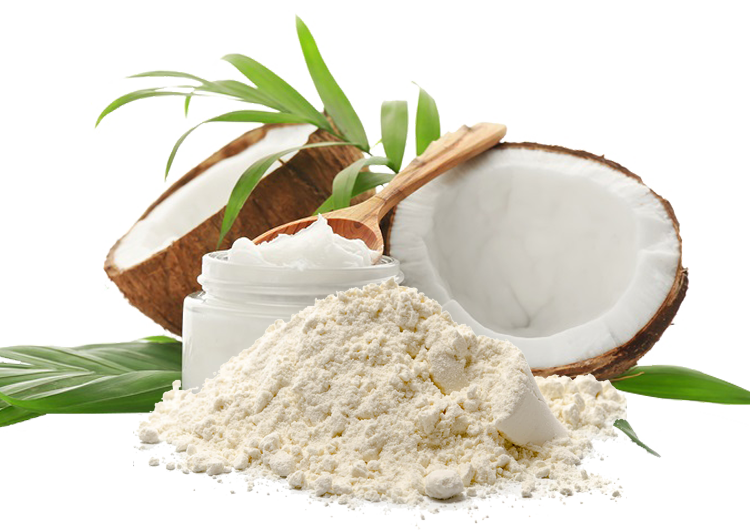
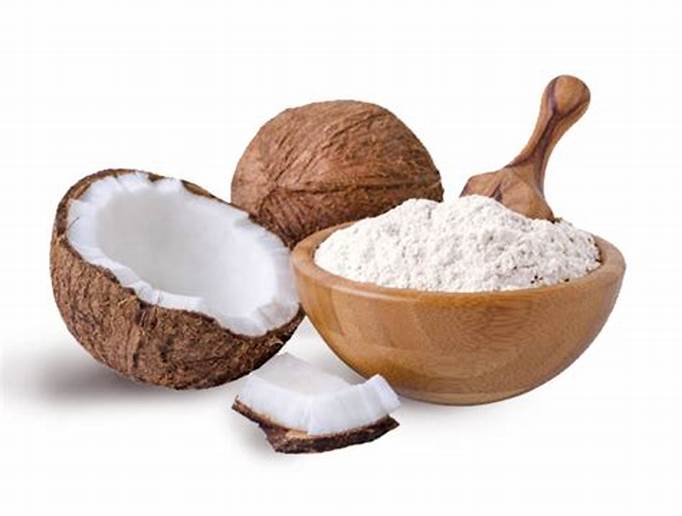
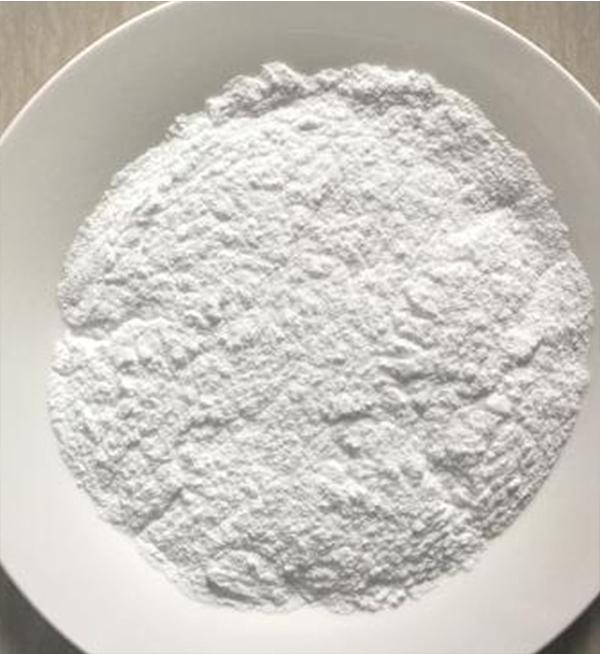
Coconut Oil Powder is a cream-white, free-flowing powder produced by encapsulating refined or virgin coconut oil within a protective carrier matrix (typically maltodextrin, with optional milk protein) using advanced spray-drying technology. Exceptionally rich in Medium-Chain Triglycerides (MCTs), this specialized powder provides rapid energy metabolism and a thermogenic effect, making it a unique functional lipid source for sports nutrition, ketogenic diet products, and functional beverages.
2. CHEMICAL IDENTIFICATION
| Parameter | Detail |
|---|---|
| Chemical Name | Cocos Nucifera (Coconut) Oil |
| INCI Name | Cocos Nucifera (Coconut) Oil (Powder) |
| CAS Number | 8001-31-8 |
| Physical Form | Free-flowing powder (Microencapsulated) |
Alternative Trade Names:
-
Spray-Dried Coconut Oil
-
MCT Oil Powder (Medium-Chain Triglyceride Powder)
-
Microencapsulated Coconut Oil
-
Coconut Oil Powder
-
Powdered MCT
3. MANUFACTURING TECHNOLOGY
-
Method: Microencapsulation via Spray Drying.
-
Process: Coconut oil, which is solid at room temperature, is melted and emulsified under high pressure with suitable carrier agents (maltodextrin, gum arabic, or sodium caseinate). The emulsion is then atomized in a spray-drying tower, converting it into a fine powder.
-
Benefit: The process yields a powder that does not liquefy or leak at room temperature, is easy to dose, and has a long shelf life. Optionally, fractionated MCT oil can be used to produce a completely tasteless, liquid-at-room-temperature version.
4. FUNCTIONAL PROPERTIES & ADVANTAGES
-
High MCT Content: Coconut oil is one of nature's richest sources of medium-chain triglycerides (C8, C10, C12). MCTs are absorbed much faster than long-chain fats and are directly converted into energy in the liver.
-
Instant Energy & Thermogenic Effect: Used in sports nutrition as a rapid calorie source; it helps boost energy expenditure (thermogenesis) rather than being stored as body fat.
-
Ketogenic Compatibility: Provides an ideal fatty acid profile that supports ketone body production in ketogenic diets.
-
Natural Antimicrobial Properties: Lauric acid (C12) content offers potential antimicrobial and antiviral benefits.
-
Excellent Dispersibility: The powder form easily mixes into cold water and beverages, creating a homogeneous, slightly creamy appearance, unlike liquid coconut oil.
-
Flavor Profile: The natural (virgin) derivative carries a mild, tropical coconut aroma; the MCT (fractionated) version is completely neutral.
5. TYPICAL TECHNICAL SPECIFICATIONS
| Parameter | Typical Value | Description |
|---|---|---|
| Appearance | White to cream-colored, free-flowing powder | Visual |
| Total Oil Content | 45% – 60% | Amount of encapsulated coconut oil (customizable) |
| Moisture Content | ≤ 5.0% | Post-spray drying |
| Carrier Material | Maltodextrin (optional: sodium caseinate, gum arabic) | Plant-based (vegan) option available |
| Particle Size | On 60-80 Mesh Screen ≤ 5% | Standard powder |
| Peroxide Value | ≤ 2 meq O₂/kg | Freshness indicator |
| Melting Point (oil) | ~24-26°C (natural) / Liquid (MCT) | The encapsulated powder remains solid; this indicates the oil's character |
| MCT Ratio | ≥ 90% of total oil (in MCT powder) | C8 (Caprylic), C10 (Capric), C12 (Lauric) chains |
| Taste / Odor | Mild coconut (natural) / Neutral (MCT) | Selected based on application requirements |
Note: Pure MCT powder is recommended for ketogenic products, while natural coconut powder suits functional foods.
6. APPLICATION AREAS
| Industry | Application |
|---|---|
| Sports & Fitness | Pre/post-workout shakes, energy bars, MCT supplement powders, keto coffee creamers. |
| Food | Plant-based milk powders, instant soups and sauces, ice cream powder blends, healthy fat alternative in baked goods. |
| Pharma & Nutraceutical | MCT capsules, lipid source for enhanced absorption, medical nutrition (enteral) formulas. |
| Cosmetics | Powder masks, dry shampoos, emollient body dusting powders. |
| Agriculture & Feed | Energy supplement in calf and lamb milk replacers, rapid energy source in racehorse feeds. |
7. COMPETITIVE LANDSCAPE & SELECTION GUIDE
| Oil Powder | Best Suited For | Key Advantage |
|---|---|---|
| 🥥 Coconut Oil Powder | Sports nutrition, keto diet, rapid energy | Rich in MCTs, thermogenic effect, natural lauric acid |
| 🌾 Canola Oil Powder | Heart-health, low saturated fat formulas | Lowest saturated fat, natural Omega-3 ALA |
| 🌻 Sunflower Oil Powder | Infant formula, medical foods | High Omega-6, regulatory compliance |
| 🌱 Soybean Oil Powder | Large-scale feed production | Economical, protein + oil combination |
| 🌴 Palm Oil Powder | Processed foods, cost-driven production | Lowest cost, high oxidative stability |
8. PACKAGING & STORAGE
-
Packaging: Food-grade aluminum foil laminated kraft bag with inner PE liner. Standard: 20 kg / 25 kg net. High-barrier packaging is preferred to prevent moisture absorption.
-
Storage Conditions: Store in a cool (15-25°C), dry, and well-ventilated environment, away from direct sunlight and strong odors. Once opened, the bag must be tightly resealed.
-
Shelf Life: 18-24 months from the date of manufacture in the original, unopened packaging under recommended conditions.
-
Transportation: Non-hazardous dry cargo. Carries no risk of leakage or breakage compared to liquid or solid block oil; suitable for standard palletized shipping.
9. REGULATORY COMPLIANCE & SAFETY
-
Food Grade: Manufactured in HACCP/FSSC 22000 certified facilities in compliance with the Turkish Food Codex and international Codex Alimentarius standards.
-
GMO: Coconut is a product with no commercially available GMO varieties; it is naturally considered non-GMO.
-
Allergens: The vegan option uses maltodextrin/starch-based carriers and is free from milk, soy, and gluten. The sodium caseinate version contains milk allergen; specify the "vegan" option when ordering.
-
Halal & Kosher: Certification is available.
-
INCI Labeling: Listed as Cocos Nucifera (Coconut) Oil or Caprylic/Capric Triglyceride (for MCT).
Disclaimer: This document reflects typical product characteristics and does not constitute a binding specification. Request a current Certificate of Analysis (COA) for each shipment. The end-user is responsible for testing the product's suitability in their own formulation.
COMPREHENSIVE APPLICATION GUIDE: COCONUT OIL POWDER
1. SECTOR SUITABILITY TABLE
| Sector | Suitability | Description |
|---|---|---|
| Sports & Fitness Foods | Highly Suitable | MCTs provide rapid energy; helps spare muscle glycogen and supports lean body mass. |
| Ketogenic Diet Products | Highly Suitable | One of the most effective fats for triggering ketone body production. Indispensable for keto coffee and fat bomb recipes. |
| Functional Beverages | Highly Suitable | Powder form blends without clumping into hot/cold drinks; adds tropical aroma and creaminess to plant-based lattes. |
| Infant Formula | Moderate | Although it mimics MCTs in breast milk, its essential fatty acid (LA, ALA) profile is limited. Usually combined with other oils. |
| Bakery & Pastry | Suitable | Natural alternative to palm oil as a saturated fat source in muffins, bars, and cookies; provides a pleasant melting mouthfeel. |
| Pharma / Supplements | Highly Suitable | MCT capsules and powders are used to enhance the absorption of fat-soluble vitamins. |
| Cosmetics | Suitable | Offers antimicrobial properties and skin conditioning in dry masks. |
| Animal Feed (Specialty) | Suitable | Used as a quickly digestible energy supplement in racing dog, horse, and calf formulas. |
2. BENEFITS (Summary)
-
Rapid Energy Metabolism: Unlike long-chain fats, MCTs are not absorbed via the lymphatic system; they travel directly to the liver via the portal vein and are immediately converted into energy.
-
Thermogenic & Satiety Effect: Increases diet-induced thermogenesis and prolongs feelings of fullness, supporting weight management.
-
Brain & Cognitive Function: Ketone bodies produced in the liver serve as an alternative, clean energy source for the brain, supporting mental performance.
-
Cooking Stability: Highly resistant to oxidation during cooking and baking due to its high saturated fat content.
-
Tropical Flavor (Optional): The natural version also acts as a flavoring agent in smoothie bowls, desserts, and tropical-flavored products.
3. ALTERNATIVE NAMES
Common / Trade Names:
-
Coconut Oil Powder
-
MCT Oil Powder (Common in sports nutrition)
-
Spray-Dried Coconut Oil
-
Microencapsulated Coconut Oil
-
Powdered MCT
Regional / Industry Terms:
-
Note: "Coconut Milk Powder" is different; this product is purely an oil powder. High-fat versions may be confused, so check the oil content.
INCI Labeling:
-
Cocos Nucifera (Coconut) Oil (Natural)
-
Caprylic/Capric Triglyceride (Fractionated MCT)
4. ALTERNATIVE PRODUCTS & COMPARISON
| Feature | 🥥 Coconut Oil Powder | 🌸 MCT Oil Powder (Fractionated) | 🌴 Palm Oil Powder | 🧈 Butter Powder |
|---|---|---|---|---|
| Fatty Acid Profile | Lauric > Myristic > Palmitic | Predominantly Caprylic (C8) & Capric (C10) | Palmitic > Oleic | Mixed (short, medium, long chain) |
| Melting Point (oil) | ~24-26°C | Liquid at room temperature | ~35°C | ~32°C |
| Taste / Odor | Mild to intense coconut | Completely neutral, tasteless, odorless | Neutral, slightly waxy | Milky, rich butter aroma |
| Digestion | Fast (MCT effect) | Very fast (pure MCT) | Slow (long-chain) | Moderate (contains short-chain butyrate) |
| Keto Suitability | Very good | Excellent | Low | Moderate |
| Cost | High | Very High | Very Low | Mid-to-High |
| Best Application | Sports, keto, functional food | Keto, medical nutrition, neutral apps | Economical production | Bakery, flavoring |
5. APPLICATION RECIPE EXAMPLES
A. Ketogenic Bulletproof Coffee (Instant Blend)
-
Instant coffee granules: 3 g
-
🥥 Coconut Oil Powder (MCT version): 10 g
-
Erythritol or stevia: to taste
-
Sea salt: a pinch
*Instructions: Add the blend to 200 ml hot water (80-85°C), shake or blend. Unlike liquid MCT oil, it creates a homogeneous, creamy coffee without an oil slick on top. Ideal for morning mental focus.*
B. Post-Workout Recovery Bar (Cold Press, Dry Mix)
-
Oat flour: 80 g
-
Honey or date paste: 40 g
-
Whey protein concentrate: 60 g
-
🥥 Coconut Oil Powder: 30 g → (Provides MCTs for rapid energy and essential fatty acids)
-
Cocoa nibs: 20 g
Instructions: Blend dry ingredients, knead with honey/paste, press into a mold, and refrigerate. The bar replenishes glycogen stores post-workout while providing fast calories from MCTs.
C. Powdered Coconut Latte (Plant-Based)
-
Coconut milk powder: 12 g
-
🥥 Coconut Oil Powder (natural): 5 g
-
Vanilla powder: 1 g
-
Coconut sugar: 4 g
*Instructions: Add 30 g of the blend to 150 ml hot water and froth. A caffeine-free indulgence with intense tropical aroma and a smooth foam structure.*
D. Antimicrobial Dry Face Mask (Cosmetic)
-
Bentonite clay: 50 g
-
Oat flour: 20 g
-
🥥 Coconut Oil Powder: 12 g
-
Activated charcoal powder: 5 g (optional)
Instructions: Mix the powder blend with an equal amount of water to form a paste. The coconut oil powder counterbalances the drying effect of the clay, soothes the skin, and provides antimicrobial support for oily skin thanks to lauric acid.
6. RECOMMENDATIONS
-
Version Selection:
-
Pure MCT Powder: Ideal for keto coffee, medical nutrition, and non-clear sports drinks where a completely neutral taste is required.
-
Natural Coconut Powder: Preferred for smoothies, bars, and dairy alternatives where a tropical flavor is desired.
-
-
Dosage: In food, typically used at 5 – 25 g per serving. For first-time users, start with a low dose (5 g) and gradually increase to avoid digestive sensitivity (diarrhea, cramping).
-
Heat Treatment: The delicate aroma of the natural powder can be lost during baking above 180°C. If the flavor profile is critical, consider adding it post-bake or using it in cold applications.
-
Moisture Control: Coconut oil powder is relatively hygroscopic. Adding 0.5-1% silicon dioxide to the formulation prevents clumping and maintains flowability.
-
Label Claims:
-
Ketogenic Friendly: Request a version using a carrier with low net carbs (indigestible fiber) or without maltodextrin to keep carbs minimal.
-
Source of MCT: Demand specifications that ensure at least 50% MCT content.
-
7. FREQUENTLY ASKED QUESTIONS (FAQ)
Q: What is the difference between Coconut Oil Powder and MCT Oil Powder?
A: Coconut oil naturally contains about 55-65% MCTs (mostly lauric acid C12) and has a characteristic flavor. MCT Oil Powder, on the other hand, is a purified product fractionated from coconut or palm oil, composed almost entirely of C8 (caprylic) and C10 (capric) chains. It is completely tasteless, odorless, and produced from liquid oil.
Q: Can it cause digestive issues?
A: High doses of MCTs (over 30 g at once) can cause temporary stomach cramps or diarrhea in some individuals. Microencapsulation buffers the sudden release of oil in the stomach. It is still recommended to start with a low dose (5-10 g) and consume with plenty of water.
Q: Is it vegan?
A: Versions produced with maltodextrin, gum arabic, or plant-based starch carriers are 100% vegan. Some manufacturers may use milk protein (sodium caseinate), so always request a "vegan certified" or "dairy-free" specification when ordering.
Q: Why doesn't it form an oil slick in black coffee?
A: In spray-dried powder form, the oil is dispersed as fine droplets within a water-soluble carrier matrix. On contact with hot water, the matrix dissolves, releasing the oil as microscopic droplets that form a stable dispersion, preventing it from pooling on the surface like liquid MCT.
Q: Can I substitute liquid coconut oil with this powder in cooking?
A: Yes. If you need 100 g of pure oil, use 200 g of powder with a 50% oil load. Remember that you are also adding 100 g of dry carrier (maltodextrin) to the recipe, so adjust the flour or liquid accordingly.
Q: Why is it preferred in sports products?
A: Due to their rapid absorption, MCTs are less likely to be stored as body fat and are directly converted into energy. This provides an alternative or complementary fueling strategy to carbohydrate loading for endurance athletes. As it does not raise insulin levels, it is also safely used in diabetic sports nutrition.