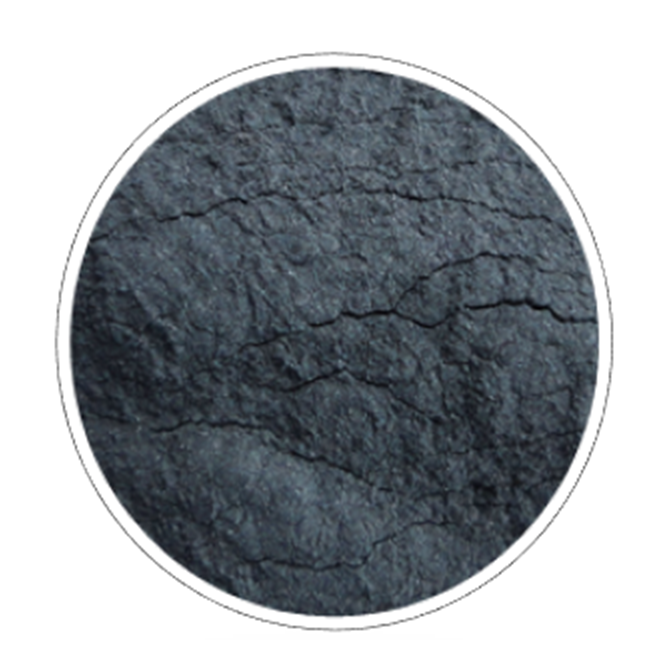
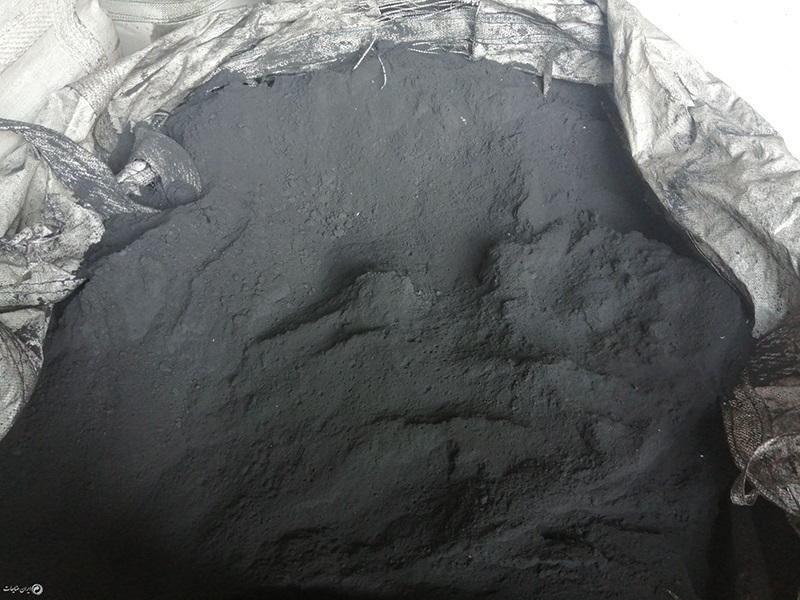
Zinc Powder, Zinc Chip, Zinc Crumb, Zinc Filing, Zinc Flake, Zinc Granule, Electrolytic Zinc Powder, 7440-66-6
ZINC POWDER – ZINC POWDER
1. CHEMICAL IDENTITY AND DEFINITION
| Parameter |
Information |
| Chemical Name |
Zinc |
| Other Names |
Zinc Metal Powder, Zinc Chip, Zinc Crumb, Zinc Filing, Zinc Flake, Zinc Granule, Zinc Particle, Atomized Zinc Powder, Electrolytic Zinc Powder |
| Chemical Symbol |
Zn |
| Atomic Number |
30 |
| Atomic Weight |
65.38 g/mol |
| CAS Number |
7440-66-6 |
| EC Number (EINECS) |
231-175-3 |
| Purity |
95% – 99% |
| Appearance |
Gray / blue-gray fine powder |
| Odor |
Odorless |
| Physical State (20°C) |
Solid (powder) |
| Metal Class |
Post-transition metal (amphoteric) |
2. WHAT IS ZINC POWDER?
Zinc powder is a gray/blue-gray metal powder consisting of finely ground or atomized zinc particles. Due to its high reactivity, corrosion protection properties, and chemical activity, it plays a critical role in many industries including chemicals, metallurgy, coatings, battery production, paints, and mining.
3. PRODUCTION METHODS
| Method |
Description |
| Atomization |
Molten zinc sprayed with high-pressure gas or water |
| Electrolytic Production |
High-purity fine powder production via electrolysis |
| Chemical Reduction |
Chemical reduction of zinc salts |
| Mechanical Grinding |
Grinding solid zinc into powder |
| Distillation |
Condensation of zinc vapor into powder |
4. PHYSICAL PROPERTIES
| Property |
Value |
| Appearance |
Gray / blue-gray fine powder |
| Chemical Symbol |
Zn |
| Atomic Number |
30 |
| Atomic Weight |
65.38 g/mol |
| Density |
7.14 g/cm³ |
| Melting Point |
419.5 °C |
| Boiling Point |
907 °C |
| Particle Size |
0 – 50 microns |
| Specific Surface Area |
1 – 5 m²/g |
| Color |
Gray / blue-gray |
| Odor |
Odorless |
| Hardness (Mohs) |
2.5 |
5. CHEMICAL PROPERTIES
| Property |
Information |
| Chemical Formula |
Zn |
| CAS Number |
7440-66-6 |
| EC Number |
231-175-3 |
| Purity |
95% – 99% |
| Common Oxidation States |
+2 (primary) |
| Reactivity |
High (amphoteric metal) |
| Solubility in Acids |
Soluble (releases H₂ gas) |
| Solubility in Alkalis |
Soluble (forms sodium zincate) |
| Stability |
Stable in air, slowly oxidizes |
| Passivation |
Thin oxide/carbonate layer on surface |
6. ELECTRICAL AND THERMAL PROPERTIES
| Property |
Value |
| Electrical Conductivity |
16.6 × 10⁶ S/m |
| Electrical Resistivity (20°C) |
5.9 × 10⁻⁸ Ω·m |
| Thermal Conductivity |
116 W/m·K |
| Coefficient of Thermal Expansion |
30.2 × 10⁻⁶ /K |
| Specific Heat (20°C) |
388 J/kg·K |
| Electrochemical Potential |
-0.76 V (standard) |
| Latent Heat of Fusion |
111 kJ/kg |
7. PARTICLE SIZE DISTRIBUTION
| Grade |
Particle Size |
Applications |
| Coarse Powder |
30 – 50 μm |
Galvanizing, powder metallurgy |
| Medium Powder |
10 – 30 μm |
Chemicals, catalysts, paints |
| Fine Powder |
5 – 10 μm |
High-reactivity applications |
| Micronized Powder |
1 – 5 μm |
Specialty coatings, batteries |
| Nano Powder |
< 1 μm |
Advanced technology applications |
| Sub-micron Powder |
0 – 1 μm |
High-performance applications |
8. POWDER MORPHOLOGY TYPES
| Type |
Description |
| Spherical Powder |
Produced by atomization; high flowability |
| Irregular Powder |
Produced by grinding; high surface area |
| Flake Powder |
Flat particles; for coatings and paints |
| Dendritic Powder |
Electrolytic production; porous structure |
| Shot Powder |
Mechanical processing; irregular shape |
9. APPLICATIONS
9.1. Metal Coating and Galvanizing
| Application |
Description |
| Galvanizing |
Corrosion protection of steel |
| Sherardization |
Diffusion coating with zinc powder |
| Zinc Plating |
Electroplating baths |
| Cold Galvanizing |
Protection with zinc-rich paints |
| Corrosion Protection |
Marine and industrial environments |
9.2. Chemical Industry
| Application |
Description |
| Catalysts |
Catalyst in chemical reactions |
| Reducing Agent |
Organic and inorganic reductions |
| Zinc Salt Production |
Zinc sulfate, chloride, oxide production |
| Chemical Syntheses |
Reagent in organic syntheses |
| Desulfurization |
Gas and liquid desulfurization |
9.3. Battery Production
| Application |
Description |
| Zinc-Carbon Batteries |
Anode material |
| Alkaline Batteries |
Anode material |
| Zinc-Air Batteries |
Electrode material |
| Ni-Zinc Batteries |
Rechargeable batteries |
| Silver-Zinc Batteries |
Specialty batteries |
9.4. Paints and Coatings
| Application |
Description |
| Anti-Corrosion Paints |
Zinc-rich primer coatings |
| Powder Coatings |
Electrostatic powder coatings |
| Rust Preventive Coatings |
Corrosion protection systems |
| Marine Paints |
Antifouling and protective paints |
| Conductive Coatings |
Electrically conductive coatings |
9.5. Mining and Metallurgy
| Application |
Description |
| Heavy Metal Precipitation |
Gold and silver recovery |
| Cementation |
Metal precipitation from solutions |
| Wastewater Treatment |
Heavy metal removal |
| Flotation |
Ore beneficiation |
9.6. Other Applications
| Application |
Description |
| Powder Metallurgy |
Zinc part production |
| Fertilizer Production |
Zinc-containing fertilizers |
| Rubber Industry |
Vulcanization activator |
| Pyrotechnics |
Fireworks and special effects |
| Dietary Supplements |
Zinc mineral supplements |
| Cosmetics |
Sunscreens and creams |
10. ADVANTAGES OF ZINC POWDER
| Advantage |
Description |
| High Corrosion Protection |
Protects steel via galvanic protection |
| High Reactivity |
Effective in chemical reactions |
| Amphoteric Properties |
Reacts with both acids and bases |
| Recyclability |
100% recyclable |
| Economic |
Cost-effective protection and processes |
| Versatility |
Wide range of applications |
| Low Melting Point |
Easy workability |
| Galvanic Protection |
Sacrificial anode properties |
11. ZINC POWDER TYPE COMPARISON
| Property |
Atomized Powder |
Electrolytic Powder |
Flake Powder |
| Shape |
Spherical |
Dendritic |
Flat |
| Purity |
98-99% |
99.5%+ |
96-98% |
| Reactivity |
Moderate |
High |
Low-Moderate |
| Surface Area |
Moderate |
High |
Low |
| Flowability |
High |
Low |
Moderate |
| Applications |
Galvanizing, chemicals |
Batteries, high purity |
Paints, coatings |
12. RECOMMENDED USAGE RATES
| Application |
Recommended Rate (%) |
| Galvanizing Paints |
80 – 95 |
| Catalysts |
0.1 – 5 |
| Battery Anodes |
90 – 100 |
| Corrosion Coatings |
70 – 90 |
| Powder Metallurgy |
90 – 100 |
| Chemical Reduction |
Reaction dependent |
| Polymer Composites |
5 – 30 |
13. SAFETY AND HEALTH INFORMATION
| Parameter |
Information |
| Hazard |
Moderate toxicity |
| Dust |
Inhalation may cause respiratory irritation |
| Metal Fume Fever |
Prolonged exposure (melting fumes) |
| Skin Contact |
May cause mechanical irritation |
| Eye Contact |
May cause mechanical irritation |
| Ingestion |
Low-moderate toxicity |
| Carcinogenicity |
Not classified |
| Mutagenicity |
Negative |
| Aquatic Toxicity |
High toxicity (zinc ions) |
13.1. GHS CLASSIFICATION
| Hazard Category |
Description |
| Aquatic Toxicity |
High toxicity to aquatic life |
| Skin Irritation |
May cause irritation |
| Serious Eye Damage |
Reversible effects |
13.2. FIRST AID MEASURES
| Route of Exposure |
Action |
| Inhalation |
Remove to fresh air. If respiratory irritation, seek medical attention. |
| Skin Contact |
Wash with plenty of soap and water. |
| Eye Contact |
Rinse thoroughly with water for at least 15 minutes. Seek medical attention. |
| Ingestion |
Rinse mouth. Seek medical attention. |
14. STORAGE AND HANDLING
| Parameter |
Information |
| Storage Conditions |
Cool, dry, well-ventilated area |
| Container Requirements |
Tightly closed, under inert gas (preferred) |
| Protect From |
Moisture, acids, alkalis, oxidizing agents |
| Shelf Life |
12-24 months (with proper storage) |
| Oxidation |
Slowly oxidizes in air |
| Dust Precautions |
Prevent dust formation; dust explosion hazard |
15. TRANSPORT INFORMATION
| Parameter |
Information |
| UN Number |
1436 (Zinc Powder) or 3077 (Environmental) |
| Hazard Class |
4.3 (Flammable gas upon contact with water) |
| Packing Group |
II / III |
| ADR/RID |
4.3 |
| IMDG Code |
4.3 |
| IATA (Air) |
4.3 |
| Marine Pollutant |
Yes (environmental) |
16. PACKAGING OPTIONS
| Packaging Type |
Quantity |
Material |
| Kraft Bag |
25 kg |
Kraft + PE liner |
| Plastic Bucket |
5-25 kg |
HDPE |
| Plastic Drum |
25-50 kg |
HDPE |
| Big Bag |
500-1000 kg |
Polypropylene |
| Aluminum Foil Bag |
1-5 kg |
Laminated aluminum |
| Steel Drum |
50-100 kg |
Steel (lined) |
17. REGULATORY STATUS
| Region / Authority |
Status |
| European Union (REACH) |
Registered substance |
| USA (EPA TSCA) |
Listed on TSCA inventory |
| Turkey |
Registered substance |
| China |
Listed on inventory |
| Japan (CSCL) |
Listed on CSCL inventory |
18. OTHER NAMES AND SYNONYMS
| Type |
Name |
| Turkish Names |
Çinko Tozu, Tutya Tozu, Çinko Metal Tozu, Atomize Çinko Tozu, Elektrolitik Çinko Tozu |
| English Names |
Zinc Powder, Zinc Chip, Zinc Crumb, Zinc Filing, Zinc Flake, Zinc Granule, Zinc Particle |
| CAS Number |
7440-66-6 |
19. SUMMARY AND CRITICAL WARNINGS
Product Summary
| Parameter |
Value |
| Product |
Zinc Powder |
| CAS Number |
7440-66-6 |
| Purity |
95% – 99% |
| Appearance |
Gray / blue-gray fine powder |
| Particle Size |
0 – 50 μm |
| Density |
7.14 g/cm³ |
| Melting Point |
419.5 °C |
| Primary Applications |
Galvanizing, chemicals, batteries, paints, mining |
CRITICAL WARNINGS
1. Contact with Water: Zinc powder can release hydrogen (H₂) gas upon contact with water. This gas is flammable and explosive. Avoid contact with water.
2. Dust Explosion Hazard: Zinc powder is combustible in air. Dust clouds can pose an explosion risk. Keep away from sparks, open flames, and static electricity.
3. Oxidation: Zinc powder slowly oxidizes in air. An oxide/carbonate layer may form on the surface during long-term storage.
4. Reactivity: Exhibits high reactivity. Reacts with acids to release hydrogen gas. Soluble in alkalis.
5. Purity Selection: Select the appropriate purity based on application. ≥99% for battery production, ≥95% for galvanizing.
6. Galvanic Corrosion: Zinc is more anodic than iron. This property allows it to protect steel via galvanic protection.
7. Health: Prolonged zinc powder exposure may cause metal fume fever. Respiratory protection should be used.
8. Storage: Store in a dry, inert environment. Inert gas (N₂) storage is recommended to prevent oxidation.
9. Transport: UN 1436 (Zinc Powder) Class 4.3 (Flammable gas upon contact with water). Packing Group II/III.
10. Environment: Zinc ions exhibit high toxicity in aquatic environments. Avoid release to the environment.
11. Recycling: 100% recyclable. Zinc scrap has high commercial value.
12. Electrochemical Properties: Standard electrode potential is -0.76 V, making zinc more reactive than many metals.
13. Paint Applications: In zinc-rich paints, zinc powder provides galvanic protection to steel. These paints are widely used in marine and industrial environments.
14. Mining: In heavy metal precipitation processes, zinc powder is used for gold and silver recovery.
IMPORTANT DISCLAIMER: This Technical Data Sheet (TDS) is for informational purposes only and is prepared based on available technical data. The user is responsible for determining the suitability of the product for their specific application and for complying with all local, national, and international regulations. For complete safety, storage, use, handling, disposal, and regulatory compliance information, refer to the official Safety Data Sheet (SDS/MSDS) provided by the manufacturer/supplier. This document is not a substitute for professional or medical advice.