We unleash your business potential by maximize the business innovation.
Send EmailAlpha Tocopheryl Acetate, Tocopheryl Acetate, Vitamin E Acetate, DL-Alpha Tocopheryl Acetate, Tocopheryl Ethanoate, E307, 58-95-7, 7695-91-2
ALPHA-TOCOPHERYL ACETATE (VITAMIN E ACETATE - E307)
PRODUCT IDENTIFICATION INFORMATION
| Parameter | Information |
|---|---|
| Product Name | Alpha-Tocopheryl Acetate |
| Chemical Name | [2,5,7,8-Tetramethyl-2-(4,8,12-trimethyltridecyl)-3,4-dihydro-2H-chromen-6-yl] acetate |
| Synonyms (Turkish) | Tokoferil Asetat, Vitamin E Asetat, Alfa Tokoferol Asetat, E307 |
| Synonyms (English) | Alpha-Tocopheryl Acetate, Tocopheryl Acetate, Vitamin E Acetate, DL-Alpha-Tocopheryl Acetate, Tocopheryl Ethanoate |
| E Number | E307 |
| CAS Numbers | 58-95-7 (natural D-alpha-tocopheryl acetate) |
| 7695-91-2 (synthetic DL-alpha-tocopheryl acetate) | |
| Molecular Formula | C₃₁H₅₂O₃ |
| Molecular Weight | 472.74 g/mol |
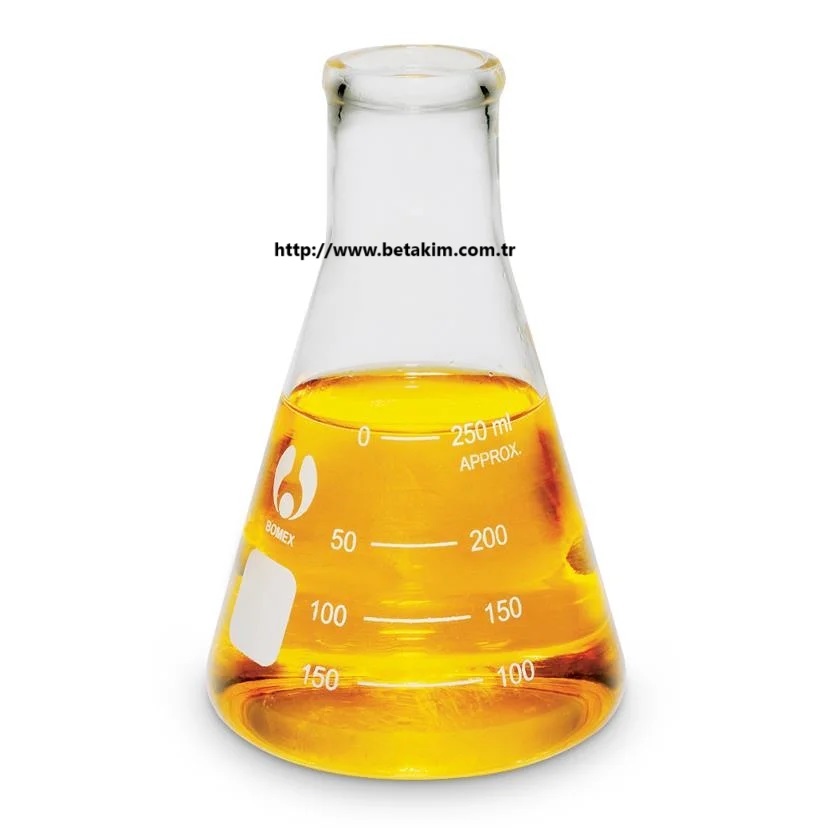
| Appearance | Light yellow to brownish, viscous liquid |
| Odor | Almost odorless |
CHEMICAL STRUCTURE
Alpha-Tocopheryl Acetate
CH₃
|
CH₃COO—C₆H₂—(CH₂)₃—CH—(CH₂)₃—CH—(CH₂)₃—CH—CH₃
| | |
CH₃ CH₃ CH₃
Molecular Formula: C₃₁H₅₂O₃
SMILES: CC1=C(C(=C(C=C1CCC@HCCCC(C)CCCC(C)CCCC(C)C)O)C)C(=O)C
InChIKey: ZAKOWWREFLAJOT-UHFFFAOYSA-N
Structure: Acetate ester of alpha-tocopherol; The acetate group protects the phenolic hydroxyl group, providing stability against oxidation; Hydrolyzed in the body to release active alpha-tocopherol.
SECTION 1: CHEMICAL IDENTITY AND DESCRIPTION
| Parameter | Information |
|---|---|
| Product Name | Alpha-Tocopheryl Acetate |
| Chemical Name | [2,5,7,8-Tetramethyl-2-(4,8,12-trimethyltridecyl)-3,4-dihydro-2H-chromen-6-yl] acetate |
| Synonyms (Turkish) | Tokoferil Asetat, Vitamin E Asetat, Alfa Tokoferol Asetat, E307 |
| Synonyms (English) | Alpha-Tocopheryl Acetate, Tocopheryl Acetate, Vitamin E Acetate, DL-Alpha-Tocopheryl Acetate, Tocopheryl Ethanoate |
| E Number | E307 |
| CAS Numbers | 58-95-7 (natural D-alpha-tocopheryl acetate) |
| 7695-91-2 (synthetic DL-alpha-tocopheryl acetate) | |
| Molecular Formula | C₃₁H₅₂O₃ |
| Molecular Weight | 472.74 g/mol |
| Chemical Class | Fat-soluble vitamin; Tocopherol ester; Antioxidant |
| Source | Natural (vegetable oils) or synthetic |
| Physical State (20°C) | Liquid (viscous) |
| Odor | Almost odorless |
| Color | Light yellow to brownish |
| Taste | Mild, characteristic |
SECTION 2: PHYSICAL AND CHEMICAL PROPERTIES
| Property | Value | Test Method / Note |
|---|---|---|
| Appearance | Light yellow to brownish viscous liquid | Visual |
| Odor | Almost odorless | Olfactometric |
| Molecular Weight | 472.74 g/mol | Calculated |
| Density (20°C) | 0.96 g/mL | ASTM D4052 |
| Melting Point | -28°C | DSC |
| Boiling Point | 224°C (at 0.3 mmHg) | – |
| Flash Point | >230°F (~110°C) | – |
| Refractive Index | ~1.4960 | – |
| Solubility in Water | Practically insoluble | General Method |
| Solubility in Fats/Oils | Freely soluble | General Method |
| Solubility in Acetone | Freely soluble | General Method |
| Solubility in Ethanol | Freely soluble | General Method |
| pH | Neutral | – |
| Stability | More stable than free tocopherol against light, heat, and oxygen; Acetate group prevents oxidation | – |
| Antioxidant Activity | High (after hydrolysis) | – |
| Assay (Alpha-Tocopheryl Acetate) | ≥ 97.0% | HPLC / GC |
| Ash | ≤ 0.1% | Gravimetric |
| Heavy Metals | ≤ 10 ppm | AAS / ICP |
SECTION 3: ALPHA-TOCOPHERYL ACETATE FORMS
| Type | CAS Number | Description | Source | Stability |
|---|---|---|---|---|
| D-alpha-Tocopheryl Acetate | 58-95-7 | Natural form; Acetate ester; High biological activity | Natural (vegetable oils) | High |
| DL-alpha-Tocopheryl Acetate | 7695-91-2 | Synthetic form; Racemic mixture; Lower biological activity | Synthetic | High |
SECTION 4: MECHANISM OF ACTION
| Property | Description |
|---|---|
| Stabilized Antioxidant | The acetate group protects the phenolic hydroxyl group of tocopherol, providing stability against oxidation; Longer shelf life than free tocopherol |
| Activation in the Body | Upon oral intake, hydrolyzed in the intestine or skin to release active alpha-tocopherol |
| Free Radical Scavenger | After hydrolysis, free tocopherol neutralizes free radicals; Breaks lipid peroxidation chain reaction |
| Skin Protection | Neutralizes free radicals in the skin; Protects against UV damage; Improves skin moisture and texture |
| Anti-inflammatory | Reduces inflammation in the skin; Soothes irritated skin |
SECTION 5: PRODUCTION PROCESS
Method 1: Esterification (from Natural or Synthetic Alpha-Tocopherol)
Reaction: Alpha-Tocopherol + Acetic Anhydride → Alpha-Tocopheryl Acetate + Acetic Acid
Description: Natural (extracted from vegetable oils) or synthetic alpha-tocopherol is esterified with acetic anhydride; The phenolic hydroxyl group is acetylated; Purified by vacuum distillation.
Method 2: Natural Extraction and Esterification
Process: Vegetable oils (soybean, sunflower) → Extraction → Purification → Esterification → D-alpha-tocopheryl acetate
Description: Tocopherols are extracted from non-GMO soybean or sunflower oil; Purified by molecular distillation; Esterified to acetate form.
Method 3: Synthetic Synthesis
Process: Trimethylhydroquinone (TMHQ) + Isophytol → DL-alpha-tocopherol → Esterification → DL-alpha-tocopheryl acetate
Description: TMHQ and isophytol are condensed to form DL-alpha-tocopherol; Acetylation yields DL-alpha-tocopheryl acetate.
SECTION 6: FUNCTIONAL PROPERTIES
| Property | Description |
|---|---|
| Antioxidant (Food) | Prevents oxidation of fats and oils; Extends shelf life; Prevents rancidity |
| Skin Care | Protects against free radicals; Increases skin moisture; Improves skin texture; Reduces appearance of wrinkles; Protects against UV damage |
| Nutritional Supplement | Stable source of vitamin E; Converts to active tocopherol in the body |
| Cosmetic Preservative | Prevents oxidation of cosmetic formulations; Extends shelf life |
| Feed Additive | Used as vitamin E source and antioxidant in animal feed |
| Stabilized Form | More stable than free tocopherol; Resistant to light, heat, and air |
SECTION 7: MAIN APPLICATION AREAS
| Industry / Application | Function | Typical Use |
|---|---|---|
| Cosmetics | Antioxidant, skin protector, moisturizer | Creams, lotions, serums, sunscreens, lipsticks, hair care products |
| Food Industry (E307) | Antioxidant, preservative | Vegetable oils, margarine, fats, processed foods |
| Dietary Supplements | Vitamin source | Vitamin E supplements; Multivitamin formulations |
| Pharmaceutical | Antioxidant, stabilizer | Drug formulations; Vitamin supplements |
| Animal Feed | Vitamin source, antioxidant | Poultry, swine, cattle feed; Pet food |
| Baby Food | Vitamin source | Infant formulas; Baby foods; Pediatric nutrition |
SECTION 8: SAMPLE FORMULATIONS
Cosmetic Cream (100 g):
| Component | Amount |
|---|---|
| Alpha-Tocopheryl Acetate | 0.5 – 2.0 g |
| Emulsifiers | As required |
| Carrier Oils | As required |
| Water | To 100 g |
| Preservatives | As required |
Instructions: Dissolve alpha-tocopheryl acetate in oil phase; Emulsify with water phase; Cool with mixing; Add preservatives.
Vitamin E Supplement (Capsule, 400 IU):
| Component | Amount |
|---|---|
| Alpha-Tocopheryl Acetate | 400 IU |
| Vegetable Oil (Carrier) | As required |
| Gelatin Capsule | 1 capsule |
Instructions: Fill capsule with alpha-tocopheryl acetate and carrier oil; Seal; Standard packaging.
SECTION 9: QUALITY SPECIFICATIONS
| Parameter | Food / Cosmetic Grade | Pharmaceutical Grade | Test Method |
|---|---|---|---|
| Appearance | Light yellow to brownish liquid | Light yellow to brownish liquid | Visual |
| Assay (Alpha-Tocopheryl Acetate) | ≥ 97.0% | ≥ 98.0% | HPLC / GC |
| Density (20°C) | 0.96 g/mL | 0.96 g/mL | ASTM D4052 |
| Refractive Index | ~1.4960 | ~1.4960 | – |
| Acid Value | ≤ 1.0 mg KOH/g | ≤ 0.5 mg KOH/g | Titrimetric |
| Ash | ≤ 0.1% | ≤ 0.1% | Gravimetric |
| Heavy Metals (as Pb) | ≤ 10 ppm | ≤ 5 ppm | AAS / ICP |
SECTION 10: TOXICOLOGICAL PROFILE
| Parameter | Value |
|---|---|
| Acute Oral Toxicity (LD50) | Low toxicity |
| Skin Irritation | Generally non-irritating; Rare allergic contact dermatitis |
| Eye Irritation | Mild irritation |
| Chronic Toxicity | Non-toxic; FDA GRAS; Food additive E307 |
| Carcinogenicity | Not classified as carcinogenic |
| Mutagenicity | Not mutagenic |
| Reproductive Toxicity | No reproductive toxicity at normal levels |
| Allergenicity | Rare; Allergic contact dermatitis reported |
| Acceptable Daily Intake | 0.15 – 2.0 mg/kg body weight (E307-E309 total) |
| Upper Limit (Adult) | 1,000 mg/day |
| Special Toxicity Note | Generally safe; High doses (>1,000 mg/day) may increase bleeding risk; Caution with warfarin/coumarin users; May cause nausea, diarrhea, fatigue, headache |
SECTION 11: GHS CLASSIFICATION AND LABELING
GHS Classification (in accordance with CLP and UN GHS):
| Hazard Class | Category | H-Statement |
|---|---|---|
| Not classified as hazardous | – | – |
SIGNAL WORD: NONE (not classified as hazardous)
Hazard Pictograms: NONE
NFPA 704 Hazard Classification:
| Health | Flammability | Reactivity | Special |
|---|---|---|---|
| 1 | 1 | 0 | - |
| (Slight health hazard) | (Combustible) | (Stable) | (None) |
SECTION 12: STORAGE AND SHELF LIFE
| Parameter | Information |
|---|---|
| Storage Conditions | Store in a cool, dry, well-ventilated area; PROTECT FROM LIGHT and HEAT; Keep away from direct sunlight and high temperatures; Store under inert gas (nitrogen) if possible. |
| Container Requirements | Tightly closed, light-proof containers (amber glass, aluminum, stainless steel). |
| Materials to Protect From | Light, heat, oxygen, strong oxidizing agents |
| Shelf Life | 24 – 36 months (in unopened original packaging) |
| Stability Note | More stable than free tocopherol; Sensitive to light and air; Keep container tightly closed |
| Special Storage Requirements | Store in a dark, cool, dry place; Opened containers must be flushed with nitrogen and resealed immediately |
SECTION 13: SUMMARY TABLE
| Parameter | D-alpha-Tocopheryl Acetate (Natural) | DL-alpha-Tocopheryl Acetate (Synthetic) |
|---|---|---|
| CAS Number | 58-95-7 | 7695-91-2 |
| Source | Natural (vegetable oils) | Synthetic |
| Biological Activity | High | Lower |
| E Number | E307 | E307 |
| Primary Use | Supplements, cosmetics, food | Cosmetics, food, industrial |
| Cost | Higher | Lower |
LEGAL DISCLAIMER:
The information provided in this document is based on our current knowledge and experience and is presented in good faith. However, as all conditions of use are beyond our control, it does not constitute a binding specification or warranty. This Technical Data Sheet is for informational purposes only. Users are responsible for testing the suitability for their own applications. For complete safety, storage, use, handling, waste, and regulatory compliance information, please refer to the official Safety Data Sheet (SDS/MSDS) provided by the manufacturer/supplier.