We unleash your business potential by maximize the business innovation.
Send EmailHydrated Magnesium Silicate, Meerschaum, Sepiolite Clay, Sepiolite, Lületaşı, 63800-37-3
SEPIOLITE (MEERSCHAUM)
1. Chemical Identity and Material Classification
-
Chemical Name: Sepiolite, Hydrated Magnesium Silicate, Meerschaum
-
Synonyms: Sepiolite Clay, Meerschaum (German: "sea foam"), Lületaşı (Turkish), Palygorskite-Sepiolite Group Mineral
-
CAS Number: 63800-37-3
-
Molecular Formula: Mg₄Si₆O₁₅(OH)₂·6H₂O
-
Molecular Weight: 647.83 g/mol
-
EC Number: 264-465-3
-
UNII Code: Y7P6EAZ56Y
2. Physical Properties
2.1 General Physical Properties
| Property | Value |
|---|---|
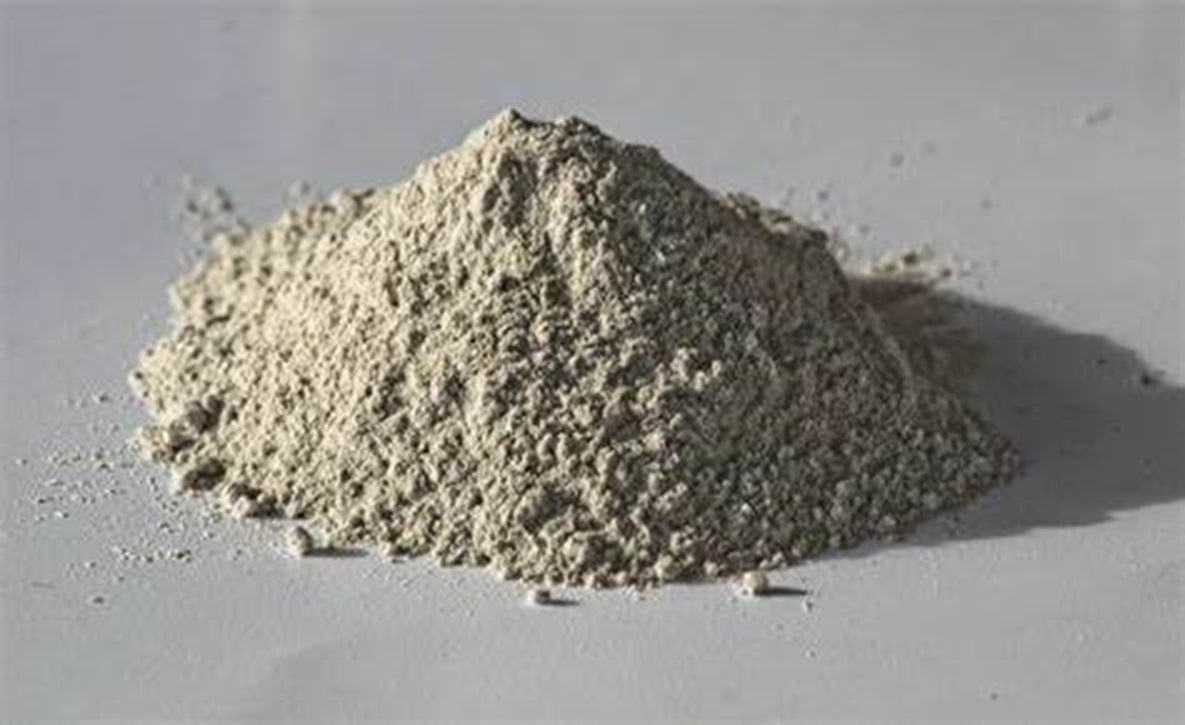
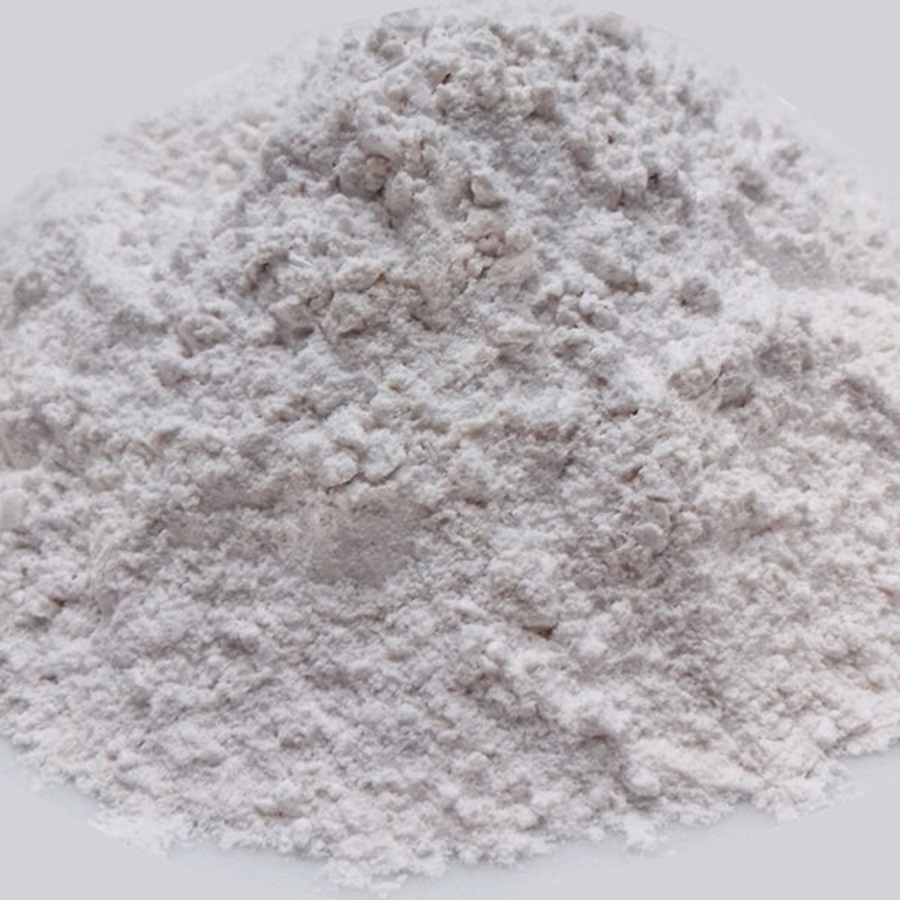
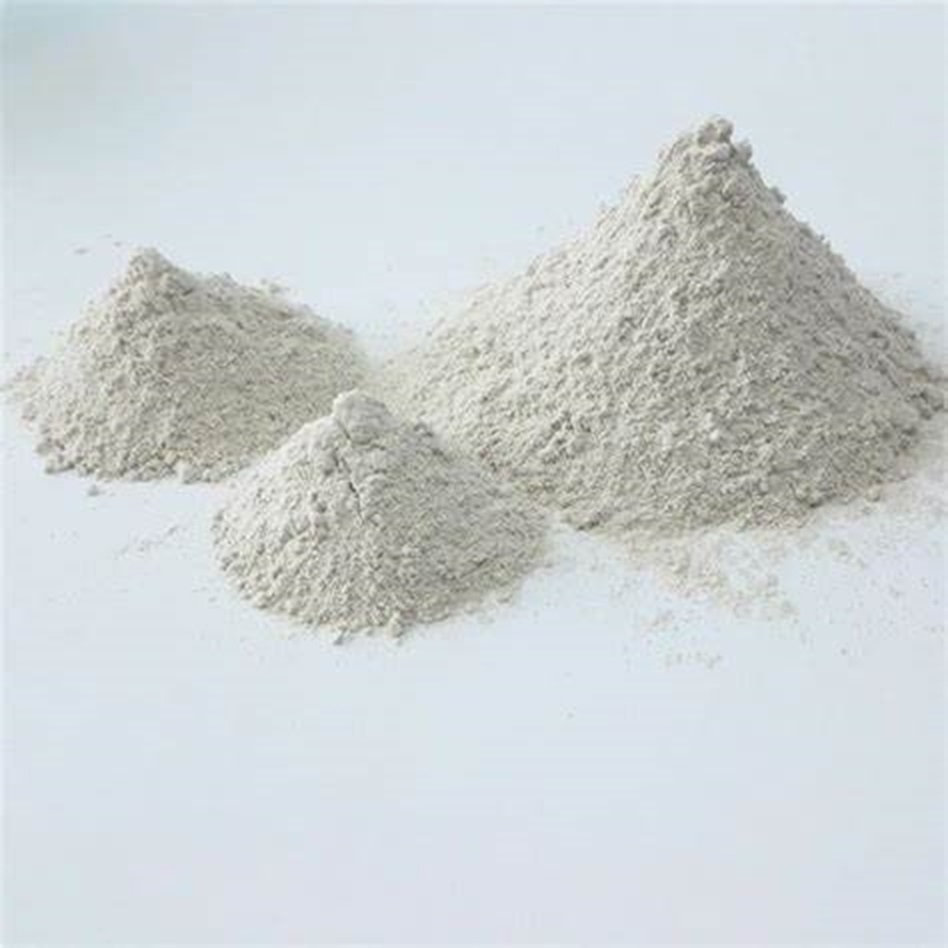
| Appearance | White, grey, yellow, cream, pink, brown to blackish powder or massive blocks |
| Crystal structure | Fibrous, needle-like crystal morphology |
| Odor | Odorless |
| Apparent density | 2.0–2.3 g/cm³ |
| Bulk density (tapped) | 0.99–1.28 g/cm³ (can be <1 g/cm³ for porous types) |
| Mohs hardness | 2.0–2.5 (very soft – can be scratched with fingernail) |
| Melting point | 1400–1450°C |
| Drying temperature | ~40°C |
| Refractive index | ~1.50 |
| Specific surface area (BET) | High (due to micro and mesoporous structure; typical 200–400 m²/g) |
2.2 Why Sepiolite Floats on Water
Due to its very low bulk density (often <1 g/cm³), sepiolite is lighter than water, allowing it to float on the surface—a property that gave it the name "sea foam" (Meerschaum).
3. Crystal Structure and Pore Characteristics
3.1 Crystallographic Parameters
| Parameter | Value |
|---|---|
| Crystal system | Monoclinic |
| Optical sign | Biaxial negative |
| Fiber length (typical) | 100 Å – 5 μm (3–5 μm common) |
| Fiber width | 100–300 Å |
| Fiber thickness | 50–100 Å |
| Channel cross-section | 3.6 × 10.6 Å |
3.2 Pore Size Distribution
| Pore Type | Diameter |
|---|---|
| Micropores | ~15 Å |
| Mesopores | 15–45 Å |
4. Chemical Composition
4.1 Theoretical Composition
| Component | Theoretical Ratio (%) |
|---|---|
| SiO₂ | 55.60 |
| MgO | 24.99 |
| SiO₂ (anhydrous basis) | 61.70 |
| MgO (anhydrous basis) | 27.60 |
4.2 Typical Industrial Grade Composition
| Component | Content (%) |
|---|---|
| SiO₂ (silica) | 53.90 ± 1.9 |
| MgO (magnesium oxide) | 21–25 |
| Al₂O₃ (alumina) | 0.5–2.0 |
| Fe₂O₃ (iron oxide) | 0.2–1.5 |
| CaO (calcium oxide) | 0.5–2.0 |
| Loss on ignition (LOI) | 10–15 |
4.3 Semi-Cell Formula
Si₁₂Mg₈O₃₀(OH)₆(OH₂)₄·8H₂O
5. Water Types and Adsorption Properties
Sepiolite contains four distinct types of water in its structure:
| Water Type | Description |
|---|---|
| Hygroscopic water (crude moisture) | Physically adsorbed water on the sepiolite surface |
| Zeolitic water | Water molecules located in structural channels, hydrogen-bonded |
| Bound water (crystalline water) | Coordinated water at the edge Mg sites of the octahedral sheet |
| Hydroxyl water (constitutional water) | OH groups within the Mg coordination sphere |
6. Physicochemical Properties
6.1 Rheological Performance (Drilling Fluids)
Sepiolite's needle-like fiber morphology creates viscosity through mechanical entanglement. Unlike bentonite, this property is retained at high salinity and temperature.
| Parameter | Sepiolite (at 150°C) | Bentonite (at 150°C) |
|---|---|---|
| Yield point (YP) | 19 lb/100ft² (increases from 14 at 25°C) | Drops from 12 to 2 lb/100ft² |
| Plastic viscosity (PV) | Stable | Decreases significantly |
6.2 Thermal Stability (Polymer Nanocomposites)
| Parameter | Neat Polystyrene | +4% Sepiolite |
|---|---|---|
| Residue at 450°C | 5.8% | 30.2% |
6.3 Mechanical Reinforcement (Polystyrene Nanocomposite)
| Parameter | Neat Polystyrene | +4% Sepiolite |
|---|---|---|
| Young's modulus | Reference | +25% |
| Tensile strength | Reference | +15% |
6.4 Heavy Metal Adsorption
| Parameter | Performance Ranking |
|---|---|
| Cr(VI) adsorption potential | Sepiolite > Attapulgite > Montmorillonite |
| Pb²⁺ adsorption capacity | 50–150 mg/g (depending on pH and conditions) |
| Cd²⁺ adsorption capacity | 30–80 mg/g |
7. Mineralogical and Crystallographic Characteristics
7.1 Structural Classification
Sepiolite belongs to the phyllosilicate (layer silicate) group but exhibits an amphibole-type double-chain structure, resulting in fibrous morphology. This distinguishes it from layer lattice-type minerals (e.g., montmorillonite).
7.2 Occurrence and Deposits
| Country | Regions |
|---|---|
| Turkey | Eskişehir (Sivrihisar, Yunusemre, Mihalıççık), Konya-Yunak, Çanakkale, Bursa, Kütahya, Isparta |
| Spain | Madrid Basin, Toledo, Segovia |
| Morocco | Marrakech region |
| USA | New Mexico, Pennsylvania |
| China | Multiple provinces |
| Madagascar | Throughout the country |
7.3 Types of Sepiolite
| Type | Characteristics | Locations |
|---|---|---|
| α-sepiolite (Meerschaum) | Massive, suitable for carving ornaments and pipes | Eskişehir, Konya-Yunak |
| β-sepiolite (Industrial sepiolite) | Layered, sedimentary, not suitable for carving | Eskişehir-Sivrihisar, Yunusemre |
8. Industrial Applications
8.1 Oil & Gas Drilling Fluids
| Parameter | Value |
|---|---|
| Application | Rheology modifier for deep, geothermal, and offshore drilling |
| Advantage | Stable at high salinity (>150°C) and temperature |
| Temperature range | Effective up to 150°C |
| Salinity tolerance | Stable at all salinity levels (unlike bentonite) |
| Typical dosage | 5–20 kg/m³ |
| Standard compliance | API 13A (Section 22) |
8.2 Polymer Nanocomposites
| Parameter | Value |
|---|---|
| Application | Reinforcing filler and flame retardant in thermoplastics |
| Typical loading | 2–5% by weight |
| Compatible polymers | Polystyrene (PS), polylactic acid (PLA), polypropylene (PP), PVC, epoxy resins |
| Benefits | Increased modulus, improved thermal stability, reduced flammability |
8.3 Environmental and Wastewater Treatment
| Parameter | Value |
|---|---|
| Application | Heavy metal adsorption (Cr, Pb, Cd, Cu, Zn, Ni), wastewater purification |
| Cr(VI) removal efficiency | Superior to other clays (up to 95% at optimal conditions) |
| Adsorption mechanism | Surface complexation + ion exchange |
| Typical dosage | 1–10 g/L |
8.4 Cat Litter and Pet Products
| Parameter | Value |
|---|---|
| Application | Liquid absorption, odor control |
| Absorption capacity | High (up to 200% by weight) |
| Advantages | Natural, low dust, biodegradable, lightweight |
| Form | Granules: 0.5–6 mm |
8.5 Agriculture
| Parameter | Value |
|---|---|
| Application | Soil conditioner, water retention aid, mycotoxin binder |
| Benefits | Increases water holding capacity, reduces nutrient leaching, binds aflatoxins |
| Application rate | 100–500 kg/hectare |
| CEC improvement | Increases soil cation exchange capacity |
8.6 Paints and Coatings
| Parameter | Value |
|---|---|
| Application | Rheology modifier (thickener), anti-sag agent |
| Typical concentration | 0.5–3% by weight |
| Advantages | Stable at high temperature and salinity, shear-thinning behavior |
| Applications | Water-based paints, textured coatings, industrial coatings |
8.7 Meerschaum (Art and Craft)
| Parameter | Value |
|---|---|
| Application | Smoking pipes, sculptures, figurines, jewelry, ornamental carvings |
| Properties | Soft when wet (easily carved), hardens when dry, heat-resistant, lightweight |
| History | Produced in Eskişehir since Ottoman times |
| Processing | Wet carving → drying → polishing → waxing |
8.8 Other Applications
| Sector | Application |
|---|---|
| Construction | Lightweight insulation materials, mortar additive (1–10%) |
| Ceramics | Ceramic body additive, opacifier (2–10%) |
| Paper | Paper filler, print quality enhancer (5–20%) |
| Plastics | Reinforcing filler, flame retardant (2–10%) |
| Cosmetics | Face masks, exfoliants, thickener (5–30%) |
| Food & Beverage | Clarifying agent for wine and fruit juices (anti-caking agent) |
| Detergents | Anti-redeposition agent, carrier |
| Rubber | Reinforcing filler |
9. Comparison with Bentonite (Drilling Fluids)
| Property | Sepiolite | Bentonite |
|---|---|---|
| Viscosity mechanism | Fiber entanglement (mechanical) | Layer hydration (osmotic) |
| High-temperature performance (150°C) | Excellent (YP increases) | Poor (YP drops, flocculates) |
| High salinity tolerance | Excellent (stable in seawater) | Poor (osmotic collapse) |
| pH range | Wide (4–11) | Narrow (8–10) |
| Geothermal drilling | Suitable | Not suitable |
| Deep well (HTHP) | Suitable | Not suitable |
| Yield (bbl/ton) | 60–80 | 90–120 |
| Cost | Higher | Lower |
10. Safety and Toxicology
| Parameter | Value |
|---|---|
| Signal word | None (not classified as hazardous) |
| Hazard statements | None |
| Risk codes | None |
| Oral LD₅₀ (rat) | >5,000 mg/kg (low toxicity) |
| Skin irritation | Non-irritant (dust may cause mechanical abrasion) |
| Eye irritation | Mild irritant (dust) |
| Inhalation | Dust may cause mechanical respiratory irritation |
| Skin sensitization | Non-sensitizer |
| Mutagenicity | Negative |
| Carcinogenicity | Not classified (natural mineral; no crystalline silica hazard when properly processed) |
| Transport classification | NON (not dangerous goods for all transport modes) |
10.1 Special Note – Crystalline Silica
-
Warning: Some natural sepiolite deposits may contain trace crystalline silica (quartz) as an impurity (<1–3%). Prolonged inhalation of respirable crystalline silica can cause silicosis.
-
Mitigation: Use low-silica grades for dust-generating applications. Implement dust control measures (LEV, wet processing).
11. Safety Precautions and Personal Protective Equipment (PPE)
-
Hazards:
-
Low acute toxicity
-
Dust may cause mechanical irritation to eyes and respiratory tract
-
Natural mineral – lower risk than synthetic chemicals
-
May contain trace crystalline silica
-
-
PPE (recommended):
-
Dust mask (FFP1 or N95) – for powder handling
-
Safety glasses with side shields (EN 166)
-
Protective gloves (nitrile – optional)
-
Protective clothing (dust protection)
-
-
Engineering controls:
-
Local exhaust ventilation (LEV) for powder handling
-
Dust collection systems (baghouse)
-
Eyewash stations
-
-
First aid:
-
Inhalation: Move to fresh air
-
Skin contact: Wash with soap and water
-
Eye contact: Rinse with water for 15 minutes
-
Ingestion: Rinse mouth; drink water (low hazard)
-
12. Environmental Fate and Disposal
| Parameter | Value |
|---|---|
| Biodegradation | Not applicable (inorganic mineral) |
| Aquatic ecotoxicity | Low (natural clay mineral; LC₅₀ >1,000 mg/L) |
| Environmental persistence | Stable, inert (does not degrade) |
| Mobility in soil | Low (particulate, settles) |
| Disposal method | Landfill (non-hazardous waste) – material is inert |
13. Storage and Shelf Life
-
Storage conditions:
-
Cool, dry, well-ventilated area (10–30°C)
-
Keep tightly closed in original packaging (hygroscopic)
-
Protect from moisture (prevents caking and maintains adsorption capacity)
-
-
Shelf life:
-
Sealed container (dry): 60 months (indefinite if kept dry)
-
Opened container: 12–24 months (if properly resealed, kept dry)
-
-
Degradation indicators:
-
Caking/hardening (moisture absorption)
-
Color change (impurity oxidation – minor)
-
14. Transport Information
| Regulation | Classification |
|---|---|
| UN Number | Not regulated |
| ADR/RID | Not dangerous goods |
| IATA | Not dangerous goods |
| IMDG | Not regulated |
| Proper shipping name | Sepiolite mineral (non-hazardous) |
| Marine pollutant | No |
15. Synonyms and Common Names
-
Turkish: Sepiyolit, Lületaşı, Deniz köpüğü, Tilletaşı, Tabakalı sepiyolit
-
English: Sepiolite, Meerschaum, Hydrated Magnesium Silicate, Sepiolite Clay, Sea Foam
-
German: Sepiolit, Meerschaum
-
French: Séiolite
-
Spanish: Sepiolita
-
Italian: Sepiolite
-
Arabic: سبيوليت
16. Standards Compliance
| Standard | Compliance |
|---|---|
| API 13A (Section 22) | Drilling fluid grade sepiolite |
| REACH (EC 1907/2006) | Registered |
| TSCA (US) | Listed |
| NSF/ANSI 60 | Certain grades for drinking water treatment |
17. Why Choose Sepiolite? (Technical Summary)
| Advantage | Description |
|---|---|
| High temperature stability (YP increases at 150°C) | Indispensable for deep well and geothermal drilling |
| High salinity tolerance | Stable in seawater and brine formations – bentonite flocculates |
| Unique fibrous morphology | Creates viscosity through mechanical entanglement – no osmotic swelling required |
| High adsorption capacity | Superior to other clays for heavy metals including Cr(VI) |
| Thermal stability (polymers) | Increases 450°C residue from 5.8% to 30.2% at 4% loading |
| Mechanical reinforcement | 25% increase in Young's modulus, 15% increase in tensile strength in polymer nanocomposites |
| Natural and non-toxic | Eco-friendly alternative to synthetic additives |
| Versatile application range | Drilling, environment, polymers, cat litter, meerschaum art, agriculture |
| Abundant in Turkey | High-purity deposits in Eskişehir and Konya regions |
| Lightweight (floats on water) | Lower density than water – unique property for specialized applications |
| Limitation note: | Insoluble in water (forms suspension, but requires mixing for dispersion). Higher cost than bentonite. Dust control required. Poor dispersion in hydrophobic polymers without surface modification. |
18. Quality Specifications
18.1 Drilling Fluid Grade (API 13A – Section 22)
| Parameter | Specification |
|---|---|
| Yield (bbl/ton) | ≥ 60 |
| Plastic viscosity (600 rpm) | ≥ 15 cP |
| Yield point (YP) | ≥ 15 lb/100ft² |
| Sand content | ≤ 2% |
| Moisture | ≤ 12% |
| pH (6% slurry) | 7.0–9.0 |
18.2 Industrial Grade (Powder)
| Parameter | Specification |
|---|---|
| Purity (sepiolite, w/w) | ≥ 85% |
| Moisture | ≤ 10% |
| Particle size (200 mesh) | ≥ 90% passing |
| Brightness (ISO) | ≥ 75% |
| Bulk density | 0.8–1.2 g/cm³ |
| pH (10% slurry) | 8.0–10.0 |
18.3 Meerschaum (Carving) Grade
| Parameter | Specification |
|---|---|
| Purity | ≥ 90% sepiolite |
| Homogeneity | No visible impurities or fractures |
| Workability | Soft when wet, hardens upon drying |
| Color | White to cream (preferred for pipe carving) |
19. Surface Modification (for Polymer Composites)
19.1 Need for Surface Modification
Sepiolite is hydrophilic; most polymers are hydrophobic. For optimal dispersion in polymer matrices, surface modification is recommended.
19.2 Common Surface Treatment Agents
| Agent | Function | Typical Loading |
|---|---|---|
| Organosilanes | Chemical bonding to polymer matrix | 1–5% |
| Quaternary ammonium salts | Hydrophobization | 5–20% |
| Fatty acids (stearic acid) | Hydrophobization | 1–3% |
20. Sectoral Suitability Summary Table
| Sector | Application | Typical Usage | Alternatives |
|---|---|---|---|
| Oil & Gas (Drilling) | Deep well, geothermal, offshore drilling rheology modifier | 5–20 kg/m³ | Bentonite (fails at high T/salinity) |
| Polymer Nanocomposites | Reinforcing filler, flame retardant | 2–5% wt. | Nanoclay (montmorillonite), carbon nanotubes |
| Environmental (Wastewater) | Heavy metal adsorption (Cr, Pb, Cd, Cu, Zn) | 1–10 g/L | Activated carbon, zeolite |
| Pet (Cat Litter) | Liquid absorption, odor control | 100% | Bentonite, silica gel |
| Agriculture | Soil conditioner, mycotoxin binder | 100–500 kg/ha | Zeolite, bentonite |
| Paints & Coatings | Rheology modifier, anti-sag agent | 0.5–3% wt. | Organo-clay, fumed silica |
| Meerschaum (Art) | Smoking pipes, figurines, jewelry, ornaments | Carved blocks | Ceramic, wood |
| Construction | Lightweight insulation, mortar additive | 1–10% | Perlite, vermiculite |
| Paper | Filler, print quality enhancer | 5–20% | Calcium carbonate, kaolin |
| Cosmetics | Face masks, exfoliants, thickener | 5–30% | Kaolin, bentonite |
| Food & Beverage | Clarifying agent (wine, juice), anti-caking | 0.5–5 g/L | Bentonite, gelatin |
| Detergents | Anti-redeposition agent, carrier | 2–10% | Sodium bentonite, CMC |
| Rubber | Reinforcing filler | 5–20% | Carbon black, silica |
| Ceramics | Body additive, opacifier | 2–10% | Kaolin, talc |
This TDS is prepared in compliance with ISO 11014-1 format and is intended for drilling fluid engineers, polymer scientists, environmental engineers, agricultural specialists, artisanal carvers, and procurement professionals. Certificates of Analysis (CoA), Safety Data Sheets (SDS), rheology test reports, and sample validation reports are available upon request.