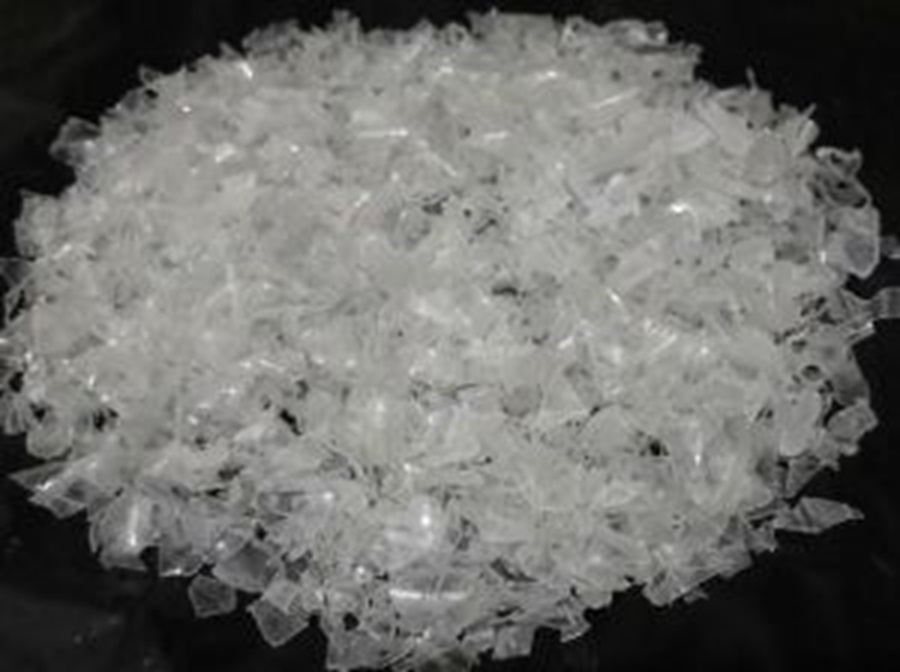
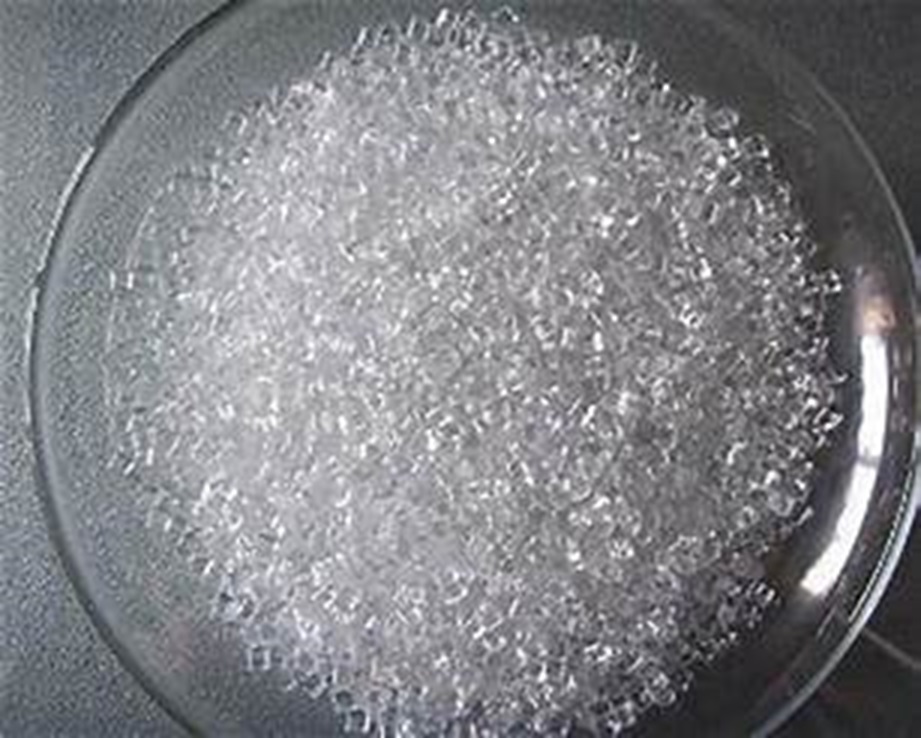
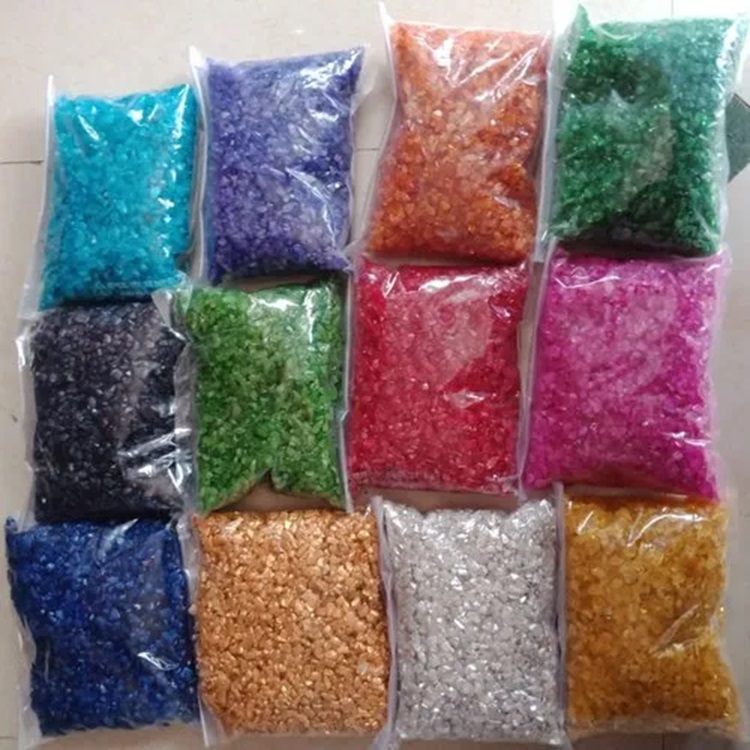
Glass Powder, Glass Frit, Ground Glass, Silica Powder, Glass Granules, Glass Sand, Glass Fibre Powder, 65997-17-3
GLASS POWDER – GLASS POWDER
1. CHEMICAL IDENTITY AND DEFINITION
| Parameter |
Information |
| Chemical Name |
Glass Powder |
| Other Names |
Glass Frit, Glass Flux, Ground Glass, Silica Powder, Glass Granules, Glass Sand, Glass Fibre Powder |
| CAS Number |
65997-17-3 |
| EC Number (EINECS) |
266-046-0 |
| Main Component |
Silicon Dioxide (SiO₂) |
| Appearance |
White or transparent fine powder |
| Odor |
Odorless |
| Physical State (20°C) |
Solid (powder) |
| Chemical Class |
Inorganic oxide (silicate) |
2. WHAT IS GLASS POWDER?
Glass powder is an inorganic material obtained by grinding recycled glass into a fine powder. It typically contains silicon dioxide (SiO₂) as the main component, along with various other oxides. It is a versatile industrial material used for quality enhancement and cost reduction in concrete, plastics, ceramics, insulation, epoxy, adhesives, and abrasives industries.
3. TYPICAL CHEMICAL COMPOSITION
| Component |
Formula |
Percentage (%) |
| Silicon Dioxide |
SiO₂ |
60 – 75 |
| Sodium Oxide |
Na₂O |
10 – 18 |
| Calcium Oxide |
CaO |
5 – 12 |
| Aluminum Oxide |
Al₂O₃ |
1 – 5 |
| Magnesium Oxide |
MgO |
0.5 – 4 |
| Potassium Oxide |
K₂O |
0.5 – 3 |
| Iron Oxide |
Fe₂O₃ |
0.1 – 1 |
| Other Oxides |
- |
< 1 |
4. PHYSICAL PROPERTIES
| Property |
Value |
| Appearance |
White or transparent fine powder |
| Particle Size |
1 – 50 microns (variable) |
| Density |
~2.4 – 2.6 g/cm³ |
| Bulk Density |
~1.0 – 1.5 g/cm³ |
| Melting Point |
~1,000 – 1,400 °C (depending on glass type) |
| Solubility in Water |
Insoluble |
| Solubility in Acids |
Soluble in hydrofluoric acid |
| pH (suspension) |
~7.0 – 9.0 (neutral to slightly alkaline) |
| Mohs Hardness |
~5.5 – 6.5 |
| Color |
White to transparent |
| Refractive Index |
~1.5 |
5. PARTICLE SIZE DISTRIBUTION
| Grade |
Particle Size |
Applications |
| Coarse Powder |
30 – 50 μm |
Concrete and composites |
| Medium Powder |
10 – 30 μm |
Plastics, epoxies, adhesives |
| Fine Powder |
5 – 10 μm |
Ceramics, paints, coatings |
| Micronized Powder |
1 – 5 μm |
High-performance applications |
| Nano Powder |
< 1 μm |
Specialty applications |
6. APPLICATIONS
6.1. Concrete and Construction Materials
| Application |
Description |
| Ultra-High Performance Concrete (UHPC) |
Increases strength and durability |
| Polymer Concrete |
Improves mechanical properties |
| Mortar and Screed |
Increases durability and water resistance |
| Geopolymers |
Additive in alkali-activated binders |
| Asphalt |
Increases wear resistance |
6.2. Plastics and Composites
| Application |
Description |
| Engineering Plastics |
Enhances mechanical properties |
| Thermoplastics |
Improves hardness and wear resistance |
| Thermosets |
Increases heat and chemical resistance |
| Composite Materials |
Filler material |
| Polymer Concrete |
Filler in polymer matrix |
6.3. Epoxy and Adhesives
| Application |
Description |
| Tensile Strength |
Increases tensile strength |
| Peel Strength |
Improves adhesion properties |
| Flexural Strength |
Increases flexibility and toughness |
| Epoxy Coatings |
Enhances abrasion and chemical resistance |
| Structural Adhesives |
High-performance adhesives |
6.4. Ceramics and Paints
| Application |
Description |
| Ceramic Glazes |
Adds brightness and hardness |
| Frit Production |
In ceramic frit formulations |
| Paints |
Filler and matting agent |
| Powder Coatings |
Improves flow and surface quality |
| Protective Coatings |
Abrasion and scratch resistance |
6.5. Insulation and Lightweight Materials
| Application |
Description |
| Foam Glass |
Thermal and sound insulation |
| Lightweight Aggregates |
Lightweight concrete and building materials |
| Thermal Insulation Boards |
Thermal insulation performance |
| Sound Insulation |
Acoustic insulation materials |
6.6. Abrasives and Grinding
| Application |
Description |
| Abrasive Stones |
Grinding and cutting stones |
| Sandblasting |
Surface cleaning and roughening |
| Polishing |
Metal and glass surface polishing |
6.7. Other Applications
| Application |
Description |
| Rubber Industry |
Filler and reinforcing agent |
| Detergents |
Abrasive additive |
| Cosmetics |
Exfoliant and filler |
| Agriculture |
Soil conditioner |
| Water Treatment |
Filtration media |
7. ADVANTAGES OF GLASS POWDER
| Advantage |
Description |
| Recycling |
Produced from waste glass, environmentally friendly |
| Low Cost |
Cost-effective filler material |
| Chemical Resistance |
Resistant to most chemicals |
| Heat Resistance |
Withstands high temperatures |
| Dimensional Stability |
Low thermal expansion |
| Strength Enhancement |
Improves mechanical properties |
| Wear Resistance |
Increases surface hardness and wear resistance |
| Compatibility |
Compatible with various binder systems |
| Fire Resistance |
Non-combustible, provides fire safety |
| Sustainability |
Reduces natural resource consumption |
8. GLASS POWDER BY GLASS TYPE
| Glass Type |
Composition |
Properties |
Applications |
| Soda-Lime Glass |
SiO₂-Na₂O-CaO |
Most common, economical |
Concrete, plastics, fillers |
| Borosilicate Glass |
SiO₂-B₂O₃ |
Heat resistant |
High-temperature applications |
| Aluminosilicate Glass |
SiO₂-Al₂O₃ |
Chemical resistant |
Ceramics, coatings |
| Lead Glass |
SiO₂-PbO |
High refractive index |
Optical applications |
| Recycled Glass |
Mixed |
Low cost |
General use |
9. RECOMMENDED USAGE RATES
| Application |
Recommended Rate (%) |
| Concrete (UHPC) |
10 – 30 |
| Plastics |
5 – 20 |
| Epoxy / Adhesives |
10 – 40 |
| Ceramic Glazes |
5 – 15 |
| Paints and Coatings |
5 – 25 |
| Foam Glass |
30 – 50 |
| Composites |
10 – 40 |
| Rubber |
5 – 30 |
10. SAFETY AND HEALTH INFORMATION
| Parameter |
Information |
| Hazard |
Low toxicity |
| Dust |
Inhalation may cause respiratory irritation |
| Silicosis Risk |
Prolonged exposure (if containing crystalline silica) |
| Skin Contact |
May cause mechanical irritation |
| Eye Contact |
May cause mechanical irritation |
| Ingestion |
Low toxicity |
| Carcinogenicity |
Not classified |
| Mutagenicity |
Negative |
10.1. FIRST AID MEASURES
| Route of Exposure |
Action |
| Inhalation |
Remove to fresh air. If respiratory irritation persists, seek medical attention. |
| Skin Contact |
Wash with plenty of soap and water. |
| Eye Contact |
Rinse thoroughly with water for at least 15 minutes. Seek medical attention. |
| Ingestion |
Rinse mouth. Drink plenty of water. Seek medical attention. |
11. STORAGE AND HANDLING
| Parameter |
Information |
| Storage Conditions |
Cool, dry, well-ventilated area |
| Container Requirements |
Tightly closed, original packaging |
| Protect From |
Moisture, hydrofluoric acid, strong alkalis |
| Shelf Life |
24-60 months (with proper storage) |
| Dust Precautions |
Prevent dust formation; use respiratory protection |
12. TRANSPORT INFORMATION
| Parameter |
Information |
| UN Number |
Not regulated (not a hazardous material) |
| Hazard Class |
Not applicable |
| Packing Group |
Not applicable |
| ADR/RID |
Not regulated |
| IMDG Code |
Not regulated |
| IATA (Air) |
Not regulated |
| Marine Pollutant |
No |
13. PACKAGING OPTIONS
| Packaging Type |
Quantity |
Material |
| Kraft Bag |
25 kg |
Kraft + PE liner |
| Plastic Bucket |
10-25 kg |
HDPE |
| Big Bag |
500-1000 kg |
Polypropylene |
| Plastic Bag |
5-25 kg |
HDPE/LDPE |
| Aluminum Foil Bag |
1-5 kg |
Laminated aluminum |
14. REGULATORY STATUS
| Region / Authority |
Status |
| European Union (REACH) |
Registered substance |
| USA (EPA TSCA) |
Listed on TSCA inventory |
| Turkey |
Subject to environmental regulations |
| China |
Listed on inventory |
15. OTHER NAMES AND SYNONYMS
| Type |
Name |
| Turkish Names |
Cam Tozu, Cam Granülü, Cam Kumu, Cam Frit, Silika Tozu, Cam Elyaf Tozu, Öğütülmüş Cam |
| English Names |
Glass Powder, Glass Frit, Glass Flux, Ground Glass, Silica Powder |
| CAS Number |
65997-17-3 |
16. SUMMARY AND CRITICAL WARNINGS
Product Summary
| Parameter |
Value |
| Product |
Glass Powder |
| CAS Number |
65997-17-3 |
| Main Component |
SiO₂ (~60-75%) |
| Appearance |
White or transparent fine powder |
| Particle Size |
1 – 50 μm |
| Density |
~2.4 – 2.6 g/cm³ |
| Primary Applications |
Concrete, plastics, epoxy, ceramics, insulation |
CRITICAL WARNINGS
1. Particle Size Selection: Select the appropriate particle size based on application. Coarse powder (30-50 μm) for concrete, fine powder (1-10 μm) for epoxy and paints.
2. Silicosis Risk: Prolonged dust exposure (especially with crystalline silica-containing glass powders) may cause silicosis. Use respiratory protection in dust-generating operations.
3. Water Contact: Insoluble in water but may react in alkaline environments.
4. Hydrofluoric Acid: Glass powder dissolves in hydrofluoric acid. Special precautions required when working with this acid.
5. Storage: Store in a dry environment. Moisture may affect product flowability and performance.
6. Mixing: Adequate mixing time is required to ensure homogeneous distribution of powder.
7. Recycling: Produced from recycled waste glass, environmentally friendly material.
8. Versatile Application: Wide range of applications from concrete to plastics, epoxy to ceramics, insulation to abrasives.
9. Cost Effective: More economical than natural filler materials.
10. Certification: Certification may be required for food, pharmaceutical, or specialty applications.
IMPORTANT DISCLAIMER: This Technical Data Sheet (TDS) is for informational purposes only and is prepared based on available technical data. The user is responsible for determining the suitability of the product for their specific application and for complying with all local, national, and international regulations. For complete safety, storage, use, handling, disposal, and regulatory compliance information, refer to the official Safety Data Sheet (SDS/MSDS) provided by the manufacturer/supplier. This document is not a substitute for professional or medical advice.