Lead Oxide, Lead Monoxide, Lead Dioxide, Lead Tetroxide, Plumbous Oxide, 1317-36-8, 1314-41-6, 1309-60-0
LEAD OXIDE – LEAD OXIDE
1. GENERAL OVERVIEW
Lead oxide refers to a group of inorganic compounds containing lead (Pb) and oxygen (O). Different types of lead oxides exist, each with unique properties and applications. The most common types are:
| Type |
Formula |
CAS Number |
Common Names |
| Lead(II) Oxide |
PbO |
1317-36-8 |
Litharge (red), Massicot (yellow) |
| Lead(II,IV) Oxide |
Pb₃O₄ |
1314-41-6 |
Red Lead, Minium, Pigment Red 105 |
| Lead(IV) Oxide |
PbO₂ |
1309-60-0 |
Lead Dioxide, Lead Peroxide |
2. LEAD(II) OXIDE – LEAD(II) OXIDE (PbO)
2.1. CHEMICAL IDENTITY
| Parameter |
Information |
| Chemical Name (IUPAC) |
Lead(II) Oxide |
| Other Names |
Lead Monoxide, Litharge, Massicot, Plumbous Oxide |
| Chemical Formula |
PbO |
| Molecular Weight |
223.20 g/mol |
| CAS Number |
1317-36-8 |
| EC Number (EINECS) |
215-267-0 |
| Appearance |
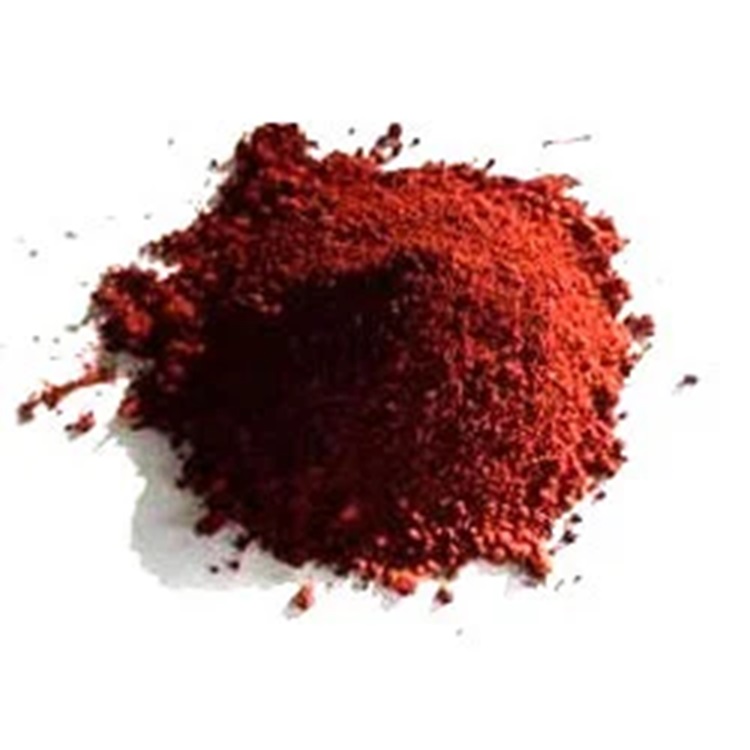
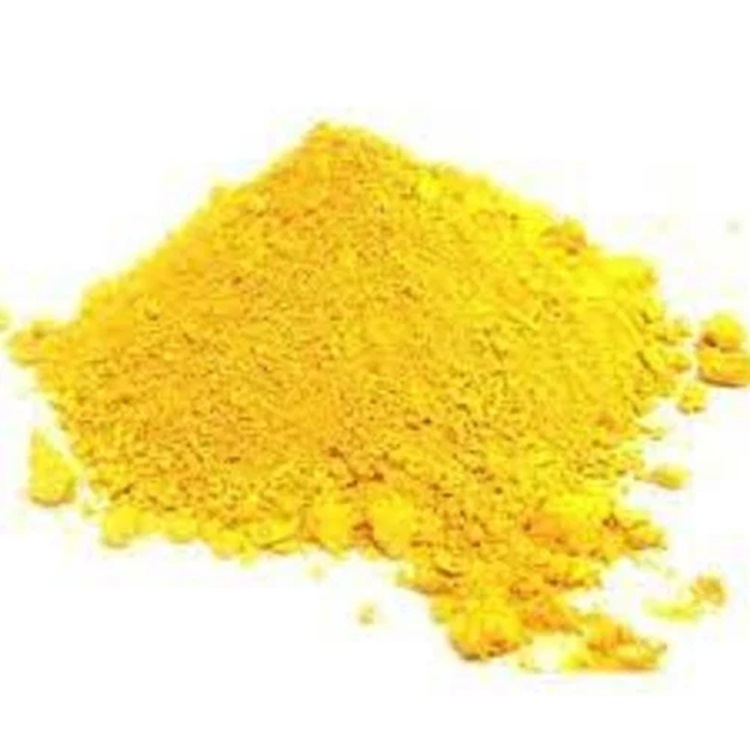
Yellow (Massicot) or red (Litharge) powder/crystals |
| Odor |
Odorless |
| Physical State (20°C) |
Solid (powder/crystalline) |
2.2. PHYSICAL PROPERTIES
| Property |
Value |
| Appearance |
Yellow or red powder/crystals |
| Density |
~9.53 g/cm³ |
| Melting Point |
~886 °C |
| Boiling Point |
~1,470 °C |
| Solubility in Water |
Insoluble |
| Solubility in Acids |
Soluble (forms lead salts) |
| Solubility in Alkalis |
Soluble |
| Refractive Index |
~2.67 (high) |
| Crystal Structure |
Tetragonal (Litharge) / Orthorhombic (Massicot) |
2.3. CHEMICAL PROPERTIES
| Property |
Information |
| Chemical Formula |
PbO |
| Molecular Weight |
223.20 g/mol |
| CAS Number |
1317-36-8 |
| Lead Content |
~92.8% |
| Oxygen Content |
~7.2% |
| Polymorphism |
Two crystalline forms: Litharge (red, tetragonal), Massicot (yellow, orthorhombic) |
| Reactivity |
Reacts with acids to form lead salts |
| Stability |
Stable in air; toxic |
| Redox Behavior |
Can be reduced to metallic lead |
2.4. APPLICATIONS
| Application |
Description |
| Lead-Acid Batteries |
Primary raw material in battery production |
| Glass Industry |
Additive in specialty glasses (optical glass, crystal glass) |
| Ceramics |
Glaze formulations and ceramic coatings |
| Pigments |
Yellow pigment in coatings and ceramics |
| Metallurgy |
Flux agent in metal refining |
| Electronics |
Semiconductor and radiation shielding materials |
| Rubber Industry |
Vulcanization accelerator |
| Drying Agents |
Drier in paints and varnishes |
2.5. OTHER NAMES
| Type |
Name |
| Turkish Names |
Kurşun Monoksit, Kurşun(II) Oksit, Litarj, Massikot |
| English Names |
Lead Monoxide, Lead(II) Oxide, Litharge, Massicot |
| Chemical Names |
Plumbous Oxide, Lead Oxide |
| CAS Number |
1317-36-8 |
3. LEAD(II,IV) OXIDE – LEAD(II,IV) OXIDE (Pb₃O₄)
3.1. CHEMICAL IDENTITY
| Parameter |
Information |
| Chemical Name (IUPAC) |
Lead(II,IV) Oxide |
| Other Names |
Red Lead, Minium, Pigment Red 105, C.I. 77580, Lead Tetroxide, Lead Orthoplumbate |
| Chemical Formula |
Pb₃O₄ |
| Molecular Weight |
685.6 g/mol |
| CAS Number |
1314-41-6 |
| EC Number (EINECS) |
215-235-6 |
| Appearance |
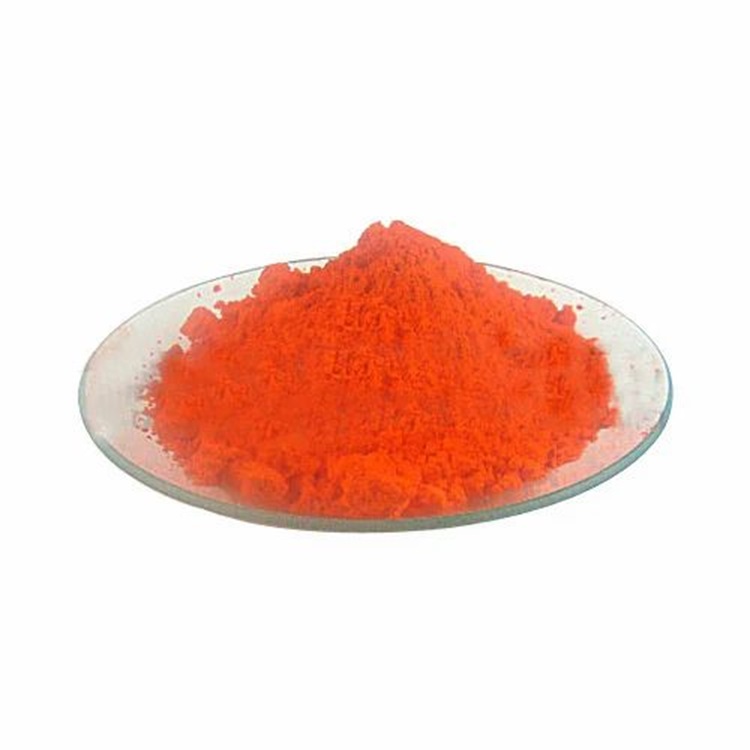
Red-orange crystalline pigment powder |
| Odor |
Odorless |
| Physical State (20°C) |
Solid (powder) |
3.2. PHYSICAL PROPERTIES
| Property |
Value |
| Appearance |
Red-orange crystalline powder |
| Density |
~8.9 g/cm³ |
| Melting Point |
~830 °C (decomposes) |
| Solubility in Water |
Insoluble |
| Solubility in Acids |
Soluble (forms lead salts) |
| Color |
Bright red-orange |
| Particle Size |
Variable (pigment grade) |
| Refractive Index |
~2.42 |
3.3. CHEMICAL PROPERTIES
| Property |
Information |
| Chemical Formula |
Pb₃O₄ |
| Molecular Weight |
685.6 g/mol |
| CAS Number |
1314-41-6 |
| Lead Content |
~90.7% |
| Oxygen Content |
~9.3% |
| Structure |
Mixed valence oxide (2 Pb²⁺ + Pb⁴⁺) |
| Decomposition |
Pb₃O₄ → 3PbO + O₂ (at > 830°C) |
| Stability |
Stable in air; toxic |
| Color Index |
Pigment Red 105 (C.I. 77580) |
3.4. APPLICATIONS
| Application |
Description |
| Anticorrosive Paints |
Red lead primer for steel structures |
| Pigments |
Red-orange pigment in paints and coatings |
| Ceramics |
Ceramic glazes and colorants |
| Glass Industry |
Lead glass and crystal production |
| Batteries |
Additive in lead-acid battery pastes |
| Metal Protection |
Rust-inhibitive coatings |
| Fuse Elements |
Component in specialty fuses |
3.5. OTHER NAMES
| Type |
Name |
| Turkish Names |
Kırmızı Kurşun, Minyum, Sülyen, Kurşun Tetroksit |
| English Names |
Red Lead, Minium, Lead Tetroxide, Lead Orthoplumbate |
| Trade Names |
Pigment Red 105, C.I. 77580 |
| CAS Number |
1314-41-6 |
4. LEAD(IV) OXIDE – LEAD(IV) OXIDE (PbO₂)
4.1. CHEMICAL IDENTITY
| Parameter |
Information |
| Chemical Name (IUPAC) |
Lead(IV) Oxide |
| Other Names |
Lead Dioxide, Lead Peroxide, Plumbic Oxide |
| Chemical Formula |
PbO₂ |
| Molecular Weight |
239.20 g/mol |
| CAS Number |
1309-60-0 |
| EC Number (EINECS) |
215-174-5 |
| Appearance |
Dark brown to black powder |
| Odor |
Odorless |
| Physical State (20°C) |
Solid (powder) |
4.2. PHYSICAL PROPERTIES
| Property |
Value |
| Appearance |
Dark brown to black powder |
| Density |
~9.38 g/cm³ |
| Melting Point |
Decomposes |
| Solubility in Water |
Insoluble |
| Solubility in Acids |
Soluble (forms lead salts) |
| Color |
Dark brown / black |
| Crystal Structure |
Tetragonal (rutile type) |
4.3. CHEMICAL PROPERTIES
| Property |
Information |
| Chemical Formula |
PbO₂ |
| Molecular Weight |
239.20 g/mol |
| CAS Number |
1309-60-0 |
| Lead Content |
~86.6% |
| Oxygen Content |
~13.4% |
| Oxidation State |
Pb⁴⁺ |
| Oxidizing Properties |
Strong oxidizing agent |
| Decomposition |
PbO₂ → PbO + O₂ (upon heating) |
| Stability |
Stable; strong oxidizer |
4.4. APPLICATIONS
| Application |
Description |
| Lead-Acid Batteries |
Positive electrode material (active mass) |
| Oxidation Catalyst |
Catalyst in oxidation reactions |
| Electrolytic Production |
Electrode material |
| Pyrotechnics |
Oxidizer in pyrotechnic compositions |
| Analytical Chemistry |
Reagent in laboratory analyses |
| Match Industry |
Component in match heads |
4.5. OTHER NAMES
| Type |
Name |
| Turkish Names |
Kurşun Dioksit, Kurşun Peroksit |
| English Names |
Lead Dioxide, Lead Peroxide, Plumbic Oxide |
| CAS Number |
1309-60-0 |
5. COMPARISON TABLE
| Property |
Lead(II) Oxide (PbO) |
Lead(II,IV) Oxide (Pb₃O₄) |
Lead(IV) Oxide (PbO₂) |
| Formula |
PbO |
Pb₃O₄ |
PbO₂ |
| CAS Number |
1317-36-8 |
1314-41-6 |
1309-60-0 |
| Molecular Weight |
223.20 g/mol |
685.6 g/mol |
239.20 g/mol |
| Appearance |
Yellow/Red powder |
Red-orange powder |
Dark brown/black powder |
| Density |
9.53 g/cm³ |
8.9 g/cm³ |
9.38 g/cm³ |
| Melting Point |
886 °C |
830 °C (decomposes) |
Decomposes |
| Lead Content |
~92.8% |
~90.7% |
~86.6% |
| Oxidation State |
Pb²⁺ |
Pb²⁺ + Pb⁴⁺ |
Pb⁴⁺ |
| Primary Use |
Batteries, glass, ceramics |
Pigments, paints |
Batteries, oxidizer |
| Common Names |
Litharge, Massicot |
Red Lead, Minium |
Lead Dioxide |
| CAS |
1317-36-8 |
1314-41-6 |
1309-60-0 |
6. SAFETY AND HEALTH INFORMATION (All Types)
| Parameter |
Information |
| Toxicity |
Highly toxic; lead poisoning |
| Oral LD50 (Rat) |
~400 – 500 mg/kg (PbO) |
| Carcinogenicity |
Suspected (IARC Group 2A) |
| Mutagenicity |
Positive |
| Reproductive Toxicity |
Positive |
| Target Organs |
Blood, kidneys, nervous system, reproductive system |
| Accumulation |
Accumulates in bones and soft tissues |
6.1. GHS CLASSIFICATION (for PbO)
| Hazard Category |
Category |
Description |
| Acute Toxicity |
Category 4 |
H302 (Harmful if swallowed) |
| Carcinogenicity |
Category 1B |
H350 (May cause cancer) |
| Reproductive Toxicity |
Category 1A |
H360 (May damage fertility) |
| Specific Target Organ Toxicity |
Category 1 |
H372 (Organ damage) |
| Aquatic Toxicity |
Category 1 |
H400 (Very toxic to aquatic life) |
6.2. FIRST AID MEASURES
| Route of Exposure |
Action |
| Inhalation |
Remove to fresh air. Get immediate medical attention. |
| Skin Contact |
Wash with plenty of soap and water. Remove contaminated clothing. |
| Eye Contact |
Rinse thoroughly with water for at least 15 minutes. Seek medical attention. |
| Ingestion |
Do NOT induce vomiting. Get immediate medical attention. |
7. STORAGE AND HANDLING
| Parameter |
Information |
| Storage Conditions |
Cool, dry, well-ventilated area |
| Container Requirements |
Tightly closed, dedicated lead container |
| Protect From |
Moisture, acids, strong reducing agents |
| Shelf Life |
12-24 months (with proper storage) |
| Temperature |
15-25°C |
| Separate From |
Food, feed, water sources |
8. TRANSPORT INFORMATION
| Parameter |
PbO |
Pb₃O₄ |
PbO₂ |
| UN Number |
3288 |
3288 |
1872 |
| Hazard Class |
6.1 |
6.1 |
5.1 + 6.1 |
| Packing Group |
III |
III |
II |
9. REGULATORY STATUS
| Region / Authority |
Status |
| European Union (REACH) |
SVHC (Substance of Very High Concern) |
| USA (EPA) |
Toxic Substance |
| USA (OSHA) |
Lead regulation |
| RoHS |
Restricted substance |
| ELV Directive |
Restricted |
| Turkey |
Hazardous substance |
10. SUMMARY AND CRITICAL WARNINGS
Product Summary
| Type |
Formula |
CAS |
Appearance |
Primary Use |
| Lead(II) Oxide |
PbO |
1317-36-8 |
Yellow/Red powder |
Batteries, glass, ceramics |
| Lead(II,IV) Oxide |
Pb₃O₄ |
1314-41-6 |
Red-orange powder |
Pigments, paints |
| Lead(IV) Oxide |
PbO₂ |
1309-60-0 |
Dark brown powder |
Batteries, oxidizer |
CRITICAL WARNINGS
1. HIGH TOXICITY: All lead oxides are highly toxic. Lead accumulates in the body causing neurological, hematological, and kidney damage. Prolonged exposure can be fatal.
2. CARCINOGENICITY: May cause cancer (IARC Group 2A). Avoid inhalation and ingestion.
3. REPRODUCTIVE TOXICITY: May damage fertility or the unborn child.
4. ENVIRONMENTAL HAZARD: Very toxic to aquatic life. Causes long-term adverse effects in the aquatic environment.
5. PPE: Full protective equipment (gloves, goggles, apron, respirator) is required when handling.
6. STORAGE: Store in closed containers, away from food and water sources. Separate from acids and reducing agents.
7. WASTE: Lead-containing waste must be disposed of according to hazardous waste regulations.
8. REGULATORY RESTRICTIONS: Subject to RoHS, ELV, and REACH restrictions.
9. ALTERNATIVES: Lead-free alternatives should be preferred whenever possible.
IMPORTANT DISCLAIMER: This Technical Data Sheet (TDS) is for informational purposes only and is prepared based on available technical data. The user is responsible for determining the suitability of the product for their specific application and for complying with all local, national, and international regulations. For complete safety, storage, use, handling, disposal, and regulatory compliance information, refer to the official Safety Data Sheet (SDS/MSDS) provided by the manufacturer/supplier. This document is not a substitute for professional or medical advice.