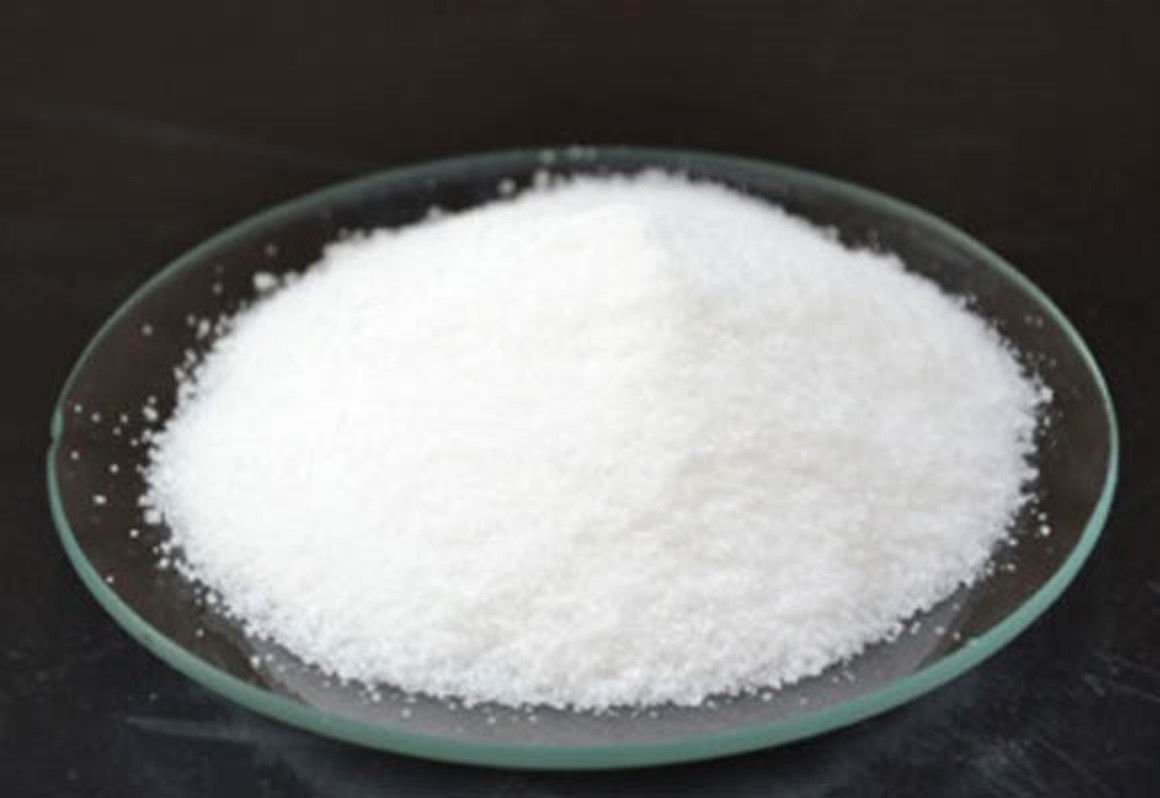
Lead Nitrate, Lead Dinitrate, Plumbous Nitrate, 10099-74-8
LEAD NITRATE – LEAD NITRATE
1. CHEMICAL IDENTITY AND DEFINITION
| Parameter |
Information |
| Chemical Name (IUPAC) |
Lead(II) Nitrate |
| Other Names |
Lead Dinitrate, Plumbous Nitrate |
| Chemical Formula |
Pb(NO₃)₂ |
| Molecular Weight |
331.2 g/mol |
| CAS Number |
10099-74-8 |
| EC Number (EINECS) |
233-245-9 |
| Appearance |
White crystalline solid |
| Odor |
Odorless |
| Physical State (20°C) |
Solid (crystalline) |
| Chemical Class |
Inorganic salt (nitrate) |
2. WHAT IS LEAD NITRATE?
Lead Nitrate (Pb(NO₃)₂) is a white crystalline, water-soluble inorganic compound. It is one of the most commonly used lead compounds and is a powerful oxidizing agent. Due to its oxidizing properties, it is used in various industries including chemicals, explosives production, paints, and metal processing. It is highly toxic and environmentally hazardous.
3. PHYSICAL PROPERTIES
| Property |
Value |
| Appearance |
White crystalline solid |
| Chemical Formula |
Pb(NO₃)₂ |
| Molecular Weight |
331.2 g/mol |
| Density |
4.53 g/cm³ |
| Melting Point |
470 °C (decomposes) |
| Boiling Point |
Decomposes |
| Solubility in Water (20°C) |
~56 g/100 mL (freely soluble) |
| Solubility in Ethanol |
Sparingly soluble |
| pH (5% solution) |
~3.0 – 4.0 (acidic) |
| Color |
White |
| Odor |
Odorless |
| Crystal Structure |
Cubic |
4. CHEMICAL PROPERTIES
| Property |
Information |
| Chemical Formula |
Pb(NO₃)₂ |
| Molecular Weight |
331.2 g/mol |
| CAS Number |
10099-74-8 |
| EC Number |
233-245-9 |
| Lead Content |
~62.6% |
| Nitrate Content |
~37.4% |
| Oxidizing Properties |
Strong oxidizing agent |
| Thermal Decomposition |
Pb(NO₃)₂ → PbO + NO₂ + O₂ (at 470°C) |
| Stability |
Stable under normal conditions |
| Hygroscopicity |
Low |
5. THERMAL DECOMPOSITION
| Temperature |
Reaction |
Products |
| 470 °C |
Pb(NO₃)₂ → PbO + 2NO₂ + ½O₂ |
Lead oxide, nitrogen dioxide, oxygen |
| > 470 °C |
Further decomposition |
PbO, NO₂, O₂ |
Warning: Heating releases toxic nitrogen dioxide (NO₂) gas.
6. APPLICATIONS
6.1. Chemical Industry
| Application |
Description |
| Lead Compound Production |
Raw material for synthesis of other lead salts |
| Lead Oxide Production |
Thermal decomposition to produce lead oxide (PbO) |
| Lead Acetate Production |
Lead acetate synthesis |
| Lead Chromate Production |
Pigment production |
6.2. Explosives Production
| Application |
Description |
| Fireworks |
Bright white light and silver effects |
| Special Explosives |
Oxidizer in explosive formulations |
| Flare Devices |
Signal flares |
| Pyrotechnics |
Pyrotechnic displays |
6.3. Paints and Pigment Production
| Application |
Description |
| Lead-Based Paints |
Lead chromate (yellow) and lead carbonate (white) pigments |
| Ceramic Glazes |
Ceramic coatings |
| Glass Industry |
Optical glass formulations |
6.4. Gold and Silver Processing
| Application |
Description |
| Cyanidation Process |
Gold and silver purification |
| Precious Metal Recovery |
Separation of precious metals from ores |
6.5. Research and Education
| Application |
Description |
| Chemical Analysis |
Reagent in laboratory analyses |
| Educational Experiments |
Demonstration experiments in chemistry education |
| Analytical Chemistry |
Qualitative and quantitative analyses |
6.6. Other Applications
| Application |
Description |
| Textile Industry |
Mordant (dye fixing agent) |
| Photographic Chemicals |
Some photographic formulations |
| Dye Fixing |
Mordant for textile dyes |
7. SOLUBILITY TABLE
| Solvent |
Temperature |
Solubility (g/100 mL) |
| Water |
20°C |
~56.0 |
| Water |
100°C |
~127.0 |
| Ethanol |
20°C |
Sparingly soluble |
| Nitric Acid |
20°C |
Soluble |
| Acetone |
20°C |
Sparingly soluble |
8. PROPERTIES OF LEAD NITRATE
| Property |
Value / Information |
| Oxidizer Class |
Class 5.1 (Oxidizing) |
| Refractive Index |
1.78 |
| Crystal System |
Cubic |
| Dielectric Constant |
~8.5 |
| Magnetic Properties |
Diamagnetic |
9. SAFETY AND HEALTH INFORMATION
| Parameter |
Value |
| Oral LD50 (Rat) |
~450 – 500 mg/kg |
| Dermal LD50 (Rabbit) |
> 2,000 mg/kg |
| Lead Toxicity |
Neurotoxin, blood and kidney damage |
| Carcinogenicity |
Suspected (IARC Group 2A) |
| Mutagenicity |
Positive |
| Reproductive Toxicity |
Positive |
| Acute Toxicity |
High |
| Chronic Toxicity |
Very high (lead accumulation) |
9.1. GHS CLASSIFICATION
| Hazard Category |
Category |
Description |
| Acute Toxicity |
Category 3 |
H301 (Toxic if swallowed) |
| Acute Toxicity |
Category 3 |
H332 (Harmful if inhaled) |
| Carcinogenicity |
Category 1B |
H350 (May cause cancer) |
| Reproductive Toxicity |
Category 1A |
H360 (May damage fertility) |
| Specific Target Organ Toxicity |
Category 1 |
H372 (Organ damage) |
| Aquatic Toxicity |
Category 1 |
H400 (Very toxic to aquatic life) |
| Oxidizing |
Category 2 |
H272 (May intensify fire) |
9.2. GHS HAZARD STATEMENTS (H-Codes)
| Code |
Statement |
| H272 |
May intensify fire; oxidizer |
| H301 |
Toxic if swallowed |
| H332 |
Harmful if inhaled |
| H350 |
May cause cancer |
| H360 |
May damage fertility or the unborn child |
| H372 |
Causes damage to organs through prolonged exposure |
| H400 |
Very toxic to aquatic life |
| H410 |
Very toxic to aquatic life with long-lasting effects |
9.3. GHS PRECAUTIONARY STATEMENTS (P-Codes)
| Code |
Statement |
| P210 |
Keep away from heat/sparks/open flames |
| P220 |
Keep away from combustible materials |
| P260 |
Do not breathe dust/fumes |
| P280 |
Wear protective gloves/clothing/eye protection |
| P301+P310 |
IF SWALLOWED: Call a POISON CENTER/doctor |
| P304+P340 |
IF INHALED: Remove to fresh air |
| P308+P313 |
IF exposed or concerned: Get medical advice |
| P405 |
Store locked up |
10. FIRST AID MEASURES
| Route of Exposure |
Action |
| Inhalation |
Remove to fresh air. If breathing stopped, give artificial respiration. Get immediate medical attention. |
| Skin Contact |
Remove contaminated clothing. Wash with plenty of soap and water. Get medical attention. |
| Eye Contact |
Rinse thoroughly with water for at least 20 minutes. Get immediate medical attention. |
| Ingestion |
Do NOT induce vomiting. Rinse mouth. Get immediate medical attention. |
11. CHRONIC HEALTH EFFECTS
| Effect |
Description |
| Neurotoxicity |
Nervous system damage (lead encephalopathy) |
| Hematological Effects |
Anemia, hemolysis, impaired hemoglobin synthesis |
| Kidney Damage |
Nephrotoxicity, kidney failure |
| Reproductive Effects |
Infertility, miscarriage, birth defects |
| Carcinogenicity |
Lung, kidney, and stomach cancer risk |
| Lead Accumulation |
Accumulates in bones, teeth, and soft tissues |
12. ENVIRONMENTAL EFFECTS
| Parameter |
Information |
| Aquatic Toxicity |
Extremely toxic |
| Fish Toxicity (LC50) |
0.1 – 1 mg/L |
| Bioaccumulation |
High (accumulates in food chain) |
| Persistence |
Not biodegradable |
| Environmental Risk |
Very high |
| Soil Contamination |
Long-term persistence |
13. STORAGE AND HANDLING
| Parameter |
Information |
| Storage Conditions |
Cool, dry, well-ventilated area |
| Container Requirements |
Tightly closed, dedicated lead container |
| Protect From |
Heat, sparks, flame, combustible materials, organic substances |
| Shelf Life |
12-24 months (with proper storage) |
| Temperature |
15-25°C |
| Warning |
Oxidizer; avoid contact with combustible materials |
14. WASTE MANAGEMENT
| Parameter |
Information |
| Waste Code |
Hazardous waste (06 01 04) |
| Disposal |
Licensed disposal facilities |
| Recycling |
Lead recycling is possible |
| Wastewater |
Lead-containing wastewater must be treated |
15. TRANSPORT INFORMATION
| Parameter |
Information |
| UN Number |
1469 |
| Hazard Class |
5.1 (Oxidizer) + 6.1 (Toxic) |
| Packing Group |
II |
| ADR/RID |
5.1 + 6.1 |
| IMDG Code |
5.1 + 6.1 |
| IATA (Air) |
5.1 + 6.1 |
| Marine Pollutant |
Yes |
16. PACKAGING OPTIONS
| Packaging Type |
Quantity |
Material |
| Plastic Bucket |
5-25 kg |
HDPE |
| Plastic Drum |
25-50 kg |
HDPE |
| Plastic Bag |
1-5 kg |
PE |
| Fiber Drum |
25-50 kg |
Fiberboard |
17. REGULATORY STATUS
| Region / Authority |
Status |
| European Union (REACH) |
Substance of Very High Concern (SVHC) |
| USA (EPA) |
Toxic Substance |
| USA (OSHA) |
Lead regulation |
| RoHS |
Restricted substance |
| Turkey |
Hazardous substance |
18. OTHER NAMES AND SYNONYMS
| Type |
Name |
| Turkish Names |
Kurşun Nitrat, Kurşun Dinitrat |
| English Names |
Lead Nitrate, Lead Dinitrate, Plumbous Nitrate |
| Chemical Names |
Lead(II) Nitrate |
| CAS Number |
10099-74-8 |
| EC Number |
233-245-9 |
19. SUMMARY AND CRITICAL WARNINGS
Product Summary
| Parameter |
Value |
| Product |
Lead Nitrate |
| CAS Number |
10099-74-8 |
| Formula |
Pb(NO₃)₂ |
| Molecular Weight |
331.2 g/mol |
| Appearance |
White crystalline solid |
| Density |
4.53 g/cm³ |
| Water Solubility |
~56 g/100 mL |
| Primary Applications |
Chemicals, explosives, paints, metal processing |
CRITICAL WARNINGS
1. HIGH TOXICITY: Lead nitrate is highly toxic. Lead accumulates in the body and causes neurological, hematological, and kidney damage. Exposure can be fatal.
2. OXIDIZER: A strong oxidizing agent. Contact with combustible materials poses fire and explosion risk. Keep away from heat, sparks, and flames.
3. CARCINOGEN: May cause cancer (IARC Group 2A). Prolonged exposure increases risk of lung, kidney, and stomach cancer.
4. THERMAL DECOMPOSITION: Decomposes at 470°C releasing toxic nitrogen dioxide (NO₂) gas. Proper ventilation is essential for heating operations.
5. REPRODUCTIVE TOXICITY: May damage fertility or the unborn child. Can cause infertility, miscarriage, and birth defects.
6. ENVIRONMENT: Extremely toxic to aquatic life. Bioaccumulates and accumulates in the food chain. Avoid release to the environment.
7. PPE: Full protective equipment (gloves, goggles, apron, respirator) is required when handling.
8. STORAGE: Store in a cool, dry, well-ventilated area. Keep away from combustible materials and organic substances.
9. WASTE: Lead-containing waste must be sent to licensed disposal facilities. Release into the environment causes serious ecological damage.
10. TRANSPORT: UN 1469, Class 5.1 (Oxidizer) + 6.1 (Toxic). Packing Group II.
**11. REGULATORY STATUS: Restricted in many countries. Subject to RoHS and other regulations.
**12. ALTERNATIVES: Lead-free alternatives should be preferred whenever possible.
IMPORTANT DISCLAIMER: This Technical Data Sheet (TDS) is for informational purposes only and is prepared based on available technical data. The user is responsible for determining the suitability of the product for their specific application and for complying with all local, national, and international regulations. For complete safety, storage, use, handling, disposal, and regulatory compliance information, refer to the official Safety Data Sheet (SDS/MSDS) provided by the manufacturer/supplier. This document is not a substitute for professional or medical advice.