We unleash your business potential by maximize the business innovation.
Send EmailPotassium Silicate, Potassium Metasilicate, 1312-76-1
Potassium Silicate (K₂SiO₃) – Properties and Applications
Chemical Properties
-
Formula: K₂SiO₃
-
CAS Number: 1312-76-1
-
Molecular Weight: 154.28 g/mol
-
Density: 2.6 g/cm³
-
Solubility: Soluble in water, insoluble in alcohols
-
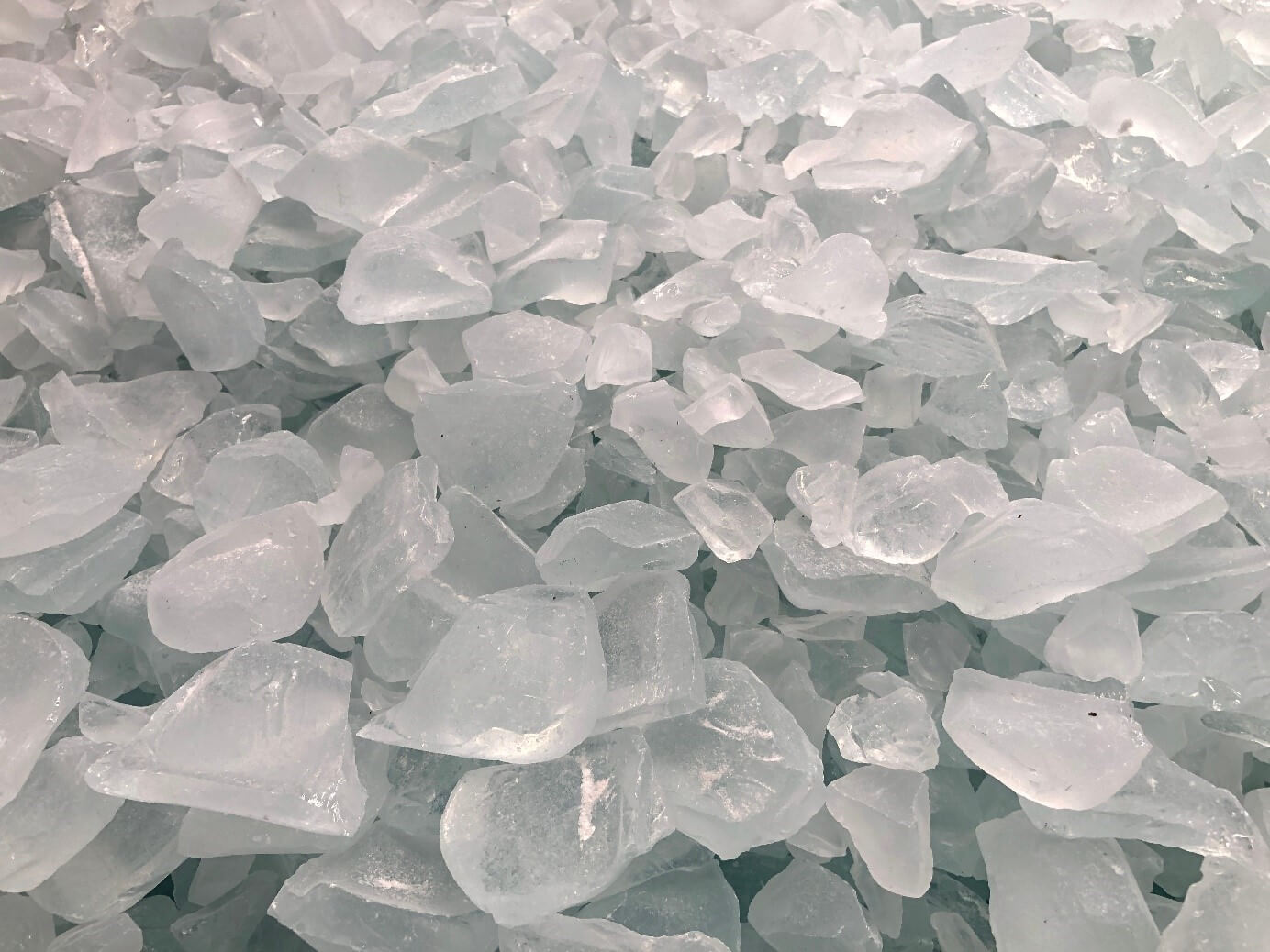
Appearance: Clear or slightly hazy liquid
Production Method Potassium silicate is produced by reacting potassium hydroxide or potassium carbonate with silicon dioxide. The result is a viscous, clear liquid that dissolves easily in water.
Applications
1. Agriculture
-
Protects plants against biotic (pests, diseases) and abiotic (drought, salinity, temperature) stresses.
-
Enhances photosynthesis, leading to healthier and faster growth.
-
Promotes root development up to 80%, improving nutrient and water uptake.
-
Silicon accumulation strengthens cell walls, increasing resistance to external threats.
2. Construction
-
Used as an additive in cement and mortar to improve durability and longevity.
-
Strengthens briquettes and other building materials.
3. Industrial Uses
-
Ceramics & Refractories: Helps shape and harden clay; essential in high-temperature resistant materials.
-
Paper & Cardboard: Acts as a binder, improving strength and durability.
-
Detergents & Cleaners: Enhances effectiveness in drain openers, descalers, rust and grease removers.
-
Electrodes: Improves durability and performance of welding electrodes.
-
Antifreeze: Contributes to motor protection in cold climates.
4. Paints & Coatings
-
Provides long-lasting protection in exterior paints.
-
Offers both decorative and protective qualities in coatings.
-
Improves resistance against environmental factors, extending paint life.
5. Metal Protection
-
Functions as a corrosion inhibitor.
Advantages
-
More durable and longer-lasting compared to sodium silicate.
-
Multi-sector versatility: agriculture, construction, industry, and coatings.
Health & Safety Precautions
-
Skin Contact: May cause irritation; protective gloves recommended.
-
Inhalation: Prolonged exposure may lead to respiratory issues; use masks.
-
Work Environment: Should be well-ventilated.
-
Accidental Contact: Wash affected area with plenty of water; seek medical attention if necessary.
Summary: Potassium silicate is a versatile chemical widely used in agriculture, construction, and industry. It enhances plant growth and resilience, strengthens building materials, improves industrial processes, and provides protective qualities in paints and coatings. Its durability compared to sodium silicate makes it a preferred choice across multiple sectors.
Detailed Usage
Agriculture
-
Enhances photosynthesis and plant vigor.
-
Strengthens cell walls with silicon deposition, protecting against pests and diseases.
-
Increases root growth (up to ~80%), improving nutrient and water uptake.
-
Improves tolerance to abiotic stresses (drought, salinity, temperature).
Construction
-
Cement and mortar additive, improving compressive strength and durability.
-
Used in briquette production to enhance mechanical resistance.
-
Provides long-term stability compared to sodium silicate.
Industrial Applications
-
Ceramics & Refractories: Improves shaping and firing properties; essential in high-temperature resistant materials.
-
Paper & Cardboard: Acts as a binder, increasing strength and longevity.
-
Detergents & Cleaners: Boosts effectiveness in drain openers, descalers, rust and grease removers.
-
Electrodes: Improves welding electrode durability and efficiency.
-
Antifreeze: Enhances cold-weather motor protection.
Paints & Coatings
-
Used in exterior paints for long-lasting protection against weathering.
-
Provides decorative and protective surface coatings.
-
Extends paint life and improves resistance to environmental factors.
Metal Protection
-
Functions as a corrosion inhibitor, prolonging equipment life.
Sectoral Suitability Table
| Sector | Role / Function | Benefits | Suitability |
|---|---|---|---|
| Agriculture | Plant growth enhancer, stress protector | Stronger roots, higher photosynthesis, pest resistance | ✅ Very High |
| Construction | Cement & mortar additive | Increased durability, longer lifespan | ✅ High |
| Ceramics/Refractories | Binder, shaping aid | Heat resistance, improved mechanical strength | ✅ High |
| Paper/Cardboard | Binder | Stronger, longer-lasting products | ✅ Medium |
| Detergents/Cleaners | Active component | Effective rust, grease, and scale removal | ✅ High |
| Electrodes | Raw material for welding rods | Better durability and performance | ✅ Medium |
| Antifreeze | Additive | Enhanced cold-weather protection | ✅ Medium |
| Paints/Coatings | Protective & decorative agent | Long-lasting, weather-resistant paints | ✅ Very High |
| Metal Protection | Corrosion inhibitor | Prevents rust and extends equipment life | ✅ High |
Alternatives & Comparison
| Chemical | Advantages | Disadvantages | Best Use Cases |
|---|---|---|---|
| Potassium Silicate (K₂SiO₃) | Long-lasting, durable, enhances plant growth, strong binder | Higher cost than sodium silicate | Agriculture, construction, paints |
| Sodium Silicate (Na₂SiO₃) | Cheaper, widely available, strong binder | Less durable, shorter lifespan | Detergents, adhesives, paper |
| Lithium Silicate (Li₂SiO₃) | Excellent durability, high chemical resistance | Expensive, less available | Specialty coatings, advanced construction |
| Calcium Silicate (Ca₂SiO₄) | Good thermal resistance, inexpensive | Limited solubility, less versatile | Refractories, insulation materials |
Key Insight:Potassium silicate is the premium choice when durability, longevity, and plant health are priorities. Sodium silicate is more economical but less resistant. Lithium silicate is niche, used in high-performance coatings, while calcium silicate is mainly for thermal insulation.
Comparative Table of Silicate Types
| Property / Application | Sodium Silicate (Na₂(SiO₂)ₙO) | Potassium Silicate (K₂SiO₃) | Lithium Silicate (Li₂SiO₃) | Calcium Silicate (CaSiO₃) | Magnesium Silicate (Mg₂SiO₄ / MgSiO₃) | Aluminum Silicate (Al₂SiO₅) |
|---|---|---|---|---|---|---|
| Form | Liquid, glassy solid, powder | Liquid, powder | Liquid, powder | Solid, powder | Solid, powder | Solid mineral |
| Appearance | Transparent, bluish/greenish | Transparent or white | Transparent | White powder | White/gray powder | White crystalline |
| Density | 1.4–1.6 g/cm³ | ~2.3 g/cm³ | ~2.4 g/cm³ | 2.9 g/cm³ | ~3.2 g/cm³ | 2.6–2.8 g/cm³ |
| Melting Point | 1100–1400°C (glass form) | ~1000–1100°C | ~1200°C | 1540°C | 1900°C+ | 1500–1800°C |
| Alkalinity (pH) | Strongly alkaline (11–12.5) | Alkaline, milder than sodium | Alkaline, lower viscosity | Slightly basic (9.5–11.5) | Neutral | Neutral |
| Solubility | Soluble in water | Soluble in water | Highly soluble | Insoluble in water | Insoluble | Insoluble |
| Main Applications | Detergents, textiles, paper, cement, water treatment, adhesives, fireproofing | Agriculture (silicon fertilizer), fireproof coatings, detergents | Concrete densifier, lithium battery binders, advanced coatings | Insulation panels, fireproof boards, cement additive, food additive (E552) | Talc substitute, ceramics, refractories | Ceramics, refractories, fillers |
| Construction Use | Concrete hardener, waterproofing | Fireproof coatings, cement stabilizer | Concrete densifier | Thermal & sound insulation, fireproof panels | Refractory bricks, ceramics | Ceramic reinforcement |
| Detergents & Cleaning | Builder, stabilizer | Builder, stabilizer | Limited use | Not used | Not used | Not used |
| Textiles | Bleaching stabilizer, flame-retardant | Flame-retardant additive | Flame-retardant additive | Not used | Not used | Not used |
| Water Treatment | Coagulant, flocculant | Limited use | Limited use | Not used | Not used | Not used |
| Agriculture | Not used | Silicon fertilizer | Not used | Soil conditioner | Not used | Not used |
| Food | Not used | Not used | Not used | E552 anti-caking agent | Not used | Not used |
| Specialty Uses | Adhesives, coatings, metallurgy | Agriculture, protective coatings | Lithium-ion battery industry | Fireproof insulation, food additive | Talc replacement, ceramics | High-temperature ceramics |
| Other Names | Water glass, soluble glass | Potassium water glass | Lithium water glass | Belite, calcium orthosilicate | Talc, magnesium silicate hydrate | Kaolinite, kyanite, sillimanite |
Key Insights
-
Sodium silicate → Most versatile, used across detergents, textiles, paper, cement, and water treatment.
-
Potassium silicate → Strong in agriculture (silicon fertilizer) and fireproof coatings.
-
Lithium silicate → Specialized in concrete densification and battery binders.
-
Calcium silicate → Construction insulation, fireproof panels, and food additive (E552).
-
Magnesium silicate → Known as talc; used in ceramics and refractories.
-
Aluminum silicate → Mineral form, used in ceramics and high-temperature refractories.