We unleash your business potential by maximize the business innovation.
Send EmailGellan Gum, High-acyl Gellan Gum, Low-acyl Gellan Gum, Phytagel, K9A-40, FG 2250, Phytagar, E418, 71010-52-1
Technical Specifications – Gellan Gum (E418)
-
Chemical Name: Gellan Gum
-
Synonyms: Gelrite, Phytagel, Phytagar, Applied GEL, K9A-40, FG 2250
-
E Number: E418 (EU food additive code)
-
CAS Number: 71010-52-1
-
Molecular Formula: (C6_6H10_{10}O7_7)n_n (polysaccharide structure)
-
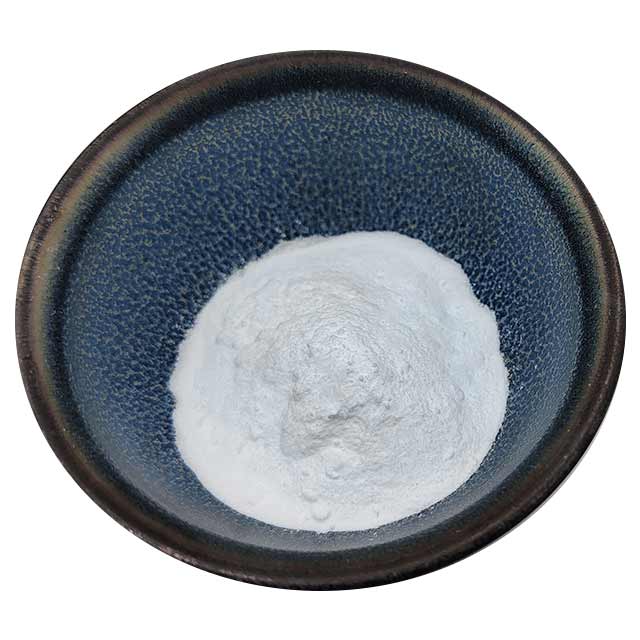
Appearance: Off-white to beige free-flowing powder
-
Solubility: Soluble in hot water; forms gels upon cooling
-
Gel Types:
-
High-acyl → soft, elastic gels
-
Low-acyl → firm, brittle, transparent gels
-
-
pH Stability: Stable between pH 3–7
-
Thermal Stability: Maintains gel strength even above 100 °C
-
Viscosity: Adjustable depending on concentration and cation presence (Ca²⁺, Mg²⁺, K⁺)
-
Odor/Taste: Neutral, no off-flavor contribution
Packaging & Trade Information
-
Standard Packaging: 25 kg PE-lined kraft bags
-
Certifications: ISO, HACCP, Halal, Kosher
-
Regulatory Approvals: FDA, EFSA, JECFA – approved for food, pharma, and cosmetic applications
Summary
-
CAS No.: 71010-52-1 is the universal identifier for Gellan Gum.
-
High-acyl vs. Low-acyl types define its mechanical and sensory properties.
-
Widely accepted across food, pharma, cosmetics, agriculture, and biotech sectors.
E418 (Gellan Gum) – Types & Applications:
🔹 Types of Gellan Gum
-
High-acyl Gellan Gum
-
Structure: Soft, elastic gel
-
Advantage: Pleasant mouthfeel, flexible texture
-
Main Uses:
-
Beverages (suspension agent)
-
Dairy products (yogurt, plant-based milks)
-
Desserts & puddings
-
-
-
Low-acyl Gellan Gum
-
Structure: Firm, brittle, transparent gel
-
Advantage: Strong, cuttable gel structure
-
Main Uses:
-
Confectionery & jellies
-
Capsules & tablets (pharmaceuticals)
-
Microbiology culture media (agar substitute)
-
-
Applications by Sector
| Sector | Application Area | Explanation |
|---|---|---|
| Food | Beverages, dairy, confectionery, desserts | Gelling agent, thickener, stabilizer |
| Agriculture | Plant tissue culture, microbiology | Agar substitute (Phytagel, Gelrite) |
| Pharmaceuticals | Capsules, tablets, suspensions, eye drops | Controlled release, thickener |
| Cosmetics | Creams, lotions, gels, toothpaste | Stabilizer, thickener |
| Textiles | R&D laboratories | Indirect use in culture media |
| Industrial | Biotechnology, cleaning products | Agar substitute, gel-based formulations |
Summary
-
High-acyl → Best for food & cosmetics (soft, elastic gels).
-
Low-acyl → Best for pharma, agriculture & biotech (firm, transparent gels).
Gellan gum, with CAS number 71010-52-1, is a water-soluble anionic polysaccharide produced by the bacterium Sphingomonas elodea. It is widely used as a gelling agent, thickener, and stabilizer in various industries, including food, cosmetics, and pharmaceuticals2.
Its unique properties make it a suitable substitute for agar in microbiological media and plant cell culture applications
Gellan gum (CAS No. 71010-52-1) is a versatile, water-soluble polysaccharide produced by the bacterium Sphingomonas elodea. It has a wide range of applications across various industries due to its unique properties. Here's a breakdown of its uses:
-
Food Industry:
-
Acts as a gelling agent, thickener, and stabilizer.
-
Commonly used in dairy products, plant-based beverages, jellies, and candies to improve texture and stability.
-
-
Pharmaceutical Industry:
-
Used as a controlled-release agent in drug delivery systems.
-
Found in ophthalmic products like eye drops to enhance stability and shelf life.
-
-
Cosmetic Industry:
-
Functions as a thickener and stabilizer in skincare products, lotions, and shampoos.
-
Improves the texture and spreadability of cosmetic formulations.
-
-
Industrial Applications:
-
Utilized in microbiological media as an alternative to agar.
-
Plays a role in oil drilling and mining as a stabilizer for drilling fluids.
-
Gellan gum is known by several other names depending on its application or manufacturer. Here are some of its alternative names:
-
Gelrite
-
Phytagel
-
Agar Substitute Gelling Agent
-
E 418 (as a food additive code)
-
K9A-40
-
FG 2250
-
Phytagar
Here are all the sectoral suitability tables for E418 (Gellan Gum) translated and consolidated in English for your ERP, supplier, and client-facing documentation.
Food Sector Suitability
| Food Category | Suitability | Explanation |
|---|---|---|
| Beverages | High | Suspension agent; keeps fruit particles, vitamins, and minerals evenly distributed. |
| Dairy Products | High | Stabilizer and thickener in yogurt, whey drinks, and plant-based milks. |
| Confectionery | High | Strong gel structure in jellies, gummies, and candies. |
| Desserts/Puddings | High | Provides elastic gel and pleasant mouthfeel. |
| Bakery | Medium | Limited use as moisture retainer and thickener. |
| Meat Products | Medium | Emulsion stabilizer in processed meat formulations. |
| Diet/Fortified Foods | High | Agar substitute in low-calorie gel-based foods. |
| Infant Formula | Controlled | Allowed in some formulations but strictly regulated. |
Agriculture Sector Suitability
| Agricultural Application | Suitability | Explanation |
|---|---|---|
| Plant Tissue Culture | High | Agar substitute (Phytagel/Gelrite); transparent, strong gel for root and callus cultures. |
| Microbiology/Soil Analysis | High | Used in culture media for microorganism isolation and testing. |
| Agricultural Research | Medium-High | Provides controlled growth medium with uniform nutrient distribution. |
| Animal Feed Additives | Low | Rarely used; limited trials as thickener. |
| Fertilizer/Pesticide Formulations | Medium | Suspension agent for homogeneous distribution of actives. |
| Seed Coating/Germination Studies | Medium | Tested in gel-based coatings, not widespread. |
Pharmaceutical Sector Suitability
| Application Area | Suitability | Explanation |
|---|---|---|
| Capsules & Tablets | High | Low-acyl type used as binder and capsule shell material. |
| Controlled Release Systems | High | Gel matrix enables slow, controlled drug release. |
| Suspension Formulations | High | Thickener and stabilizer in syrups and suspensions. |
| Topical Products (Cream/Gel) | Medium-High | Thickener and stabilizer in dermocosmetic formulations. |
| Ophthalmic Gels/Eye Drops | High | Viscosity enhancer; prolongs drug contact time in the eye. |
| Vaccines/Biotech Products | Medium | Tested as carrier in gel-based systems; limited but promising. |
Cosmetic Sector Suitability
| Application Area | Suitability | Explanation |
|---|---|---|
| Creams & Lotions | High | Thickener and stabilizer; maintains emulsion stability. |
| Gel Formulations | High | Transparent, elastic gels for face gels, hair gels, dermocosmetics. |
| Shampoos & Hair Care | Medium-High | Suspension agent; distributes actives evenly, increases viscosity. |
| Toothpaste | High | Thickener and stabilizer; ensures uniform distribution of abrasives. |
| Masks (Sheet/Face) | Medium-High | Film-forming and moisture-retaining properties. |
| Serums & Toners | Medium | Light viscosity enhancer depending on formulation. |
| Decorative Cosmetics | Medium | Limited use as thickener in some make-up products. |
Textile Sector Suitability
| Application Area | Suitability | Explanation |
|---|---|---|
| Laboratory Testing | Medium | Agar substitute in microbiology and textile R&D labs. |
| Printing Pastes | Low-Medium | Tested as thickener in special pastes, not common. |
| Textile Chemicals | Low | No direct role in production processes. |
| Plant-Based Fiber Research | Medium | Used in tissue culture studies for cotton, flax, etc. |
| Industrial Textile Use | Low | No direct application in production lines. |
Industrial Sector Suitability
| Industrial Application | Suitability | Explanation |
|---|---|---|
| Biotechnology/Research | High | Agar substitute in culture media; standard in microbiology labs. |
| Chemical Industry | Medium-High | Thickener and suspension agent in special formulations. |
| Paper & Packaging | Medium | Tested in coatings and barrier research. |
| Cleaning Products | Medium | Thickener and stabilizer in gel-based detergents. |
| Construction Chemicals | Low-Medium | Limited trials in coatings and gel-based materials. |
| Textile R&D | Low | Indirect use in lab testing. |
| Petrochemical/Energy | Low | No direct |
Food Thickeners – Comparison & Suitability
| Thickener | Source / Type | Texture & Clarity | Heat Stability | Best Applications | Limitations |
|---|---|---|---|---|---|
| Gellan Gum (E418) | Microbial polysaccharide | Firm or elastic gels (high/low acyl) | Excellent, stable above 100 °C | Beverages (suspension), dairy, confectionery, pharma gels | Requires calcium/ions for gelation |
| Xanthan Gum | Fermented polysaccharide (Xanthomonas) | Viscous, pourable, not gel | Stable in hot & cold | Sauces, dressings, gluten-free baking | Can feel “slimy” if overdosed |
| Guar Gum | Legume seed (guar beans) | Creamy, smooth | Stable in cold | Ice cream, dips, frozen desserts | Less effective in acidic systems |
| Locust Bean Gum (LBG) | Carob seeds | Creamy, synergistic with carrageenan | Good | Dairy, cream cheese, desserts | Needs combination with other gums |
| Carrageenan | Red seaweed | Elastic, firm gels | Good, but sensitive to calcium | Dairy gels, puddings, processed meats | Can cause syneresis (water release) |
| Pectin | Fruit cell walls | Soft, elastic gels | Requires sugar & acid | Jams, jellies, fruit gels | Limited in low-sugar systems |
| Gelatin | Animal collagen | Soft, elastic, melt-in-mouth | Melts at ~35 °C | Marshmallows, mousses, desserts | Not vegan; melts in heat |
| Agar | Red algae | Firm, brittle gels | Stable at room temp | Asian desserts, microbiology | Brittle texture, less elastic |
| Starches (Corn, Tapioca, Potato) | Plant starch granules | Glossy, viscous pastes | Moderate, some retrogradation | Soups, sauces, gravies | Cloudy, less stable over time |
| Arrowroot | Tropical tuber starch | Clear, glossy | Good for quick cooking | Sauces, glazes | Breaks down in long cooking |
Key Insights
-
Gellan Gum (E418) stands out for high thermal stability and ability to form both soft elastic gels (high-acyl) and firm brittle gels (low-acyl).
-
Xanthan & Guar Gum excel in cold applications (dressings, frozen desserts).
-
Pectin is unmatched for fruit-based gels (jams/jellies).
-
Gelatin provides unique melt-in-mouth texture but is animal-derived.
-
Agar is a vegan alternative but produces brittle gels.
-
Starches are versatile, cheap, but less stable and often cloudy.