We unleash your business potential by maximize the business innovation.
Send EmailGellan Gum, High-acyl Gellan Gum, Low-acyl Gellan Gum, Phytagel, E418, 71010-52-1
GELLAN GUM (E418)
CAS Number: 71010-52-1
EC Number (EINECS): Not assigned (biopolymer)
E Number: E418
INCI Name: Gellan Gum
Chemical Class: Microbial polysaccharide (anionic heteropolysaccharide)
SECTION 1: PRODUCT IDENTIFICATION AND CHEMICAL IDENTITY
| Parameter | Description |
|---|---|
| Chemical Name | Gellan Gum |
| Other Names | Gellan Zamkı, Gelrite, Phytagel, Phytagar, Applied GEL, K9A-40, FG 2250 |
| CAS Number | 71010-52-1 |
| E Number | E418 |
| INCI Name | Gellan Gum |
| Source | Sphingomonas elodea (microbial fermentation) |
| Chemical Structure | Tetrasaccharide repeating unit: D-glucose, L-rhamnose, D-glucuronic acid |
| Molecular Weight | ~500,000 - 1,000,000 Daltons |
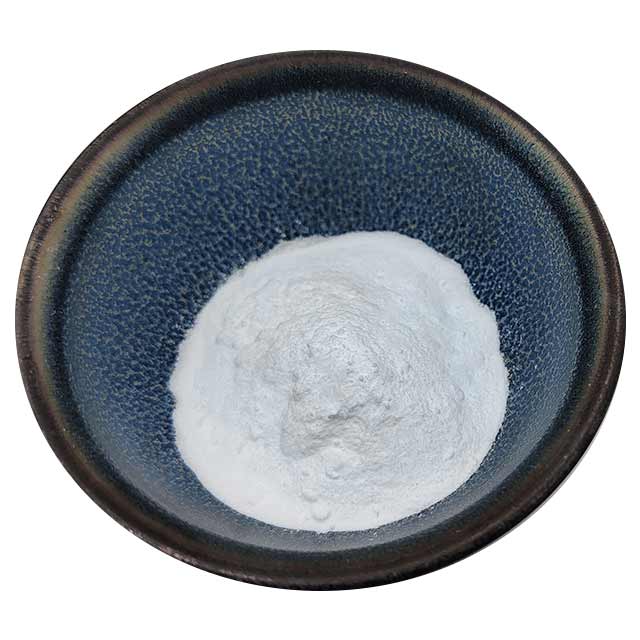
| Appearance | White to off-white free-flowing powder |
| Odor | Odorless |
| Taste | Tasteless |
| Soluble Form | Soluble in hot water; dispersible in cold water |
SECTION 2: PHYSICAL AND CHEMICAL PROPERTIES
| Property | Value / Range |
|---|---|
| Appearance | White to off-white free-flowing powder |
| Odor | Odorless |
| Taste | Tasteless |
| Bulk Density | 0.32 - 0.45 g/cm³ |
| Solubility | Soluble in hot water, dispersible in cold water |
| Gel Types | High-acyl (elastic gel) / Low-acyl (brittle gel) |
| pH Stability | 3.0 - 7.0 (stable gel) |
| Thermal Stability | Stable above 100°C |
| Gelation Temperature | 30-50°C (varies by acyl content and ion concentration) |
| Melting Temperature | > 100°C (low-acyl); ~90°C (high-acyl) |
| Cation Sensitivity | Sensitive to Ca²⁺, Mg²⁺, K⁺, Na⁺ ions |
| Viscosity | High viscosity at low concentrations |
| Functional Groups | Hydroxyl (-OH), carboxyl (-COO⁻) |
SECTION 3: GELLAN GUM TYPES - COMPARISON
| Property | High-Acyl Gellan Gum | Low-Acyl Gellan Gum |
|---|---|---|
| Acyl Groups | Present (glyceryl and acetyl) | Removed (deacylated) |
| Gel Structure | Soft, elastic, flexible | Hard, brittle, firm |
| Appearance | Opaque | Transparent |
| Gel Strength | Moderate | High |
| Elasticity | High | Low |
| Mouthfeel | Pleasant, smooth | Sharp, brittle |
| Thermal Stability | Good (melts ~90°C) | Excellent (melts >100°C) |
| Applications | Beverages, dairy, desserts | Confectionery, capsules, pharmaceuticals |
| Gelation Ion | Can gel with various ions | Requires Ca²⁺, Mg²⁺ for gelation |
SECTION 4: SOLUBILITY PROFILE
| Solvent | Solubility | Condition |
|---|---|---|
| Hot Water | Soluble | > 90°C |
| Cold Water | Dispersible (requires heating for dissolution) | - |
| Ethanol | Insoluble | - |
| Isopropyl Alcohol | Insoluble | - |
| Glycerin | Slightly soluble | - |
| Propylene Glycol | Slightly soluble | - |
Critical Note: Gellan gum requires heating to >90°C for complete dissolution. It forms gels upon cooling in the presence of cations (especially Ca²⁺ and Mg²⁺).
SECTION 5: CHEMICAL PROPERTIES AND REACTIONS
| Property | Description |
|---|---|
| Chemical Class | Anionic heteropolysaccharide |
| Functional Groups | Hydroxyl (-OH), carboxyl (-COO⁻) |
| Reactivity | Low under normal conditions |
| Gelation | Forms gels upon cooling with cations |
| Hydrolysis | Stable at pH 3.0-7.0; hydrolyzes at extreme pH |
| Thermal Stability | Excellent (stable above 100°C) |
| Syneresis | Low-acyl forms show minimal syneresis |
| Cation Sensitivity | Ca²⁺ is most effective for gelation |
5.1. Gelation Mechanism
| Step | Description |
|---|---|
| Dispersion | Gellan gum disperses in water |
| Heating | Heating to >90°C dissolves the polymer |
| Cooling | Upon cooling, polymer chains form double helices |
| Cation Addition | Cations (Ca²⁺, Mg²⁺, K⁺, Na⁺) promote aggregation |
| Gel Formation | Three-dimensional network structure forms |
SECTION 6: MAJOR APPLICATIONS AND END-USES
6.1. Food Industry (Most Important Application)
| Application | Function | Suitability |
|---|---|---|
| Beverages | Suspension agent, stabilizer | High |
| Dairy Products | Thickener, stabilizer | High |
| Confectionery | Gelling agent, texture enhancer | High |
| Desserts and Puddings | Gel former, texture provider | High |
| Plant-Based Milk | Suspension agent for proteins | High |
| Jams and Jellies | Gelling agent | High |
| Fermented Products | Stabilizer | High |
| Bakery Products | Moisture retention, stabilizer | Moderate |
| Meat Products | Emulsion stabilizer | Moderate |
| Diet/Functional Foods | Low-calorie gel former | High |
| Baby Foods | Stabilizer (regulated) | Controlled |
6.2. Pharmaceutical and Medical
| Application | Function | Suitability |
|---|---|---|
| Controlled Release Systems | Gel matrix for drug delivery | High |
| Capsule Production | Hard gel former | High |
| Ophthalmic Preparations | Viscosity enhancer, prolonged retention | High |
| Suspension Formulations | Stabilizer, thickener | High |
| Topical Products | Gelling agent for creams/gels | High |
| Vaccine Formulations | Gel-based carrier (research) | Moderate |
| Bone Cements | Gelling agent | Research |
6.3. Cosmetics and Personal Care
| Application | Function | Suitability |
|---|---|---|
| Creams and Lotions | Thickener, stabilizer | High |
| Gel Formulations | Gelling agent for clear gels | High |
| Shampoos and Hair Care | Suspension agent, viscosity enhancer | High |
| Toothpaste | Thickener, stabilizer | High |
| Face Masks | Film former, moisturizer | High |
| Serums and Toners | Viscosity modifier | Moderate |
| Decorative Cosmetics | Thickener (limited) | Moderate |
6.4. Agriculture and Biotechnology
| Application | Function | Suitability |
|---|---|---|
| Plant Tissue Culture | Agar substitute (Phytagel) | High |
| Microbiology Media | Gelling agent (Gelrite) | High |
| Soil Analysis | Culture media | High |
| Seed Coating | Water retention (research) | Moderate |
| Soil Improvement | Water retention (research) | Moderate |
6.5. Industrial Applications
| Application | Function | Suitability |
|---|---|---|
| Biotechnology Research | Agar substitute in culture media | High |
| Chemical Industry | Suspension agent, thickener | Moderate |
| Paper and Packaging | Coating research (limited) | Low |
| Cleaning Products | Thickener for gel-based cleaners | Moderate |
| Construction Chemicals | Special coatings (limited) | Low |
| Petrochemical | No direct use | Low |
SECTION 7: INDUSTRY SUITABILITY MATRIX
| Industry | Suitability | Explanation |
|---|---|---|
| Food | High | Gelling, thickening, stabilizing agent (E418) |
| Pharmaceutical | High | Controlled release, capsules, suspensions |
| Cosmetics | High | Thickener, stabilizer, gel former |
| Agriculture | High | Plant tissue culture, microbiology media |
| Biotechnology | High | Agar substitute (Phytagel, Gelrite) |
| Textile | Low | No direct use; laboratory applications only |
| Chemical | Moderate | Suspension agents, thickeners |
| Petrochemical | Low | No direct use |
SECTION 8: FOOD SUITABILITY MATRIX
| Food Category | Suitability | Explanation |
|---|---|---|
| Beverages | High | Suspension agent, stabilizer |
| Dairy Products | High | Thickener, stabilizer |
| Confectionery | High | Gel former, texture enhancer |
| Desserts/Puddings | High | Gel former, texture provider |
| Plant-Based Milk | High | Protein suspension agent |
| Jams and Jellies | High | Gelling agent |
| Bakery Products | Moderate | Moisture retention, stabilizer |
| Meat Products | Moderate | Emulsion stabilizer |
| Diet/Functional Foods | High | Low-calorie gel former |
| Baby Foods | Controlled | Regulated formulation |
SECTION 9: AGRICULTURE SUITABILITY MATRIX
| Application | Suitability | Explanation |
|---|---|---|
| Plant Tissue Culture | High | Agar substitute (Phytagel/Gelrite) |
| Microbiology Media | High | Gelling agent for culture media |
| Soil Analysis | High | Culture media base |
| Seed Coating | Moderate | Water retention (research) |
| Soil Improvement | Moderate | Water retention (research) |
| Fertilizer Formulations | Moderate | Suspension agent |
| Animal Feed | Low | Not widely used |
SECTION 10: PHARMACEUTICAL SUITABILITY MATRIX
| Application | Suitability | Explanation |
|---|---|---|
| Capsule Production | High | Hard gel former |
| Controlled Release Systems | High | Gel matrix for drug delivery |
| Ophthalmic Preparations | High | Viscosity enhancer |
| Suspension Formulations | High | Stabilizer, thickener |
| Topical Products | High | Gelling agent |
| Vaccine Formulations | Moderate | Research applications |
| Bone Cements | Research | Gelling agent (research) |
SECTION 11: COSMETIC SUITABILITY MATRIX
| Application | Suitability | Explanation |
|---|---|---|
| Creams and Lotions | High | Thickener, stabilizer |
| Gel Formulations | High | Gelling agent |
| Shampoos | High | Suspension agent, viscosity enhancer |
| Toothpaste | High | Thickener, stabilizer |
| Face Masks | High | Film former, moisturizer |
| Serums/Toners | Moderate | Viscosity modifier |
| Decorative Cosmetics | Moderate | Thickener (limited) |
SECTION 12: INDUSTRIAL SUITABILITY MATRIX
| Application | Suitability | Explanation |
|---|---|---|
| Biotechnology Research | High | Agar substitute |
| Chemical Industry | Moderate | Suspension agent, thickener |
| Paper/Packaging | Low | Coating research (limited) |
| Cleaning Products | Moderate | Thickener for gel-based cleaners |
| Construction | Low | Special coatings (limited) |
| Textile | Low | No direct use |
SECTION 13: COMPARISON WITH OTHER THICKENERS
| Thickener | Source | Texture & Clarity | Heat Stability | Best Applications | Limitations |
|---|---|---|---|---|---|
| Gellan Gum (E418) | Microbial | Hard or elastic gel | Excellent (>100°C) | Beverages, dairy, confectionery, pharmaceuticals | Requires cations for gelation |
| Xanthan Gum | Fermented | Fluid, viscous | Good | Sauces, dressings, gluten-free baking | Can be "slimy" at high dosage |
| Guar Gum | Legume seed | Creamy, soft | Low | Ice cream, sauces, dips | Limited in acidic systems |
| Locust Bean Gum (LBG) | Carob seed | Creamy | Good | Cheese, cream cheese, desserts | Weak alone; needs combinations |
| Carrageenan | Red seaweed | Elastic, hard gel | Good | Dairy desserts, puddings | Syneresis risk |
| Pectin | Fruit cell wall | Soft, elastic gel | Moderate | Jams, marmalades | Limited in low-sugar systems |
| Gelatin | Animal collagen | Soft, elastic | Melts ~35°C | Marshmallows, mousses | Not vegan; melts in heat |
| Agar | Red seaweed | Hard, brittle gel | Room temp stable | Asian desserts, microbiology | Brittle, not elastic |
| Starches | Corn, potato, tapioca | Viscous, cloudy | Moderate | Soups, sauces, gravy | Cloudy, retrogradation risk |
SECTION 14: SAFETY AND REGULATORY STATUS
| Parameter | Information |
|---|---|
| GHS Classification | Not classified |
| Oral LD50 (Rat) | > 5,000 mg/kg |
| Skin Irritation | Not irritating |
| Eye Irritation | Mild irritant (powder) |
| Skin Sensitization | Not sensitizing |
| Mutagenicity | Negative |
| Carcinogenicity | Not classified |
| Regulatory Status | Approved as food additive (E418) in EU, USA, Japan, Canada, China, South Korea |
| FDA Status | GRAS (Generally Recognized As Safe) |
| EFSA Status | Approved (E418) |
| Halal | Yes (where certified) |
| Kosher | Yes (where certified) |
| Vegan | Yes (microbial origin) |
| Allergen Status | Free from common allergens |
SECTION 15: STORAGE AND HANDLING
| Parameter | Information |
|---|---|
| Storage Conditions | Cool, dry, well-ventilated area |
| Temperature | Room temperature (15-30°C) |
| Humidity | < 65% relative humidity |
| Container | Tightly closed, original packaging (PE-lined kraft bags) |
| Shelf Life | 24-36 months (under recommended conditions) |
| Packaging | 25 kg bags, 500 kg big bags |
SECTION 16: TRANSPORT INFORMATION
| Parameter | Information |
|---|---|
| UN Number | Not regulated |
| Hazard Class | Not applicable |
| Packing Group | Not applicable |
| Proper Shipping Name | Gellan Gum |
| ADR/RID | Not regulated |
| IMDG Code | Not regulated |
| IATA (Air) | Not regulated |
| Marine Pollutant | No |
SECTION 17: OTHER NAMES AND IDENTIFIERS
| Type | Name / Description |
|---|---|
| English Names | Gellan Gum, Gellan Gum (E418), Gelrite, Phytagel, Phytagar |
| Turkish Names | Gellan Zamkı, Gellan Sakızı |
| Commercial Names | Gelrite, Phytagel, Applied GEL, K9A-40, FG 2250 |
| Code | E418 (food additive code) |
| CAS Number | 71010-52-1 |
| INCI Name | Gellan Gum |
| Synonyms | Agar Substitute Gelling Agent, Heteropolysaccharide |
SECTION 18: CERTIFICATIONS AND QUALITY
| Certification | Status |
|---|---|
| ISO | Yes |
| HACCP | Yes |
| Halal | Yes (where certified) |
| Kosher | Yes (where certified) |
| FDA | GRAS |
| EFSA | Approved (E418) |
| Vegan | Yes |
| Non-GMO | Yes (where certified) |
SECTION 19: TYPICAL USE LEVELS
| Application | Typical Use Level |
|---|---|
| Beverages | 0.1 - 0.3% |
| Dairy Products | 0.2 - 0.5% |
| Confectionery | 0.3 - 0.8% |
| Desserts/Puddings | 0.2 - 0.5% |
| Jams and Jellies | 0.3 - 0.6% |
| Pharmaceutical Capsules | 0.5 - 1.5% |
| Cosmetic Gels | 0.2 - 0.8% |
| Plant Tissue Culture | 0.2 - 0.4% |
| Microbiology Media | 0.3 - 0.5% |
SECTION 20: SUMMARY AND CRITICAL WARNINGS
Product Summary
| Parameter | Value |
|---|---|
| Product | Gellan Gum (E418) |
| CAS | 71010-52-1 |
| Appearance | White to off-white free-flowing powder |
| Bulk Density | 0.32 - 0.45 g/cm³ |
| pH Stability | 3.0 - 7.0 |
| Key Industries | Food, pharmaceuticals, cosmetics, agriculture, biotechnology |
CRITICAL WARNINGS
-
Two Types - Different Applications: Gellan gum is available in two main types: High-acyl (elastic, opaque gel) and Low-acyl (hard, transparent gel). High-acyl is preferred for food and beverages; Low-acyl is preferred for pharmaceuticals, cosmetics, and microbiology.
-
Heat Required for Dissolution: Gellan gum requires heating to >90°C for complete dissolution. It forms gels upon cooling.
-
Ion Sensitivity: Gellation requires cations (Ca²⁺, Mg²⁺, K⁺, Na⁺). Ca²⁺ is most effective for low-acyl gellan gum gelation.
-
pH Sensitivity: Stable gel formation occurs in pH 3.0-7.0 range.
-
High Thermal Stability: Gellan gum gels remain stable above 100°C, making them suitable for heat-processed products.
-
Low Dosage, High Efficiency: Gellan gum is effective at very low concentrations (0.1-0.5%), making it cost-effective.
-
Regulatory Approval: Approved as E418 in EU, USA (GRAS), Japan, Canada, China, South Korea.
-
Vegan and Microbial: Gellan gum is produced by microbial fermentation and is suitable for vegan, halal, and kosher applications.
-
Phytagel/Gelrite: In microbiology and plant tissue culture, gellan gum is known as Phytagel or Gelrite as an agar substitute.
-
Versatile Applications: Used in food, pharmaceuticals, cosmetics, agriculture (plant tissue culture), and biotechnology research.
IMPORTANT DISCLAIMER: This Technical Data Sheet (TDS) is for informational purposes only and is based on available technical data. The user is solely responsible for determining the product's suitability for their specific application and for complying with all applicable local, national, and international regulations. For complete safety, storage, handling, transportation, disposal, and regulatory compliance information, always refer to the official Safety Data Sheet (SDS/MSDS) provided by the manufacturer/supplier. Users are responsible for testing the product in their own processes and applications. All local, national, and international regulations must be followed when working with Gellan Gum.