We unleash your business potential by maximize the business innovation.
Send EmailAlpha Tocopherol, Vitamin E, DL-Alpha Tocopherol, D-Alpha Tocopherol, E307, E307a, E307b, 59-02-9, 10191-41-0
ALPHA-TOCOPHEROL (VITAMIN E - E307)
PRODUCT IDENTIFICATION INFORMATION
| Parameter | Information |
|---|---|
| Product Name | Alpha-Tocopherol |
| Chemical Name | 2,5,7,8-Tetramethyl-2-(4,8,12-trimethyltridecyl)-3,4-dihydro-2H-1-benzopyran-6-ol |
| Synonyms (Turkish) | Alfa Tokoferol, Vitamin E, E307, E307a, E307b |
| Synonyms (English) | Alpha-Tocopherol, Vitamin E, DL-Alpha-Tocopherol, D-Alpha-Tocopherol, RRR-Alpha-Tocopherol, all-rac-Alpha-Tocopherol |
| E Number | E307, E307a (natural D-alpha-tocopherol), E307b (mixed tocopherol concentrate) |
| CAS Numbers | 59-02-9 (natural D-alpha-tocopherol) |
| 10191-41-0 (synthetic DL-alpha-tocopherol) | |
| Molecular Formula | C₂₉H₅₀O₂ |
| Molecular Weight | 430.71 g/mol |
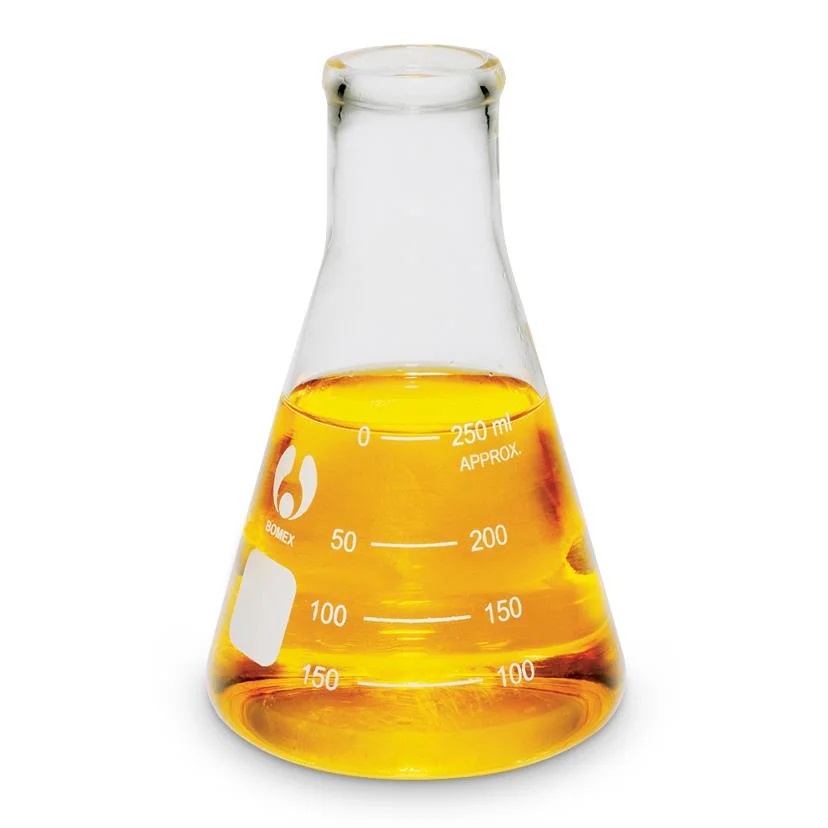
| Appearance | Clear, colorless to yellowish or brownish, viscous oil |
| Odor | Almost odorless |
| Taste | Mild, characteristic |
CHEMICAL STRUCTURE
Alpha-Tocopherol
CH₃
|
HO—C₆H₂—(CH₂)₃—CH—(CH₂)₃—CH—(CH₂)₃—CH—CH₃
| | |
CH₃ CH₃ CH₃
Molecular Formula: C₂₉H₅₀O₂
SMILES: CC1=C(C(=C(C=C1CCC@HCCCC(C)CCCC(C)CCCC(C)C)O)C)C
InChIKey: GVJHHUAWPYXKBD-UHFFFAOYSA-N
Structure: Chromanol ring with a long phytyl side chain; Natural antioxidant; Fat-soluble vitamin; Most active and bioavailable form of vitamin E.
SECTION 1: CHEMICAL IDENTITY AND DESCRIPTION
| Parameter | Information |
|---|---|
| Product Name | Alpha-Tocopherol |
| Chemical Name | 2,5,7,8-Tetramethyl-2-(4,8,12-trimethyltridecyl)-3,4-dihydro-2H-1-benzopyran-6-ol |
| Synonyms (Turkish) | Alfa Tokoferol, Vitamin E, E307, E307a, E307b |
| Synonyms (English) | Alpha-Tocopherol, Vitamin E, DL-Alpha-Tocopherol, D-Alpha-Tocopherol, RRR-Alpha-Tocopherol, all-rac-Alpha-Tocopherol |
| E Number | E307, E307a (natural D-alpha-tocopherol), E307b (mixed tocopherol concentrate) |
| CAS Numbers | 59-02-9 (natural D-alpha-tocopherol) |
| 10191-41-0 (synthetic DL-alpha-tocopherol) | |
| Molecular Formula | C₂₉H₅₀O₂ |
| Molecular Weight | 430.71 g/mol |
| Chemical Class | Fat-soluble vitamin; Tocopherol; Antioxidant |
| Source | Natural (vegetable oils) or synthetic (condensation) |
| Physical State (20°C) | Liquid (viscous oil) |
| Odor | Almost odorless |
| Color | Clear, colorless to yellowish or brownish |
| Taste | Mild, characteristic |
| Biological Activity | D-alpha-tocopherol: Highest; DL-alpha-tocopherol: Lower |
SECTION 2: PHYSICAL AND CHEMICAL PROPERTIES
| Property | Value | Test Method / Note |
|---|---|---|
| Appearance | Clear, colorless to yellowish/brownish viscous oil | Visual |
| Odor | Almost odorless | Olfactometric |
| Molecular Weight | 430.71 g/mol | Calculated |
| Density (20°C) | 0.950 g/cm³ | ASTM D4052 |
| Melting Point | 2.5 – 3.5°C | DSC |
| Boiling Point | ~393°C | – |
| Flash Point | ~240°C (closed cup) | – |
| Refractive Index (20°C) | 1.503 – 1.507 | – |
| Solubility in Water | Insoluble | General Method |
| Solubility in Fats/Oils | Freely soluble | General Method |
| Solubility in Ethanol | Soluble | General Method |
| Solubility in Acetone | Soluble | General Method |
| Solubility in Chloroform | Soluble | General Method |
| pH | Neutral | – |
| Optical Rotation (DL) | -0.01° to +0.01° | Polarimetry |
| Stability | Sensitive to light, heat, and oxygen; Degrades upon oxidation | – |
| Antioxidant Activity | High | – |
| Acid Value | ≤ 1.0 mg KOH/g | Titrimetric |
| Assay (DL-Alpha-Tocopherol) | 96.0 – 102.0% | HPLC / Titrimetric |
| Ash | ≤ 0.1% | Gravimetric |
| Heavy Metals | ≤ 10 ppm | AAS / ICP |
| Arsenic (As) | ≤ 3 ppm | AAS / ICP |
| Lead (Pb) | ≤ 2 ppm | AAS / ICP |
| Mercury (Hg) | ≤ 1 ppm | AAS / ICP |
SECTION 3: ALPHA-TOCOPHEROL FORMS
| Type | CAS Number | Description | Source | Activity |
|---|---|---|---|---|
| D-alpha-Tocopherol (RRR) | 59-02-9 | Natural form; Highest biological activity; Preferred form by the body | Natural (vegetable oils) | Highest |
| DL-alpha-Tocopherol (all-rac) | 10191-41-0 | Synthetic form; Racemic mixture (8 stereoisomers); Lower biological activity | Synthetic | Moderate |
| D-alpha-Tocopheryl Acetate | 58-95-7 | Esterified natural form; More stable; Widely used in cosmetics and food | Natural/synthetic | After hydrolysis |
| DL-alpha-Tocopheryl Acetate | 7695-91-2 | Esterified synthetic form; More stable | Synthetic | After hydrolysis |
| Mixed Tocopherols | – | Natural mixture (alpha, beta, gamma, delta) | Natural | Variable |
SECTION 4: MECHANISM OF ACTION
| Property | Description |
|---|---|
| Antioxidant | Neutralizes free radicals; Protects cell membranes from oxidative damage; Prevents lipid peroxidation; Protects polyunsaturated fatty acids |
| Free Radical Scavenger | Donates hydrogen atom to free radicals; Breaks lipid peroxidation chain reaction; Protects against oxidative stress |
| Cell Membrane Protection | Stabilizes cell membranes; Protects against oxidative damage; Maintains membrane fluidity |
| Immune System Support | Enhances immune function; Supports T-cell proliferation; Protects immune cells from oxidative damage |
| Neurological Protection | Protects neurons from oxidative damage; Supports cognitive function; May reduce risk of neurodegenerative diseases |
| Cardiovascular Support | Protects LDL cholesterol from oxidation; Supports heart health; Inhibits blood clotting (anti-thrombotic) |
| Anti-inflammatory | Reduces inflammation; Modulates inflammatory mediators; Supports tissue healing |
| Skin Protection | Protects skin from UV damage; Prevents premature aging; Supports collagen production |
SECTION 5: PRODUCTION METHODS
Method 1: Natural Extraction
Process: Vegetable oils → Extraction → Molecular Distillation → Purification → D-alpha-tocopherol
Description: Tocopherols are extracted from vegetable oils (soybean, sunflower, corn, wheat germ); Purified by molecular distillation; Natural D-alpha-tocopherol (RRR) is obtained.
Method 2: Synthetic Synthesis (Condensation)
Process: Trimethylhydroquinone (TMHQ) + Isophytol → Condensation → DL-alpha-tocopherol
Description: Trimethylhydroquinone and isophytol are condensed to form DL-alpha-tocopherol; Racemic mixture (8 stereoisomers); Purified by vacuum distillation.
Method 3: Fermentation (Semi-Synthetic)
Process: Natural precursors → Fermentation → Purification → Natural tocopherol
Description: Fermentation using precursors from natural sources; More sustainable method; Increasingly common.
SECTION 6: FUNCTIONAL PROPERTIES
| Property | Description |
|---|---|
| Antioxidant (Food) | Prevents oxidation of fats and oils; Extends shelf life of fatty foods; Prevents rancidity; Protects flavors and colors; Used at 200-500 mg/kg oil |
| Nutritional Supplement | Provides essential vitamin E; Supports immune function; Protects against oxidative stress; Daily requirement: 15 mg/day |
| Cosmetic Ingredient | Anti-aging agent; Moisturizer; Skin protector; UV protection support; Used in creams, lotions, serums, lipsticks |
| Pharmaceutical Ingredient | Active ingredient in supplements; Antioxidant therapy; Wound healing support; Neuroprotective agent |
| Feed Additive | Vitamin source and antioxidant in animal feed; Improves meat quality; Supports animal health |
| Fat Stabilizer | Prevents rancidity in oils and fats; Protects against oxidation during storage; Extends product shelf life |
| Synergistic Effect | Works synergistically with ascorbic acid (vitamin C); Enhanced activity with lecithin and ascorbyl palmitate |
SECTION 7: MAIN APPLICATION AREAS
| Industry / Application | Function | Typical Use |
|---|---|---|
| Food Industry (E307) | Antioxidant, vitamin source | Vegetable oils, margarine, fats, fish oil, ready desserts, soups, potato chips, chewing gum, meat products (pork, turkey); 200-1000 mg/kg oil |
| Food Supplements | Vitamin source, antioxidant | Vitamin E supplements; Multivitamin formulations; Sports nutrition; Health products |
| Cosmetics | Anti-aging, moisturizer, skin protector | Creams, lotions, serums, sunscreens, lip balms, lipsticks; Body and face oils |
| Pharmaceutical | Active ingredient, antioxidant | Vitamin E supplements; Antioxidant therapy; Neuroprotective formulations; Parenteral use (sterilization required) |
| Animal Feed | Vitamin source, antioxidant | Poultry, swine, cattle feed; Pet food; Fish feed |
| Baby Food | Vitamin source | Infant formulas; Baby foods; Pediatric nutrition |
| Functional Foods | Antioxidant, vitamin source | Fortified foods; Health drinks; Energy bars |
SECTION 8: SAMPLE FORMULATIONS
Oil Antioxidant Blend:
| Component | Amount |
|---|---|
| Alpha-Tocopherol (E307) | 200 – 500 mg/kg oil |
| Vegetable Oil | 100% |
| Ascorbyl Palmitate (Synergist) | 50 – 100 mg/kg oil |
Instructions: Dissolve alpha-tocopherol in oil with gentle heating (40-50°C); Add ascorbyl palmitate for synergistic effect; Store in cool, dark place.
Vitamin E Supplement (Capsule, 400 IU):
| Component | Amount |
|---|---|
| Alpha-Tocopherol (DL or D) | 400 IU |
| Vegetable Oil (Carrier) | As required |
| Gelatin Capsule | 1 capsule |
Instructions: Fill capsule with alpha-tocopherol and carrier oil; Seal; Standard packaging.
Cosmetic Cream (100 g):
| Component | Amount |
|---|---|
| Alpha-Tocopherol | 0.5 – 2.0 g |
| Emulsifiers | As required |
| Carrier Oils | As required |
| Water | To 100 g |
| Preservatives | As required |
Instructions: Dissolve alpha-tocopherol in oil phase; Emulsify with water phase; Cool with mixing; Add preservatives.
SECTION 9: QUALITY SPECIFICATIONS
| Parameter | Food Grade (E307) | Pharmaceutical Grade | Test Method |
|---|---|---|---|
| Appearance | Clear to yellowish/brownish oil | Clear to yellowish/brownish oil | Visual |
| Assay (Alpha-Tocopherol) | 96.0 – 102.0% | 96.0 – 102.0% | HPLC / Titrimetric |
| Refractive Index (20°C) | 1.503 – 1.507 | 1.503 – 1.507 | – |
| Optical Rotation (DL) | -0.01° to +0.01° | -0.01° to +0.01° | Polarimetry |
| Acid Value | ≤ 1.0 mg KOH/g | ≤ 0.5 mg KOH/g | Titrimetric |
| Ash | ≤ 0.1% | ≤ 0.1% | Gravimetric |
| Heavy Metals (as Pb) | ≤ 10 ppm | ≤ 5 ppm | AAS / ICP |
| Arsenic (As) | ≤ 3 ppm | ≤ 1 ppm | AAS / ICP |
| Lead (Pb) | ≤ 2 ppm | ≤ 1 ppm | AAS / ICP |
| Mercury (Hg) | ≤ 1 ppm | ≤ 0.5 ppm | AAS / ICP |
| Related Substances | ≤ 2.5% | ≤ 2.5% | GC / HPLC |
SECTION 10: TOXICOLOGICAL PROFILE
| Parameter | Value |
|---|---|
| Acute Oral Toxicity (LD50, Mouse) | 5,000 mg/kg (practically non-toxic) |
| Acute Dermal Toxicity | Non-irritating |
| Skin Irritation | Non-irritating |
| Eye Irritation | Mild irritation |
| Chronic Toxicity | Non-toxic; FDA GRAS status; Food additive E307 |
| Carcinogenicity | Not classified as carcinogenic |
| Mutagenicity | Not mutagenic |
| Reproductive Toxicity | No reproductive toxicity at normal levels |
| Allergenicity | Not a common allergen |
| Acceptable Daily Intake | 0.15 – 2.0 mg/kg body weight (WHO) |
| Upper Limit (Adult) | 1,000 mg/day |
| Special Toxicity Note | Generally safe; High doses (>1,000 mg/day) may increase bleeding risk (anticoagulant effect); Caution with warfarin/coumarin users; May cause nausea, diarrhea, fatigue, headache; Natural antioxidant; Essential nutrient; FDA GRAS; E307 approved |
SECTION 11: GHS CLASSIFICATION AND LABELING
GHS Classification (in accordance with CLP and UN GHS):
| Hazard Class | Category | H-Statement |
|---|---|---|
| Not classified as hazardous | – | – |
SIGNAL WORD: NONE (not classified as hazardous)
Hazard Pictograms: NONE
Hazard Statements (H-Codes): Not classified as hazardous under GHS regulations. Some sources list H312, H315, H319, H335 for DL-alpha-tocopherol.
NFPA 704 Hazard Classification:
| Health | Flammability | Reactivity | Special |
|---|---|---|---|
| 1 | 1 | 0 | - |
| (Slight health hazard) | (Combustible) | (Stable) | (None) |
SECTION 12: PRECAUTIONARY STATEMENTS (P-CODES)
| Code | Statement |
|---|---|
| P261 | Avoid breathing dust/fume/gas/mist/vapors/spray |
| P264 | Wash hands thoroughly after handling |
| P271 | Use only outdoors or in a well-ventilated area |
| P280 | Wear protective gloves/protective clothing/eye protection/face protection |
| P302+P352 | IF ON SKIN: Wash with plenty of soap and water |
| P304+P340 | IF INHALED: Remove person to fresh air and keep comfortable for breathing |
| P305+P351+P338 | IF IN EYES: Rinse cautiously with water for several minutes. Remove contact lenses if present and continue rinsing |
| P312 | Call a POISON CENTER/doctor if you feel unwell |
| P332+P313 | If skin irritation occurs: Get medical advice/attention |
| P337+P313 | If eye irritation persists: Get medical advice/attention |
| P362+P364 | Take off contaminated clothing and wash it before reuse |
| P403+P233 | Store in a well-ventilated place. Keep container tightly closed |
| P501 | Dispose of contents/container in accordance with local/regional/national/international regulations |
SECTION 13: FIRST AID MEASURES
| Exposure Route | Action to Take |
|---|---|
| Inhalation | Remove to fresh air immediately. If respiratory irritation develops, seek medical attention. |
| Skin Contact | Wash with plenty of soap and water. If irritation persists, get medical attention. |
| Eye Contact | Rinse immediately with plenty of water for at least 15 minutes. Keep eyelids open. Remove contact lenses if present. If irritation persists, seek medical attention. |
| Ingestion | Rinse mouth. Drink plenty of water. Generally non-toxic. If large quantities are ingested and symptoms occur, seek medical attention. |
SECTION 14: FIREFIGHTING MEASURES
| Parameter | Information |
|---|---|
| Fire Hazard | Combustible organic material. Flash point ~240°C. May burn if exposed to high heat. |
| Hazards Arising from Fire | Thermal decomposition produces carbon monoxide, carbon dioxide, and water. |
| Suitable Extinguishing Media | Water spray, CO₂, dry chemical powder, foam. |
| Unsuitable Extinguishing Media | Water jet (may spread) |
| Special Protective Equipment | Self-contained breathing apparatus (SCBA), full protective clothing. |
| Special Precautions | Prevent from entering sewers and waterways. Keep containers cool. |
SECTION 15: STORAGE AND SHELF LIFE
| Parameter | Information |
|---|---|
| Storage Conditions | Store in a cool, dry, well-ventilated area (≤25°C); PROTECT FROM LIGHT, HEAT, and OXYGEN; Keep away from direct sunlight and high temperatures; Store under inert gas (nitrogen) if possible. |
| Container Requirements | Tightly closed, light-proof, oxygen-impermeable containers (amber glass, aluminum, stainless steel). |
| Materials to Protect From | Light, heat, oxygen, strong oxidizing agents, moisture |
| Shelf Life | 24 months (in unopened original packaging, under proper storage conditions). |
| Stability Note | Sensitive to light, heat, and oxygen; Degrades upon oxidation (darkens); Keep container tightly closed; Protect from excessive heat and light; Store under nitrogen. |
| Special Storage Requirements | Store in a dark, cool, dry place; Avoid exposure to air and light; Opened containers must be flushed with nitrogen and resealed immediately. |
SECTION 16: PACKAGING OPTIONS
| Packaging Type | Quantity | Material |
|---|---|---|
| Amber Glass Bottle | 100 mL, 500 mL, 1 L | Amber glass (light-proof) |
| Aluminum Bottle | 1 L, 5 L, 10 L | Aluminum (oxygen-impermeable) |
| Stainless Steel Drum | 25 kg, 50 kg, 200 kg | Stainless steel (nitrogen flushed) |
| IBC Container | 1000 L | Stainless steel (nitrogen flushed) |
SECTION 17: TRANSPORT INFORMATION
| Parameter | Information |
|---|---|
| UN Number | Not regulated (non-hazardous) |
| Hazard Class | Not applicable |
| Packing Group | Not applicable |
| ADR/RID | Not regulated |
| IMDG Code | Not regulated (non-hazardous) |
| IATA (Air) | Not regulated (non-hazardous) |
| Marine Pollutant | No |
| Transport Temperature | Ambient temperature; Protect from light and heat. |
SECTION 18: REGULATORY STATUS
| Region / Authority | Status |
|---|---|
| European Union | Food additive E307/E307a/E307b approved by EFSA; Ph.Eur. monograph compliant |
| USA (TSCA) | Listed (TSCA Inventory) |
| USA (FDA) | GRAS (Generally Recognized as Safe) – 21 CFR 182.3890; Food additive; Dietary supplement; USP monograph compliant |
| Turkey | Food additive E307; Subject to KKDIK regulation; Dietary supplement |
| IARC | Not classified (non-toxic, non-carcinogenic) |
| NTP | Not listed |
| OSHA | Not regulated as toxic or carcinogenic substance |
| California (Prop 65) | Not listed |
| USP/NF | Listed as pharmaceutical ingredient |
| FCC (Food Chemicals Codex) | Listed |
| Halal | Yes |
| Kosher | Yes |
| Vegan | Yes |
SECTION 19: OTHER NAMES AND SYNONYMS
| Type | Name |
|---|---|
| Turkish Names | Alfa Tokoferol, Vitamin E, E307, E307a, E307b |
| English Names | Alpha-Tocopherol, Vitamin E, DL-Alpha-Tocopherol, D-Alpha-Tocopherol, RRR-Alpha-Tocopherol, all-rac-Alpha-Tocopherol |
| Chemical Names | 2,5,7,8-Tetramethyl-2-(4,8,12-trimethyltridecyl)-3,4-dihydro-2H-1-benzopyran-6-ol; 3,4-Dihydro-2,5,7,8-tetramethyl-2-(4,8,12-trimethyltridecyl)-2H-1-benzopyran-6-ol |
| E Numbers | E307, E307a, E307b |
| CAS Numbers | 59-02-9 (D-alpha-tocopherol); 10191-41-0 (DL-alpha-tocopherol) |
| Molecular Formula | C₂₉H₅₀O₂ |
| HS Code | 2936.28 |
| Synonyms | Vitamin E alcohol, DL-Vitamin E, IRGANOX E 201, Phytogermine, Profecundin |
SECTION 20: SUMMARY TABLE
| Parameter | D-alpha-Tocopherol (Natural) | DL-alpha-Tocopherol (Synthetic) |
|---|---|---|
| CAS Number | 59-02-9 | 10191-41-0 |
| Source | Natural (vegetable oils) | Synthetic (condensation) |
| Stereoisomers | 1 (RRR) | 8 (racemic mixture) |
| Biological Activity | Highest | Lower |
| E Number | E307a | E307 |
| Primary Use | Supplements, high purity | Food, cosmetics, industrial |
| Cost | Higher | Lower |
SECTION 21: CRITICAL WARNINGS AND BEST PRACTICES
CRITICAL WARNINGS:
-
Not classified as hazardous under GHS. Non-toxic, non-carcinogenic. FDA GRAS status.
-
Food additive E307 – Approved by EFSA, FDA, and WHO JECFA.
-
Sensitive to light, heat, and oxygen – degrades upon oxidation. Store in tightly closed, light-proof, oxygen-impermeable containers. Store under inert gas (nitrogen).
-
Fat-soluble vitamin – best absorbed with fats/oils; Take with meals containing fat.
-
High doses (>1,000 mg/day) – may increase bleeding risk (anticoagulant effect); Caution with warfarin/coumarin users.
-
Natural (D) and synthetic (DL) forms – biological activity differs; D-alpha-tocopherol is more active.
-
Ester forms (acetate, succinate) – more stable; Hydrolyzed in the body to release active form.
-
Combustible – flash point ~240°C; Keep away from open flames and high heat.
-
Essential nutrient – required for human health; Daily requirement: 15 mg/day.
-
Not a common allergen – suitable for most individuals.
BEST PRACTICE RECOMMENDATIONS:
Food Industry (E307): Use as antioxidant to prevent rancidity; Vegetable oils, margarine, fats, fish oil, meat products; Dosage: 200-500 mg/kg oil (up to 1,000 mg/kg for chewing gum and flavors); Add at the end of processing; Protect from light and heat; Combine with ascorbyl palmitate for synergistic effect.
Cosmetics: Use as anti-aging and moisturizing agent; Creams, lotions, serums, sunscreens, lipsticks; Dosage 0.5-2.0%; Dissolve in oil phase; Protects skin from UV damage; Prevents premature aging.
Dietary Supplements: Use as vitamin source; 100-1000 IU per serving; Take with fatty meals for better absorption; Combine with other antioxidants; Follow recommended daily intake (15 mg/day).
Pharmaceutical: Use as active ingredient; Vitamin E supplements; Antioxidant therapy; Parenteral use requires sterilization.
Animal Feed: Use as vitamin source and antioxidant; Poultry, swine, cattle feed; Dosage 10-100 g/ton; Improves meat quality; Supports animal health.
Handling: Use in well-ventilated areas; Avoid dust formation (liquid form); Use gloves and safety goggles.
Personal Protective Equipment: Safety goggles, protective gloves (nitrile, neoprene). Not required for handling.
Hygiene: Wash hands thoroughly after handling; Do not eat, drink, or smoke while using.
Storage: Store in tightly closed, light-proof, oxygen-impermeable containers; Store in a cool, dry, well-ventilated area (≤25°C); Protect from light, heat, and oxygen; Store under inert gas (nitrogen); Opened containers must be flushed with nitrogen and resealed immediately; Shelf life: 24 months under proper conditions.
Spill Management: Absorb with inert material (sand, vermiculite); Place in suitable sealed container; Do not allow entry into drains or waterways.
Disposal: Dispose of in accordance with local, regional, and national regulations; Non-hazardous waste; Can be incinerated in compliance with regulations.
NATURAL SOURCES OF VITAMIN E:
| Source | Vitamin E Content (mg/100g) |
|---|---|
| Wheat Germ Oil | ~150 – 200 |
| Sunflower Oil | ~40 – 60 |
| Almonds | ~25 – 30 |
| Hazelnuts | ~15 – 20 |
| Soybean Oil | ~10 – 20 |
| Spinach | ~2 – 3 |
| Avocado | ~2 – 3 |
| Mango | ~1 – 2 |
DAILY REQUIREMENT (RECOMMENDED DAILY ALLOWANCE):
| Age Group | Daily Requirement |
|---|---|
| Adults | 15 mg/day (22.4 IU) |
| Children (1-3 years) | 6 mg/day |
| Children (4-8 years) | 7 mg/day |
| Adolescents (9-13 years) | 11 mg/day |
| Pregnant Women | 15 mg/day |
| Lactating Women | 19 mg/day |
LEGAL DISCLAIMER:
The information provided in this document is based on our current knowledge and experience and is presented in good faith. However, as all conditions of use are beyond our control, it does not constitute a binding specification or warranty. This Technical Data Sheet is for informational purposes only. Users are responsible for testing the suitability for their own applications. For complete safety, storage, use, handling, waste, and regulatory compliance information, please refer to the official Safety Data Sheet (SDS/MSDS) provided by the manufacturer/supplier.