We unleash your business potential by maximize the business innovation.
Send EmailCalcium Stearoyl Lactylate, Calcium Stearoyl-2-Lactylate, Calcium Stearate Lactate, CSL, E482, 5793-94-2
CALCIUM STEAROYL LACTYLATE (CSL / E482)
CAS Number: 5793-94-2
EC Number (EINECS): 227-335-7
Molecular Formula: C₄₈H₈₆CaO₁₂ (typical)
Molecular Weight: ~900 g/mol (average)
E Number: E482
SECTION 1: PRODUCT IDENTIFICATION AND CHEMICAL IDENTITY
| Parameter | Description |
|---|---|
| Chemical Name (IUPAC) | Calcium bis(2-stearoyloxy)propanoate |
| Other Names | Calcium Stearoyl Lactylate, Calcium Stearoyl-2-Lactylate, Calcium Stearate Lactate, CSL, Stearoyl Lactic Calcium |
| CAS Number | 5793-94-2 |
| EC Number (EINECS) | 227-335-7 |
| E Number | E482 |
| Molecular Formula | C₄₈H₈₆CaO₁₂ (typical) |
| Molecular Weight | ~900 g/mol (average) |
| Chemical Class | Lactic acid ester (calcium salt) |
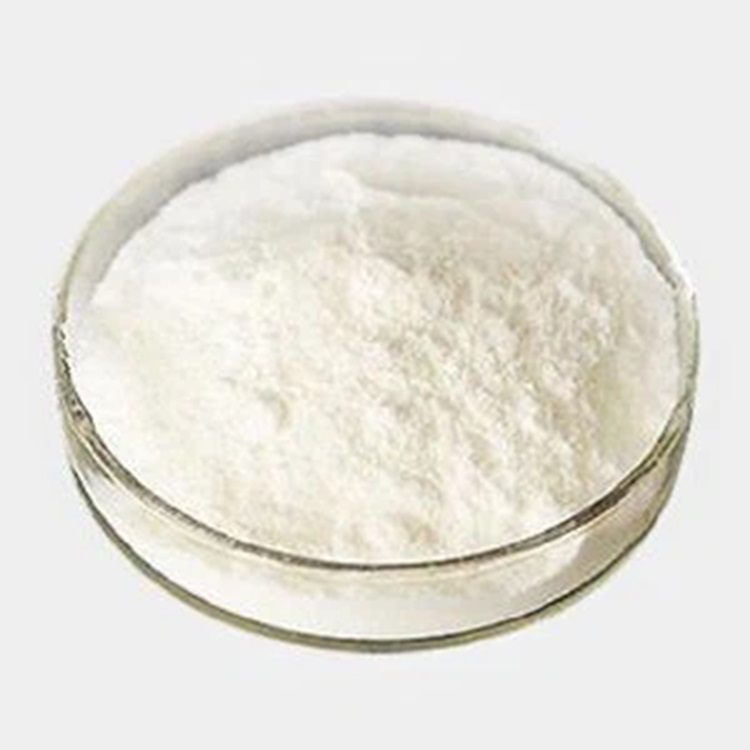
| Appearance | Cream-colored powder |
| Odor | Mild caramel odor |
| Physical State | Solid (powder) |
| Taste | Mild, characteristic |
SECTION 2: PHYSICAL AND CHEMICAL PROPERTIES
| Property | Value / Range |
|---|---|
| Appearance | Cream-colored powder |
| Odor | Mild caramel odor |
| Melting Point | ~45-55°C |
| Density | ~0.45-0.65 g/cm³ |
| Solubility in Water | Limited (better in hot water) |
| Solubility in Oils | Soluble (hot) |
| Solubility in Ethanol | Partially soluble |
| Acid Value | ≤ 10 mg KOH/g |
| Saponification Value | 190-220 mg KOH/g |
| Ester Value | 170-200 mg KOH/g |
| Calcium Content | 4.5 - 6.5% |
| Lactic Acid Content | 35-45% |
| Stearic Acid Content | 50-65% |
| Water Content | ≤ 2.0% |
| Ash Content | ≤ 1.0% |
| pH (Suspension) | ~5.0-6.0 |
SECTION 3: SOLUBILITY PROFILE
| Solvent | Solubility | Condition |
|---|---|---|
| Water | Limited (better hot) | - |
| Hot Water | Soluble | > 50°C |
| Vegetable Oils | Soluble | Hot |
| Ethanol | Partially soluble | - |
| Propylene Glycol | Slightly soluble | - |
| Glycerin | Dispersible | - |
Critical Note: Calcium stearoyl lactylate has limited solubility in water but dissolves better in hot water and oils. This makes it an effective emulsifier for both water-based and oil-based systems.
SECTION 4: CHEMICAL PROPERTIES AND REACTIONS
| Property | Description |
|---|---|
| Chemical Class | Lactic acid ester (calcium salt) |
| Functional Groups | Ester (-COOR), carboxylate (-COO⁻Ca²⁺) |
| Reactivity | Low under normal conditions |
| Hydrolysis | Hydrolyzes to stearic acid, lactic acid, and calcium salts |
| Thermal Decomposition | > 200°C releases CO, CO₂ |
| pH Stability | Stable at acidic and neutral pH |
| Calcium Ions | Functions as a calcium source |
4.1. Key Reactions
| Reaction Type | Description |
|---|---|
| Hydrolysis | Hydrolyzes to stearic acid, lactic acid, and calcium salts in acidic/basic media |
| Esterification | Synthesized from lactic acid and stearic acid |
| Salt Formation | Forms stable salts with calcium ions |
SECTION 5: FUNCTIONAL PROPERTIES
| Property | Description |
|---|---|
| Emulsifier Type | Anionic emulsifier |
| HLB Value | ~5-6 |
| Emulsion Type | W/O and O/W |
| Dough Strengthening | Increases dough elasticity |
| Texture Improvement | Improves volume and texture of products |
| Shelf Life | Extends product shelf life |
| Crystallization Control | Controls fat crystallization |
| Calcium Source | Provides calcium fortification to foods |
SECTION 6: MAJOR APPLICATIONS AND END-USES
6.1. Bakery Industry (Most Important Application)
| Application | Function | Suitability |
|---|---|---|
| Bread | Dough strengthener, volume enhancer | High |
| Cakes | Texture improver, volume enhancer | High |
| Cookies | Texture and consistency improver | High |
| Tortillas | Flexibility enhancer | High |
| Bakery Products | Shelf-life extender | High |
6.2. Dairy Products
| Application | Function | Suitability |
|---|---|---|
| Ice Cream | Emulsifier, texture improver | High |
| Processed Cheese | Emulsifier, consistency improver | High |
6.3. Sauces and Margarine
| Application | Function | Suitability |
|---|---|---|
| Margarine | Emulsifier, stabilizer | High |
| Sauces | Emulsion stabilizer | High |
| Salad Dressings | Prevents separation, provides homogeneous structure | High |
6.4. Convenience Foods
| Application | Function | Suitability |
|---|---|---|
| Ready Mixes | Texture improver, stabilizer | High |
| Soups | Consistency enhancer | High |
| Instant Desserts | Texture improver | High |
6.5. Cosmetics and Personal Care
| Application | Function | Suitability |
|---|---|---|
| Creams and Lotions | Emulsifier, thickener | Moderate |
| Hair Care Products | Emulsifier | Moderate |
SECTION 7: INDUSTRY SUITABILITY MATRIX
| Industry | Suitability | Explanation |
|---|---|---|
| Bakery | High | Dough strengthener, volume enhancer |
| Dairy | High | Emulsifier, texture improver |
| Food Industry | High | Emulsifier (E482), stabilizer |
| Sauces | High | Emulsion stabilizer |
| Convenience Foods | High | Texture improver, stabilizer |
| Cosmetics | Moderate | Emulsifier, thickener |
| Pharmaceuticals | Low | Limited use |
SECTION 8: BAKERY APPLICATIONS - FUNCTIONAL ROLES
| Function | Description |
|---|---|
| Dough Strengthening | Strengthens gluten network, increases dough elasticity |
| Volume Enhancement | Increases volume in breads and cakes |
| Texture Improvement | Provides softer and more homogeneous crumb structure |
| Shelf-Life Extension | Retards staling, extends freshness |
| Emulsion Stabilization | Ensures homogeneous mixing of fat and water |
SECTION 9: COMPARISON WITH OTHER EMULSIFIERS
| Property | CSL (E482) | SSL (E481) | DATEM (E472e) | Lecithin (E322) |
|---|---|---|---|---|
| Chemical | Calcium stearoyl lactylate | Sodium stearoyl lactylate | Diacetyl tartaric acid esters | Lecithin |
| Ionic Type | Anionic | Anionic | Non-ionic | Amphoteric |
| HLB Value | ~5-6 | ~8-10 | ~8-12 | ~4-8 |
| Dough Strengthening | High | High | Moderate | Low |
| Volume Enhancement | High | High | High | Low |
| Calcium Source | Yes | No | No | No |
| Primary Use | Bread, cakes | Bread, cakes | Bread, pastries | Chocolate, emulsions |
SECTION 10: OTHER NAMES AND IDENTIFIERS
| Type | Name / Description |
|---|---|
| Turkish Names | Kalsiyum Stearoil Laktilat, Stearoil Laktilik Kalsiyum, Kalsiyum Stearoil-2-Laktilat |
| English Names | Calcium Stearoyl Lactylate, Calcium Stearoyl-2-Lactylate, Calcium Stearate Lactate, CSL |
| E Number | E482 |
| CAS Number | 5793-94-2 |
| EC Number | 227-335-7 |
| HLB Value | ~5-6 |
SECTION 11: TOXICOLOGY AND SAFETY
| Parameter | Value / Description |
|---|---|
| GHS Classification | Not classified |
| Oral LD50 (Rat) | > 5,000 mg/kg |
| Skin Irritation | Mild irritant |
| Eye Irritation | Mild irritant |
| Skin Sensitization | Not sensitizing |
| Mutagenicity | Negative |
| Carcinogenicity | Not classified |
| Regulatory Status | EU (E482), USA (GRAS), JECFA approved |
| Safety | Safe within recommended usage limits |
| Target Organs | Skin, eyes (mild irritation) |
| ADI (Acceptable Daily Intake) | 0-20 mg/kg body weight (JECFA) |
SECTION 12: SAFETY AND STORAGE
| Parameter | Information |
|---|---|
| Storage Conditions | Cool, dry, well-ventilated area |
| Temperature | 15-25°C (room temperature) |
| Container | Tightly closed, original packaging |
| Light Protection | Protect from direct sunlight |
| Moisture Sensitivity | Protect from moisture |
| Shelf Life | 24 months (under recommended conditions) |
| Packaging | 25 kg bags, 50 kg drums |
SECTION 13: TRANSPORT INFORMATION
| Parameter | Information |
|---|---|
| UN Number | Not regulated (not dangerous goods) |
| Hazard Class | Not applicable |
| Packing Group | Not applicable |
| Proper Shipping Name | Calcium Stearoyl Lactylate |
| ADR/RID | Not regulated |
| IMDG Code | Not regulated |
| IATA (Air) | Not regulated |
| Marine Pollutant | No |
SECTION 14: FIRE-FIGHTING MEASURES
| Parameter | Information |
|---|---|
| Fire Hazard | Combustible dust |
| Extinguishing Media | Water fog, CO₂, dry chemical, foam |
| Special Hazards | When heated, releases CO, CO₂ |
| Decomposition Products | CO, CO₂, calcium oxide |
| Protective Equipment | Self-contained breathing apparatus (SCBA), full protective clothing |
SECTION 15: ACCIDENTAL RELEASE AND CLEANUP
| Parameter | Information |
|---|---|
| Personal Protection | Gloves, safety goggles, dust mask |
| Cleanup Methods | Sweep while preventing dust formation; collect in sealed containers |
| Environmental Precautions | Prevent entry into drains |
| Waste Disposal | According to local regulations |
SECTION 16: REGULATORY INFORMATION
| Region / Authority | Status |
|---|---|
| EU REACH | Registered |
| Turkey KKDİK | Registration required |
| USA TSCA | Listed |
| USA FDA | GRAS (21 CFR 172.844) |
| EU Food Additives | Approved as E482 |
| JECFA | Approved (ADI: 0-20 mg/kg body weight) |
| EINECS | 227-335-7 |
| WGK (Germany) | 1 (slight hazard to water) |
SECTION 17: SUMMARY AND CRITICAL WARNINGS
Product Summary
| Parameter | Value |
|---|---|
| Product | Calcium Stearoyl Lactylate (CSL / E482) |
| CAS | 5793-94-2 |
| Appearance | Cream-colored powder |
| Melting Point | ~45-55°C |
| HLB Value | ~5-6 |
| Key Industries | Bakery, dairy, sauces |
CRITICAL WARNINGS
-
Essential in Bakery: CSL is an essential ingredient in bakery products such as bread, cakes, and cookies as a dough strengthener and volume enhancer. It strengthens the gluten network and improves product texture.
-
Calcium Source: CSL provides calcium fortification to foods. Calcium content ranges from 4.5-6.5%.
-
Dual Function Emulsifier: Effective in both oil-in-water (O/W) and water-in-oil (W/O) emulsions. HLB value ~5-6 provides versatile use.
-
Shelf-Life Extension: Retards staling in bakery products, extends freshness, and improves product shelf life.
-
GRAS Approved: Approved as GRAS by the USA FDA (21 CFR 172.844). Approved as E482 in the EU.
-
Powder Form: Cream-colored powder form. Provides ease of use.
-
Limited Water Solubility: Limited solubility in water but dissolves better in hot water and oils.
-
Comparison with SSL: CSL (E482) and SSL (E481) have similar properties. CSL differs by its calcium content and is preferred in some applications.
-
Emulsion Stability: Improves emulsion stability in sauces, margarine, and salad dressings, preventing separation.
-
Regulatory Status: Approved by the EU (E482) and USA (GRAS). JECFA has set an ADI of 0-20 mg/kg body weight.
IMPORTANT DISCLAIMER: This Technical Data Sheet (TDS) is for informational purposes only and is based on available technical data. The user is solely responsible for determining the product's suitability for their specific application and for complying with all applicable local, national, and international regulations. For complete safety, storage, handling, transportation, disposal, and regulatory compliance information, always refer to the official Safety Data Sheet (SDS/MSDS) provided by the manufacturer/supplier. Users are responsible for testing the product in their own processes and applications. All local, national, and international regulations must be followed when working with Calcium Stearoyl Lactylate.