We unleash your business potential by maximize the business innovation.
Send EmailProcaine Hydrochloride, Procaine HCl, Procaine Base, 59-46-1, 51-05-8
PROCAINE HYDROCHLORIDE
PRODUCT IDENTIFIER INFORMATION
| Parameter | Information |
|---|---|
| Product Name | Procaine Hydrochloride |
| Chemical Name (IUPAC) | 2-(Diethylamino)ethyl 4-aminobenzoate hydrochloride |
| CAS Number | 59-46-1 (Procaine HCl) / 51-05-8 (Procaine Base) |
| EC Number (EINECS) | 200-265-8 |
| Molecular Formula | C13H21ClN2O2 (HCl salt) / C13H20N2O2 (base) |
| Molecular Weight (HCl Salt) | 272.77 g/mol |
| Molecular Weight (Base) | 236.31 g/mol |
SECTION 1: CHEMICAL IDENTITY AND DESCRIPTION
| Parameter | Information |
|---|---|
| Chemical Name (IUPAC) | 2-(Diethylamino)ethyl 4-aminobenzoate hydrochloride |
| Systematic Name | 4-Aminobenzoic Acid 2-(Diethylamino)ethyl Ester Hydrochloride |
| Synonyms | Procaine Hydrochloride, Procaine HCl, Novocaine, Aminocaine, Ethocaine, Gerovital |
| CAS Number (HCl Salt) | 59-46-1 |
| CAS Number (Base) | 51-05-8 |
| EC Number (EINECS) | 200-265-8 |
| Molecular Formula (HCl Salt) | C13H21ClN2O2 |
| Molecular Formula (Base) | C13H20N2O2 |
| Molecular Weight (HCl Salt) | 272.77 g/mol |
| Molecular Weight (Base) | 236.31 g/mol |
| Chemical Class | Ester-type local anesthetic (para-aminobenzoic acid ester) |
| Physical State (20°C) | Solid (white crystalline powder) |
| Odor | Odorless |
| Taste | Bitter; temporary numbness on tongue |
SECTION 2: PHYSICAL AND CHEMICAL PROPERTIES
| Property | Value | Test Method |
|---|---|---|
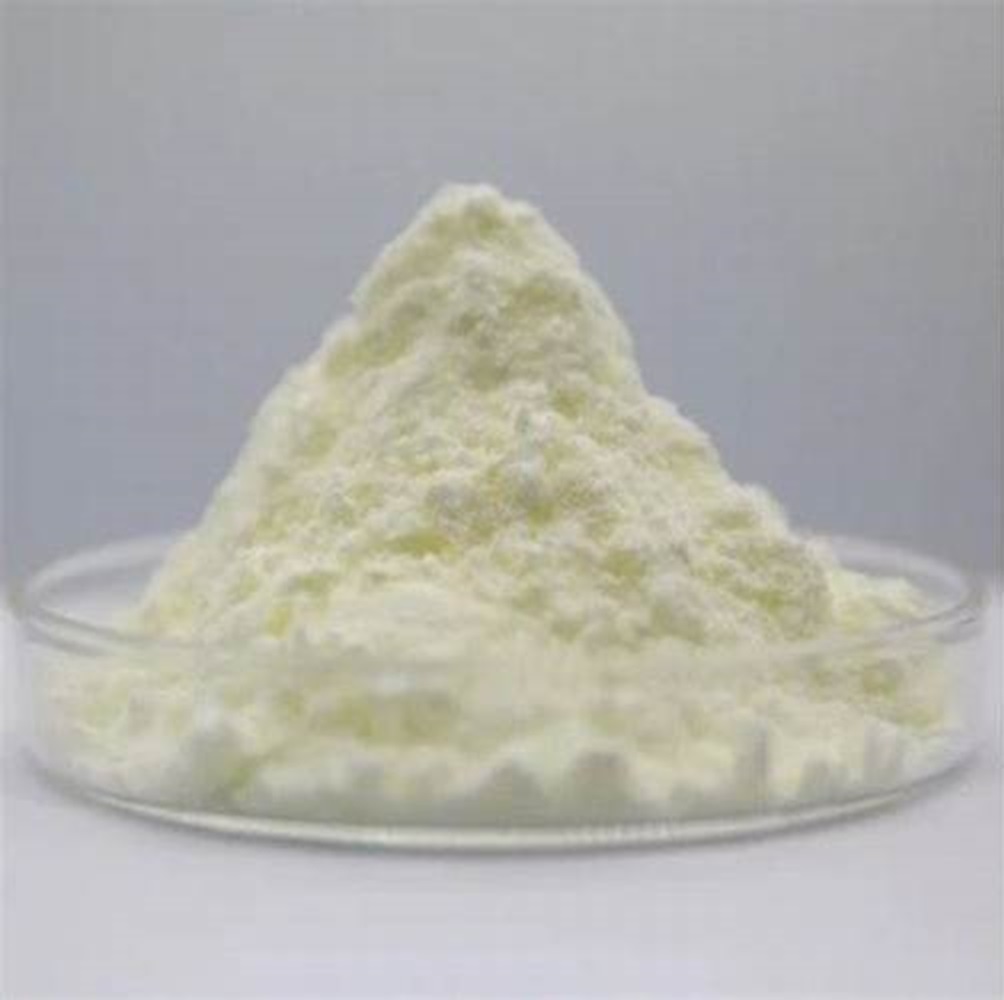
| Appearance | White crystalline powder | Visual |
| Odor | Odorless | Olfactometric |
| Taste | Bitter; temporary numbness | Sensory |
| Molecular Weight (HCl Salt) | 272.77 g/mol | Calculated |
| Molecular Weight (Base) | 236.31 g/mol | Calculated |
| Melting Point (HCl Salt) | 153 – 156°C | DSC |
| Melting Point (Base) | 61 – 63°C | DSC |
| pKa (25°C) | ~8.9 | Potentiometric |
| Solubility in Water (HCl Salt) | Very soluble (~1 g/mL) | Gravimetric |
| Solubility in Water (Base) | Slightly soluble | General Method |
| Solubility in Ethanol | Soluble | General Method |
| Solubility in Chloroform | Soluble | General Method |
| Solubility in Ether | Slightly soluble | General Method |
| pH (2% HCl salt solution, 25°C) | 5.0 – 6.5 | pH Meter |
| Density | ~1.17 g/cm3 | ASTM D4052 |
| Stability | Stable under normal conditions; light-sensitive; hydrolyzes at alkaline pH |
SECTION 3: CHEMICAL PROPERTIES AND REACTIVITY
| Parameter | Information |
|---|---|
| Chemical Character | Ester-type local anesthetic; weak base (pKa ~8.9) |
| Stability | Stable under normal conditions; light-sensitive |
| Hydrolysis | Hydrolyzed at alkaline pH and by plasma esterases → para-aminobenzoic acid (PABA) + diethylaminoethanol |
| Decomposition Products (Heating) | CO, CO2, NOx, HCl |
| Incompatible Materials | Strong oxidizing agents, strong alkalis, silver nitrate, mercury salts |
| Reaction with Alkali | Free base precipitates; hydrolysis upon prolonged alkaline contact |
| Hazardous Polymerization | Does not occur |
SECTION 4: LOCAL ANESTHETICS COMPARISON
| Property | Procaine | Lidocaine | Bupivacaine | Tetracaine | Benzocaine |
|---|---|---|---|---|---|
| CAS Number | 59-46-1 | 137-58-6 | 38396-39-3 | 94-24-6 | 94-09-7 |
| Class | Ester | Amide | Amide | Ester | Ester |
| Onset of Action | Moderate (5-10 min) | Fast (2-5 min) | Slow (5-10 min) | Slow (5-10 min) | Slow |
| Duration of Action | Short (30-60 min) | Medium (1-2 hours) | Long (3-8 hours) | Long (2-3 hours) | Short |
| pKa | 8.9 | 7.9 | 8.1 | 8.5 | 2.5 |
| Maximum Dose | 10 mg/kg | 4.5 mg/kg | 2 mg/kg | 1.5 mg/kg | Topical |
| Allergy Risk | Moderate (PABA) | Very Low | Very Low | Moderate (PABA) | Low |
| Vasodilation | Yes | Yes | Yes | Yes | None |
| Primary Use | Infiltration, dental (historical) | Infiltration, topical | Epidural, spinal | Spinal, topical | Topical |
| Current Clinical Use | Limited (veterinary, research) | Widespread | Widespread | Limited | Widespread (topical) |
SECTION 5: PHARMACOLOGICAL PROPERTIES AND MECHANISM OF ACTION
| Property | Description |
|---|---|
| Mechanism of Action | Blocks voltage-gated sodium (Na+) channels; prevents action potential generation and conduction in nerve cells |
| Anesthetic Class | Ester-type local anesthetic (PABA ester) |
| Onset of Action | Moderate (5-10 minutes) |
| Duration of Action | Short (30-60 minutes); can be prolonged with epinephrine |
| Vasodilator Effect | Significant vasodilation; epinephrine added to slow absorption and prolong duration |
| Metabolism | Rapidly hydrolyzed by plasma pseudocholinesterases → PABA + diethylaminoethanol |
| PABA Formation | Hydrolysis releases para-aminobenzoic acid (PABA); metabolite responsible for allergic reactions |
| Sulfonamide Antagonism | PABA antagonizes the effect of sulfonamide antibiotics |
| Systemic Effects | Low toxicity profile; convulsions and cardiac depression at high doses |
SECTION 6: PRIMARY APPLICATION AREAS
| Sector / Application | Use | Typical Concentration / Dose |
|---|---|---|
| Dentistry (Historical) | Local infiltration anesthesia, nerve block | 1 – 2% (with epinephrine) |
| Surgery - Minor (Historical) | Minor surgical procedures, suturing | 0.5 – 2.0% |
| Dermatological | Topical anesthetic (limited efficacy) | 1 – 5% |
| Veterinary | Local infiltration anesthesia, nerve block | 1 – 2% |
| Research | Model compound in nerve conduction mechanism studies | Variable |
| Geriatric / Anti-aging (Gerovital) | Procaine-based anti-aging formulations (controversial efficacy) | 2% procaine HCl |
SECTION 7: QUALITY SPECIFICATIONS (PHARMACEUTICAL GRADE - USP/EP)
| Parameter | Specification | Test Method |
|---|---|---|
| Appearance | White crystalline powder | Visual |
| Odor | Odorless | Olfactometric |
| Purity (C13H21ClN2O2, Dry Basis) | 99.0 – 101.0% | HPLC / Titrimetric |
| Melting Range (HCl Salt) | 153 – 156°C | DSC / Capillary Tube |
| Loss on Drying (105°C, 2 hours) | ≤ 1.0% | Gravimetric |
| pH (2% solution, 25°C) | 5.0 – 6.5 | pH Meter |
| Chloride (Cl-) | 12.8 – 13.3% | Argentometric |
| Sulfated Ash | ≤ 0.1% | Gravimetric |
| Heavy Metals (as Pb) | ≤ 20 ppm | ICP-MS / USP <231> |
| Lead (Pb) | ≤ 3 ppm | ICP-MS |
| Arsenic (As) | ≤ 3 ppm | ICP-MS |
| Mercury (Hg) | ≤ 1 ppm | ICP-MS |
| Cadmium (Cd) | ≤ 1 ppm | ICP-MS |
| 4-Aminobenzoic Acid (PABA) | ≤ 0.5% | HPLC |
| Related Substances (Total) | ≤ 1.0% | HPLC |
| Total Microbial Count | ≤ 100 CFU/g | USP <61> |
| Yeast and Mold | ≤ 10 CFU/g | USP <61> |
| E. coli | Negative in 1g | USP <62> |
| Salmonella spp. | Negative in 25g | USP <62> |
SECTION 8: TOXICOLOGICAL PROFILE
| Parameter | Value |
|---|---|
| Acute Oral Toxicity (LD50, Rat) | ~500-800 mg/kg |
| Acute Dermal Toxicity (LD50, Rabbit) | > 2,000 mg/kg |
| Skin Irritation | Mild irritant |
| Eye Irritation | Irritant |
| Respiratory Irritation | Inhalation of dust may cause mechanical irritation |
| Carcinogenicity | Not classified (IARC, NTP) |
| Mutagenicity | Negative in in vitro tests |
| Reproductive Toxicity | Fetal effects at high doses |
| Allergenicity | Moderate risk (due to PABA metabolite); cross-allergy risk |
| Systemic Toxicity | At high doses: dizziness, convulsions, cardiac depression, hypotension |
| Toxicity Comparison | Less toxic than lidocaine; wider safety margin |
SECTION 9: GHS CLASSIFICATION AND LABELING
GHS Classification (compliant with 1272/2008/EC):
| Hazard Class | Category | H-Statement |
|---|---|---|
| Acute Toxicity (Oral) | Category 4 | H302 |
| Skin Irritation | Category 2 | H315 |
| Eye Irritation | Category 2 | H319 |
| Specific Target Organ Toxicity (STOT - SE) | Category 3 | H335 |
Signal Word: WARNING
Hazard Pictograms: GHS07 (Exclamation Mark)
Hazard Statements (H-Codes):
| Code | Statement |
|---|---|
| H302 | Harmful if swallowed |
| H315 | Causes skin irritation |
| H319 | Causes serious eye irritation |
| H335 | May cause respiratory irritation |
Precautionary Statements (P-Codes):
| Code | Statement |
|---|---|
| P261 | Avoid breathing dust |
| P280 | Wear protective gloves/eye protection |
| P302+P352 | IF ON SKIN: Wash with plenty of water and soap |
| P305+P351+P338 | IF IN EYES: Rinse cautiously with water for several minutes |
| P312 | Call a POISON CENTER/doctor if you feel unwell |
SECTION 10: FIRST AID MEASURES
| Exposure Route | Action to Take |
|---|---|
| Inhalation | Move to fresh air. Seek medical attention if respiratory irritation persists. |
| Skin Contact | Wash with plenty of water and soap for at least 15 minutes. Seek medical attention if irritation persists. |
| Eye Contact | Rinse immediately with plenty of water for at least 15 minutes. Remove contact lenses if present. Seek medical attention. |
| Ingestion | Rinse mouth with water. If conscious, give 1-2 glasses of water. Do NOT induce vomiting. Seek medical attention. |
SECTION 11: FIREFIGHTING MEASURES
| Parameter | Information |
|---|---|
| Fire Hazard | Non-flammable |
| Hazards During Fire | CO, CO2, NOx, HCl |
| Suitable Extinguishing Media | Water mist, CO2, dry chemical powder, foam |
| Special Protective Equipment | Self-contained breathing apparatus (SCBA), full protective clothing |
SECTION 12: STORAGE AND SHELF LIFE
| Parameter | Information |
|---|---|
| Storage Conditions | Cool (15-25°C), dry, well-ventilated area; light-protected closed packaging |
| Container Requirements | Tightly closed, light-resistant containers |
| Keep Away From | Light, moisture, alkaline substances, strong oxidizing agents, silver nitrate, mercury salts |
| Shelf Life | 36 months (unopened original packaging under appropriate storage conditions) |
| Stability Note | Light-sensitive; hydrolyzes at alkaline pH; store in dry and dark environment |
SECTION 13: PACKAGING OPTIONS
| Packaging Type | Quantity | Material |
|---|---|---|
| Aluminum foil pouch (light-protective) | 1 kg | Laminated aluminum |
| Aluminum foil pouch (light-protective) | 5 kg | Laminated aluminum |
| Fiber drum with PE liner | 25 kg | Fiberboard + PE |
| HDPE drum (light-protected) | 25-50 kg | HDPE |
SECTION 14: TRANSPORTATION INFORMATION
| Parameter | Information |
|---|---|
| UN Number | Not regulated (not hazardous) |
| Hazard Class | Not applicable |
| Packing Group | Not applicable |
| ADR/RID | Not regulated |
| IMDG Code | Not regulated |
| IATA (Air) | Not regulated |
| Marine Pollutant | No |
| Transport Temperature | Ambient |
SECTION 15: REGULATORY STATUS
| Region / Authority | Status |
|---|---|
| USA (USP-NF) | Official monograph (USP Procaine Hydrochloride) |
| European Pharmacopoeia | Official monograph (Ph. Eur. Procaine Hydrochloride) |
| USA (FDA) | Prescription drug; current clinical use limited |
| Turkey | Licensed pharmaceutical active ingredient; prescription drug |
| Veterinary | Approved as veterinary medicine |
SECTION 16: OTHER NAMES AND SYNONYMS
| Type | Name |
|---|---|
| Chemical Names | 2-(Diethylamino)ethyl 4-aminobenzoate hydrochloride; 4-Aminobenzoic Acid 2-(Diethylamino)ethyl Ester Hydrochloride |
| Common Names | Procaine, Procaine HCl, Novocaine, Aminocaine, Ethocaine |
| Trade Names | Gerovital (anti-aging formulation) |
| CAS Number (HCl Salt) | 59-46-1 |
| CAS Number (Base) | 51-05-8 |
| EC Number | 200-265-8 |
SECTION 17: SUMMARY TABLE
| Parameter | Value |
|---|---|
| Product | Procaine Hydrochloride |
| CAS Number | 59-46-1 |
| Molecular Formula | C13H21ClN2O2 |
| Molecular Weight | 272.77 g/mol |
| Appearance | White crystalline powder |
| Melting Point | 153 – 156°C |
| pKa | ~8.9 |
| Solubility in Water | Very soluble |
| Primary Function | Ester-type local anesthetic |
| Shelf Life | 36 months |
| GHS Signal Word | Warning |
SECTION 18: CRITICAL WARNINGS AND BEST PRACTICES
CRITICAL WARNINGS:
-
Light Sensitivity: Light-sensitive; store in light-resistant containers in a dark environment.
-
Alkaline pH Hydrolysis: Hydrolyzes in alkaline environments forming PABA and diethylaminoethanol; store at neutral or slightly acidic pH.
-
PABA Allergy: PABA formed by hydrolysis may cause allergic reactions; do not use in patients sensitive to PABA and ester-type anesthetics.
-
Sulfonamide Antagonism: PABA metabolite antagonizes the effect of sulfonamide antibiotics; use caution in patients taking sulfonamides.
-
Current Clinical Use: Clinical use is limited today; largely replaced by lidocaine and other amide-type anesthetics.
BEST PRACTICE RECOMMENDATIONS:
-
Storage: Store in dry, cool, and dark environment in tightly closed containers.
-
Solution Preparation: Prepare solutions fresh; avoid contact with alkaline substances.
-
Sterilization: Do not sterilize solutions in autoclave (causes hydrolysis); use aseptic technique.
-
Epinephrine Combination: Addition of vasoconstrictor (epinephrine) slows absorption, prolongs duration of action, and reduces systemic toxicity risk.
-
Allergy Testing: Prefer alternative (amide-type) anesthetic before use in patients with PABA sensitivity.
LEGAL DISCLAIMER:
The information provided in this document is presented in good faith based on our current knowledge and experience; however, since all usage conditions are beyond our control, it does not constitute a binding specification or warranty. This Technical Data Sheet is for informational purposes only and does not constitute medical advice. Users are obligated to test the suitability for their own applications. For complete safety, storage, handling, transportation, disposal, and regulatory compliance information, refer to the official Safety Data Sheet (SDS/MSDS) provided by the manufacturer/supplier. This product is not intended to diagnose, treat, cure, or prevent any disease.