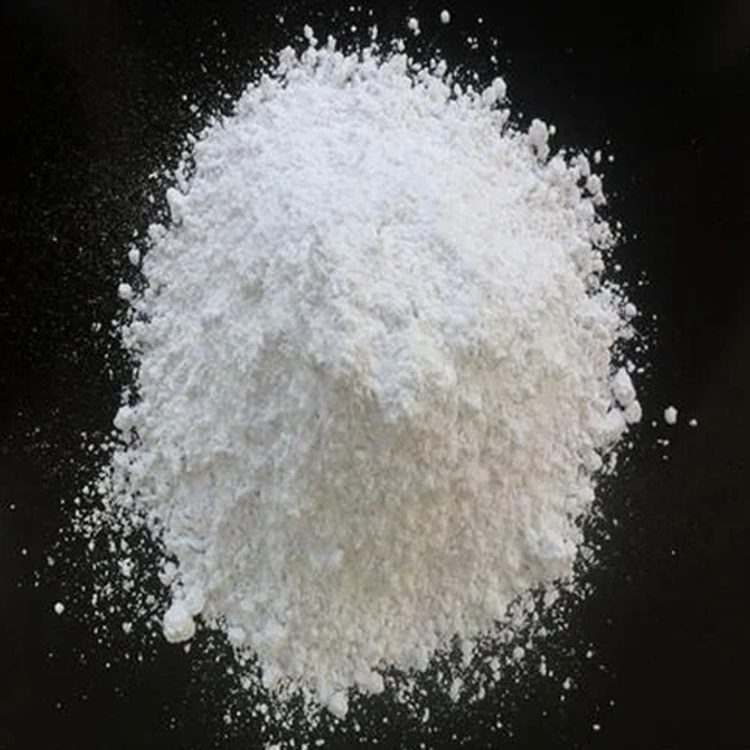
Calcium Silicate, Calcium Monosilicate, Calcium Hydrosilicate, Calcium Orthosilicate, E552, 1344-95-2
CALCIUM SILICATE – CALCIUM SILICATE
1. CHEMICAL IDENTITY AND DEFINITION
| Parameter |
Information |
| Chemical Name (IUPAC) |
Calcium Silicate |
| Other Names |
Calcium Monosilicate, Calcium Hydrosilicate, Calcium Orthosilicate, Belite, Micro-cell Silene, E552 |
| Chemical Formula |
CaSiO₃ |
| CAS Number |
1344-95-2 |
| EC Number (EINECS) |
215-710-8 |
| E Number |
E552 (Food Additive) |
| Appearance |
White crystalline powder |
| Odor |
Odorless |
| Physical State (20°C) |
Solid (powder / granules) |
| Chemical Class |
Inorganic salt (silicate) |
2. WHAT IS CALCIUM SILICATE?
Calcium silicate (CaSiO₃) is an inorganic compound formed by the reaction of calcium oxide (CaO) and silicon dioxide (SiO₂). It is a white, odorless powder or crystalline solid. It is insoluble in water but can form gels with mineral acids. Due to its high heat resistance, fire resistance, and chemical stability, it is widely used in construction, food, agriculture, and industrial applications.
3. PHYSICAL PROPERTIES
| Property |
Value |
| Appearance |
White crystalline powder |
| Chemical Formula |
CaSiO₃ |
| Molecular Weight |
116.16 g/mol |
| Density |
2.9 g/cm³ |
| Melting Point |
1,540 °C |
| Solubility in Water |
Insoluble |
| Solubility in Mineral Acids |
Forms gel |
| pH (5% solution) |
9.5 – 11.5 |
| Color |
White |
| Odor |
Odorless |
| Specific Surface Area |
Variable (high in powder form) |
| Hardness (Mohs) |
4.5 – 5.0 |
4. CHEMICAL PROPERTIES
| Property |
Information |
| Chemical Formula |
CaSiO₃ |
| CAS Number |
1344-95-2 |
| EC Number |
215-710-8 |
| Calcium Oxide (CaO) Content |
~48% |
| Silicon Dioxide (SiO₂) Content |
~52% |
| pH (5% suspension) |
9.5 – 11.5 |
| Stability |
Stable under normal conditions |
| Hygroscopicity |
Low |
| Acid Resistance |
Moderate (forms gel with acids) |
| Base Resistance |
Good |
| Reactivity |
Low; inert |
5. TYPES OF CALCIUM SILICATE
| Type |
Formula |
Description |
| Calcium Monosilicate |
CaSiO₃ |
Most common form |
| Calcium Orthosilicate |
Ca₂SiO₄ |
Found in cement (Belite) |
| Calcium Hydrosilicate |
CaSiO₃·H₂O |
Hydrated form |
| Tobermorite |
Ca₅Si₆O₁₆(OH)₂·4H₂O |
Used in insulation materials |
| Xonotlite |
Ca₆Si₆O₁₇(OH)₂ |
High-temperature insulation |
6. PRODUCTION METHODS
| Method |
Description |
| Classic Method |
CaO + SiO₂ reaction at high temperature |
| Reaction |
CaO + SiO₂ → CaSiO₃ (1,500°C+) |
| Modern Method |
Nano-sized production from rice husk ash |
| Hydrothermal Method |
Reaction of lime and silica under pressure |
| Precipitation Method |
Precipitation from calcium salts and silicate solutions |
7. APPLICATIONS
7.1. Construction Sector
| Application |
Description |
| Thermal Insulation |
High-temperature insulation for industrial furnaces, boilers, pipelines |
| Fire Panels |
Fire-resistant cladding for walls, ceilings, and floors |
| Sound Insulation |
Absorbs sound waves, providing acoustic comfort |
| Cement and Mortar |
Increases durability and water resistance |
| Wall Panels |
Lightweight and durable, easy installation |
| Decorative Materials |
Used in aesthetic surface finishes |
| Fire Doors |
Fire-resistant door filling |
7.2. Food Industry
| Application |
Description |
| E552 Additive |
Anti-caking agent in powdered foods |
| Moisture Absorber |
Moisture control in powdered products |
| Flowability Enhancer |
Improves flow properties of powdered foods |
| Filler Material |
Filler in food formulations |
7.3. Industrial Applications
| Application |
Description |
| Ceramics and Glass |
Filler material and glass formulations |
| Metallurgy |
Refractory material and surface protector |
| Catalyst Support |
Support for chemical catalysts |
| Filler Material |
Filler in plastics, rubber, and coatings |
| Paint Additive |
Matting agent and filler in paints |
7.4. Agriculture
| Application |
Description |
| Soil Conditioner |
Supports plant growth |
| Calcium Source |
Provides calcium to soil |
| Silicon Source |
Provides silicon for plant health |
| pH Regulator |
Raises pH of acidic soils |
7.5. Other Applications
| Application |
Description |
| Water Treatment |
Water softener |
| Paper Industry |
Filler material |
| Cosmetics |
Filler and abrasive |
| Pharmaceuticals |
Excipient |
| Paint Industry |
Filler and matting agent |
8. ADVANTAGES AS A CONSTRUCTION MATERIAL
| Advantage |
Description |
| High Heat Resistance |
Withstands up to 1,540°C |
| Fire Resistance |
Non-combustible, maintains structural integrity |
| Thermal Insulation |
Increases energy efficiency |
| Sound Insulation |
Reduces noise, provides acoustic comfort |
| Chemical Resistance |
Resistant to acids and bases |
| Lightweight and Strength |
Easy installation, reduces structural load |
| Water Resistance |
Provides water resistance in cement and mortar |
| Biological Resistance |
Resistant to mold and fungi formation |
9. FIRE RESISTANCE CLASSES
| Class |
Temperature Resistance |
Description |
| Class A1 |
1,000°C+ |
Non-combustible material |
| Class A2 |
750°C+ |
Very limited combustibility |
| Insulation Boards |
1,000°C |
4-6 hours fire resistance |
| Pipe Insulation |
650°C |
Industrial pipeline insulation |
10. FOOD ADDITIVE (E552) PROPERTIES
| Parameter |
Information |
| E Number |
E552 |
| Function |
Anti-caking agent, moisture absorber |
| Usage Level |
Typically 0.5 – 2.0% |
| Products Used In |
Powdered foods, spices, salt, sugar, flour |
| Toxicology |
Safe (ADI not specified) |
| Regulatory Status |
Approved by EU, FDA, JECFA |
| Clean Label |
Considered synthetic |
11. SILICATE TYPES COMPARISON TABLE
| Property / Application |
Sodium Silicate |
Potassium Silicate |
Lithium Silicate |
Calcium Silicate |
Magnesium Silicate |
Aluminum Silicate |
| Formula |
Na₂(SiO₂)ₙO |
K₂SiO₃ |
Li₂SiO₃ |
CaSiO₃ |
Mg₂SiO₄/MgSiO₃ |
Al₂SiO₅ |
| Form |
Liquid, glass, powder |
Liquid, powder |
Liquid, powder |
Solid, powder |
Solid, powder |
Solid mineral |
| Appearance |
Clear, blue/green |
Clear/white |
Clear |
White powder |
White/gray powder |
White crystal |
| Density |
1.4–1.6 g/cm³ |
~2.3 g/cm³ |
~2.4 g/cm³ |
2.9 g/cm³ |
3.2 g/cm³ |
2.6–2.8 g/cm³ |
| Melting Point |
1100–1400°C |
~1000–1100°C |
~1200°C |
1540°C |
1900°C+ |
1500–1800°C |
| pH |
11–12.5 (alkaline) |
Alkaline |
Alkaline |
9.5–11.5 |
Neutral |
Neutral |
| Water Solubility |
Soluble |
Soluble |
High |
Insoluble |
Insoluble |
Insoluble |
| Primary Use |
Detergents, water treatment |
Agriculture, protective coatings |
Batteries, concrete hardening |
Insulation, fire panels |
Talc substitute, ceramics |
Ceramics, refractories |
| Construction |
Concrete hardener |
Fire coatings |
Concrete densifier |
Thermal/sound insulation |
Refractory bricks |
Ceramic reinforcement |
| Detergent |
✓ |
✓ |
Limited |
✗ |
✗ |
✗ |
| Textile |
✓ |
✓ |
✓ |
✗ |
✗ |
✗ |
| Water Treatment |
✓ |
Limited |
Limited |
✗ |
✗ |
✗ |
| Agriculture |
✗ |
✓ |
✗ |
✓ |
✗ |
✗ |
| Food |
✗ |
✗ |
✗ |
✓ (E552) |
✗ |
✗ |
| E Number |
- |
- |
- |
E552 |
E553(i) |
- |
12. SAFETY AND HEALTH INFORMATION
| Parameter |
Information |
| Hazard |
Low toxicity |
| Dust |
Inhalation may cause respiratory irritation |
| Skin Contact |
May cause mild irritation |
| Eye Contact |
May cause mechanical irritation |
| Ingestion |
Low toxicity |
| Silicosis Risk |
Prolonged dust exposure |
| Carcinogenicity |
Not classified |
| Mutagenicity |
Negative |
| Acute Toxicity |
Low (LD50 > 5,000 mg/kg) |
| ADI |
Not specified |
12.1. FIRST AID MEASURES
| Route of Exposure |
Action |
| Inhalation |
Remove to fresh air. If respiratory irritation persists, seek medical attention. |
| Skin Contact |
Wash with plenty of soap and water. |
| Eye Contact |
Rinse thoroughly with water for at least 15 minutes. Seek medical attention. |
| Ingestion |
Rinse mouth. Drink plenty of water. Seek medical attention. |
13. STORAGE AND HANDLING
| Parameter |
Information |
| Storage Conditions |
Cool, dry, well-ventilated area |
| Container Requirements |
Tightly closed, original packaging |
| Protect From |
Moisture, acids, strong bases |
| Shelf Life |
24-60 months (with proper storage) |
| Dust Precautions |
Prevent dust formation; use respiratory protection |
14. TRANSPORT INFORMATION
| Parameter |
Information |
| UN Number |
Not regulated (not a hazardous material) |
| Hazard Class |
Not applicable |
| Packing Group |
Not applicable |
| ADR/RID |
Not regulated |
| IMDG Code |
Not regulated |
| IATA (Air) |
Not regulated |
| Marine Pollutant |
No |
15. PACKAGING OPTIONS
| Packaging Type |
Quantity |
Material |
| Kraft Bag |
25 kg |
Kraft + PE liner |
| Plastic Bucket |
10-25 kg |
HDPE |
| Big Bag |
500-1000 kg |
Polypropylene |
| Plastic Bag |
5-25 kg |
HDPE/LDPE |
| Aluminum Foil Bag |
1-5 kg |
Laminated aluminum |
16. REGULATORY STATUS
| Region / Authority |
Status |
| European Union |
Approved as E552 food additive |
| USA (FDA) |
GRAS (21 CFR 182.2727) |
| Turkey |
Approved in Turkish Food Codex |
| JECFA (FAO/WHO) |
Approved; ADI not specified |
| EFSA |
Approved food additive |
17. OTHER NAMES AND SYNONYMS
| Type |
Name |
| Turkish Names |
Kalsiyum Silikat, Kalsiyum Monosilikat, Kalsiyum Ortosilikat, Kalsiyum Hidrosilikat |
| English Names |
Calcium Silicate, Calcium Monosilicate, Calcium Orthosilicate, Calcium Hydrosilicate |
| Trade Names |
Belite, Micro-cell Silene |
| E Number |
E552 |
| CAS Number |
1344-95-2 |
18. SUMMARY AND CRITICAL WARNINGS
Product Summary
| Parameter |
Value |
| Product |
Calcium Silicate |
| CAS Number |
1344-95-2 |
| Formula |
CaSiO₃ |
| Appearance |
White powder / crystalline |
| Density |
2.9 g/cm³ |
| Melting Point |
1,540 °C |
| Primary Applications |
Insulation, fire panels, food additive (E552) |
CRITICAL WARNINGS
1. High Heat Resistance: Withstands up to 1,540°C. Ideal insulation material for industrial furnaces, boilers, and pipelines.
2. Fire Resistance: Non-combustible. Provides safety in fire panels, doors, and structural elements.
3. Water Insolubility: Does not dissolve in water. Provides water resistance in construction materials.
4. Food Additive: Used as E552 anti-caking agent in powdered foods. Considered safe.
5. Alkaline Properties: pH 9.5-11.5. Caution should be exercised when in contact with acidic environments.
6. Silicosis Risk: Prolonged dust exposure may cause respiratory problems. Use respiratory protection in dust-generating operations.
7. Storage: Store in a dry environment. Moisture may affect product performance.
8. Cement and Mortar: Increases durability and water resistance in cement formulations.
9. Sound Insulation: Absorbs sound waves, providing acoustic comfort.
10. Lightweight and Durable: Easy installation, reduces structural load.
11. E552 Usage: Improves flowability and shelf life of powdered food products.
12. Certification: Regulatory approvals required for use in food applications.
IMPORTANT DISCLAIMER: This Technical Data Sheet (TDS) is for informational purposes only and is prepared based on available technical data. The user is responsible for determining the suitability of the product for their specific application and for complying with all local, national, and international regulations. For complete safety, storage, use, handling, disposal, and regulatory compliance information, refer to the official Safety Data Sheet (SDS/MSDS) provided by the manufacturer/supplier. This document is not a substitute for professional or medical advice.