We unleash your business potential by maximize the business innovation.
Send EmailCalcium Silicate, Calcium monosilicate, Calcium Hydrosilicate, Calcium Orthosilicate, Belite, 1344-95-2
Chemical & Physical Properties
-
Chemical Formula: CaSiO₃
-
CAS Number: 1344-95-2
-
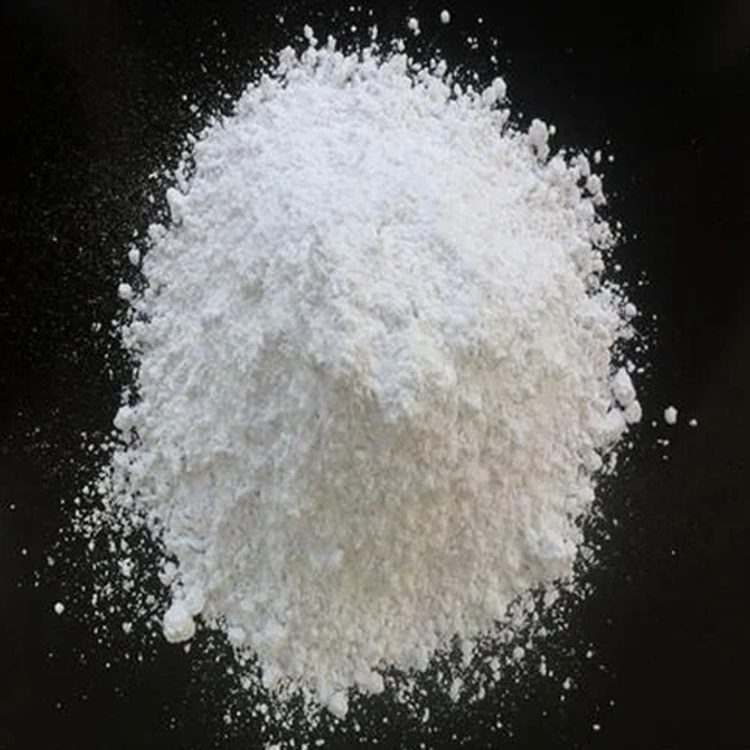
Appearance: White crystalline or powder form, odorless
-
Density: 2.9 g/cm³
-
Melting Point: 1540°C
-
Solubility: Insoluble in water, can form gels with mineral acids
-
pH: 9.5–11.5 (in 5% suspension)
Applications
1. Construction Industry
-
Fire-resistant materials: Used in panels, boards, and coatings to enhance fire safety.
-
Insulation panels: Provides thermal insulation in industrial furnaces, boilers, and pipelines.
-
Cement production: Acts as a binder, improves durability and mechanical strength.
-
Wall panels: Lightweight, durable, and easy to install; reduces structural load.
-
Decorative materials: Smooth surface, eco-friendly, used in sustainable projects.
2. Food Industry
-
Food additive (E552): Anti-caking agent and moisture absorber in powdered foods (e.g., spices, salt, sugar).
3. Industrial Applications
-
Ceramics & Glass: Used as a filler and stabilizer.
-
Metallurgy: Improves refractory properties and surface protection.
4. Agriculture
-
Soil conditioner: Enhances plant growth by improving soil structure and providing calcium and silicon.
Production
-
Traditional method: Reaction of calcium oxide (CaO) with silica (SiO₂) at high temperatures.
-
Innovative method: Production of nano-calcium silicate from rice husk ash, offering higher reactivity and performance.
Other Names
-
Belite
-
Calcium monosilicate
-
Calcium hydrosilicate
-
Calcium orthosilicate
-
Micro-cell Silene
Key Advantages in Construction
-
High heat resistance: Withstands extreme temperatures.
-
Fire resistance: Acts as a natural fire barrier, prolonging structural integrity during fire.
-
Thermal insulation: Improves energy efficiency in buildings and industrial facilities.
-
Sound insulation: Absorbs sound waves, enhancing acoustic comfort in residential and commercial buildings.
-
Chemical stability: Resistant to acids and alkalis, suitable for harsh environments.
-
Lightweight yet durable: Easy to transport and install, reduces structural load while maintaining strength.
In summary, calcium silicate (CaSiO₃) is a versatile compound widely used in construction, food, industry, and agriculture. Its combination of fire resistance, thermal insulation, chemical stability, and lightweight durability makes it an essential material in both industrial and everyday applications.
Comparative Table of Silicate Types
| Property / Application | Sodium Silicate (Na₂(SiO₂)ₙO) | Potassium Silicate (K₂SiO₃) | Lithium Silicate (Li₂SiO₃) | Calcium Silicate (CaSiO₃) | Magnesium Silicate (Mg₂SiO₄ / MgSiO₃) | Aluminum Silicate (Al₂SiO₅) |
|---|---|---|---|---|---|---|
| Form | Liquid, glassy solid, powder | Liquid, powder | Liquid, powder | Solid, powder | Solid, powder | Solid mineral |
| Appearance | Transparent, bluish/greenish | Transparent or white | Transparent | White powder | White/gray powder | White crystalline |
| Density | 1.4–1.6 g/cm³ | ~2.3 g/cm³ | ~2.4 g/cm³ | 2.9 g/cm³ | ~3.2 g/cm³ | 2.6–2.8 g/cm³ |
| Melting Point | 1100–1400°C (glass form) | ~1000–1100°C | ~1200°C | 1540°C | 1900°C+ | 1500–1800°C |
| Alkalinity (pH) | Strongly alkaline (11–12.5) | Alkaline, milder than sodium | Alkaline, lower viscosity | Slightly basic (9.5–11.5) | Neutral | Neutral |
| Solubility | Soluble in water | Soluble in water | Highly soluble | Insoluble in water | Insoluble | Insoluble |
| Main Applications | Detergents, textiles, paper, cement, water treatment, adhesives, fireproofing | Agriculture (silicon fertilizer), fireproof coatings, detergents | Concrete densifier, lithium battery binders, advanced coatings | Insulation panels, fireproof boards, cement additive, food additive (E552) | Talc substitute, ceramics, refractories | Ceramics, refractories, fillers |
| Construction Use | Concrete hardener, waterproofing | Fireproof coatings, cement stabilizer | Concrete densifier | Thermal & sound insulation, fireproof panels | Refractory bricks, ceramics | Ceramic reinforcement |
| Detergents & Cleaning | Builder, stabilizer | Builder, stabilizer | Limited use | Not used | Not used | Not used |
| Textiles | Bleaching stabilizer, flame-retardant | Flame-retardant additive | Flame-retardant additive | Not used | Not used | Not used |
| Water Treatment | Coagulant, flocculant | Limited use | Limited use | Not used | Not used | Not used |
| Agriculture | Not used | Silicon fertilizer | Not used | Soil conditioner | Not used | Not used |
| Food | Not used | Not used | Not used | E552 anti-caking agent | Not used | Not used |
| Specialty Uses | Adhesives, coatings, metallurgy | Agriculture, protective coatings | Lithium-ion battery industry | Fireproof insulation, food additive | Talc replacement, ceramics | High-temperature ceramics |
| Other Names | Water glass, soluble glass | Potassium water glass | Lithium water glass | Belite, calcium orthosilicate | Talc, magnesium silicate hydrate | Kaolinite, kyanite, sillimanite |
Key Insights
-
Sodium silicate → Most versatile, used across detergents, textiles, paper, cement, and water treatment.
-
Potassium silicate → Strong in agriculture (silicon fertilizer) and fireproof coatings.
-
Lithium silicate → Specialized in concrete densification and battery binders.
-
Calcium silicate → Construction insulation, fireproof panels, and food additive (E552).
-
Magnesium silicate → Known as talc; used in ceramics and refractories.
-
Aluminum silicate → Mineral form, used in ceramics and high-temperature refractories.