We unleash your business potential by maximize the business innovation.
Send EmailGraphite Powder, Graphite Flour, Carbon Powder, Industrial Carbon, Black Powder, 7782-42-5
GRAPHITE POWDER (GRAPHITE FLOUR)
PRODUCT IDENTIFICATION INFORMATION
| Parameter | Information |
|---|---|
| Product Name | Graphite Powder |
| Chemical Name | Graphite (Carbon) |
| Chemical Symbol | C |
| Synonyms (English) | Graphite Powder, Graphite Flour, Carbon Powder, Industrial Carbon, Black Powder |
| Synonyms (Turkish) | Grafit Tozu, Toz Grafit, Karbon Tozu, Endüstriyel Karbon, Siyah Toz |
| CAS Number | 7782-42-5 |
| EC Number (EINECS) | 231-955-3 |
| Molecular Weight | 12.01 g/mol (atomic carbon) |
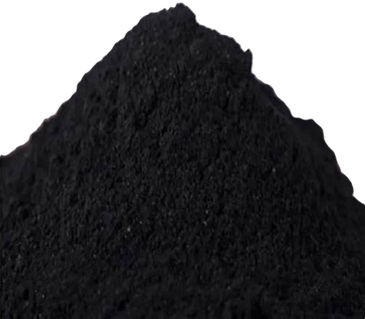
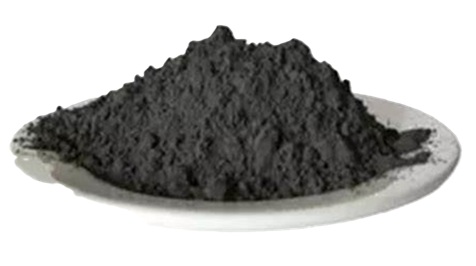
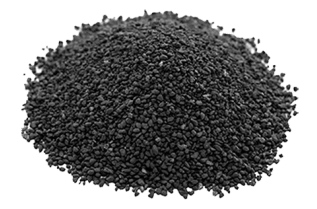
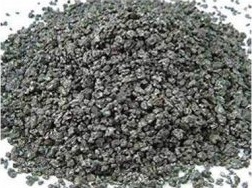
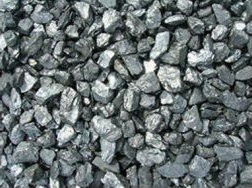
| Appearance | Black-gray powder, may exhibit metallic luster |
| Purity Grades | 95% - 99.9% (industrial and high-purity grades) |
CHEMICAL STRUCTURE
    Graphite Powder (C)

    Hexagonal Layered Crystal Structure

         C   C   C   C
          \ / \ / \ /
           C   C   C
          / \ / \ / \
         C   C   C   C

    Hexagonal Layered Structure
    (sp² Hybridized Carbon Atoms)
    Excellent Electrical Conductivity
    Excellent Thermal Conductivity
    Chemical Inertness
Molecular Formula: C (Elemental Carbon)
Crystal Structure: Hexagonal (layered)
Hybridization: sp² hybridized carbon atoms
Classification: Non-metal; carbon allotrope
SECTION 1: CHEMICAL IDENTITY AND DEFINITION
| Parameter | Information |
|---|---|
| Product Name | Graphite Powder |
| Chemical Name | Graphite (Carbon) |
| Chemical Symbol | C |
| Synonyms (English) | Graphite Powder, Graphite Flour, Carbon Powder, Industrial Carbon, Black Powder |
| Synonyms (Turkish) | Grafit Tozu, Toz Grafit, Karbon Tozu, Endüstriyel Karbon, Siyah Toz |
| CAS Number | 7782-42-5 |
| EC Number (EINECS) | 231-955-3 |
| Molecular Weight | 12.01 g/mol (atomic carbon) |
| Chemical Class | Non-metal; carbon allotrope |
| Crystal Structure | Hexagonal (layered) |
| Hybridization | sp² hybridized carbon atoms |
| Appearance | Black-gray powder, may exhibit metallic luster |
| Odor | Odorless |
| Color | Black to dark gray |
| Solubility | Insoluble in water; chemically inert |
SECTION 2: PHYSICAL AND CHEMICAL PROPERTIES
| Property | Value | Test Method / Note |
|---|---|---|
| Appearance | Black-gray powder | Visual |
| Molecular Weight | 12.01 g/mol | Calculated |
| Density | 2.09 - 2.23 g/cm³ | ASTM D854 |
| Melting Point | ~3,650°C (sublimes) | - |
| Sublimation Temperature | ~3,650°C | - |
| Electrical Conductivity | High (good conductor) | - |
| Thermal Conductivity | Good (150-200 W/m·K) | - |
| Specific Surface Area (BET) | 5-30 m²/g (depending on grade) | BET Analysis |
| Particle Size (D50) | 1-100 µm (depending on grade) | Laser Diffraction / Sieve |
| Ash Content | ≤ 0.1% - 5% (depending on grade) | Gravimetric (800°C) |
| Moisture Content | ≤ 0.5% | Karl Fischer / Gravimetric |
| Carbon Content | ≥ 95% - 99.9% | Combustion / ICP |
| Volatile Matter | ≤ 1.0% | Gravimetric |
| pH (Suspension) | Neutral | pH Meter |
| Solubility in Water | Insoluble | General Method |
| Chemical Stability | Inert; Resistant to most acids and alkalis | - |
SECTION 3: GRAPHITE POWDER GRADES AND TYPES
| Grade | Purity (%) | Particle Size (D50) | Ash Content | Applications |
|---|---|---|---|---|
| Industrial Grade | ≥ 95% | 10-100 µm | ≤ 5% | Refractories, lubricants, foundry |
| Technical Grade | ≥ 99% | 5-50 µm | ≤ 1% | Conductive coatings, plastics, rubber |
| High Purity Grade | ≥ 99.9% | 1-20 µm | ≤ 0.1% | Electronics, Li-ion batteries, specialty |
| Nano Graphite | ≥ 99.9% | < 1 µm | ≤ 0.1% | Advanced composites, research |
| Synthetic Graphite | ≥ 99.9% | 5-50 µm | ≤ 0.1% | High-performance applications |
| Natural Graphite | 95-99.9% | 1-100 µm | 0.1-5% | General industrial applications |
SECTION 4: SOURCE MATERIALS FOR GRAPHITE POWDER
| Material | Type | Description | Applications |
|---|---|---|---|
| Synthetic Graphite | Manufactured | Produced from petroleum coke, pitch coke | High-purity applications |
| Petroleum Coke | Precursor | By-product of oil refining | Synthetic graphite production |
| Needle Coke | Precursor | High-quality petroleum coke | Electrodes, specialty graphite |
| Pitch Coke | Precursor | Coal tar pitch | Synthetic graphite production |
| Anthracite Coal | Natural | High-carbon coal | Natural graphite source |
| Metallurgical Coke | Precursor | Coal-derived | Lower-grade graphite production |
| Calcined Coke | Precursor | Heat-treated petroleum coke | Graphitization feedstock |
| Carbon Pellets | Manufactured | Compressed carbon | Specialty applications |
SECTION 5: PRODUCTION METHODS
Method 1: Grinding and Milling of Natural Graphite
-
Process: Natural graphite ore → Crushing → Milling/Grinding → Air classification → Sizing → Graphite powder
-
Description: Natural graphite ore is mined, crushed, and milled to fine powder; Classified by particle size; Most common method for natural graphite powder
Method 2: Synthetic Graphite Production (Acheson Process)
-
Process: Petroleum coke + Pitch binder → Mixing → Baking (1,000°C) → Graphitization (2,500-3,000°C) → Crushing → Milling → Graphite powder
-
Description: Petroleum coke is graphitized in electric resistance furnace at 2,500-3,000°C; Crushed and milled to powder; High-purity synthetic graphite
Method 3: Thermal Purification
-
Process: Natural graphite → Heat treatment (2,500-3,000°C) → Purification → Milling → High-purity graphite powder
-
Description: Natural graphite is heat-treated at high temperatures to remove impurities; Produces high-purity graphite (≥99.9%)
Method 4: Chemical Purification
-
Process: Natural graphite → Acid leaching → Washing → Drying → Milling → Purified graphite powder
-
Description: Natural graphite is treated with acids to dissolve impurities; Washed and dried; Produces moderate-purity graphite
SECTION 6: FUNCTIONAL PROPERTIES AND MECHANISM OF ACTION
| Property | Description |
|---|---|
| Lubrication | Layered structure allows interlayer sliding; Acts as dry lubricant; Reduces friction and wear; High-temperature lubrication |
| Electrical Conductivity | High electrical conductivity; Used as conductive filler; Antistatic applications; Battery anodes |
| Thermal Conductivity | Good thermal conductor; Heat dissipation; High-temperature applications |
| Chemical Inertness | Resistant to most chemicals; Acid and alkali resistance; Used in corrosive environments |
| Refractory Properties | High melting point (3,650°C); Thermal stability; Used in refractories and high-temperature applications |
| Surface Area | High specific surface area; Catalyst support; Adsorbent applications |
| Reinforcement | Used as filler in plastics, rubber, and composites; Improves mechanical properties; Increases strength and stiffness |
SECTION 7: MAIN APPLICATION AREAS
| Industry / Application | Function | Typical Use |
|---|---|---|
| Metallurgy | Refractory / lubricant | Steel production; Foundry mold lubricant; Refractory bricks; Crucibles |
| Energy / Batteries | Anode material | Lithium-ion battery anodes; Alkaline batteries; Fuel cells; Energy storage |
| Lubricants | Dry film lubricant | High-temperature lubrication; Anti-seize compounds; Bearing lubricants |
| Electronics | Conductive coating | Conductive paints and coatings; Antistatic applications; EMI shielding |
| Chemical Industry | Catalyst support | High-temperature reactions; Catalyst carrier; Chemical synthesis |
| Composites | Reinforcement | Plastic reinforcement; Rubber filler; Mechanical strength enhancer |
| Paints & Coatings | Additive | Anti-corrosive coatings; Conductive coatings; Primer formulations |
| Foundry | Mold release | Sand casting; Die casting; Mold release agents |
| Carbon Brushes | Electrical contact | Motor brushes; Generator brushes; Electrical contacts |
| Refractories | High-temperature material | Furnace linings; Crucibles; High-temperature seals |
SECTION 8: QUALITY SPECIFICATIONS (TECHNICAL GRADE - ≥99%)
| Parameter | Specification | Test Method |
|---|---|---|
| Appearance | Black-gray powder | Visual |
| Carbon Content | ≥ 99.0% | Combustion / ICP |
| Ash Content | ≤ 1.0% | Gravimetric (800°C) |
| Moisture Content | ≤ 0.5% | Karl Fischer / Gravimetric |
| Volatile Matter | ≤ 1.0% | Gravimetric |
| Particle Size (D50) | 5-50 µm | Laser Diffraction / Sieve |
| Specific Surface Area (BET) | 5-20 m²/g | BET Analysis |
| pH (Suspension) | 6.0 - 8.0 | pH Meter |
| Iron (Fe) | ≤ 0.01% | AAS / ICP |
| Silicon (Si) | ≤ 0.01% | AAS / ICP |
| Sulfur (S) | ≤ 0.01% | Combustion / ICP |
| Tap Density | 0.5-0.8 g/cm³ | ASTM D7481 |
| Oil Absorption | 20-40 g/100g | ASTM D281 |
High Purity Grade Specifications (≥99.9%)
| Parameter | Specification | Test Method |
|---|---|---|
| Carbon Content | ≥ 99.9% | Combustion / ICP |
| Ash Content | ≤ 0.1% | Gravimetric (800°C) |
| Moisture Content | ≤ 0.2% | Karl Fischer |
| Particle Size (D50) | 1-20 µm | Laser Diffraction |
| Iron (Fe) | ≤ 0.001% | AAS / ICP |
| Other Impurities | ≤ 0.001% | AAS / ICP |
SECTION 9: SECTOR SUITABILITY TABLE
| Sector | Suitability | Notes |
|---|---|---|
| Metallurgy | Suitable | Refractory, foundry lubricant |
| Energy | Suitable | Li-ion battery anode material |
| Electronics | Suitable | Conductive coating, antistatic |
| Chemical Industry | Suitable | Catalyst support |
| Composite Materials | Suitable | Plastic/rubber reinforcement |
| Paints & Coatings | Suitable | Anti-corrosive, conductive |
| Food / Cosmetics | Not suitable | Not used in food/cosmetic applications |
SECTION 10: TOXICOLOGICAL PROFILE
| Parameter | Value |
|---|---|
| Acute Oral Toxicity | Low toxicity (elemental carbon) |
| Acute Inhalation Toxicity | Dust inhalation may cause mechanical irritation |
| Skin Irritation | Non-irritant |
| Eye Irritation | Non-irritant (mechanical irritation) |
| Chronic Toxicity | Graphite dust may cause pneumoconiosis (graphitosis) with prolonged inhalation |
| Carcinogenicity | Not classified as carcinogenic |
| Mutagenicity | Not classified as mutagenic |
| Target Organs | Respiratory system (dust irritation) |
| Occupational Exposure Limit (8h TWA) | 10 mg/m³ (total dust); 5 mg/m³ (respirable) |
| Special Toxicity Note | Elemental graphite is non-toxic; Graphite dust may cause graphitosis (benign pneumoconiosis) with prolonged inhalation; Avoid inhalation of dust during handling |
SECTION 11: GHS CLASSIFICATION AND LABELING
GHS Classification (Compliant with CLP and UN GHS):
| Hazard Class | Category | H-Statement |
|---|---|---|
| Generally not classified as hazardous | - | - |
| STOT - SE (Single Exposure) | Category 3 | H335 (optional) |
Note: Graphite powder is generally considered non-hazardous. However, fine dust may cause mechanical irritation.
Signal Word: No signal word required (non-hazardous) or WARNING (optional)
Hazard Pictograms: GHS07 (optional)
Hazard Statements (H-Codes) - if classified:
| Code | Statement |
|---|---|
| H335 | May cause respiratory irritation |
NFPA 704 Hazard Classification:
| Health | Flammability | Reactivity | Special |
|---|---|---|---|
| 0 | 0 | 0 | - |
| (Minimal health hazard) | (Will not burn) | (Stable) | (None) |
SECTION 12: PRECAUTIONARY STATEMENTS (P-CODES)
| Code | Statement |
|---|---|
| P261 | Avoid breathing dust/fume/gas/mist/vapors/spray |
| P264 | Wash hands thoroughly after handling |
| P271 | Use only outdoors or in a well-ventilated area |
| P280 | Wear protective gloves/protective clothing/eye protection/face protection |
| P304+P340 | IF INHALED: Remove person to fresh air and keep comfortable for breathing |
| P312 | Call a POISON CENTER/doctor if you feel unwell |
| P362+P364 | Take off contaminated clothing and wash it before reuse |
| P403+P233 | Store in a well-ventilated place. Keep container tightly closed |
| P501 | Dispose of contents/container in accordance with local/regional/national/international regulations |
SECTION 13: FIRST AID MEASURES
| Exposure Route | Action to Take |
|---|---|
| Inhalation | Move to fresh air immediately. Rest in a position comfortable for breathing. If symptoms persist, get medical attention. |
| Skin Contact | Wash with plenty of soap and water. Remove contaminated clothing. If skin irritation occurs, get medical advice/attention. |
| Eye Contact | Rinse immediately with plenty of water for at least 15 minutes. Keep eyelids open. Remove contact lenses if present. Continue rinsing. If eye irritation persists, get medical advice/attention. |
| Ingestion | Rinse mouth with water. Do NOT induce vomiting. Drink plenty of water. Get medical attention if symptoms occur. |
SECTION 14: FIREFIGHTING MEASURES
| Parameter | Information |
|---|---|
| Fire Hazard | Non-combustible (bulk). Powder form may be combustible. Burns at high temperatures forming CO₂. |
| Hazards During Fire | Thermal decomposition produces CO₂ and CO; Oxidation releases heat |
| Suitable Extinguishers | Dry chemical powder, CO₂, sand, graphite powder |
| Unsuitable Extinguishers | Water (may spread powder) |
| Special Protective Equipment | Self-contained breathing apparatus (SCBA), full protective clothing |
| Special Precautions | Prevent dust from entering sewers and waterways |
SECTION 15: STORAGE AND SHELF LIFE
| Parameter | Information |
|---|---|
| Storage Conditions | Store in a cool, dry, well-ventilated area; Keep away from moisture and incompatible substances; Keep containers closed |
| Container Requirements | Original packaging, dry containers; Moisture-proof containers recommended |
| Materials to Protect From | Strong oxidizing agents, halogens, moisture |
| Shelf Life | Unlimited (under proper storage conditions) |
| Stability Note | Stable under normal conditions; Chemically inert; Protect from moisture |
| Special Storage Requirements | Store separately from oxidizing agents; Keep in dry area; Avoid dust generation |
SECTION 16: PACKAGING OPTIONS
| Packaging Type | Quantity | Material |
|---|---|---|
| Plastic Bag | 5 kg, 10 kg, 25 kg | PE bag with inner liner |
| Plastic Drum | 25 kg, 50 kg, 100 kg | HDPE / Polypropylene |
| Fiber Drum | 25 kg, 50 kg | PE-lined fiberboard |
| Steel Drum | 100 kg, 200 kg | Corrosion-resistant lined steel |
| IBC Container | 500 kg, 1000 kg | HDPE with corrosion-resistant coating |
| Big Bag (FIBC) | 500 kg, 1000 kg | PE-lined woven polypropylene |
SECTION 17: TRANSPORT INFORMATION
| Parameter | Information |
|---|---|
| UN Number | Not regulated (non-hazardous) |
| Hazard Class | Not applicable |
| Packing Group | Not applicable |
| ADR/RID | Not regulated |
| IMDG Code | Not regulated |
| IATA (Air) | Not regulated |
| Marine Pollutant | No |
| Transport Temperature | Ambient temperature; Protect from moisture |
SECTION 18: OTHER NAMES AND SYNONYMS
| Type | Name |
|---|---|
| Turkish Names | Grafit Tozu, Toz Grafit, Karbon Tozu, Endüstriyel Karbon, Siyah Toz |
| English Names | Graphite Powder, Graphite Flour, Carbon Powder, Industrial Carbon, Black Powder |
| Trade Names | Graphite Powder, Carbon Powder, Industrial Graphite |
| Chemical Names | Graphite; Carbon; Elemental Carbon |
| CAS Number | 7782-42-5 |
| EC Number | 231-955-3 |
| Molecular Formula | C |
SECTION 19: SUMMARY TABLE
| Parameter | Value |
|---|---|
| Product | Graphite Powder |
| CAS Number | 7782-42-5 |
| Molecular Formula | C |
| Molecular Weight | 12.01 g/mol |
| Appearance | Black-gray powder |
| Density | 2.09 - 2.23 g/cm³ |
| Melting Point | ~3,650°C (sublimes) |
| Purity Grades | 95% - 99.9% |
| Primary Function | Lubricant, conductor, refractory, filler |
| Main Applications | Metallurgy, energy (batteries), electronics, lubricants, composites, paints |
| Shelf Life | Unlimited |
| GHS Signal Word | No signal word required (non-hazardous) |
| UN Number | Not regulated |
| Toxicity | Low toxicity |
| Special Feature | Layered structure; High conductivity; Chemical inertness; Self-lubricating; High temperature resistance |
SECTION 20: CRITICAL WARNINGS AND BEST PRACTICES
CRITICAL WARNINGS:
-
Non-hazardous material but fine dust may cause respiratory tract irritation. Use appropriate dust control measures.
-
Non-combustible (bulk). Powder form may be combustible.
-
High temperature resistance: Stable up to 3,650°C in inert atmosphere.
-
Good electrical and thermal conductivity: Suitable for conductive and heat transfer applications.
-
Self-lubricating: Low coefficient of friction; excellent dry lubricant.
-
Chemical inertness: Resistant to most chemicals; avoid strong oxidizing agents.
-
Incompatibilities: Keep away from strong oxidizing agents and halogens.
-
Graphitosis: Prolonged inhalation of graphite dust may cause benign pneumoconiosis (graphitosis).
-
Hygiene Requirement: Wash hands thoroughly after handling.
-
Dust explosion hazard: Fine graphite powder can form explosive dust-air mixtures.
BEST PRACTICE RECOMMENDATIONS:
-
Metallurgy Applications: Use as refractory material and foundry mold lubricant; Provides high-temperature stability; Reduces friction in casting operations.
-
Energy / Battery Applications: Use as anode material in lithium-ion batteries; High capacity and long cycle life; Essential for energy storage.
-
Lubricant Applications: Use as dry film lubricant; High-temperature lubrication; Anti-seize compounds; Reduces friction and wear.
-
Electronics Applications: Use in conductive coatings and antistatic applications; Provides electrical conductivity; EMI shielding.
-
Composite Applications: Use as reinforcement in plastics and rubber; Improves mechanical properties; Increases strength and stiffness.
-
Handling: Use in well-ventilated areas; Avoid dust generation; Use dust extraction systems; Wear protective gloves, safety goggles, and appropriate respiratory protection.
-
Personal Protective Equipment: Safety goggles, protective clothing, protective gloves (nitrile, neoprene), NIOSH-approved dust mask/respirator.
-
Hygiene: Wash hands thoroughly after handling; Do not eat, drink, or smoke when using; Remove contaminated clothing and wash before reuse.
-
Storage: Store in tightly closed, properly labeled containers in dry conditions; Keep away from oxidizing agents; Moisture-proof containers recommended.
-
Spill Response: Avoid dust generation; Use dust extraction systems; Vacuum or wet-sweep; Place in closed containers for disposal; Do not use dry sweeping methods that generate dust.
-
Disposal: Dispose of in accordance with local, regional, and national regulations; Graphite is considered non-hazardous waste; Recycle where possible.
SPECIAL NOTE ON DUST EXPLOSION HAZARD:
Graphite powder in fine particulate form can form explosive dust-air mixtures:
-
Minimum Ignition Energy: Varies with particle size
-
Explosion Limits: Lower explosive limit ~50-100 g/m³
-
Prevention: Use explosion-proof equipment; Avoid dust accumulation; Use dust extraction systems; Ground/bond equipment
-
Precaution: Keep away from ignition sources; Use inert atmosphere where possible
SPECIAL NOTE ON PARTICLE SIZE SELECTION:
| Particle Size Range | Applications |
|---|---|
| 1-5 µm (Fine) | Conductive coatings, electronics, high-performance applications |
| 5-20 µm (Medium-Fine) | Lubricants, plastics, rubber reinforcement |
| 20-50 µm (Medium) | Refractories, foundry, general industrial |
| 50-100 µm (Coarse) | Refractory bricks, crucibles, metallurgy |
LEGAL DISCLAIMER:
The information provided in this document is based on our current knowledge and experience and is presented in good faith. However, as all conditions of use are beyond our control, this document does not constitute a binding specification or warranty. This Technical Data Sheet is for informational purposes only. Users are responsible for testing suitability for their own applications. For complete safety, storage, handling, transportation, waste, and regulatory compliance information, please refer to the official Safety Data Sheet (SDS/MSDS) provided by the manufacturer/supplier.