We unleash your business potential by maximize the business innovation.
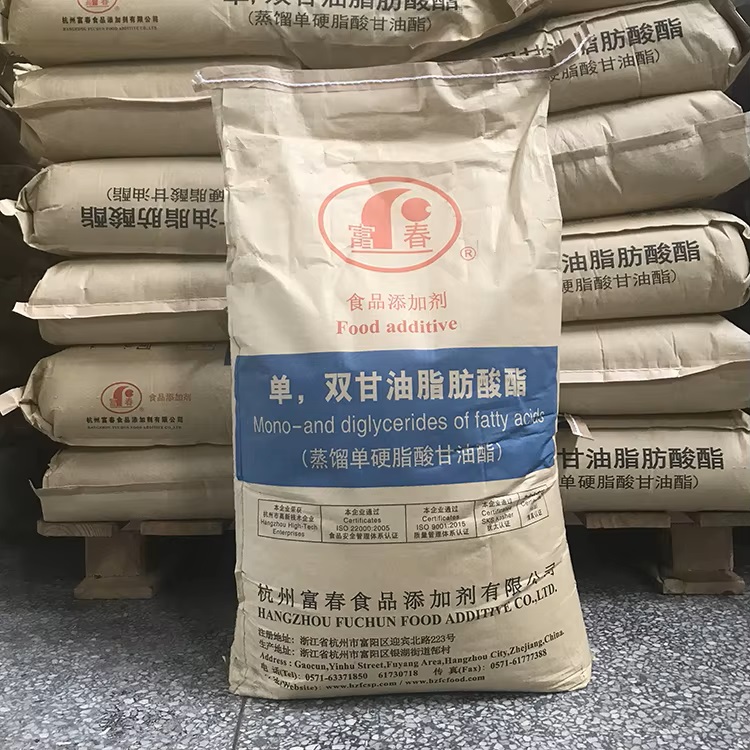
Send EmailGlycerol Monostearate, Glyceryl Monostearate, Mono and Diglycerides of Fatty Acids, GMS, GMS90, E471, 123-94-4, 31566-31-1, 11099-07-3, 342394-34-7
TECHNICAL DATA SHEET (TDS) – GLYCEROL MONOSTEARATE (GMS, E471)
1. PRODUCT DEFINITION AND CHEMICAL IDENTITY
| Parameter | Description |
|---|---|
| Chemical Name (IUPAC) | 2,3-Dihydroxypropyl octadecanoate (predominantly 1-monostearate) |
| Common Name | Glycerol Monostearate, Glyceryl Monostearate, GMS |
| Food Additive Code | E471 (Mono- and diglycerides of fatty acids) |
| CAS Number (Primary) | 123-94-4 (most widely used, official reference in food codex) |
| Alternative CAS Numbers | 31566-31-1 (high purity monostearate, GMS 90); 11099-07-3 (C16–C18 mono- and diglycerides, includes isomeric forms); 342394-34-7 (1-monostearoylglycerol, often used in commercial catalogs) |
| EC No | 204-664-4 |
| Molecular Formula | C₂₁H₄₂O₄ (monostearate) |
| Molecular Weight | ~358.6 g/mol |
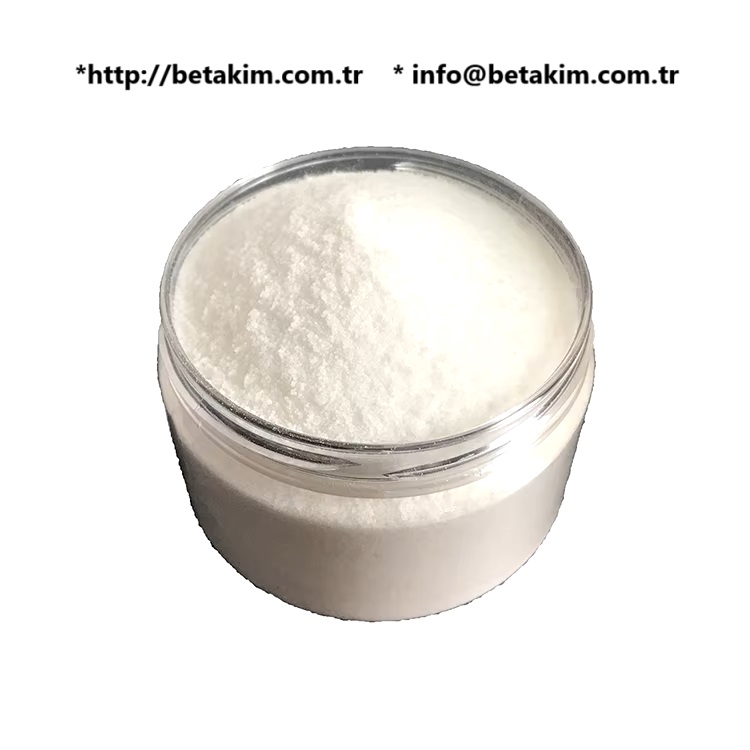
| Appearance | White to cream-coloured powder, flakes, or beads with a slight waxy texture |
Note: You mentioned CAS 123-94-9 in one place; the correct primary CAS is 123-94-4. The number 123-94-9 belongs to a different compound and is likely a typo. Use 123-94-4 as the main identifier for ERP and catalog documentation.
2. PHYSICAL AND CHEMICAL PROPERTIES
-
Physical form: White to off-white powder/granules/beads; odourless or faint characteristic odour.
-
Melting point: 58–65 °C (depending on purity and mono/diglyceride ratio).
-
Solubility:
-
Insoluble in cold water; dispersible in hot water (forms a cloudy dispersion).
-
Soluble in hot ethanol, isopropanol, acetone, and chlorinated solvents; partially soluble in warm vegetable oils.
-
-
Density: ~0.97 g/cm³ (at 20 °C)
-
Hygroscopy: Very low; practically non-hygroscopic.
-
Stability: Stable under normal storage conditions. Oxidative stability depends on fatty acid composition; products high in unsaturated fatty acids require antioxidant protection.
-
Compatibility: Compatible with anionic and non-ionic surfactants, hydrophilic polymers; limited compatibility with high electrolyte solutions.
3. FUNCTIONAL PROPERTIES (OVERVIEW)
-
Emulsifier: Stabilises oil-in-water and water-in-oil emulsions; prevents fat separation.
-
Stabiliser: Controls crystal formation (e.g., in chocolate and margarine), maintains texture and shelf life.
-
Thickener/Bodying agent: Imparts consistency to creams, lotions, and food products.
-
Anti-static agent: Reduces static charge build-up on plastic and textile surfaces.
-
Lubricant: Improves processability of rubber, PVC, and other polymers.
-
Dispersing agent: Aids pigment and filler distribution in inks, coatings, and masterbatches.
-
Foam stabiliser: In food systems like ice cream, it improves overrun and foam stability.
4. ALTERNATIVE NAMES AND SYNONYMS
-
Glycerol monostearate (GMS)
-
Glyceryl monostearate
-
Monostearin
-
Stearic acid monoglyceride
-
1-Monostearoylglycerol
-
E471 (food grade)
-
The commercial names (e.g., Aldo MS, Dimodan, Myvaplex) may use specific CAS numbers for their grades.
-
Common terms: “Mono-diglyceride”, “monoglyceride”, “GMS emulsifier”
5. SECTORAL APPLICATIONS, USAGE RATES, AND EXAMPLE FORMULATIONS
| Sector | Purpose | Suitability | Requirement |
|---|---|---|---|
| Food (E471) | Emulsifier, fat-water stabiliser, extending shelf life | ✅ Highly suitable | Critical/essential in chocolate, margarine, ice cream, tahini halva, baked goods |
| Pharma | Tablet binder, capsule coating, controlled release agent | ✅ Suitable | Standard excipient in solid dosage forms |
| Cosmetics & Personal Care | Cream/lotion stabiliser, emollient, thickener, anti-static | ✅ Suitable | Widespread/standard in skin care, make-up, hair care |
| Plastics & Rubber | Anti-static agent, lubricant, thermal stabiliser | ✅ Suitable | Critical in PVC, polyolefins, rubber processing |
| Textile | Fibre softener, anti-static, dye/finishing emulsion stabiliser | ✅ Suitable | Common, often essential in synthetic textiles |
| Paper & Ink | Dispersing agent, surface coating additive | ✅ Suitable | Complementary/optional in printing inks and coating operations |
| Agriculture | Surfactant in pesticide formulations | ⚖️ Limited | Optional in certain specialty formulations |
5.1. Food (E471)
-
Usage rate: 0.1–2.5% (depending on product; e.g., margarine 0.2–0.5%, ice cream 0.1–0.3%, chocolate 0.3–0.5%).
-
Example – Chocolate: Add 0.3–0.5% GMS during conching to control viscosity and prevent fat bloom.
-
Example – Ice Cream: Blend 0.2% GMS with other emulsifiers (e.g., mono-diglycerides) at 70 °C in the fat phase before homogenisation to improve overrun and body.
5.2. Pharmaceuticals
-
Usage rate: Tablets: 1–5% (binder); Capsule coatings: 5–20% of coating solution.
-
Example – Tablet binder: Add 2% GMS (fine powder) to the dry mix before granulation with water or alcohol to improve compressibility.
-
Example – Sustained release: Use 10–15% GMS in a matrix tablet to provide lipid-based controlled release.
5.3. Cosmetics
-
Usage rate: Creams/lotions: 1–5%; Make-up: 1–3%; Hair conditioners: 0.5–2%.
-
Example – O/W Cream: Heat 4% GMS, 2% glyceryl stearate, 8% oils to 70 °C; separately heat water phase with 5% glycerin. Combine and emulsify to form a stable, glossy cream.
5.4. Plastics and Rubber
-
Usage rate: Anti-static in PVC/Polyolefins: 0.5–2%; Lubricant in rubber: 1–3 phr.
-
Example – PVC cable insulation: Mix 1.5% GMS (internal lubricant/anti-static) during compounding to reduce melt viscosity and surface dust attraction.
5.5. Textile
-
Usage rate: Fibre lubricant/softener: 0.5–2% on weight of bath; Anti-static: 1–2% in finishing solution.
-
Example – Synthetic yarn finish: Prepare a 10% emulsion of GMS with a suitable emulsifier, add to the finishing bath to give 0.5% active on the yarn.
5.6. Paper and Inks
-
Usage rate: Offset printing inks: 0.5–3% as pigment dispersant and anti-scumming agent.
-
Example – Water-based coating: Add 1% GMS to a starch coating formulation to improve slip and water resistance of the coated paper.
6. CAS NUMBER BREAKDOWN
| CAS Number | Description | Typical Use |
|---|---|---|
| 123-94-4 | Primary CAS for glycerol monostearate (monoester of stearic acid). The official reference in food codex for E471. | Food, pharma, cosmetics, industrial |
| 31566-31-1 | High-purity monoglyceride (GMS 90 or higher), often specified as “Stearic acid, monoester with glycerol.” | Stronger emulsifier requirement, high-purity applications |
| 11099-07-3 | Mixture of C16–C18 mono- and diglycerides; covers alpha and beta isomers. | Cosmetics, pharma, broader monoglyceride specifications |
| 342394-34-7 | 1-Monostearoylglycerol (specific isomer). Frequently used in commercial catalogs. | Industrial, plastic/rubber additives, technical data sheets |
7. REGULATORY STATUS AND SAFETY
-
Food additive: E471 is permitted in the EU (EC 1333/2008), Turkey (Turkish Food Codex), and many other regions; quantitative limits are set quantum satis for most foods or follow good manufacturing practice.
-
FDA (USA): GRAS (Generally Recognized As Safe) under 21 CFR 184.1324 for mono- and diglycerides.
-
Halal / Kosher: Products derived from vegetable sources (palm, rapeseed, soybean) are generally suitable. Animal-derived material requires specific certification.
-
Toxicology: No acute toxicity concerns; LD50 (oral, rat) > 5 g/kg. Metabolised like ordinary fats.
-
Storage: Keep in a cool, dry place (<30 °C), away from direct sunlight and sources of ignition. Re-seal containers to prevent moisture and odour absorption.
8. FREQUENTLY ASKED QUESTIONS
Q1. What is the difference between E471 and pure glycerol monostearate?
E471 is a generic designation for a mixture of mono- and diglycerides of fatty acids (derived from edible fats/oils). Pure glycerol monostearate (>90% monoester) is one specific grade within this category, often indicated by CAS 31566-31-1. The functionality differs: high-mono products are stronger emulsifiers, while broader mixtures offer additional anti-staling or aeration properties.
Q2. Why are there multiple CAS numbers for GMS?
Because GMS can be defined by purity (crude vs. pure), isomer distribution (alpha vs. beta), and the fatty acid chain length (C16–C18). Different CAS numbers capture these variations. For untargeted documentation, 123-94-4 is the safest primary reference.
Q3. Can E471 be used in vegan products?
Yes, if the fatty acids originate from vegetable sources (e.g., palm, canola, soybean). Manufacturers must confirm the origin, as E471 can also be made from animal tallow. Request a vegan certificate from the supplier.
Q4. Does GMS dissolve in water?
It does not dissolve in cold water. In hot water (above its melting point), it can be dispersed with shear to form a milky emulsion, but it will separate upon cooling unless a co-emulsifier is present.
Q5. Is GMS considered a hazardous material?
No. It is a non-toxic, non-hazardous solid. However, due to its slightly waxy nature, spills can create slippery surfaces. Finely divided dust can form explosive mixtures with air; avoid dust accumulation.
Q6. How should glycerol monostearate be incorporated into a hot melt or oil phase?
Heat the oil or fat phase to 5–10 °C above the melting point of GMS (i.e., 65–75 °C), add GMS, and stir until fully dissolved. Then proceed with the emulsification or compounding process.
Q7. What is the shelf life of GMS/E471?
Typically 24 months from the date of manufacture when stored in the original sealed packaging under recommended conditions. High-mono grades containing unsaturated fatty acids may have shorter shelf life due to oxidation.
Q8. In plastics, how does GMS act as an anti-static?
GMS migrates to the polymer surface and forms a continuous film that absorbs atmospheric moisture, allowing static charges to dissipate. It also reduces friction, which lowers triboelectric charging during handling.