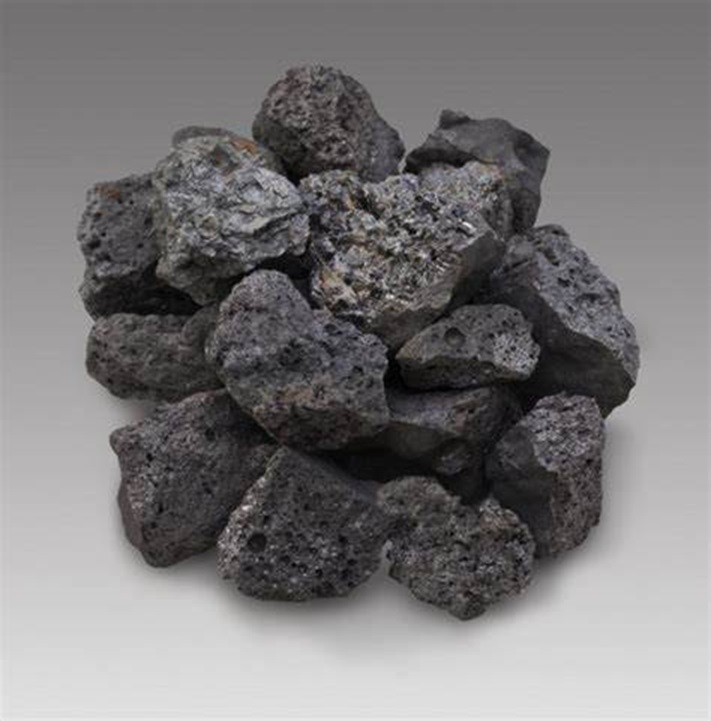
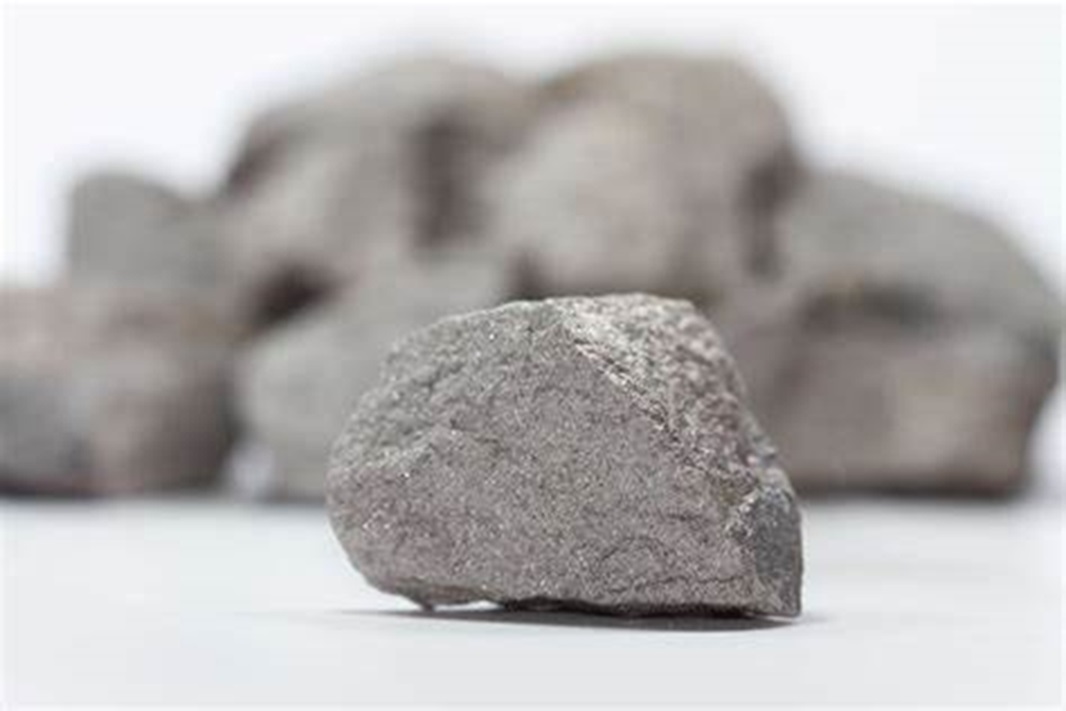
Ferro Phosphorus, Phosphorus Iron, Iron-Phosphorus Alloy, Phosphorised Iron, 8049-19-2
FERRO PHOSPHORUS – FERRO PHOSPHORUS
1. CHEMICAL IDENTITY AND DEFINITION
| Parameter |
Information |
| Chemical Name |
Ferro Phosphorus |
| Other Names |
Phosphorus Iron, Iron-Phosphorus Alloy, Phosphorised Iron, FeP, Ferro-Phosphorus |
| Alloy Type |
Iron-phosphorus alloy |
| Chemical Symbol |
FeP |
| CAS Number |
8049-19-2 |
| Appearance |
Gray metallic solid (lumps / granules) |
| Odor |
Odorless |
| Physical State (20°C) |
Solid (lumps, granules, or crushed) |
| Alloy Class |
Ferroalloy |
2. WHAT IS FERRO PHOSPHORUS?
Ferro Phosphorus (FeP) is a ferroalloy composed of iron and phosphorus. It typically contains 23-26% phosphorus and is used as a phosphorus source in steelmaking. When added to steel, it increases strength, hardness, and corrosion resistance. It also serves as a deoxidizing agent (oxygen remover) in steel production and improves fluidity in casting operations.
3. CHEMICAL COMPOSITION
| Element |
Symbol |
Percentage (%) |
CAS Number |
| Phosphorus |
P |
23 – 26 |
7723-14-0 |
| Iron |
Fe |
Balance (~70-75%) |
7439-89-6 |
| Silicon |
Si |
≤ 3.0 |
7440-21-3 |
| Manganese |
Mn |
≤ 2.0 |
7439-96-5 |
| Carbon |
C |
≤ 0.5 |
7440-44-0 |
| Sulfur |
S |
≤ 0.05 |
7704-34-9 |
| Chromium |
Cr |
≤ 0.5 |
7440-47-3 |
| Vanadium |
V |
≤ 0.5 |
7440-62-2 |
4. PHYSICAL PROPERTIES
| Property |
Value |
| Appearance |
Gray metallic solid |
| Density |
~6.7 g/cm³ |
| Melting Point |
~1,050 °C |
| Bulk Density (Lumps) |
~5.0 – 6.0 g/cm³ |
| Bulk Density (Granules) |
~4.0 – 5.0 g/cm³ |
| Hardness |
Medium-high |
| Color |
Gray to dark gray |
| Magnetic Properties |
Magnetic |
5. CHEMICAL PROPERTIES
| Property |
Information |
| Chemical Composition |
FeP (Iron + Phosphorus) |
| CAS Number |
8049-19-2 |
| Phosphorus Content |
23 – 26% |
| Iron Content |
~70 – 75% |
| Impurities |
Si, Mn, C, S, Cr, V |
| Oxidation Resistance |
Moderate |
| Reactivity |
Stable against moisture; soluble in acids |
| Phosphine Gas |
Contact with acids may release toxic phosphine (PH₃) gas |
6. STANDARD GRADES
| Grade |
P (%) |
Si (%) |
Mn (%) |
C (%) |
S (%) |
Application |
| FeP24 |
23-26 |
≤3.0 |
≤2.0 |
≤0.5 |
≤0.05 |
Standard quality |
| FeP25 |
24-27 |
≤2.5 |
≤1.5 |
≤0.4 |
≤0.04 |
High quality |
| FeP22 |
21-24 |
≤3.5 |
≤2.5 |
≤0.6 |
≤0.06 |
General use |
7. PRODUCTION PROCESS
| Step |
Description |
| 1. Raw Material Preparation |
Iron ore, phosphate rock, and coke preparation |
| 2. Blast Furnace / Arc Furnace |
Melting and alloying phosphorus with iron |
| 3. Casting |
Pouring liquid alloy into molds |
| 4. Cooling |
Controlled cooling |
| 5. Crushing |
Crushing to appropriate lump/granule size |
| 6. Sieving |
Size classification |
| 7. Packaging |
Packing in steel drums or big bags |
8. APPLICATIONS
8.1. Steel Production
| Application |
Description |
| Strength Enhancement |
Increases tensile and yield strength of steel |
| Hardness Enhancement |
Improves hardness values of steel |
| Corrosion Resistance |
Increases resistance to rusting and oxidation |
| Deoxidation |
Used as oxygen remover in steel production |
| Grain Refinement |
Improves grain structure in steel |
8.2. Casting Operations
| Application |
Description |
| Fluidity Improvement |
Increases fluidity of cast iron |
| Shrinkage Reduction |
Reduces shrinkage during casting |
| Casting Quality |
Produces higher quality cast parts |
| Hard Castings |
Wear-resistant cast iron parts |
8.3. Alloy Steels
| Application |
Description |
| Free-Cutting Steels |
Improves machinability (automotive steels) |
| Spring Steels |
Strength enhancement in spring steels |
| Structural Steels |
Strength enhancement in structural steels |
| Tool Steels |
Hardness and wear resistance in tool steels |
8.4. Chemical Industry
| Application |
Description |
| Drying Agent |
Used as drying agent in certain chemical processes |
| Phosphorus Source |
Phosphorus source in chemical production |
| Catalyst Production |
In certain catalyst formulations |
8.5. Other Applications
| Application |
Description |
| Welding Electrodes |
Production of special welding electrodes |
| Phosphate Coating |
Use in phosphating processes |
| Non-Ferrous Alloys |
Additive in some non-ferrous alloys |
9. ADVANTAGES OF FERRO PHOSPHORUS
| Advantage |
Description |
| Corrosion Resistance |
Prevents rusting and oxidation of alloys |
| Improved Mechanical Properties |
Increases durability and strength of metals |
| Economic |
Cost-effective way to add phosphorus to alloys |
| Deoxidation |
Effective oxygen remover in steelmaking |
| Fluidity Increase |
Improves fluidity in casting operations |
| Shrinkage Reduction |
Reduces shrinkage in castings |
| Grain Refinement |
Improves grain structure in steel |
| Machinability |
Improves machinability in free-cutting steels |
| Recyclability |
100% recyclable |
10. EFFECTS ON STEEL PROPERTIES
| Property |
Effect of Phosphorus |
| Tensile Strength |
Increases |
| Yield Strength |
Increases |
| Hardness |
Increases |
| Ductility |
Decreases |
| Toughness |
Decreases (cold brittleness) |
| Corrosion Resistance |
Increases |
| Oxidation Resistance |
Increases |
| Machinability |
Significantly improves |
| Weldability |
Decreases (caution required) |
| Cold Brittleness |
Increases (at low temperatures) |
11. RECOMMENDED ADDITION RATES
| Steel Type |
P Addition (%) |
FeP Required (kg/ton) |
| Free-Cutting Steel |
0.04 – 0.12 |
1.5 – 5.0 |
| Structural Steel |
0.01 – 0.04 |
0.4 – 1.5 |
| Spring Steel |
0.02 – 0.06 |
0.8 – 2.5 |
| Tool Steel |
0.03 – 0.05 |
1.0 – 2.0 |
| Cast Iron |
0.10 – 0.50 |
4.0 – 20.0 |
12. PRECAUTIONS
| Consideration |
Description |
| Cold Brittleness |
Phosphorus increases cold brittleness of steel. Caution required for low-temperature applications. |
| Weldability |
High phosphorus content reduces weldability. Preheating may be required before welding. |
| Ductility Reduction |
Phosphorus addition reduces ductility. Should be limited in applications where ductility is critical. |
| Control |
Phosphorus content requires precise control. |
| Toxicity |
Phosphorus compounds can be toxic. Contact with acids releases PH₃ (phosphine) gas. |
13. SAFETY AND HEALTH INFORMATION
| Parameter |
Information |
| Hazard |
Not hazardous in solid form |
| Dust |
Inhalation of dust may cause respiratory irritation |
| Fumes |
Melting fumes may contain phosphorus oxides |
| Phosphine Gas (PH₃) |
Formed upon contact with acids - highly toxic and explosive |
| Skin Contact |
May cause mechanical irritation |
| Eye Contact |
May cause mechanical irritation |
| Carcinogenicity |
Not classified |
| Mutagenicity |
Not classified |
13.1. FIRST AID MEASURES
| Route of Exposure |
Action |
| Inhalation |
Remove to fresh air. If breathing difficulty, seek medical attention. |
| Skin Contact |
Wash with plenty of soap and water. Remove contaminated clothing. |
| Eye Contact |
Rinse thoroughly with water for at least 15 minutes. Seek medical attention. |
| Ingestion |
Rinse mouth. Seek medical attention. |
14. STORAGE AND HANDLING
| Parameter |
Information |
| Storage Conditions |
Cool, dry, well-ventilated area |
| Container Requirements |
Clean, dry container (steel drum or big bag) |
| Protect From |
Moisture, acids, strong oxidizing agents |
| Shelf Life |
Unlimited (with proper storage) |
| Handling Precautions |
Avoid contact with acids; prevent dust formation |
| Special Warning |
Contact with acids releases PH₃ gas - extremely toxic |
15. TRANSPORT INFORMATION
| Parameter |
Information |
| UN Number |
Not regulated (not a hazardous material) |
| Hazard Class |
Not applicable |
| Packing Group |
Not applicable |
| ADR/RID |
Not regulated |
| IMDG Code |
Not regulated |
| IATA (Air) |
Not regulated |
| Marine Pollutant |
No |
16. PACKAGING OPTIONS
| Packaging Type |
Quantity |
Material |
| Steel Drum |
100 – 250 kg |
Steel |
| Big Bag (FIBC) |
500 – 1,000 kg |
Polypropylene |
| Steel Box |
500 – 1,000 kg |
Steel |
| Plastic Lined Bag |
25 – 50 kg |
PP/PE |
| Custom Packaging |
Customer requirements |
Various |
17. REGULATORY STATUS
| Region / Authority |
Status |
| European Union (REACH) |
Registered substance |
| USA (EPA TSCA) |
Listed on TSCA inventory |
| China |
Listed on inventory |
| Japan (CSCL) |
Listed on CSCL inventory |
| ISO 9001 |
Certified production |
18. OTHER NAMES AND SYNONYMS
| Type |
Name |
| Turkish Names |
Ferro Fosfor, Fosforlu Demir, Fosfor Demir Alaşımı, Döküm Yardımcısı, Fosfor Alaşımı, Fosfor Katkılı Metal |
| English Names |
Ferro Phosphorus, Iron-Phosphorus Alloy, Phosphorus Iron, Ferro-Phosphorus, Phosphorised Iron |
| Chemical Names |
FeP, Iron Phosphide |
| Common Names |
Phosphorus Iron, Casting Aid |
| CAS Number |
8049-19-2 |
19. SUMMARY AND CRITICAL WARNINGS
Product Summary
| Parameter |
Value |
| Product |
Ferro Phosphorus (FeP) |
| CAS Number |
8049-19-2 |
| Phosphorus Content |
23 – 26% |
| Iron Content |
~70 – 75% |
| Appearance |
Gray metallic solid (lumps/granules) |
| Density |
~6.7 g/cm³ |
| Melting Point |
~1,050 °C |
| Primary Applications |
Steelmaking, deoxidation, casting operations |
CRITICAL WARNINGS
1. Phosphorus Content: Ferro phosphorus typically contains 23-26% phosphorus. Verify exact composition before use for precise alloying calculations.
2. Cold Brittleness: Phosphorus increases cold brittleness (low-temperature brittleness) of steel. Phosphorus levels must be limited in steels used for low-temperature applications.
3. Weldability: High phosphorus content reduces weldability. Preheat treatment or special welding procedures may be required.
4. Ductility: Phosphorus addition decreases steel ductility. Caution required in applications where ductility is critical (deep drawing, forming).
5. Machinability: Phosphorus significantly improves machinability (chip removal) in free-cutting steels. Essential additive in automotive steels.
6. Deoxidation: Effective oxygen remover. Improves quality in steelmaking.
7. Casting Fluidity: Improves fluidity of cast iron and reduces shrinkage. Enhances casting quality.
8. Phosphine Gas (PH₃) Warning: Contact with acids releases highly toxic and explosive phosphine (PH₃) gas. Do not store with acids and avoid contact with acids.
9. Storage: Store in dry, cool, well-ventilated area. Keep away from acids and oxidizing agents.
10. Corrosion Resistance: Phosphorus enhances corrosion and oxidation resistance of steel. Provides protection against rusting.
11. Recycling: 100% recyclable with high commercial value.
12. Quality Control: Verify chemical composition (P, Si, Mn, C, S) for each batch. Impurities can affect steel quality.
IMPORTANT DISCLAIMER: This Technical Data Sheet (TDS) is for informational purposes only and is prepared based on available technical data. The user is responsible for determining the suitability of the product for their specific application and for complying with all local, national, and international regulations. For complete safety, storage, use, handling, disposal, and regulatory compliance information, refer to the official Safety Data Sheet (SDS/MSDS) provided by the manufacturer/supplier. This document is not a substitute for professional or medical advice.