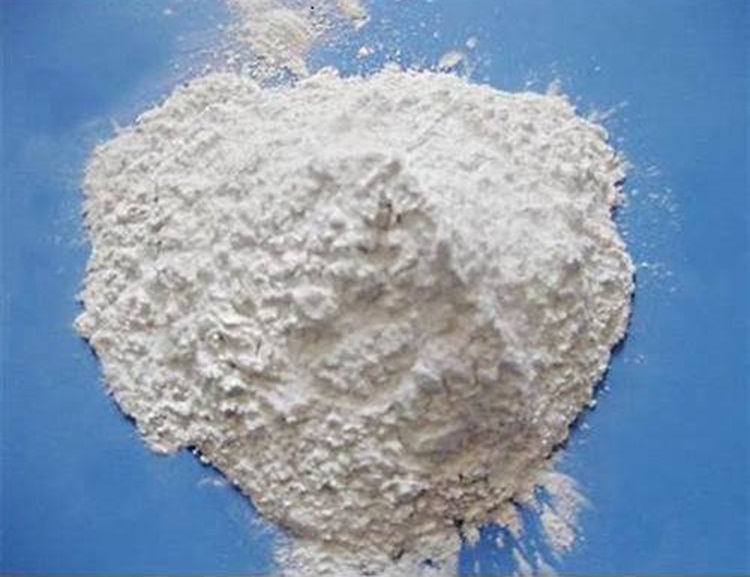
Copper Cyanide, Cyanocopper, Cuprous Cyanide, 544-92-3
COPPER CYANIDE – COPPER CYANIDE
1. CHEMICAL IDENTITY AND DEFINITION
| Parameter |
Information |
| Chemical Name (IUPAC) |
Copper(I) Cyanide |
| Other Names |
Cuprous Cyanide, Cyanocopper, Copper(I) Cyanide |
| Chemical Formula |
CuCN |
| Molecular Weight |
89.56 g/mol |
| CAS Number |
544-92-3 |
| EC Number (EINECS) |
208-883-6 |
| Appearance |
Off-white / greenish-white solid (depending on impurities) |
| Odor |
Faint bitter almond odor (cyanide) |
| Physical State (20°C) |
Solid (powder / granules) |
| Chemical Class |
Inorganic salt (cyanide compound) |
2. WHAT IS COPPER CYANIDE?
Copper cyanide (CuCN) is an inorganic compound consisting of copper(I) ions and cyanide ions. It is one of the most commonly used copper sources in the electroplating industry. This highly toxic compound must be handled with extreme care in industrial applications. It is insoluble in water but dissolves in cyanide solutions by forming complex ions.
3. PHYSICAL PROPERTIES
| Property |
Value |
| Appearance |
Off-white / greenish-white solid |
| Molecular Weight |
89.56 g/mol |
| Density |
2.92 g/cm³ |
| Melting Point |
474 °C (decomposes) |
| Boiling Point |
Decomposes |
| Solubility in Water |
Insoluble (~0.001 g/L) |
| Solubility in Cyanide Solution |
Soluble (forms complexes) |
| Solubility in Ammonia |
Soluble |
| Solubility in Acids |
Soluble (releases toxic HCN gas) |
| Color |
White to greenish |
4. CHEMICAL PROPERTIES
| Property |
Information |
| Chemical Formula |
CuCN |
| Molecular Weight |
89.56 g/mol |
| CAS Number |
544-92-3 |
| EC Number |
208-883-6 |
| Copper Content |
~71.0% |
| Cyanide Content |
~29.0% |
| Structure |
Polymeric chain structure (Cu-CN) |
| Copper Valence |
Cu(I) / +1 |
| Stability |
Stable in air, sensitive to moisture |
| Hydrolysis |
Slow hydrolysis in water |
5. CHEMICAL REACTIONS
| Reaction |
Equation |
Description |
| Cyanide Complex Formation |
CuCN + CN⁻ → [Cu(CN)₂]⁻ |
Dissolves in cyanide solution |
| Complex Dissolution |
CuCN + 2CN⁻ → [Cu(CN)₃]²⁻ |
Complex with excess cyanide |
| Tetracyano Complex |
CuCN + 3CN⁻ → [Cu(CN)₄]³⁻ |
High cyanide concentration |
| Acid Decomposition |
CuCN + H⁺ → Cu⁺ + HCN |
Releases toxic HCN gas |
| Oxidation |
2CuCN + O₂ → Cu₂O + ... |
Slow oxidation in air |
6. COMPLEX FORMATION
| Complex |
Formula |
Stability |
Description |
| Dicyanocuprate(I) |
[Cu(CN)₂]⁻ |
Stable |
1:1 ratio |
| Tricyanocuprate(I) |
[Cu(CN)₃]²⁻ |
Very stable |
1:2 ratio |
| Tetracyanocuprate(I) |
[Cu(CN)₄]³⁻ |
Most stable |
1:3 ratio |
7. APPLICATIONS
7.1. Electroplating
| Application |
Description |
| Copper Plating |
Copper deposition on steel, brass, and other metals |
| Undercoating |
Base layer before nickel and chrome plating |
| Decorative Plating |
Decorative copper plating |
| Electronic Plating |
PCB and electronic component plating |
| Bath Plating |
Jewelry and watch industry |
7.2. Catalyst
| Application |
Description |
| Chemical Reactions |
Catalyst in various organic and inorganic reactions |
| Polymerization |
In certain polymerization reactions |
| Oxidation Reactions |
Selective oxidation catalyst |
7.3. Organic Synthesis
| Application |
Description |
| Nitrile Compounds |
Synthesis of aryl and alkyl nitriles (Rosenmund-von Braun reaction) |
| Aromatic Nitriles |
Nitrile synthesis from aromatic halides |
| Carboxylic Acids |
Acid synthesis from nitriles |
| Pharmaceutical Synthesis |
Pharmaceutical intermediates |
7.4. Marine Coatings and Biocides
| Application |
Description |
| Marine Paints |
Antifouling paints for ship hulls |
| Insecticide |
Insecticide in agriculture |
| Fungicide |
Fungicide |
| Biocide |
General biological agent |
7.5. Other Applications
| Application |
Description |
| Pesticide |
Pest control in agriculture |
| Metal Plating |
Specialized plating processes |
| Paints |
Antifouling formulations |
8. ELECTROPLATING BATH PARAMETERS
| Parameter |
Typical Value |
| Copper Cyanide (CuCN) |
30 – 60 g/L |
| Sodium Cyanide (NaCN) |
40 – 80 g/L |
| Sodium Carbonate (Na₂CO₃) |
15 – 30 g/L |
| pH |
12.0 – 12.8 |
| Temperature |
40 – 60 °C |
| Current Density |
1 – 5 A/dm² |
| Anode |
Copper anode |
| Cathode Efficiency |
95 – 100% |
9. SAFETY AND HEALTH INFORMATION
| Parameter |
Value |
| Oral LD50 (Rat) |
~1,000 - 1,500 mg/kg |
| Dermal LD50 (Rabbit) |
~300 mg/kg |
| Inhalation LC50 (Rat) |
~0.5 mg/L (HCN) |
| GHS Classification |
Very toxic |
| Hazard Class |
Category 1-3 |
| Carcinogenicity |
Not classified |
| Mutagenicity |
Negative |
| Reproductive Toxicity |
Positive |
9.1. GHS HAZARD STATEMENTS (H-Codes)
| Code |
Statement |
| H290 |
May be corrosive to metals |
| H300 |
Fatal if swallowed |
| H310 |
Fatal in contact with skin |
| H330 |
Fatal if inhaled |
| H372 |
Causes damage to organs through prolonged exposure |
| H400 |
Very toxic to aquatic life |
| H410 |
Very toxic to aquatic life with long-lasting effects |
9.2. GHS PRECAUTIONARY STATEMENTS (P-Codes)
| Code |
Statement |
| P260 |
Do not breathe dust/fumes |
| P262 |
Do not get in eyes, on skin, or on clothing |
| P273 |
Avoid release to the environment |
| P301+P310 |
IF SWALLOWED: Immediately call a POISON CENTER/doctor |
| P303+P361+P353 |
IF ON SKIN: Remove contaminated clothing |
| P304+P340 |
IF INHALED: Remove to fresh air |
| P305+P351+P338 |
IF IN EYES: Rinse cautiously with water |
10. FIRST AID MEASURES
| Route of Exposure |
Action |
| Inhalation |
Remove to fresh air. If breathing stopped, give artificial respiration. Get immediate medical attention. |
| Skin Contact |
Remove contaminated clothing. Wash with plenty of soap and water. Get immediate medical attention. |
| Eye Contact |
Rinse thoroughly with water for at least 20 minutes. Get immediate medical attention. |
| Ingestion |
Do NOT induce vomiting. Rinse mouth. Get immediate medical attention. |
11. CYANIDE ANTIDOTE TREATMENT
| Agent |
Dosage |
Description |
| Hydroxocobalamin |
5 g IV |
Cyanide antidote |
| Sodium Thiosulfate |
12.5 g IV |
Cyanide metabolism |
| Amyl Nitrite |
Inhalation |
Methemoglobin formation |
| Sodium Nitrite |
3% IV |
Methemoglobin formation |
12. STORAGE AND HANDLING
| Parameter |
Information |
| Storage Conditions |
Cool, dry, well-ventilated, locked area |
| Container Requirements |
Tightly closed, dedicated cyanide container |
| Protect From |
Moisture, acids, oxidizing agents |
| Shelf Life |
12-24 months (with proper storage) |
| Temperature |
15-25°C |
| Warning |
Contact with acids releases HCN gas |
13. TRANSPORT INFORMATION
| Parameter |
Information |
| UN Number |
1600 |
| Hazard Class |
6.1 (Toxic substances) |
| Packing Group |
II |
| ADR/RID |
6.1 |
| IMDG Code |
6.1 |
| IATA (Air) |
6.1 |
| Marine Pollutant |
Yes |
14. ENVIRONMENTAL EFFECTS
| Parameter |
Information |
| Aquatic Toxicity |
Extremely toxic |
| Fish Toxicity (LC50) |
0.1 – 1 mg/L |
| Bioaccumulation |
Possible |
| Persistence |
Cyanide is biodegradable |
| Environmental Risk |
High |
15. WASTE MANAGEMENT
| Parameter |
Information |
| Waste Code |
Hazardous waste (06 07 03) |
| Disposal |
Licensed disposal facilities |
| Neutralization |
Alkaline hypochlorite oxidation |
| Recycling |
Possible (special process) |
| Wastewater |
Cyanide oxidation required |
16. PACKAGING OPTIONS
| Packaging Type |
Quantity |
Material |
| Plastic Drum |
25 – 50 kg |
HDPE |
| Plastic Bucket |
5 – 25 kg |
HDPE |
| Plastic Bag |
1 – 5 kg |
PE |
| Fiber Drum |
25 – 50 kg |
Fiber |
17. REGULATORY STATUS
| Region / Authority |
Status |
| European Union (REACH) |
Registered (high concern substance) |
| USA (EPA) |
Toxic Substance |
| USA (OSHA) |
Cyanide regulation |
| Chemical Weapons Convention |
Monitored substance |
| Turkey |
Hazardous substance |
18. OTHER NAMES AND SYNONYMS
| Type |
Name |
| Turkish Names |
Bakır Siyanür, Siyanürlü Bakır, Bakır(I) Siyanür |
| English Names |
Copper Cyanide, Cuprous Cyanide, Copper(I) Cyanide, Cyanocopper |
| French |
Cyanure de Cuivre |
| German |
Kupfercyanid |
| Common Names |
White Copper Powder, Plating Copper |
| CAS Number |
544-92-3 |
| EC Number |
208-883-6 |
19. SUMMARY AND CRITICAL WARNINGS
Product Summary
| Parameter |
Value |
| Product |
Copper Cyanide |
| CAS Number |
544-92-3 |
| Formula |
CuCN |
| Molecular Weight |
89.56 g/mol |
| Appearance |
Off-white / greenish-white solid |
| Copper Content |
~71.0% |
| Primary Applications |
Electroplating, catalyst, organic synthesis |
CRITICAL WARNINGS
1. HIGH TOXICITY: Copper cyanide is highly toxic. Ingestion, inhalation, or skin contact can be fatal. Cyanide poisoning is rapid (within minutes).
2. HCN GAS: Contact with acids releases hydrogen cyanide (HCN) gas. HCN is an extremely toxic gas with a bitter almond odor. Do not store with acids.
3. ELECTROPLATING: The most common application is copper plating. Cyanide baths require special safety measures.
4. CYANIDE ANTIDOTE: Cyanide antidote (hydroxocobalamin, sodium thiosulfate) must always be available. Emergency procedures must be known.
5. INSOLUBLE IN WATER: Insoluble in water, but soluble in cyanide solutions. Cyanide may be released during dissolution.
6. COMPLEX FORMATION: Forms [Cu(CN)₂]⁻, [Cu(CN)₃]²⁻, and [Cu(CN)₄]³⁻ complexes. Stable complexes are essential for plating.
7. STORAGE: Store in a dry, cool, well-ventilated, and locked area. Keep away from acids and oxidizing agents.
8. PPE: Full protective equipment (gloves, goggles, apron, respirator) is required when handling.
**9. ENVIRONMENT: Extremely toxic to aquatic organisms. Avoid release to the environment.
**10. WASTE: Cyanide-containing wastes must be neutralized by oxidation with alkaline hypochlorite. Send to licensed disposal facilities.
**11. TRANSPORT: UN 1600, Class 6.1 (Toxic). Packing Group II.
**12. TRAINING: All personnel working with cyanide must undergo regular safety training.
IMPORTANT DISCLAIMER: This Technical Data Sheet (TDS) is for informational purposes only and is prepared based on available technical data. The user is responsible for determining the suitability of the product for their specific application and for complying with all local, national, and international regulations. For complete safety, storage, use, handling, disposal, and regulatory compliance information, refer to the official Safety Data Sheet (SDS/MSDS) provided by the manufacturer/supplier. This document is not a substitute for professional or medical advice.