Silver Anod, Electrolytic Silver, Pure Silver Electrode, Silver Electrode Rod, Silver Plate, 7440-22-4
SILVER ANODE – SILVER ANODE
1. CHEMICAL IDENTITY AND DEFINITION
| Parameter |
Information |
| Chemical Name |
Silver (Anode Grade) |
| Other Names |
Silver Plate, Silver Rod, Electrolytic Silver, Pure Silver Electrode, Silver Electrode Rod, High-Purity Silver Anode, Anode Metal, Electrode Silver, Plating Silver |
| Chemical Symbol |
Ag |
| CAS Number |
7440-22-4 |
| EC Number (EINECS) |
231-131-3 |
| Purity |
99.9% (999 fineness) |
| Appearance |
Bright white, metallic |
| Odor |
Odorless |
| Physical State (20°C) |
Solid (plate, rod, or custom shapes) |
| Metal Class |
Precious metal / Noble metal |
2. WHAT IS A SILVER ANODE?
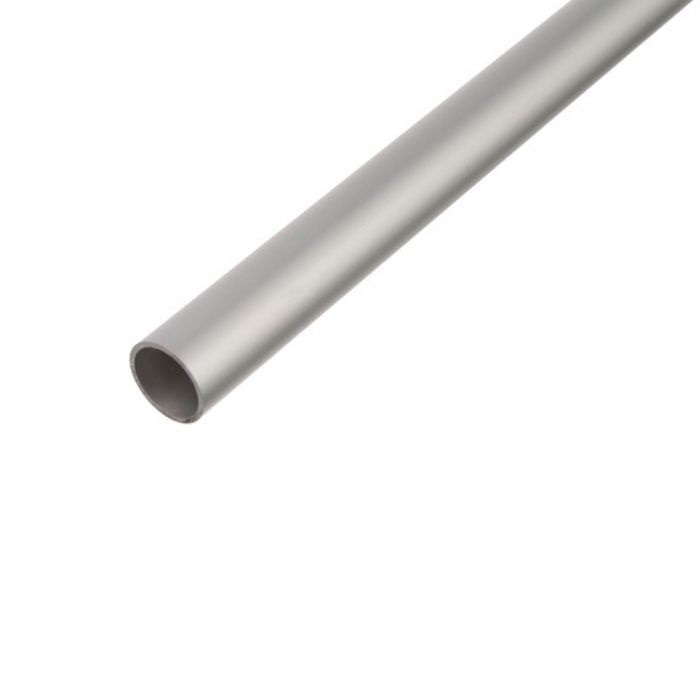
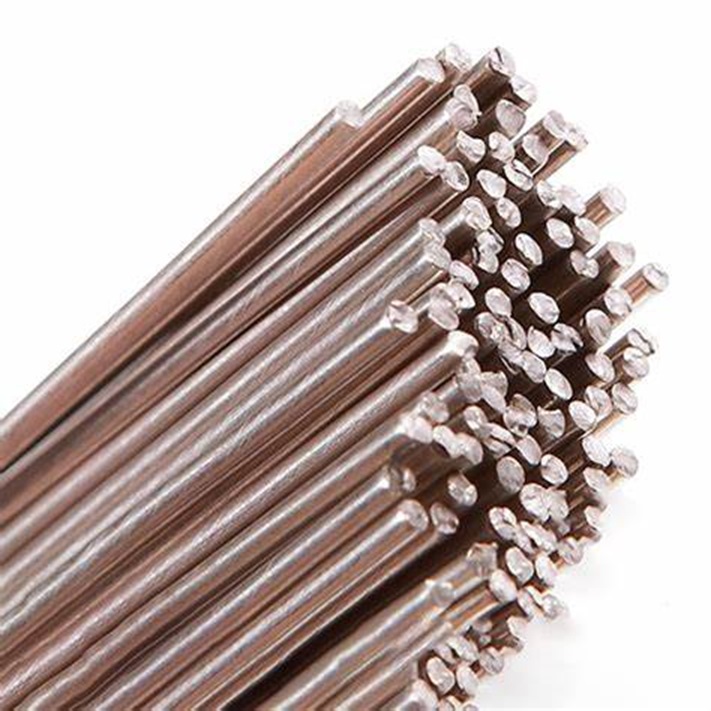
A silver anode is a high-purity silver form used in electroplating and industrial electrochemical processes. It serves as the positive electrode in electrolytic cells, where silver ions are released into the solution to deposit onto cathodic surfaces. Silver anodes are typically produced at 99.9% purity and are available in various shapes including plates, rods, and custom-designed forms to suit specific industrial requirements.
3. PHYSICAL PROPERTIES
| Property |
Value |
| Appearance |
Bright white, metallic luster |
| Purity |
99.9% (999 fineness) |
| Density (20°C) |
10.49 g/cm³ |
| Melting Point |
961.8 °C |
| Boiling Point |
2,162 °C |
| Molar Mass |
107.87 g/mol |
| Color |
Bright white / silver-white |
| Hardness (Mohs) |
2.5 – 3.0 |
| Electrical Conductivity |
63 × 10⁶ S/m (highest of all metals) |
| Thermal Conductivity |
429 W/m·K |
4. CHEMICAL PROPERTIES
| Property |
Information |
| Chemical Symbol |
Ag |
| Atomic Number |
47 |
| Atomic Weight |
107.8682 g/mol |
| CAS Number |
7440-22-4 |
| EC Number |
231-131-3 |
| Periodic Table Group |
Group 11 (Transition Metal) |
| Period |
Period 5 |
| Electron Configuration |
[Kr] 4d¹⁰ 5s¹ |
| Valence |
+1 (primary), +2, +3 |
| Reactivity |
Stable in air; tarnishes upon contact with sulfur compounds |
| Acid Resistance |
Resistant to most organic acids; reacts with strong oxidizing acids (nitric acid) |
| Corrosion Resistance |
Highly resistant to oxidation and rusting |
| Oxidation Resistance |
Good resistance to atmospheric oxidation |
5. ELECTRICAL AND THERMAL PROPERTIES
| Property |
Value |
| Electrical Conductivity |
63 × 10⁶ S/m (highest of all metals) |
| Electrical Resistivity (20°C) |
1.59 × 10⁻⁸ Ω·m |
| Electrochemical Equivalent |
4.025 g/Ah |
| Current Density (Typical) |
1 – 5 A/dm² |
| Thermal Conductivity |
429 W/m·K |
| Coefficient of Thermal Expansion |
18.9 × 10⁻⁶ /K |
| Specific Heat (20°C) |
235 J/kg·K |
| Latent Heat of Fusion |
104.5 kJ/kg |
6. AVAILABLE SHAPES AND FORMS
| Form |
Description |
Typical Dimensions |
| Plates |
Flat rectangular sheets |
Thickness: 1-10 mm, Width: 50-200 mm, Length: 100-500 mm |
| Rods |
Cylindrical bars |
Diameter: 3-50 mm, Length: 100-1000 mm |
| Rounds |
Discs / Pucks |
Diameter: 20-100 mm, Thickness: 5-20 mm |
| Custom Shapes |
Made to customer specifications |
Various |
| Balls |
Spherical anodes |
Diameter: 10-50 mm |
| Rectangular Bars |
Square/rectangular cross-section |
Various |
7. PURITY GRADES AND SPECIFICATIONS
| Parameter |
Specification |
| Silver (Ag) Content |
≥ 99.9% |
| Copper (Cu) |
≤ 0.05% |
| Lead (Pb) |
≤ 0.05% |
| Iron (Fe) |
≤ 0.02% |
| Gold (Au) |
≤ 0.01% |
| Palladium (Pd) |
≤ 0.01% |
| Total Impurities |
≤ 0.1% |
8. APPLICATIONS
8.1. Electroplating
| Application |
Description |
| Silver Plating |
Depositing thin silver layers onto various substrates |
| Decorative Plating |
Jewelry, cutlery, and decorative items |
| Functional Plating |
Electronic components, connectors, contacts |
| Industrial Plating |
Bearings, electrical contacts, reflective surfaces |
| Mirror Production |
High-quality mirror backing |
8.2. Electronics
| Application |
Description |
| Electrical Contacts |
High-reliability switching contacts |
| Connectors |
Audio, video, and data connectors |
| Circuit Boards |
Solderable surfaces and contact pads |
| Semiconductor Packaging |
Die bonding and wire bonding |
| Switches |
High-current and high-frequency switches |
| Relays |
Relay contact surfaces |
8.3. Jewelry and Decorative Arts
| Application |
Description |
| High-Quality Silver Plating |
Jewelry and decorative items |
| Gold-Plated Jewelry |
Undercoat for gold plating |
| Silverware |
High-quality silver tableware |
| Decorative Objects |
Luxury decorative items |
| Art Objects |
Artwork and sculptures |
8.4. Chemical Industry
| Application |
Description |
| Electrode Material |
Electrodes in electrochemical processes |
| Electrolysis |
Electrolytic production of chemicals |
| Catalysis |
Catalyst substrates and electrodes |
| Water Treatment |
Silver ion water treatment systems |
| Analytical Chemistry |
Reference electrodes |
8.5. Medical Applications
| Application |
Description |
| Antimicrobial Coatings |
Silver-coated medical devices |
| Wound Care |
Silver-plated wound dressings |
| Dental Applications |
Dental alloys and electrodes |
| Surgical Instruments |
Silver-plated instrument surfaces |
9. ELECTROPLATING PROCESS PARAMETERS
| Parameter |
Value |
| Electrolyte Type |
Silver cyanide, Silver nitrate, Silver sulfamate |
| Current Density |
1 – 5 A/dm² |
| Bath Temperature |
20 – 40 °C |
| pH Range |
8.0 – 10.0 (cyanide bath) |
| Anode Efficiency |
95 – 100% |
| Plating Rate |
0.1 – 1.0 µm/min |
| Electrolyte Ag Content |
20 – 40 g/L |
10. ADVANTAGES OF SILVER ANODES
| Advantage |
Description |
| High Purity |
99.9% purity ensures high-quality plating and electrochemical results |
| Excellent Conductivity |
Highest electrical and thermal conductivity of all metals |
| Corrosion Resistance |
Highly resistant to oxidation and rusting |
| Easy Workability |
Can be produced in various shapes to suit industrial needs |
| Versatility |
Usable across electroplating, electronics, jewelry, and chemical industries |
| Esthetic Value |
Silver plating provides superior appearance |
| Functional Value |
Improves conductivity, wear resistance, and antimicrobial properties |
| Consistent Dissolution |
Uniform anodic dissolution for consistent plating |
| Recyclability |
100% recyclable with high scrap value |
| Long Service Life |
High corrosion resistance ensures long operational life |
11. ANODE CONSUMPTION CALCULATION
| Parameter |
Formula / Value |
| Electrochemical Equivalent |
4.025 g per Ah |
| Theoretical Consumption |
4.025 g/Ah |
| Actual Consumption |
4.2 – 4.5 g/Ah (considering efficiency) |
| Weight Loss |
m = I × t × E (where E = 4.025 g/Ah) |
12. ANODE MAINTENANCE AND CARE
| Practice |
Description |
| Cleaning |
Remove surface oxides and contaminants before use |
| Rinsing |
Rinse with deionized water after handling |
| Storage |
Store in dry, sulfur-free environment |
| Bagging |
Use anode bags to collect insoluble particles |
| Inspection |
Regular inspection for passivation or pitting |
| Replacement |
Replace when anode thickness reduces significantly |
13. SAFETY AND HEALTH INFORMATION
| Parameter |
Information |
| Hazard |
Solid metal form is not hazardous |
| Dust and Fumes |
Inhalation of silver dust/fumes may be harmful |
| Molten State |
Causes severe burns |
| During Electrolysis |
Proper ventilation required (cyanide baths require special precautions) |
| Carcinogenicity |
Not classified as carcinogenic |
| Argyria |
Prolonged exposure may cause blue-gray skin discoloration |
| Cyanide Baths |
Highly toxic - special handling procedures required |
13.1. FIRST AID MEASURES
| Route of Exposure |
Action |
| Inhalation |
Remove to fresh air. Seek medical attention. |
| Skin Contact |
Wash with plenty of soap and water. |
| Eye Contact |
Rinse thoroughly with water for 15 minutes. Seek medical attention. |
| Ingestion |
Seek immediate medical attention. |
14. STORAGE AND HANDLING
| Parameter |
Information |
| Storage Conditions |
Cool, dry, well-ventilated area |
| Container Requirements |
Clean, dry container |
| Protect From |
Moisture, sulfur compounds, acids, corrosive chemicals |
| Shelf Life |
Unlimited (with proper storage) |
| Tarnishing |
Tarnishes upon contact with sulfur compounds |
| Handling Precautions |
Use clean gloves to avoid contamination |
15. TRANSPORT INFORMATION
| Parameter |
Information |
| UN Number |
Not regulated (not a hazardous material) |
| Hazard Class |
Not applicable |
| Packing Group |
Not applicable |
| ADR/RID |
Not regulated |
| IMDG Code |
Not regulated |
| IATA (Air) |
Not regulated |
| Marine Pollutant |
No |
16. PACKAGING OPTIONS
| Packaging Type |
Quantity |
Material |
| Individual Wrapping |
Per piece |
Plastic wrap / Paper |
| Plastic Box |
1 – 5 pieces |
HDPE |
| Wooden Crate |
5 – 50 pieces |
Wood |
| Plastic Bag |
Per piece |
PE |
| Custom Packaging |
Customer requirements |
Various |
17. REGULATORY STATUS
| Region / Authority |
Status |
| European Union (REACH) |
Registered substance |
| USA (EPA) |
Registered substance |
| LBMA |
Good Delivery Standard |
| ISO 9001 |
Certified production |
18. OTHER NAMES AND SYNONYMS
| Type |
Name |
| Turkish Names |
Gümüş Anod, Gümüş Plaka, Gümüş Çubuk, Elektrot Gümüş, Kaplama Gümüşü, Anot Metali |
| English Names |
Silver Anode, Silver Plate, Silver Rod, Electrolytic Silver, Pure Silver Electrode, Silver Electrode Rod |
| Technical Names |
High-Purity Silver Anode, Plating Anode, Silver Anode Plate |
| Common Names |
Anode Metal, Electrode Silver, Plating Silver |
| CAS Number |
7440-22-4 |
19. SUMMARY AND CRITICAL WARNINGS
Product Summary
| Parameter |
Value |
| Product |
Silver Anode |
| CAS Number |
7440-22-4 |
| Purity |
99.9% (999 fineness) |
| Forms |
Plates, rods, rounds, custom shapes |
| Density |
10.49 g/cm³ |
| Melting Point |
961.8 °C |
| Electrochemical Equivalent |
4.025 g/Ah |
| Primary Applications |
Electroplating, electronics, jewelry, chemicals |
CRITICAL WARNINGS
1. High Purity: Silver anodes are typically produced at 99.9% purity. High purity ensures consistent dissolution and high-quality plating results.
2. Shape Selection: Choose appropriate shape based on application - plates for large surfaces, rods for deep holes/bores, custom shapes for specialized applications.
3. Electroplating Use: Use with appropriate silver electrolyte. Common baths: cyanide silver, nitrate silver, or sulfamate silver.
4. Cyanide Bath Caution: Silver cyanide electrolytes are highly toxic. Use appropriate safety measures including ventilation, PPE, and spill containment.
5. Current Density: Operating current density typically 1-5 A/dm². Exceeding recommended current density may cause passivation and poor plating.
6. Anode Bags: Use anode bags to collect insoluble particles (silver oxide, silver chloride) and prevent contamination of plating solution.
7. Tarnishing: Silver tarnishes upon contact with sulfur compounds. Store in sulfur-free environment.
8. Passivation: Silver anodes may passivate if current density is too high. Periodic cleaning may be required.
9. Maintenance: Regularly inspect anodes for pitting, passivation, and uneven dissolution. Replace when reduced to approximately 10-20% of original thickness.
10. Safety: Solid silver is non-toxic; however, silver dust and fumes can be harmful. Cyanide electrolytes require special handling procedures.
11. Recycling: 100% recyclable. Anode scrap has high commercial value.
12. Certification: Products should comply with LBMA Good Delivery standards for quality assurance.
IMPORTANT DISCLAIMER: This Technical Data Sheet (TDS) is for informational purposes only and is prepared based on available technical data. The user is responsible for determining the suitability of the product for their specific application and for complying with all local, national, and international regulations. For complete safety, storage, use, handling, disposal, and regulatory compliance information, refer to the official Safety Data Sheet (SDS/MSDS) provided by the manufacturer/supplier. This document is not a substitute for professional or medical advice.