We unleash your business potential by maximize the business innovation.
Send EmailCopper Phosphorus Ingot, Phosphorized Copper Ingot, Electrolytic Copper Ingot, Copper-Phosphorus Master Alloy, Cu-P Ingot, Phosphor Copper, 7440-50-8, 7723-14-0
COPPER PHOSPHORUS INGOT (Cu-P INGOT / PHOSPHORIZED COPPER INGOT)
PRODUCT IDENTIFICATION INFORMATION
| Parameter | Information |
|---|---|
| Product Name | Copper Phosphorus Ingot / Phosphorized Copper Ingot |
| Other Technical Names | Cu-P Ingot (Copper-Phosphorus Ingot), Copper Phosphorus Ingot, Phosphorized Copper Ingot, Electrolytic Copper Ingot, Cu-DXP Nuggets, Phosphor Copper Master Alloy |
| CAS Numbers | 7440-50-8 (Copper); 7723-14-0 (Phosphorus) |
| Product Family | 1. Phosphorized Copper Master Alloy; 2. Phosphorized Copper Anode |
| Appearance | Reddish-brown metallic |
CHEMICAL STRUCTURE
    Copper Phosphorus Ingot (Cu-P)

    α-Copper Matrix (FCC Crystal Structure)
    with Phosphorus Atoms

         Cu  Cu  Cu  Cu
           \  |  /  |
            Cu Cu Cu Cu
           /  |  \  |
         Cu  Cu  Cu  Cu

    Phosphorus (P) Atoms Dissolved in Copper Matrix
    Acts as Deoxidizer
    Critical Anode Material for Electroplating
Matrix: α-Copper solid solution (FCC crystal structure)
Phosphorus Distribution: Dissolved within copper matrix
Alloy Type: Copper-based, phosphorus-doped
SECTION 1: CHEMICAL IDENTITY AND DEFINITION
| Parameter | Information |
|---|---|
| Product Name | Copper Phosphorus Ingot / Phosphorized Copper Ingot |
| Other Technical Names (English) | Cu-P Ingot, Copper-Phosphorus Ingot, Phosphorized Copper Master Alloy |
| Other Technical Names (Turkish) | Bakır Fosfor Külçe, Fosforlu Bakır Külçe, Cu-P Külçe |
| CAS Numbers | 7440-50-8 (Copper); 7723-14-0 (Phosphorus) |
| Product Family | 1. Phosphorized Copper Master Alloy (8-15% P); 2. Phosphorized Copper Anode (0.04-0.06% P) |
| Appearance | Reddish-brown metallic |
| Odor | Odorless |
| Color | Reddish-brown (characteristic copper color) |
| Luster | Metallic luster |
SECTION 2: CHEMICAL COMPOSITION AND TECHNICAL SPECIFICATIONS
| Property | Master Alloy (CuP) | Phosphorized Anode (Cu-DXP) | Explanation |
|---|---|---|---|
| Phosphorus Content (P) | Wide Range: 8% to 15%. Common grades: CuP8, CuP10, CuP15 | Narrow and Controlled Range: Typically 0.04% - 0.06% (400-600 ppm). Some special applications may range 20-800 ppm | High phosphorus in master alloy ensures easy mixing with molten metal; low and homogeneous phosphorus in anode is critical for uniform dissolution |
| Copper Purity (Cu) | Balance amount. High purity copper used. Impurities are minimal | Minimum 99.99% very high purity. Impurity elements (Fe, S, Pb, As, etc.) controlled at very low ppm levels | Anode purity is vital to prevent bath contamination and achieve high-quality plating |
| Production Standard | ASTM B30, ISO 17672, EN 1044, AWS A5.8 | SJ 21292-2018 (for PCB) and other special standards | - |
SECTION 3: PHYSICAL PROPERTIES
| Property | Master Alloy (CuP) | Phosphorized Anode (Cu-DXP) | Explanation |
|---|---|---|---|
| Color | Reddish-brown | Reddish-brown | Natural color of copper |
| Density | ~8.96 g/cm³ | ~8.96 g/cm³ | Very close to pure copper density |
| Melting Point / Temperature | ~1083°C (for Pure Copper). Master alloys melting range 900-1020°C | ~1083°C | Phosphorus addition lowers the alloy's melting point, allowing it to become liquid at lower temperatures |
| Hardness | Increases with phosphorus addition | 45-65 HV (typical) | Material remains workable |
| Electrical Conductivity | High | High | Ideal for electroplating and heat exchanger applications |
| Thermal Conductivity | High | High | - |
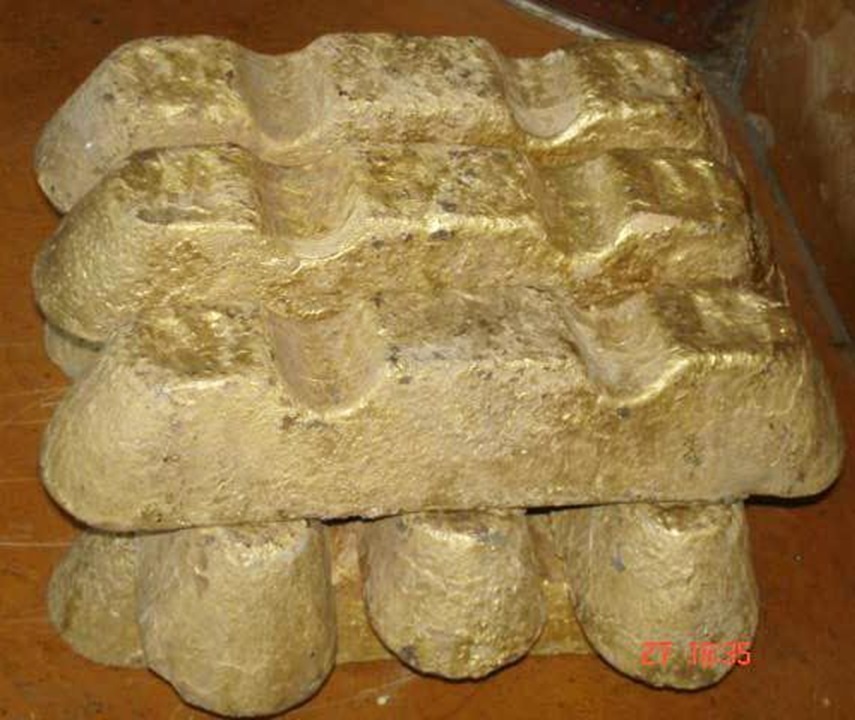
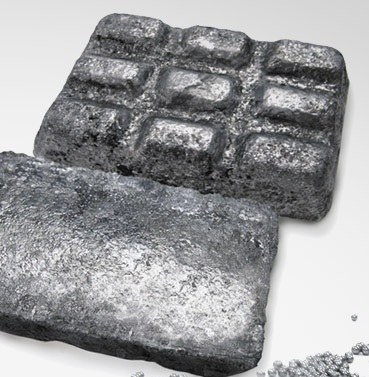
| Form | Waffle type (plate) and shot type (grain) | Ingot, ball, nugget, plate or special shapes | BSAN waffle type weighs approximately 12 kg with dimensions 50x160x250 mm. Common anode ball diameters are 25-28 mm |
SECTION 4: MASTER ALLOY GRADES
| Grade | Phosphorus Content (%) | Copper Content (%) | Application Areas |
|---|---|---|---|
| CuP8 | 7.5 - 8.5 | Balance | Deoxidation, brazing |
| CuP10 | 9.5 - 10.5 | Balance | Deoxidation, brazing |
| CuP15 | 14.5 - 15.5 | Balance | Deoxidation, brazing |
| Cu-DXP (Anode) | 0.04 - 0.06 | ≥ 99.99% | PCB electroplating, semiconductor |
SECTION 5: CHEMICAL PROPERTIES AND REACTIVITY
| Parameter | Information |
|---|---|
| Chemical Character | Copper-based alloy; phosphorus-doped; high conductivity; good corrosion resistance; deoxidizer property |
| Stability | Stable under normal conditions; May form oxide layer on surface; Corrosion resistant |
| Reactivity | Soluble in dilute acids; Rapidly soluble in nitric acid; May form phosphorus oxide vapor at high temperatures |
| Deoxidation Reaction | 5Cu₂O + 2P → 10Cu + P₂O₅ (phosphorus removes oxygen from molten copper) |
| Incompatible Materials | Strong oxidizers, nitric acid, halogens |
| Corrosion Resistance | High; Better than pure copper |
| Acid Reaction | Cu + 2HNO₃ → Cu(NO₃)₂ + H₂ (in nitric acid) |
| Phosphorus Effect | Acts as deoxidizer; Improves mechanical properties; Provides stable dissolution in electroplating |
SECTION 6: EFFECTS OF PHOSPHORUS ON COPPER
| Property | Phosphorus Effect | Explanation |
|---|---|---|
| Deoxidation | Removes oxygen | Phosphorus removes dissolved oxygen from molten copper as P₂O₅ |
| Hardness | Increases | Phosphorus dissolves in copper matrix, increasing hardness |
| Electrical Conductivity | Slightly decreases | 5-15% decrease compared to pure copper (for anode) |
| Melting Point | Decreases | Melting temperature decreases in master alloys |
| Sludge Formation | Decreases | Black film formation during anode dissolution reduces sludge |
| Plating Quality | Increases | Provides more uniform, brighter and more ductile plating |
| Anode Polarization | Becomes stable | Provides stable dissolution and prevents passivation |
SECTION 7: INDUSTRY APPLICATIONS
7.1 Copper-Phosphorus Master Alloy (CuP8, CuP10, CuP15)
Application A: Deoxidation of Molten Copper and Copper Alloys
| Parameter | Explanation |
|---|---|
| Problem | Molten copper easily absorbs oxygen forming Cu₂O; Causes porosity, low strength, hydrogen embrittlement |
| Solution | Phosphorus has high affinity for oxygen; Reacts with Cu₂O to form P₂O₅ slag |
| Advantages | Most effective deoxidizer; Superior fluidity and castability; Improved mechanical properties; Resistance to hydrogen embrittlement |
Application B: Production of Brazing Alloys
| Parameter | Explanation |
|---|---|
| Problem | Joining copper pipes and components requires strong connections with flux |
| Solution | Cu-P master alloys produce brazing rods and wires (BCuP-2, BCuP-5) |
| Advantages | Self-fluxing on copper; Controlled flow and joint penetration; Cost efficiency (compared to silver-based); Silver addition increases ductility |
7.2 Phosphorized Copper Anode (Cu-DXP) - Electroplating
Application A: Printed Circuit Board (PCB) Production
| Parameter | Explanation |
|---|---|
| Problem | PCB electroplating requires precision; Anode sludge causes roughness, defects and scrap boards |
| Solution | Phosphorus content catalyzes black film formation on anode surface; Suppresses Cu⁺ ion formation |
| Advantages | Minimized sludge and particle defects; Uniform and bright plating; Lower operating and maintenance costs (up to 80% savings); High current density performance |
Application B: Advanced Semiconductor Wafer Plating
| Parameter | Explanation |
|---|---|
| Problem | Semiconductor production demands absolute purity at nanometer scale |
| Solution | Ultra-high purity (≥99.99% Cu) and stable black film formation |
| Advantages | Prevents bath contamination; Prevents particle adhesion; Flawless plating at nanometer features |
SECTION 8: PHOSPHORIZED COPPER ANODE DISSOLUTION MECHANISM
Main Anode Reaction:
Cu → Cu²⁺ + 2e⁻
Role of Phosphorus:
-
Forms a thin, conductive black film (copper phosphide) on the anode surface
-
Suppresses formation of monovalent copper ions (Cu⁺)
-
Reduces sludge formation to ≤1% level
Difference from Phosphorus-Free Copper:
-
Phosphorus-free copper: Cu₂O particles → Incomplete dissolution → Sludge accumulation (5-10%)
-
Phosphorized copper: Black film → Homogeneous dissolution → Minimum sludge (≤1%)
SECTION 9: OPERATING RECOMMENDATIONS FOR ELECTROPLATING BATHS
| Parameter | Typical Range |
|---|---|
| Bath Composition | CuSO₄·5H₂O: 200-250 g/L, H₂SO₄: 50-70 g/L |
| Chloride (Cl⁻) | 50-100 ppm |
| Temperature | 50-65°C |
| Cathode Current Density | 2-8 A/dm² |
| Anode:Cathode Ratio | 1:1 to 2:1 |
| Agitation | Air (low pressure) or mechanical |
| Anode Bags | Polypropylene (PP) 75-150 µm porosity |
| Anode Distance | 50-150 mm |
SECTION 10: QUALITY SPECIFICATIONS
Master Alloy (CuP10)
| Parameter | Specification | Test Method |
|---|---|---|
| Appearance | Reddish-brown metallic | Visual |
| Phosphorus (P) | 9.5% - 10.5% | AAS / ICP |
| Copper (Cu) | Balance (≥90%) | AAS / ICP |
| Iron (Fe) | ≤ 0.01% | AAS / ICP |
| Lead (Pb) | ≤ 0.005% | AAS / ICP |
| Sulfur (S) | ≤ 0.005% | Combustion / ICP |
| Impurities | ≤ 0.03% | AAS / ICP |
Phosphorized Anode (Cu-DXP)
| Parameter | Specification | Test Method |
|---|---|---|
| Appearance | Reddish-brown metallic | Visual |
| Copper (Cu) | ≥ 99.99% | AAS / ICP |
| Phosphorus (P) | 0.04% - 0.06% | AAS / ICP |
| Iron (Fe) | ≤ 0.001% | AAS / ICP |
| Lead (Pb) | ≤ 0.001% | AAS / ICP |
| Sulfur (S) | ≤ 0.001% | Combustion / ICP |
| Oxygen (O) | ≤ 0.001% | LECO / Inert Gas Fusion |
| Total Impurities | ≤ 0.01% | AAS / ICP |
| Density | 8.96 g/cm³ | ASTM D792 |
| Hardness (Vickers) | 45-65 HV | ASTM E92 |
SECTION 11: TOXICOLOGICAL PROFILE
| Parameter | Value |
|---|---|
| Acute Oral Toxicity | Low toxicity (metallic alloy) |
| Acute Inhalation Toxicity | Metal fume/dust inhalation may cause irritation; Caution due to phosphorus content |
| Skin Irritation | Metallic form is not irritating |
| Eye Irritation | Metallic form is not irritating |
| Chronic Toxicity | Copper compounds may show chronic toxicity; Phosphorus compounds are toxic |
| Carcinogenicity | Not classified as carcinogenic |
| Mutagenicity | Not classified as mutagenic |
| Target Organs | Respiratory system (dust/fume irritation), skin |
| Occupational Exposure Limit (8h TWA) | 0.1 mg/m³ (Cu fume); 0.02 mg/m³ (P) |
| Special Toxicity Note | Metallic alloy is relatively safe; Metal fume and dust generated during melting, welding or grinding are harmful to health; Phosphorus-containing compounds may cause skin irritation and serious eye damage; Very toxic to aquatic environment |
SECTION 12: GHS CLASSIFICATION AND LABELING
GHS Classification (in compliance with CLP and UN GHS):
| Hazard Class | Category | H-Statement |
|---|---|---|
| Chronic Aquatic Toxicity | Category 2 | H411 |
| STOT - SE (Single Exposure) | Category 3 | H335 (optional) |
Note: Not classified as hazardous in solid state. However, metal fume and dust generated during melting, welding or grinding are harmful to health.
Signal Word: WARNING
Hazard Pictograms: GHS09 (Environment), GHS07 (optional)
Hazard Statements (H-Codes):
| Code | Statement |
|---|---|
| H335 | May cause respiratory irritation |
| H411 | Toxic to aquatic life with long lasting effects |
SECTION 13: PRECAUTIONARY STATEMENTS (P-CODES)
| Code | Statement |
|---|---|
| P261 | Avoid breathing dust/fume/gas/mist/vapors/spray |
| P264 | Wash hands thoroughly after handling |
| P271 | Use only outdoors or in a well-ventilated area |
| P273 | Avoid release to the environment |
| P280 | Wear protective gloves/protective clothing/eye protection/face protection/respiratory protection |
| P304+P340 | IF INHALED: Remove person to fresh air and keep comfortable for breathing |
| P312 | Call a POISON CENTER/doctor if you feel unwell |
| P362+P364 | Take off contaminated clothing and wash it before reuse |
| P403+P233 | Store in a well-ventilated place. Keep container tightly closed |
| P501 | Dispose of contents/container in accordance with local/regional/national/international regulations |
SECTION 14: FIRST AID MEASURES
| Exposure Route | Action to Take |
|---|---|
| Inhalation | Move to fresh air immediately. Keep at rest in a position comfortable for breathing. If breathing is difficult, give oxygen. If symptoms develop, get medical attention. |
| Skin Contact | Remove contaminated clothing immediately. Rinse skin with plenty of water for at least 15-20 minutes. Wash with soap and water. If skin irritation occurs, get medical advice/attention. |
| Eye Contact | Rinse immediately with plenty of water for at least 15 minutes. Keep eyelids open. Remove contact lenses. Continue rinsing. If eye irritation persists, get medical advice/attention. |
| Ingestion | Rinse mouth with water. Do NOT induce vomiting. Drink plenty of water. If symptoms develop, get medical attention. |
SECTION 15: FIRE-FIGHTING MEASURES
| Parameter | Information |
|---|---|
| Fire Hazard | Not flammable (ingot). Fine dusts may form explosive mixtures with air under certain conditions. |
| Hazards During Fire | May release toxic phosphorus oxide and copper oxide fumes at high temperatures |
| Suitable Extinguishing Media | Dry chemical powder, CO₂, sand |
| Unsuitable Extinguishing Media | Water (for dust) |
| Special Protective Equipment | Self-contained breathing apparatus (SCBA), full protective clothing |
| Special Precautions | Prevent dust from entering sewers and waterways; Do not inhale fumes |
SECTION 16: STORAGE AND SHELF LIFE
| Parameter | Information |
|---|---|
| Storage Conditions | Cool, dry, well-ventilated area; Away from oxidizing agents and acids; Keep in original packaging; Relative humidity <60% |
| Container Requirements | Keep in original packaging, dry containers; Protect from corrosion |
| Materials to Protect From | Strong acids, oxidizing agents, halogens, moisture |
| Shelf Life | Unlimited (under proper storage conditions) |
| Stability Note | Stable under normal conditions; May form oxide layer on surface; Protect from moisture |
SECTION 17: PACKAGING OPTIONS
| Packaging Type | Quantity | Material |
|---|---|---|
| Wooden Crate | 50-200 kg | Wooden crate (with inner lining) |
| Steel Case | 50-200 kg | Steel case |
| Steel Drum | 100-500 kg | Corrosion-resistant lined steel |
| Plastic Drum | 25-50 kg | HDPE |
| Bulk | Custom quantities | Container |
SECTION 18: TRANSPORT INFORMATION
| Parameter | Information |
|---|---|
| UN Number | Not regulated (not dangerous) |
| Hazard Class | Not applicable |
| Packing Group | Not applicable |
| ADR/RID | Not regulated |
| IMDG Code | Not regulated |
| IATA (Air) | Not regulated |
| Marine Pollutant | No (for solid metal) |
| Transport Temperature | Ambient temperature; Protect from moisture |
SECTION 19: REGULATORY STATUS
| Region / Authority | Status |
|---|---|
| European Union | REACH registered; Not classified as hazardous |
| USA (TSCA) | Listed |
| USA (EPA) | Regulated as hazardous substance |
| Turkey | Industrial raw material; Subject to KKDIK regulation |
| IARC | Group 3 (Not classifiable) |
| NTP | Not listed |
| OSHA | Regulated |
| California (Prop 65) | Not listed |
| EU Restrictions | Not restricted under REACH Annex XVII |
| RoHS | Compliant |
SECTION 20: OTHER NAMES AND SYNONYMS
| Type | Name |
|---|---|
| Turkish Names | Bakır Fosfor Külçe, Fosforlu Bakır Külçe, Cu-P Külçe, Bakır-Fosfor Külçe |
| English Names | Copper Phosphorus Ingot, Phosphorized Copper Ingot, Electrolytic Copper Ingot, Cu-P Ingot, Cu-DXP Nuggets, Phosphor Copper Master Alloy |
| Trade Names | CuP8, CuP10, CuP15, Cu-DXP |
| Chemical Names | Copper-Phosphorus Alloy; Cu-P |
| CAS Numbers | 7440-50-8 (Cu); 7723-14-0 (P) |
SECTION 21: SUMMARY TABLE
| Parameter | Master Alloy (CuP) | Phosphorized Anode (Cu-DXP) |
|---|---|---|
| Product | Copper Phosphorus Ingot | Phosphorized Copper Anode |
| Phosphorus Content | 8% - 15% | 0.04% - 0.06% |
| Copper Purity | ≥ 99.9% | ≥ 99.99% |
| Density | 8.96 g/cm³ | 8.96 g/cm³ |
| Melting Point | 900-1020°C | ~1083°C |
| Primary Function | Deoxidizer, master alloy | Electroplating anode |
| Main Applications | Casting, brazing, refining | PCB, semiconductor, electroplating |
| Shelf Life | Unlimited | Unlimited |
| GHS Signal Word | WARNING | WARNING |
| UN Number | Not regulated | Not regulated |
| Special Features | High phosphorus content; Deoxidizer | Ultra-high purity; Stable anode dissolution; Minimum sludge |
SECTION 22: CRITICAL WARNINGS AND BEST PRACTICES
CRITICAL WARNINGS:
-
Non-hazardous material in solid state but metal fume and dust generated during melting, welding or grinding are harmful to health.
-
Not flammable (ingot). Fine dusts may form explosive mixtures with air under certain conditions.
-
Phosphorus content is critical: 8-15% for master alloy; 0.04-0.06% for anode. Wrong selection adversely affects performance.
-
Anode sludge: Phosphorized anode produces ≤1% sludge (5-10% for phosphorus-free copper).
-
Black film: The black film formed on the anode surface is critical for homogeneous dissolution.
-
Incompatibilities: Keep away from strong acids, oxidizers and halogens.
-
Environmental Warning: Copper and phosphorus are toxic to aquatic life. Waste must NOT be discharged into sewers or directly to the environment.
-
Hygiene Requirement: Contaminated work clothing must not be taken outside the workplace.
BEST PRACTICE RECOMMENDATIONS:
9. Master Alloy Use (Deoxidation):
Add CuP8, CuP10 or CuP15 to molten copper; Phosphorus removes oxygen as P₂O₅ slag; Obtain tougher, denser metal free from micro-porosity; Prevents hydrogen embrittlement.
10. Brazing Alloy Production:
Produce BCuP-2, BCuP-5 brazing rods using Cu-P master alloys; Phosphorus acts as self-fluxing agent on copper; Silver addition (BCuP-5) increases ductility.
11. PCB Electroplating (Cu-DXP):
Use phosphorized anode (Cu-DXP); Achieve flawless plating with minimum sludge (≤1%); Uniform and bright copper plating; Reduces bath maintenance costs by up to 80%; High current density performance.
12. Semiconductor Plating:
Ultra-high purity (≥99.99% Cu) and stable black film formation; Flawless plating at nanometer features; Prevents particle adhesion.
13. Use (Melting/Processing):
Ensure adequate ventilation; Use local exhaust systems; Use approved dust/fume mask, chemical safety goggles and protective gloves.
14. Personal Protective Equipment:
Use protective gloves (nitrile, neoprene), chemical safety goggles, full face shield, protective clothing and NIOSH approved respiratory protection (for dust/fume).
15. Hygiene:
Do not eat, drink or smoke while using; Wash hands thoroughly after use; Do not take contaminated work clothes home.
LEGAL DISCLAIMER:
The information provided in this document is based on our current knowledge and experience and is provided in good faith; however, since all conditions of use are beyond our control, it does not constitute a binding specification or warranty. This Technical Data Sheet is for informational purposes only. Users are responsible for testing suitability for their own applications. For complete safety, storage, use, handling, disposal and regulatory compliance information, reference should be made to the official Safety Data Sheet (SDS/MSDS) provided by the manufacturer/supplier.