We unleash your business potential by maximize the business innovation.
Send EmailMetallic Cobalt, Cobalt Metal, Blue Metal, 7440-48-4
COBALT METAL (COBALT)
PRODUCT IDENTIFICATION INFORMATION
| Parameter | Information |
|---|---|
| Product Name | Cobalt Metal |
| Chemical Symbol | Co |
| Synonyms (English) | Cobalt, Cobalt Metal, Blue Metal |
| Synonyms (Turkish) | Kobalt, Kobalt Metali, Mavi Metal |
| CAS Number | 7440-48-4 |
| EC Number (EINECS) | 231-158-0 |
| Atomic Number | 27 |
| Atomic Weight | 58.933 g/mol |
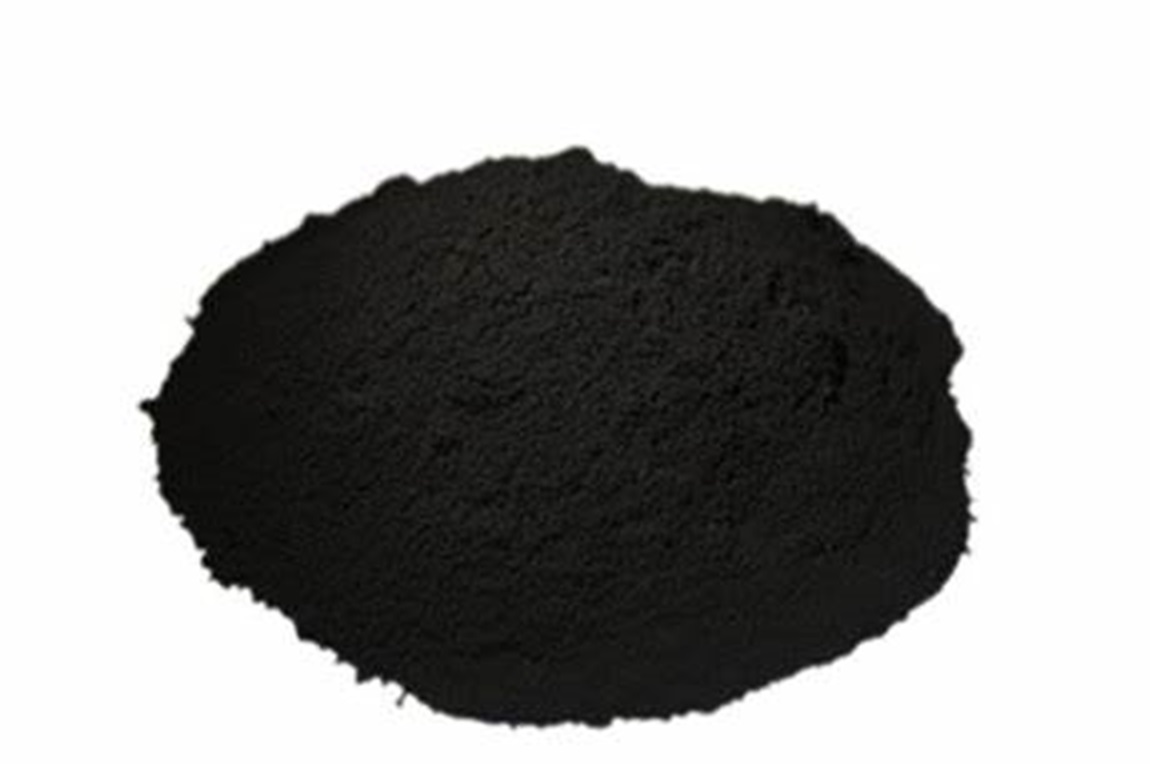
| Appearance | Silvery-gray metallic |
CHEMICAL STRUCTURE
    Cobalt Metal (Co)

    Hexagonal Close-Packed (HCP) Crystal Structure

         Co  Co  Co  Co
           \  |  /  |
            Co Co Co Co
           /  |  \  |
         Co  Co  Co  Co

    Hexagonal Close-Packed (HCP) Crystal Structure
    Ferromagnetic Properties
    (Can also exist in FCC structure)
Molecular Formula: Co (Elemental)
Crystal Structure: Hexagonal Close-Packed (HCP) and Face-Centered Cubic (FCC)
Electron Configuration: [Ar] 3d⁷ 4s²
Oxidation States: +2, +3 (primary)
Magnetic Properties: Ferromagnetic
SECTION 1: CHEMICAL IDENTITY AND DEFINITION
| Parameter | Information |
|---|---|
| Product Name | Cobalt Metal |
| Chemical Symbol | Co |
| Synonyms (English) | Cobalt, Cobalt Metal, Blue Metal |
| Synonyms (Turkish) | Kobalt, Kobalt Metali, Mavi Metal |
| CAS Number | 7440-48-4 |
| EC Number (EINECS) | 231-158-0 |
| Atomic Number | 27 |
| Atomic Weight | 58.933 g/mol |
| Chemical Class | Transition metal |
| Crystal Structure | Hexagonal Close-Packed (HCP) and Face-Centered Cubic (FCC) |
| Electron Configuration | [Ar] 3d⁷ 4s² |
| Oxidation States | +2, +3 (primary) |
| Appearance | Silvery-gray metallic |
| Odor | Odorless |
| Color | Silvery-gray |
| Luster | Metallic luster |
| Magnetic Properties | Ferromagnetic (strong magnetic properties) |
SECTION 2: PHYSICAL AND CHEMICAL PROPERTIES
| Property | Value | Test Method / Note |
|---|---|---|
| Appearance | Silvery-gray metallic | Visual |
| Atomic Weight | 58.933 g/mol | Calculated |
| Density (20°C) | 8.90 g/cm³ | ASTM D792 |
| Melting Point | 1,495°C | DSC |
| Boiling Point | 2,927°C | - |
| Hardness (Mohs) | ~5.5 | Mohs Scale |
| Hardness (Brinell) | ~100-150 HB | ASTM E10 |
| Tensile Strength | ~250-350 MPa | ASTM E8 |
| Elongation | ~10-30% | ASTM E8 |
| Electrical Conductivity | 16.0 × 10⁶ S/m (moderate) | ASTM E1004 |
| Thermal Conductivity | 100 W/m·K | - |
| Specific Heat (25°C) | 0.421 J/g·K | - |
| Electrical Resistivity | 6.24 × 10⁻⁸ Ω·m | - |
| Coefficient of Thermal Expansion | 13.0 × 10⁻⁶ /°C | - |
| Magnetic Properties | Ferromagnetic | - |
| Curie Temperature | 1,115°C | - |
| Oxidation States | +2, +3 | - |
| Corrosion Resistance | High | - |
| Standard Electrode Potential | -0.28 V (Co²⁺/Co) | - |
SECTION 3: CHEMICAL PROPERTIES AND REACTIVITY
| Parameter | Information |
|---|---|
| Chemical Character | Transition metal; ferromagnetic; high corrosion resistance; high temperature stability; multiple oxidation states |
| Stability | Stable under normal conditions; Forms passive oxide layer on surface; Resistant to corrosion |
| Reactivity | Slowly dissolves in dilute acids; Rapidly dissolves in nitric acid; Reacts with halogens at high temperatures; Oxidizes at high temperatures |
| Incompatible Materials | Strong oxidizing agents, acids, halogens |
| Corrosion Resistance | High; Resistant to corrosion in most environments |
| Acid Reaction | Co + 2HCl → CoCl₂ + H₂ (slow); Co + 2HNO₃ → Co(NO₃)₂ + H₂ (rapid in nitric acid) |
| Oxidation | 2Co + O₂ → 2CoO (slow); 3Co + 2O₂ → Co₃O₄ (at high temperature) |
| Passivation | Forms protective oxide layer on surface |
| Alloy Formation | Forms alloys with chromium, nickel, iron, tungsten; Critical for superalloys |
| Complex Formation | Forms stable complexes with various ligands; Important for catalytic applications |
SECTION 4: COMPARISON OF COBALT AND RELATED METALS
| Property | Cobalt (Co) | Iron (Fe) | Nickel (Ni) | Manganese (Mn) |
|---|---|---|---|---|
| CAS Number | 7440-48-4 | 7439-89-6 | 7440-02-0 | 7439-96-5 |
| Symbol | Co | Fe | Ni | Mn |
| Atomic Number | 27 | 26 | 28 | 25 |
| Density (g/cm³) | 8.90 | 7.87 | 8.90 | 7.21 |
| Melting Point (°C) | 1,495 | 1,538 | 1,455 | 1,246 |
| Magnetic Properties | Ferromagnetic | Ferromagnetic | Ferromagnetic | Paramagnetic |
| Curie Temperature | 1,115°C | 770°C | 358°C | - |
| Primary Use | Batteries, superalloys | Steel production | Alloys, plating | Steel alloy |
SECTION 5: PRODUCTION METHODS
Method 1: Hydrometallurgical Process (Most Common)
-
Process: Cobalt ore → Leaching → Solvent extraction → Electrowinning → Pure cobalt
-
Reaction: Co²⁺ + 2e⁻ → Co (deposition at cathode)
-
Description: Cobalt ore is leached with acid or ammonia; Cobalt is extracted and purified through solvent extraction; Pure cobalt is deposited by electrowinning; Most common industrial production method; Produces high-purity cobalt (99.8%+)
Method 2: Pyrometallurgical Process
-
Process: Cobalt ore → Roasting → Smelting → Refining → Pure cobalt
-
Description: Cobalt ore is roasted and smelted at high temperatures; Crude cobalt is obtained; Refined through various processes to produce pure cobalt
Method 3: Reduction of Cobalt Oxide
-
Reaction: Co₃O₄ + 4C → 3Co + 4CO (at high temperature)
-
Description: Cobalt oxide is reduced with carbon at high temperatures; Produces cobalt metal
Method 4: Recycling
-
Process: Lithium-ion batteries → Recycling → Cobalt recovery
-
Description: Cobalt is recovered from spent lithium-ion batteries and other industrial wastes; Sustainable production method
SECTION 6: FUNCTIONAL PROPERTIES AND MECHANISM OF ACTION
| Property | Description |
|---|---|
| Battery Material | Key component in lithium-ion battery cathodes; Lithium cobalt oxide (LiCoO₂) provides high energy density; Essential for electric vehicles and portable electronics; Long cycle life |
| Superalloy Component | Used in jet engines and gas turbines; Provides high-temperature strength and creep resistance; Critical for aerospace applications |
| Magnetic Material | Used in high-performance magnets; Samarium-cobalt (SmCo) magnets; High magnetic strength at elevated temperatures |
| Catalyst | Used in petrochemical industry; Hydrogenation and desulfurization processes; Fischer-Tropsch synthesis; Catalytic converters |
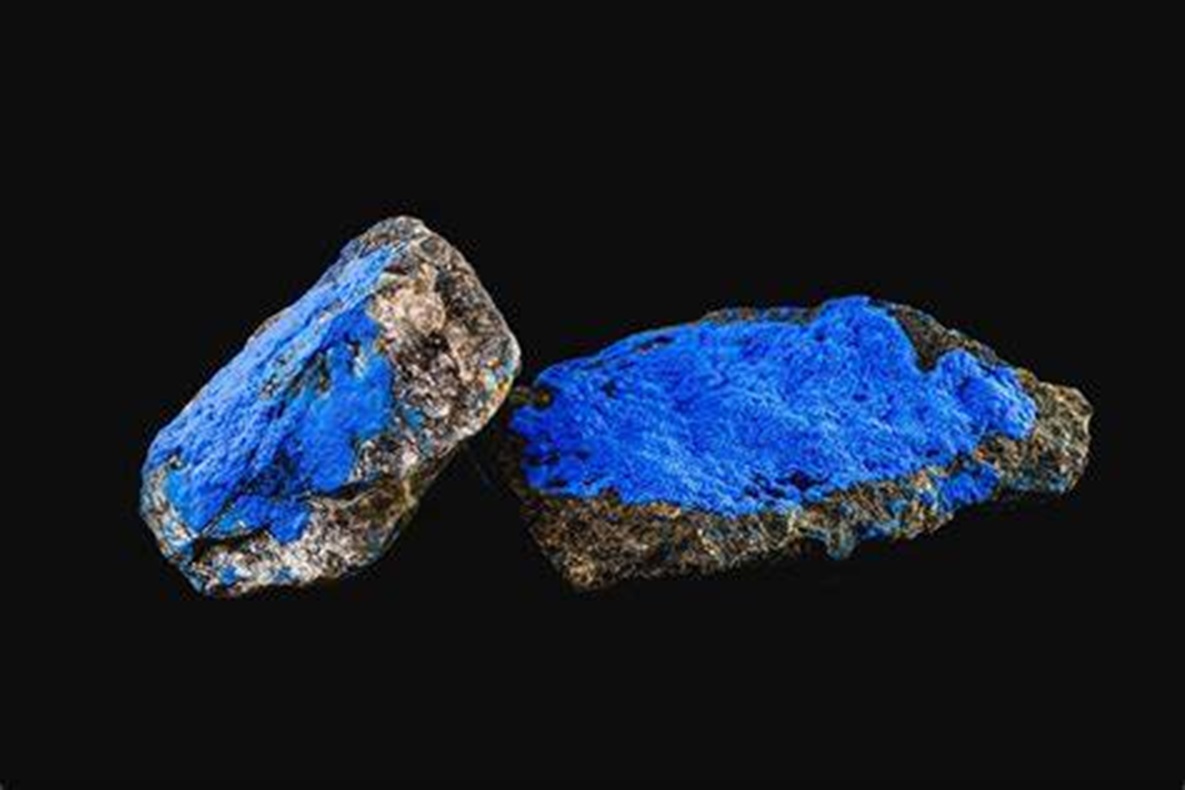
| Pigment Production | Cobalt blue (CoAl₂O₄) and cobalt green pigments; Ceramics, glass, and paint industries; Provides stable blue and green colors |
| Corrosion Protection | Forms protective oxide layer; Resistant to corrosion; Used in protective coatings |
| Medical Applications | Cobalt-60 isotope for radiotherapy; Cobalt-chromium alloys for orthopedic implants; Biocompatible materials |
SECTION 7: MAIN APPLICATION AREAS
| Industry / Application | Function | Typical Use |
|---|---|---|
| Battery Industry | Cathode material | Lithium-ion batteries (LiCoO₂); Electric vehicles; Portable electronics; Energy storage |
| Superalloys | High-temperature alloy | Jet engines; Gas turbines; Aerospace components; High-temperature applications |
| Magnetic Materials | Permanent magnets | Samarium-cobalt magnets; High-performance magnets; Magnetic recording media |
| Chemical Industry | Catalyst | Petrochemical industry; Hydrogenation; Desulfurization; Fischer-Tropsch synthesis |
| Pigment Industry | Colorant | Cobalt blue (CoAl₂O₄); Cobalt green; Ceramics; Glass; Paints |
| Medical | Radiopharmaceutical / implants | Cobalt-60 radiotherapy; Orthopedic implants; Cobalt-chromium alloys |
| Metallurgy | Alloy component | Hard-facing alloys; Cemented carbides; Wear-resistant coatings |
| Electronics | Magnetic recording | Magnetic recording media; Hard disk drives; Data storage |
SECTION 8: QUALITY SPECIFICATIONS (ELECTROLYTIC COBALT)
| Parameter | Specification | Test Method |
|---|---|---|
| Appearance | Silvery-gray metallic | Visual |
| Purity (Co) | ≥ 99.5% - 99.9% | AAS / ICP |
| Iron (Fe) | ≤ 0.01% - 0.05% | AAS / ICP |
| Nickel (Ni) | ≤ 0.01% - 0.05% | AAS / ICP |
| Copper (Cu) | ≤ 0.01% - 0.05% | AAS / ICP |
| Zinc (Zn) | ≤ 0.01% - 0.05% | AAS / ICP |
| Lead (Pb) | ≤ 0.001% - 0.005% | AAS / ICP |
| Carbon (C) | ≤ 0.01% - 0.05% | Combustion / ICP |
| Sulfur (S) | ≤ 0.001% - 0.01% | Combustion / ICP |
| Silicon (Si) | ≤ 0.001% - 0.01% | AAS / ICP |
| Ingot Weight | 5-25 kg (standard) | Weighing |
| Dimensions | As per customer requirement | Measurement |
SECTION 9: TOXICOLOGICAL PROFILE
| Parameter | Value |
|---|---|
| Acute Oral Toxicity (LD50, Rat) | ~ 5,000 mg/kg (low toxicity) |
| Acute Inhalation Toxicity | Toxic; Dust/fume inhalation may cause respiratory irritation |
| Skin Irritation | May cause allergic skin reactions (H317) |
| Eye Irritation | May cause eye irritation |
| Chronic Toxicity | Cobalt compounds show chronic toxicity; Cobalt lung disease; Skin sensitization |
| Carcinogenicity | IARC Group 2B (Possibly carcinogenic to humans); NTP: Reasonably anticipated to be a human carcinogen |
| Mutagenicity | Suspected of causing genetic defects (H341) |
| Reproductive Toxicity | May damage fertility or the unborn child (H360F) |
| Target Organs | Respiratory system, skin, heart, thyroid |
| Occupational Exposure Limit (8h TWA) | 0.02 mg/m³ (ACGIH TLV); 0.1 mg/m³ (OSHA PEL) |
| Special Toxicity Note | Cobalt metal is relatively less toxic than cobalt compounds; Cobalt dust/fume inhalation may cause respiratory sensitization; Hard metal lung disease (cobalt lung) from prolonged exposure; Skin contact may cause allergic reactions (cobalt allergy) |
SECTION 10: GHS CLASSIFICATION AND LABELING
GHS Classification (Compliant with CLP and UN GHS):
| Hazard Class | Category | H-Statement |
|---|---|---|
| Carcinogenicity | Category 2 | H351 |
| Germ Cell Mutagenicity | Category 2 | H341 |
| Reproductive Toxicity | Category 1B | H360F |
| Respiratory Sensitization | Category 1 | H334 |
| Skin Sensitization | Category 1 | H317 |
| Chronic Aquatic Toxicity | Category 2 | H411 |
Signal Word: DANGER
Hazard Pictograms: GHS08 (Health Hazard), GHS07 (Exclamation Mark), GHS09 (Environment)
Hazard Statements (H-Codes):
| Code | Statement |
|---|---|
| H317 | May cause an allergic skin reaction |
| H334 | May cause allergy or asthma symptoms or breathing difficulties if inhaled |
| H341 | Suspected of causing genetic defects |
| H351 | Suspected of causing cancer |
| H360F | May damage fertility |
| H411 | Toxic to aquatic life with long lasting effects |
NFPA 704 Hazard Classification:
| Health | Flammability | Reactivity | Special |
|---|---|---|---|
| 2 | 0 | 0 | - |
| (Moderate health hazard) | (Will not burn) | (Stable) | (None) |
SECTION 11: PRECAUTIONARY STATEMENTS (P-CODES)
| Code | Statement |
|---|---|
| P201 | Obtain special instructions before use |
| P202 | Do not handle until all safety precautions have been read and understood |
| P260 | Do not breathe dust/fume/gas/mist/vapors/spray |
| P261 | Avoid breathing dust/fume/gas/mist/vapors/spray |
| P264 | Wash hands thoroughly after handling |
| P270 | Do not eat, drink or smoke when using this product |
| P272 | Contaminated clothing should not be allowed out of the workplace |
| P273 | Avoid release to the environment |
| P280 | Wear protective gloves/protective clothing/eye protection/face protection/respiratory protection |
| P302+P352 | IF ON SKIN: Wash with plenty of soap and water |
| P304+P340 | IF INHALED: Remove person to fresh air and keep comfortable for breathing |
| P308+P313 | IF exposed or concerned: Get medical advice/attention |
| P333+P313 | If skin irritation or rash occurs: Get medical advice/attention |
| P342+P311 | IF experiencing respiratory symptoms: Call a POISON CENTER/doctor |
| P362+P364 | Take off contaminated clothing and wash it before reuse |
| P403+P233 | Store in a well-ventilated place. Keep container tightly closed |
| P405 | Store locked up |
| P501 | Dispose of contents/container in accordance with local/regional/national/international regulations |
SECTION 12: FIRST AID MEASURES
| Exposure Route | Action to Take |
|---|---|
| Inhalation | Move to fresh air immediately. Rest in a position comfortable for breathing. If breathing is difficult, give oxygen. If experiencing respiratory symptoms, call a POISON CENTER/doctor. Symptoms may be delayed; medical observation is essential. |
| Skin Contact | Remove contaminated clothing immediately. Rinse skin with plenty of water for at least 15-20 minutes. Wash with soap and water. If skin irritation or rash occurs, get medical advice/attention. Wash contaminated clothing before reuse. |
| Eye Contact | Rinse immediately with plenty of water for at least 15 minutes. Keep eyelids open. Remove contact lenses if present. Continue rinsing. Get immediate medical attention. |
| Ingestion | Rinse mouth with water. Do NOT induce vomiting. Give one or two glasses of water to drink. Call a POISON CENTER/doctor if you feel unwell. Never give anything by mouth to an unconscious person. |
SECTION 13: FIREFIGHTING MEASURES
| Parameter | Information |
|---|---|
| Fire Hazard | Non-combustible. Powder form may be combustible. High temperatures release toxic cobalt oxide fumes. |
| Hazards During Fire | Thermal decomposition produces toxic cobalt oxide fumes |
| Suitable Extinguishers | Dry chemical powder, CO₂, sand |
| Unsuitable Extinguishers | Water (with powder form) |
| Special Protective Equipment | Self-contained breathing apparatus (SCBA), full protective clothing |
| Special Precautions | Prevent dust from entering sewers and waterways; Do not inhale fumes |
SECTION 14: STORAGE AND SHELF LIFE
| Parameter | Information |
|---|---|
| Storage Conditions | Store in a cool, dry, well-ventilated area; Keep away from moisture and incompatible substances |
| Container Requirements | Original packaging, dry containers; Protect from corrosion |
| Materials to Protect From | Strong oxidizing agents, acids, halogens, moisture |
| Shelf Life | Unlimited (under proper storage conditions) |
| Stability Note | Stable under normal conditions; Forms passive oxide layer on surface; Protect from moisture |
| Special Storage Requirements | Store separately from acids and oxidizing agents; Keep dry |
SECTION 15: PACKAGING OPTIONS
| Packaging Type | Quantity | Material |
|---|---|---|
| Steel Drum | 25-100 kg | Corrosion-resistant lined steel |
| Plastic Drum | 25-50 kg | HDPE |
| Jumbo Bag | 500-1000 kg | PE-lined woven polypropylene |
| Wooden Crate | 50-200 kg | Wooden crate (lined) |
| Bulk | Custom quantities | Container |
SECTION 16: TRANSPORT INFORMATION
| Parameter | Information |
|---|---|
| UN Number | UN 3077 (Environmentally hazardous substance, solid, n.o.s.) |
| Hazard Class | 9 (Miscellaneous Dangerous Goods) |
| Packing Group | III |
| ADR/RID | UN 3077, Environmentally hazardous substance, solid, n.o.s., 9, PG III |
| IMDG Code | UN 3077, Environmentally hazardous substance, solid, n.o.s., 9, PG III, Marine Pollutant: Yes |
| IATA (Air) | UN 3077, Environmentally hazardous substance, solid, n.o.s., 9, PG III |
| Marine Pollutant | Yes |
| Transport Temperature | Ambient temperature; Protect from moisture |
SECTION 17: REGULATORY STATUS
| Region / Authority | Status |
|---|---|
| European Union | REACH registered; Classified as carcinogen, mutagen, and reproductive toxicant |
| USA (TSCA) | Listed |
| USA (EPA) | Regulated as hazardous substance |
| Turkey | Industrial raw material; Subject to KKDIK regulation; Classified as carcinogen |
| IARC | Group 2B (Possibly carcinogenic to humans) |
| NTP | Reasonably anticipated to be a human carcinogen |
| OSHA | Regulated |
| California (Prop 65) | Listed as carcinogen and reproductive toxicant |
| EU Restrictions | Restricted under REACH Annex XVII |
| RoHS | Not restricted |
SECTION 18: OTHER NAMES AND SYNONYMS
| Type | Name |
|---|---|
| Turkish Names | Kobalt, Kobalt Metali, Mavi Metal |
| English Names | Cobalt, Cobalt Metal, Blue Metal |
| Chemical Names | Cobalt; Elemental Cobalt; Cobalt Metal |
| CAS Number | 7440-48-4 |
| EC Number | 231-158-0 |
| Atomic Number | 27 |
| Atomic Symbol | Co |
SECTION 19: SUMMARY TABLE
| Parameter | Value |
|---|---|
| Product | Cobalt Metal (Co) |
| CAS Number | 7440-48-4 |
| Atomic Number | 27 |
| Atomic Weight | 58.933 g/mol |
| Appearance | Silvery-gray metallic |
| Density | 8.90 g/cm³ |
| Melting Point | 1,495°C |
| Boiling Point | 2,927°C |
| Hardness (Mohs) | ~5.5 |
| Magnetic Properties | Ferromagnetic |
| Curie Temperature | 1,115°C |
| Primary Function | Battery material, superalloy, magnet |
| Main Applications | Lithium-ion batteries, superalloys, magnets, catalysts, pigments, medical |
| Shelf Life | Unlimited |
| GHS Signal Word | DANGER |
| UN Number | UN 3077 |
| Carcinogenicity | IARC Group 2B; NTP Reasonably anticipated |
| Special Feature | Ferromagnetic; High temperature stability; High corrosion resistance; Essential for Li-ion batteries |
SECTION 20: CRITICAL WARNINGS AND BEST PRACTICES
CRITICAL WARNINGS:
-
Suspected of causing cancer (H351). IARC Group 2B; NTP Reasonably anticipated. Minimize exposure.
-
Suspected of causing genetic defects (H341). Avoid exposure.
-
May damage fertility (H360F). Handle with extreme caution.
-
May cause allergy or asthma symptoms or breathing difficulties if inhaled (H334). Respiratory sensitizer. Use appropriate respiratory protection.
-
May cause an allergic skin reaction (H317). Skin sensitizer. Avoid skin contact.
-
Toxic to aquatic life with long lasting effects (H411). Prevent environmental release.
-
Non-combustible but decomposes at high temperatures releasing toxic cobalt oxide fumes.
-
Cobalt allergy is common; Prolonged contact may cause sensitization.
-
Hard metal lung disease: Prolonged inhalation of cobalt dust may cause lung disease.
-
Hygiene Requirement: Contaminated clothing should not be allowed out of the workplace.
BEST PRACTICE RECOMMENDATIONS:
-
Battery Production: Use in lithium-ion battery cathode production; Lithium cobalt oxide (LiCoO₂) for high energy density; Essential for electric vehicles and portable electronics; Maintain strict purity specifications.
-
Superalloy Production: Use in jet engines and gas turbines; Provides high-temperature strength and creep resistance; Aerospace and power generation applications.
-
Magnet Production: Use in samarium-cobalt (SmCo) magnets; High-performance magnets for motors and generators; High magnetic strength at elevated temperatures.
-
Chemical Applications: Use as catalyst in petrochemical industry; Hydrogenation and desulfurization; Fischer-Tropsch synthesis.
-
Handling: Use in well-ventilated areas or under fume hoods; Avoid dust generation; Wear chemical-resistant gloves, protective goggles, face shield, and appropriate respiratory protection.
-
Personal Protective Equipment: Wear impermeable gloves (nitrile, neoprene), chemical safety goggles, full-face shield, protective clothing, and NIOSH-approved respirator with N95/P100 filters or better.
-
Hygiene: Do not eat, drink, or smoke when using; Wash hands thoroughly after handling; Do not take contaminated working clothes home; Shower at the end of the work shift.
-
Storage: Store in tightly closed, properly labeled containers in dry conditions; Keep away from acids and oxidizing agents; Store in dry, well-ventilated area; Store locked up.
-
Spill Response: Avoid raising dust; Wear full PPE; Sweep spilled substance into covered containers; Do not allow to enter drains or waterways; Place in properly labeled closed containers.
-
Disposal: Dispose of in accordance with local, regional, and national regulations; Do not discharge into sewers or water sources; Cobalt is regulated as hazardous waste.
SPECIAL NOTE ON COBALT IN LITHIUM-ION BATTERIES:
Cobalt is a critical component of lithium-ion batteries:
-
Lithium Cobalt Oxide (LiCoO₂): High energy density; Long cycle life; Used in portable electronics
-
NCM (Nickel-Cobalt-Manganese): Balance of performance and cost; Used in electric vehicles
-
NCA (Nickel-Cobalt-Aluminum): High energy density; Used in electric vehicles (Tesla)
-
Supply Chain: Critical material; Ethical sourcing concerns; Recycling is essential
SPECIAL NOTE ON COBALT ALLERGY AND SENSITIZATION:
Cobalt is a common sensitizer:
-
Prevalence: ~5-10% of the population may be sensitized
-
Symptoms: Contact dermatitis; Skin rash; Itching; Blistering
-
Sources: Jewelry; Metal objects; Occupational exposure
-
Prevention: Avoid skin contact; Use PPE; Regular health monitoring
LEGAL DISCLAIMER:
The information provided in this document is based on our current knowledge and experience and is presented in good faith. However, as all conditions of use are beyond our control, this document does not constitute a binding specification or warranty. This Technical Data Sheet is for informational purposes only. Users are responsible for testing suitability for their own applications. For complete safety, storage, handling, transportation, waste, and regulatory compliance information, please refer to the official Safety Data Sheet (SDS/MSDS) provided by the manufacturer/supplier.