We unleash your business potential by maximize the business innovation.
Send EmailMicrocrystalline Cellulose, Microcrystalline Cellulose 101, Microcrystalline Cellulose 102, MCC, MCC101, MCC102, E460, 9004-34-6
Definition & Chemical Identity
-
Name: Microcrystalline Cellulose (MCC)
-
CAS Number: 9004-34-6
-
E Number: E460(i)
-
Other Names: MCC, Avicel®, Solka-Floc®, Arbocel®, α-Cellulose, Cellulose powder
-
Production: Obtained by acid hydrolysis of natural cellulose (cotton or wood pulp). The crystalline regions are preserved, amorphous regions removed.
-
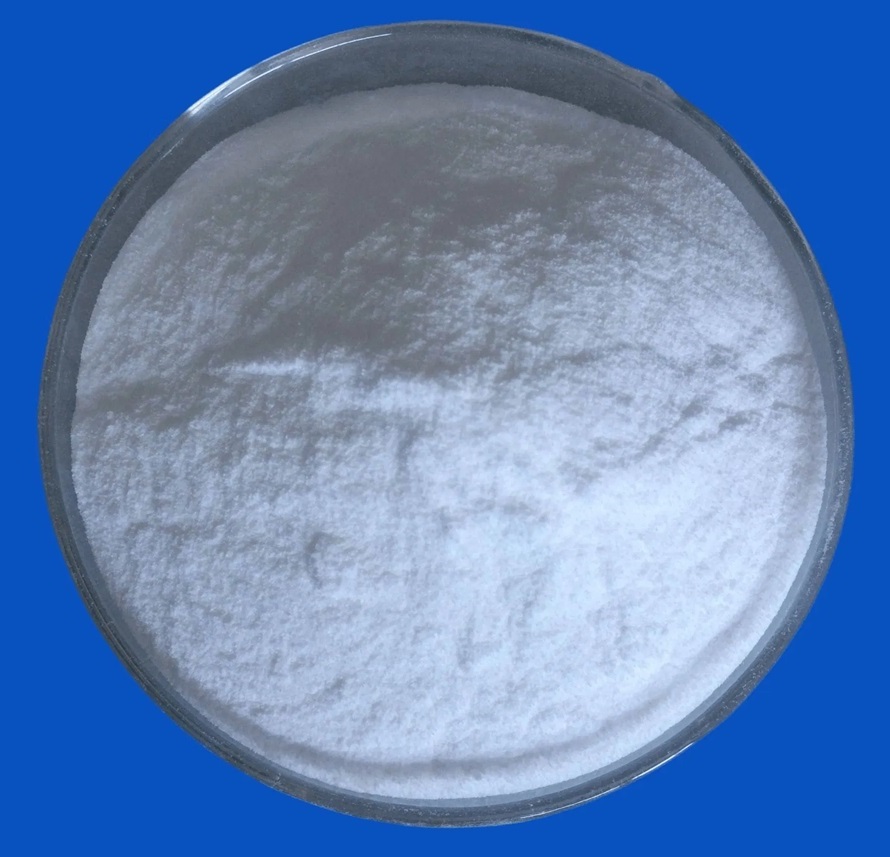
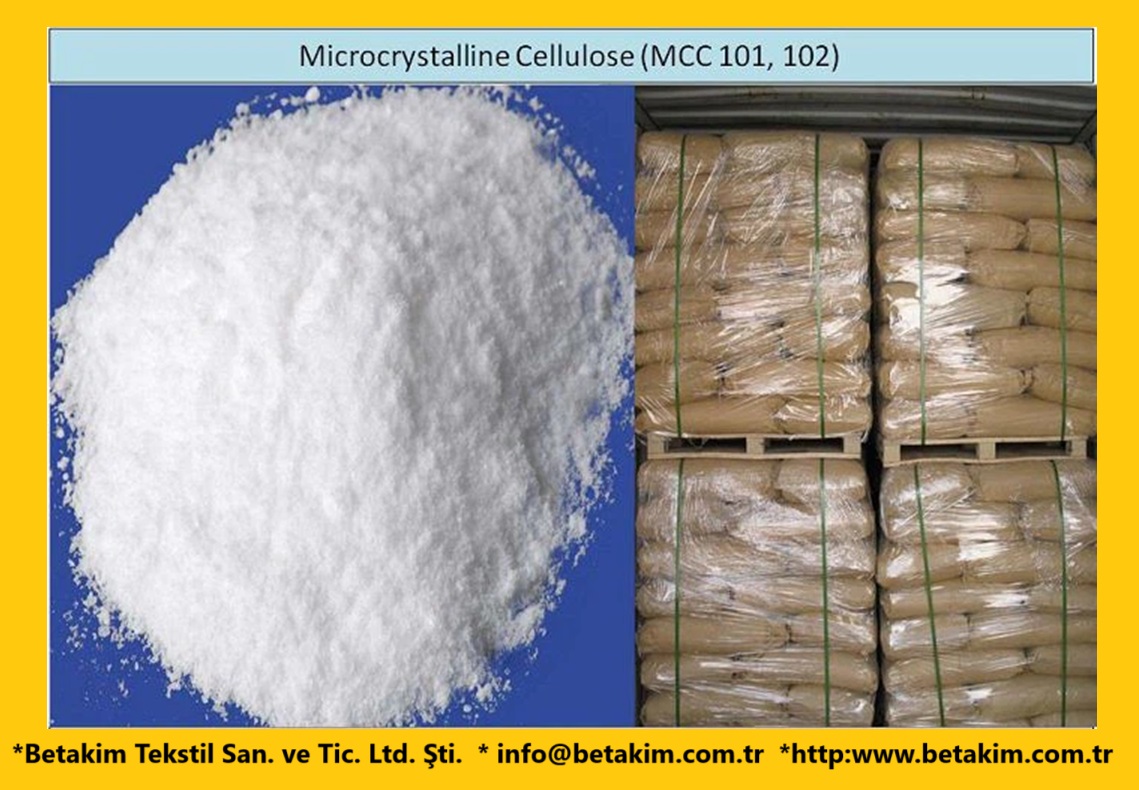
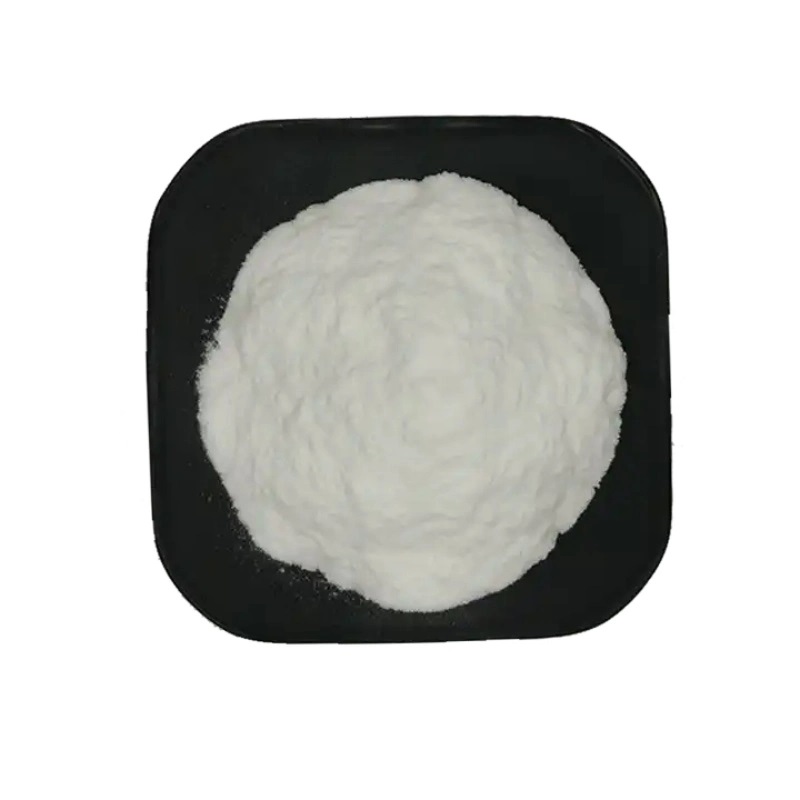
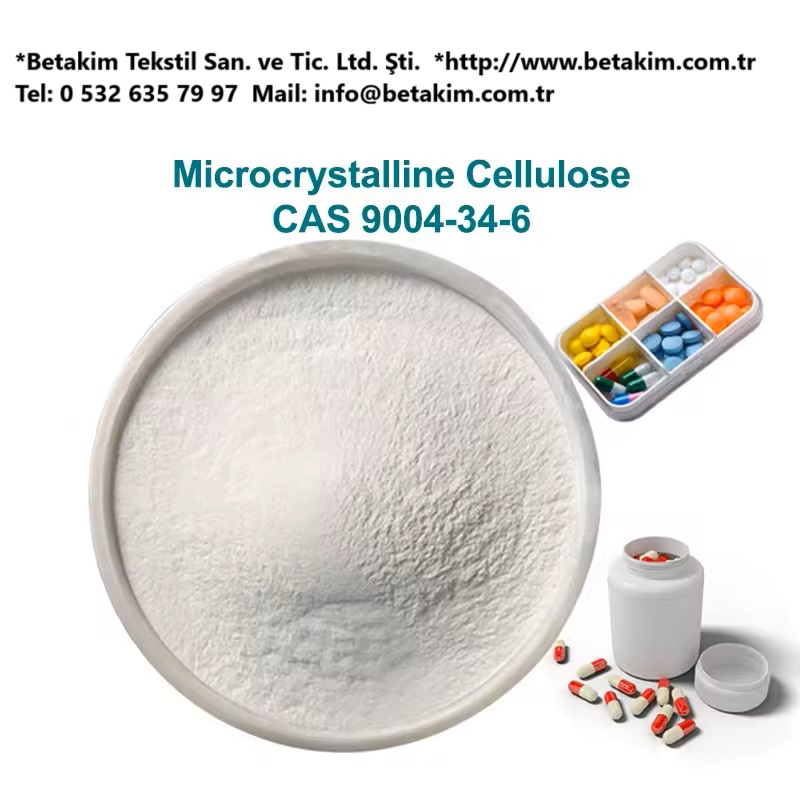
Form: White, odorless, tasteless, free-flowing powder.
-
Solubility: Insoluble in water, but dispersible.
-
pH (suspension): 5.0–7.5
-
Bulk Density: 0.3–0.5 g/cm³
-
True Density: ~1.5 g/cm³
Food Industry Applications
| Functional Role | Application | Typical Products |
|---|---|---|
| Thickener | Sauces, soups, beverages | Soups, dairy drinks |
| Stabilizer | Emulsions, foams | Cream desserts |
| Bulking agent | Low-calorie foods | Diet bars |
| Anti-caking | Grated cheese, spice blends | Seasonings |
| Fiber enrichment | Bread, bars, biscuits | Functional foods |
| Fat replacer | Ice cream, cream cheese | Chocolate, dairy desserts |
Pharmaceutical & Cosmetic Applications
-
Tablets: Binder, filler, disintegrant (direct compression).
-
Bioavailability: Improves tablet dissolution and absorption.
-
Cosmetics: Carrier, peeling agent, oil absorber, structure enhancer (creams, masks, powders).
Textile & Composite Applications
-
Moisture retention → improves fabric softness and balance.
-
Fiber reinforcement → increases tensile strength.
-
Filler → used in composites and bioplastics.
Mechanical Properties
-
Hardness: Suitable for fillers and abrasives.
-
Tensile strength: Reinforces polymer matrices.
-
Microhardness: Enhances durability in dental resins and composites.
Regulatory & Safety Notes
-
Approved by EFSA, FDA, TGK.
-
GRAS status in the USA.
-
Labeling: “Microcrystalline Cellulose” or “E460(i)”.
-
Documentation: TDS, MSDS, COA, Allergen-Free, GMO-Free, ISO 22000, HACCP, Halal, Kosher.
-
Usage limit: Generally GMP-based; in some foods max. 10,000 mg/kg.
MCC101 vs MCC102 Comparison
| Property | MCC101 | MCC102 |
|---|---|---|
| Particle size | ~50 µm | ~100 µm |
| Flowability | Lower | Higher |
| Compressibility | High | Medium |
| Tablet use | Small tablets, low dosage | Large tablets, high dosage |
| Food supplements | Vitamins, minerals, probiotics | Fiber, protein tablets |
| Food thickener | Sauces, beverages | Ice cream, cream cheese |
| Anti-caking | Spices, powders | Grated cheese |
| Fat replacer | Low-fat drinks | Low-fat solid foods |
Major Trade Names & Producers
-
Avicel® – FMC/DuPont
-
Solka-Floc® – International Fiber Corp
-
Arbocel®, Emcocel®, Technocel®, Vivapur® – JRS (Germany)
-
Ceolus® – Asahi Kasei (Japan)
-
Pharmacel® – DFE Pharma
-
Sigmacell® – Sigma-Aldrich
-
Comprecel® – Meggle (Europe)
-
Microcel® – Blanver (Brazil)
Each brand offers multiple variants (PH 101, PH 102, SC 900, BC 200, etc.) optimized for different particle sizes and applications.
FAQs
-
Is MCC harmful? No, considered safe (GRAS). Consult a doctor if allergic.
-
Weight management? Provides bulk without calories, increases satiety.
-
Where is it found? Ice cream, bread, soups, cream cheese, chocolate, functional bars.
-
How is it made? Acid hydrolysis of cotton/wood pulp.
MCC Types & Usage Areas
| MCC Type / Grade | Particle Size | Flowability | Compressibility | Food Applications | Pharma Applications | Cosmetic Applications | Textile / Composite Applications |
|---|---|---|---|---|---|---|---|
| MCC101 | ~50 µm (fine) | Lower | High | Sauces, beverages, spice blends | Small tablets, low-dosage formulations, vitamins, minerals | Masks, powders, emulsions | Fiber reinforcement, fillers |
| MCC102 | ~100 µm (coarse) | Higher | Medium | Ice cream, cream cheese, grated cheese | Large tablets, high-dosage formulations, fiber/protein tablets | Creams, lotions, peeling | Moisture retention |
| Avicel® PH series (101, 102, 105, 200, 302) | 50–200 µm | Varies | Optimized | Food stabilizer, anti-caking | Tablet binder, excipient | Carriers | General fillers |
| Solka-Floc® BW / FCC series | 100–900 µm | High | Medium | Anti-caking in cheese, spices | Excipient | Cosmetic powders | Textile additives |
| Arbocel® BC / BE / DC series | 200–1000 µm | Medium | Medium | Fiber enrichment in bakery | Binder | Cosmetic fiber additives | Textile reinforcement |
| Emcocel® (50M, 90M, LP, HD) | 50–200 µm | Medium | High | Dairy, functional foods | Direct compression tablets | Carriers | Composite fillers |
| Ceolus® PH / SC / KG series | 50–150 µm | High | High | High-purity food MCC | High-purity pharma MCC | Premium cosmetics | Specialty composites |
| Vivapur® (101, 102, 105, MCG) | 50–150 µm | Medium | Medium | Dairy, bakery | Tablet excipient | Cosmetic powders | Reinforcement |
| Comprecel® (M, S, QD series) | 50–100 µm | Medium | High | Functional foods | Pharma excipient | Carriers | Fillers |
| Sigmacell® (20, 50, 100, 101) | Lab grade | — | — | Research use | Analytical excipient | Lab cosmetics | R&D composites |
Sector Summary
-
Food: Thickener, stabilizer, bulking agent, anti-caking, fiber enrichment, fat replacer.
-
Pharma: Binder, filler, disintegrant, bioavailability enhancer.
-
Cosmetics: Carrier, peeling agent, oil absorber, structure enhancer.
-
Textiles/Composites: Moisture retention, fiber reinforcement, filler in bioplastics.