We unleash your business potential by maximize the business innovation.
Send EmailMagnesium Ingot, Elemental Magnesium, Pure Magnesium, Magnesium Metal, 7439-95-4
MAGNESIUM INGOT (MAGNESIUM METAL)
PRODUCT IDENTIFICATION INFORMATION
| Parameter | Information |
|---|---|
| Product Name | Magnesium Ingot |
| Chemical Symbol | Mg |
| Synonyms (English) | Magnesium Ingot, Mg Ingot, Magnesium Metal, Elemental Magnesium |
| Synonyms (Turkish) | Magnezyum Külçe, Mg Külçe, Magnezyum Metal, Elementel Magnezyum |
| CAS Number | 7439-95-4 |
| EC Number (EINECS) | 231-104-6 |
| MDL Number | MFCD00085308 |
| Atomic Number | 12 |
| Atomic Weight | 24.305 g/mol |
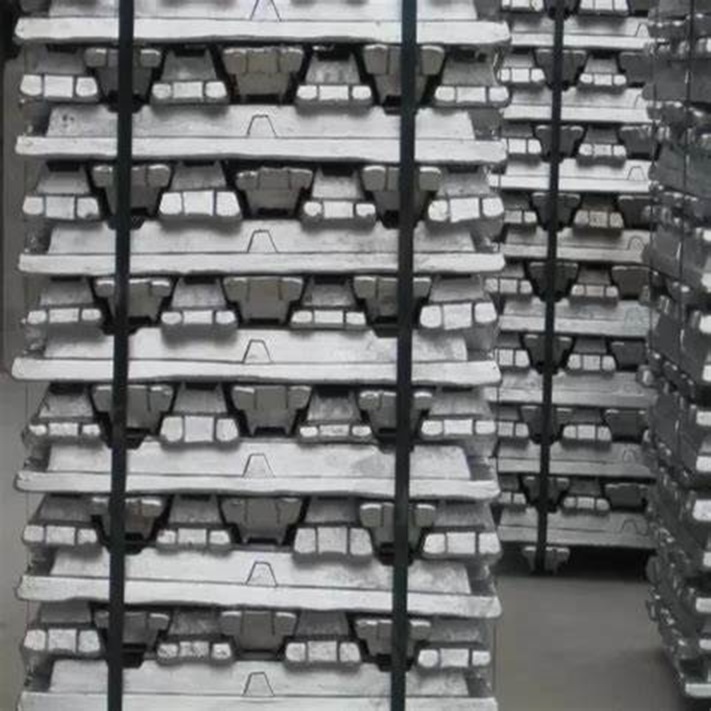
| Appearance | Silvery-white metallic ingot |
CHEMICAL STRUCTURE
    Magnesium Ingot (Mg)

    Hexagonal Close-Packed (HCP) Crystal Structure

         Mg  Mg  Mg  Mg
           \  |  /  |
            Mg Mg Mg Mg
           /  |  \  |
         Mg  Mg  Mg  Mg

    Hexagonal Close-Packed (HCP) Crystal Structure
    Lightest Structural Metal
Molecular Formula: Mg (Elemental)
Crystal Structure: Hexagonal Close-Packed (HCP)
Electron Configuration: [Ne] 3s²
Oxidation States: +2 (primary)
Density: 1.738 g/cm³ (lightest structural metal)
SECTION 1: CHEMICAL IDENTITY AND DEFINITION
| Parameter | Information |
|---|---|
| Product Name | Magnesium Ingot |
| Chemical Symbol | Mg |
| Synonyms (English) | Magnesium Ingot, Mg Ingot, Magnesium Metal, Elemental Magnesium |
| Synonyms (Turkish) | Magnezyum Külçe, Mg Külçe, Magnezyum Metal, Elementel Magnezyum |
| CAS Number | 7439-95-4 |
| EC Number (EINECS) | 231-104-6 |
| MDL Number | MFCD00085308 |
| Atomic Number | 12 |
| Atomic Weight | 24.305 g/mol |
| Chemical Class | Light metal; alkaline earth metal |
| Crystal Structure | Hexagonal Close-Packed (HCP) |
| Electron Configuration | [Ne] 3s² |
| Oxidation States | +2 (primary) |
| Appearance | Silvery-white metallic ingot |
| Odor | Odorless |
| Color | Silvery-white |
| Luster | Metallic luster |
| Magnetic Properties | Paramagnetic |
SECTION 2: PHYSICAL AND CHEMICAL PROPERTIES
| Property | Value | Test Method / Note |
|---|---|---|
| Appearance | Silvery-white metallic ingot | Visual |
| Atomic Weight | 24.305 g/mol | Calculated |
| Density (20°C) | 1.738 g/cm³ | ASTM D792 |
| Melting Point | 650°C | DSC |
| Boiling Point | 1,090°C | - |
| Hardness (Mohs) | 2.5 (soft) | Mohs Scale |
| Hardness (Brinell) | ~25-35 HB | ASTM E10 |
| Tensile Strength | ~90-220 MPa (depending on alloy) | ASTM E8 |
| Elongation | ~2-15% (depending on alloy) | ASTM E8 |
| Electrical Conductivity | 22.6 × 10⁶ S/m | ASTM E1004 |
| Thermal Conductivity | 156 W/m·K | - |
| Specific Heat (25°C) | 1.023 J/g·K | - |
| Electrical Resistivity | 4.39 × 10⁻⁸ Ω·m | - |
| Coefficient of Thermal Expansion | 24.8 × 10⁻⁶ /°C | - |
| Corrosion Resistance | Moderate (forms MgO layer) | - |
| Magnetic Properties | Paramagnetic | - |
| Recyclability | 100% recyclable | - |
| Lightness | 33% lighter than aluminum | - |
SECTION 3: CHEMICAL PROPERTIES AND REACTIVITY
| Parameter | Information |
|---|---|
| Chemical Character | Alkaline earth metal; lightest structural metal; highly reactive; good electrical and thermal conductivity |
| Stability | Reactive under normal conditions; Forms protective oxide layer (MgO) on surface; Reacts with water and acids |
| Reactivity | Reacts with acids vigorously to produce hydrogen gas; Reacts with water (slowly at room temperature, rapidly when heated); Reacts with halogens; Burns with bright white flame |
| Incompatible Materials | Strong acids, water (at high temperature), halogens, oxidizing agents, moisture |
| Corrosion Resistance | Moderate (forms MgO layer); Less corrosion resistant than aluminum |
| Acid Reaction | Mg + 2HCl → MgCl₂ + H₂; Mg + H₂SO₄ → MgSO₄ + H₂ |
| Water Reaction | Mg + 2H₂O → Mg(OH)₂ + H₂ (slow at RT, rapid when heated) |
| Oxidation | 2Mg + O₂ → 2MgO (protective oxide layer) |
| Combustion | 2Mg + O₂ → 2MgO + heat (bright white flame, very hot) |
| Alloy Formation | Forms alloys with aluminum, zinc, manganese, rare earth metals |
| Grignard Reaction | Mg + R-X → RMgX (Grignard reagent for organic synthesis) |
SECTION 4: COMPARISON OF MAGNESIUM WITH OTHER METALS
| Property | Magnesium (Mg) | Aluminum (Al) | Titanium (Ti) | Zinc (Zn) |
|---|---|---|---|---|
| CAS Number | 7439-95-4 | 7429-90-5 | 7440-32-6 | 7440-66-6 |
| Symbol | Mg | Al | Ti | Zn |
| Density (g/cm³) | 1.738 | 2.70 | 4.50 | 7.14 |
| Melting Point (°C) | 650 | 660.3 | 1,668 | 419.5 |
| Hardness | Soft | Moderate | Hard | Moderate |
| Corrosion Resistance | Moderate | Good | Excellent | Good |
| Strength-to-Weight | Excellent | Good | Excellent | Low |
| Primary Use | Lightweight alloys | General alloys | Aerospace, medical | Galvanizing, alloys |
SECTION 5: PRODUCTION METHODS
Method 1: Electrolytic Method (Most Common)
-
Process: Magnesium chloride (MgCl₂) → Electrolysis → Pure magnesium → Casting
-
Reaction: MgCl₂ (molten) → Mg + Cl₂ (electrolysis)
-
Description: Magnesium chloride is obtained from seawater or brines; Electrolyzed in molten state to produce pure magnesium; Most common industrial production method; Produces high-purity magnesium (99.9%+)
Method 2: Pidgeon Process (Thermal Reduction)
-
Reaction: 2MgO + Si → 2Mg + SiO₂ (at high temperature under vacuum)
-
Description: Dolomite (CaMg(CO₃)₂) is calcined to MgO; Reduced with ferrosilicon under vacuum at high temperature; Produces magnesium vapor which is condensed; Common in China
Method 3: Magnetherm Process
-
Reaction: MgO + C + Cl₂ → MgCl₂ + CO (at high temperature)
-
Description: Magnesium oxide is chlorinated to produce magnesium chloride; Electrolyzed to produce magnesium
Method 4: Recycling (Scrap Melting)
-
Process: Magnesium scrap → Sorting → Melting → Refining → Alloy → Casting
-
Description: Magnesium scrap is collected, sorted, and melted; Purified by refining; Composition adjusted; Sustainable production
SECTION 6: FUNCTIONAL PROPERTIES AND MECHANISM OF ACTION
| Property | Description |
|---|---|
| Lightweight | Density of 1.738 g/cm³; 33% lighter than aluminum; 75% lighter than steel; Reduces transportation and processing costs; Improves fuel efficiency |
| High Strength-to-Weight Ratio | Excellent strength-to-weight ratio; Ideal for aerospace and automotive applications; Reduces weight without compromising strength |
| Vibration Damping | Excellent vibration damping properties; Improves ride comfort in automotive applications; Reduces noise and vibration |
| Machinability | Easily cast, shaped, and machined; Good machinability; Enables production of complex shapes |
| Electrical Conductivity | Good electrical conductivity (22.6 × 10⁶ S/m); Used in electronic applications |
| Thermal Conductivity | High thermal conductivity (156 W/m·K); Heat dissipation applications |
| Corrosion Resistance | Moderate; Forms protective oxide layer (MgO); Less corrosion resistant than aluminum |
| Recyclability | 100% recyclable; Energy saving; Environmentally friendly material |
| Biocompatibility | Biocompatible and biodegradable; Used in temporary medical implants |
SECTION 7: MAIN APPLICATION AREAS
| Industry / Application | Function | Typical Use |
|---|---|---|
| Automotive Industry | Lightweight structural components | Engine blocks; Transmission housings; Steering wheels; Wheels; Chassis parts; Weight reduction for fuel efficiency |
| Aerospace Industry | Lightweight structural components | Aircraft fuselages; Interior structures; Spacecraft components; High strength-to-weight ratio |
| Chemical Industry | Reducing agent / Grignard reagent | Organic synthesis; Grignard reagent production; Titanium and uranium production; Reducing agent |
| Construction & Refractories | Building material | MgO production; Fire-resistant bricks; Magnesia cement; Sorel cement (MgO + MgCl₂) |
| Electronics | Conductive component | EMI shielding; Flash powder; Electronic enclosures; Heat sinks |
| Defense & Pyrotechnics | Combustible material | Signal flares; Fireworks; Incendiaries; Portable energy sources |
| Biomedical | Implant material | Biodegradable implants; Bone screws; Temporary medical devices; Research phase |
| Metallurgy | Alloy component | Aluminum alloys; Magnesium alloys; Steel desulfurization |
SECTION 8: QUALITY SPECIFICATIONS (PURE MAGNESIUM INGOT)
| Parameter | Specification | Test Method |
|---|---|---|
| Appearance | Silvery-white metallic ingot | Visual |
| Purity (Mg) | ≥ 99.0% - 99.9% | AAS / ICP |
| Iron (Fe) | ≤ 0.01% - 0.05% | AAS / ICP |
| Silicon (Si) | ≤ 0.01% - 0.05% | AAS / ICP |
| Aluminum (Al) | ≤ 0.01% - 0.05% | AAS / ICP |
| Zinc (Zn) | ≤ 0.01% - 0.05% | AAS / ICP |
| Manganese (Mn) | ≤ 0.01% - 0.05% | AAS / ICP |
| Nickel (Ni) | ≤ 0.001% - 0.01% | AAS / ICP |
| Copper (Cu) | ≤ 0.001% - 0.01% | AAS / ICP |
| Lead (Pb) | ≤ 0.001% - 0.01% | AAS / ICP |
| Ingot Weight | 5-20 kg (standard) | Weighing |
| Dimensions | As per customer requirement | Measurement |
SECTION 9: SECTOR APPLICATION SUITABILITY
| Sector / Application | Magnesium (Mg) | Aluminum (Al) | Titanium (Ti) | Zinc (Zn) | Composites (CFRP/GFRP) |
|---|---|---|---|---|---|
| Automotive | Excellent | Excellent | Limited | Limited | Excellent |
| Aerospace | Excellent | Good | Excellent | Not suitable | Excellent |
| Chemical Industry | Excellent | Not reactive | Not suitable | Good | Not suitable |
| Construction/Refractory | Good | Good | Limited | Good | Limited |
| Electronics | Good | Excellent | Excellent | Limited | Excellent |
| Defense/Pyrotechnics | Excellent | Limited | Excellent | Not suitable | Limited |
| Biomedical | Emerging | Good | Excellent | Not suitable | Emerging |
SECTION 10: TOXICOLOGICAL PROFILE
| Parameter | Value |
|---|---|
| Acute Oral Toxicity | Low toxicity (metallic form) |
| Acute Inhalation Toxicity | Dust/fume inhalation may cause metal fume fever |
| Skin Irritation | Metallic form is non-irritant |
| Eye Irritation | Metallic form is non-irritant |
| Chronic Toxicity | Magnesium dust may cause lung effects with prolonged inhalation |
| Carcinogenicity | Not classified as carcinogenic |
| Mutagenicity | Not classified as mutagenic |
| Target Organs | Respiratory system (dust irritation) |
| Occupational Exposure Limit (8h TWA) | 15 mg/m³ (total dust), 5 mg/m³ (respirable) |
| Special Toxicity Note | Metallic magnesium is non-toxic; Processing dust may cause respiratory irritation; Magnesium metal fume fever (symptoms: fever, chills, nausea) from high concentration fume inhalation; Use appropriate dust control measures |
SECTION 11: GHS CLASSIFICATION AND LABELING
GHS Classification (Compliant with CLP and UN GHS):
| Hazard Class | Category | H-Statement |
|---|---|---|
| Flammable Solid | Category 2 | H228 |
| Water-reactive | Category 2 | H261 |
| STOT - SE (Single Exposure) | Category 3 | H335 (optional) |
Note: Magnesium metal is classified as flammable solid and water-reactive.
Signal Word: DANGER
Hazard Pictograms: GHS02 (Flame), GHS07 (Exclamation Mark)
Hazard Statements (H-Codes):
| Code | Statement |
|---|---|
| H228 | Flammable solid |
| H261 | In contact with water releases flammable gas |
| H335 | May cause respiratory irritation |
NFPA 704 Hazard Classification:
| Health | Flammability | Reactivity | Special |
|---|---|---|---|
| 1 | 1 | 1 | - |
| (Moderate health hazard) | (Slightly flammable) | (Mildly reactive) | (None) |
SECTION 12: PRECAUTIONARY STATEMENTS (P-CODES)
| Code | Statement |
|---|---|
| P210 | Keep away from heat/sparks/open flames/hot surfaces. No smoking |
| P231+P232 | Handle under inert gas. Protect from moisture |
| P240 | Ground/bond container and receiving equipment |
| P241 | Use explosion-proof electrical/ventilating/lighting/equipment |
| P261 | Avoid breathing dust/fume/gas/mist/vapors/spray |
| P264 | Wash hands thoroughly after handling |
| P271 | Use only outdoors or in a well-ventilated area |
| P280 | Wear protective gloves/protective clothing/eye protection/face protection |
| P302+P352 | IF ON SKIN: Wash with plenty of soap and water |
| P304+P340 | IF INHALED: Remove person to fresh air and keep comfortable for breathing |
| P305+P351+P338 | IF IN EYES: Rinse cautiously with water for several minutes. Remove contact lenses if present and continue rinsing |
| P312 | Call a POISON CENTER/doctor if you feel unwell |
| P335+P334 | Brush off loose particles from skin. Immerse in cool water/wrap with wet bandages |
| P362+P364 | Take off contaminated clothing and wash it before reuse |
| P403+P233 | Store in a well-ventilated place. Keep container tightly closed |
| P405 | Store locked up |
| P501 | Dispose of contents/container in accordance with local/regional/national/international regulations |
SECTION 13: FIRST AID MEASURES
| Exposure Route | Action to Take |
|---|---|
| Inhalation | Move to fresh air immediately. Rest in a position comfortable for breathing. If breathing is difficult, give oxygen. If symptoms persist, get medical attention. |
| Skin Contact | Remove contaminated clothing. Rinse skin with plenty of water for at least 15 minutes. Wash with soap and water. If skin irritation occurs, get medical advice/attention. |
| Eye Contact | Rinse immediately with plenty of water for at least 15 minutes. Keep eyelids open. Remove contact lenses if present. Continue rinsing. If eye irritation persists, get medical advice/attention. |
| Ingestion | Rinse mouth with water. Do NOT induce vomiting. Drink plenty of water. Get medical attention if symptoms occur. |
SECTION 14: FIREFIGHTING MEASURES
| Parameter | Information |
|---|---|
| Fire Hazard | Flammable solid. Burns with bright white flame. Reacts with water to release flammable hydrogen gas. |
| Hazards During Fire | Thermal decomposition produces magnesium oxide fumes; Reaction with water produces hydrogen gas (explosive) |
| Suitable Extinguishers | Dry chemical powder (Class D), sand, graphite powder. DO NOT USE WATER or FOAM. |
| Unsuitable Extinguishers | Water, CO₂, foam (may react violently) |
| Special Protective Equipment | Self-contained breathing apparatus (SCBA), full protective clothing |
| Special Precautions | Do not use water; Use dry sand or Class D extinguisher; Prevent dust from entering sewers and waterways; Cool surrounding containers with water from safe distance |
SECTION 15: STORAGE AND SHELF LIFE
| Parameter | Information |
|---|---|
| Storage Conditions | Store in a cool, dry, well-ventilated area; Keep away from moisture and incompatible substances; Store away from heat and ignition sources |
| Container Requirements | Original packaging, dry containers; Protect from moisture |
| Materials to Protect From | Water, moisture, acids, oxidizing agents, halogens, moisture |
| Shelf Life | Unlimited (under proper storage conditions) |
| Stability Note | Reactive with water; Forms protective oxide layer on surface; Protect from moisture |
| Special Storage Requirements | Store separately from acids and oxidizing agents; Keep dry; Store away from heat sources |
SECTION 16: PACKAGING OPTIONS
| Packaging Type | Quantity | Material |
|---|---|---|
| Wooden Crate | 50-200 kg | Wooden crate (lined, moisture-proof) |
| Steel Crate | 50-200 kg | Steel crate |
| Steel Drum | 100-500 kg | Corrosion-resistant lined steel |
| Pallet | 500-1000 kg | Steel pallet |
| Bulk | Custom quantities | Container |
SECTION 17: TRANSPORT INFORMATION
| Parameter | Information |
|---|---|
| UN Number | UN 1869 (Magnesium, flammable solid) |
| Hazard Class | 4.1 (Flammable Solids) |
| Packing Group | III |
| ADR/RID | UN 1869, Magnesium, 4.1, PG III |
| IMDG Code | UN 1869, Magnesium, 4.1, PG III, Marine Pollutant: No |
| IATA (Air) | UN 1869, Magnesium, 4.1, PG III |
| Marine Pollutant | No |
| Transport Temperature | Ambient temperature; Protect from moisture |
SECTION 18: OTHER NAMES AND SYNONYMS
| Type | Name |
|---|---|
| Turkish Names | Magnezyum Külçe, Mg Külçe, Magnezyum Metal, Elementel Magnezyum, Hafif Metal |
| English Names | Magnesium Ingot, Mg Ingot, Magnesium Metal, Elemental Magnesium, Light Metal |
| Trade Names | Mg Ingot, Pure Magnesium |
| Chemical Names | Magnesium; Elemental Magnesium; Magnesium Metal |
| CAS Number | 7439-95-4 |
| EC Number | 231-104-6 |
| MDL Number | MFCD00085308 |
| Atomic Number | 12 |
| Atomic Symbol | Mg |
SECTION 19: SUMMARY TABLE
| Parameter | Value |
|---|---|
| Product | Magnesium Ingot (Mg) |
| CAS Number | 7439-95-4 |
| Atomic Number | 12 |
| Atomic Weight | 24.305 g/mol |
| Appearance | Silvery-white metallic ingot |
| Density | 1.738 g/cm³ |
| Melting Point | 650°C |
| Boiling Point | 1,090°C |
| Hardness (Mohs) | 2.5 |
| Electrical Conductivity | 22.6 × 10⁶ S/m |
| Magnetic Properties | Paramagnetic |
| Primary Function | Lightweight structural metal, reducing agent |
| Main Applications | Automotive, aerospace, chemical, construction, electronics, defense, biomedical |
| Shelf Life | Unlimited |
| GHS Signal Word | DANGER |
| UN Number | UN 1869 |
| Hazard Class | 4.1 (Flammable Solid) |
| Toxicity | Low toxicity |
| Special Feature | Lightest structural metal; 33% lighter than aluminum; High strength-to-weight ratio; 100% recyclable |
SECTION 20: CRITICAL WARNINGS AND BEST PRACTICES
CRITICAL WARNINGS:
-
Flammable solid (H228). Burns with bright white flame. Keep away from heat and ignition sources.
-
Reacts with water releasing flammable gas (H261). Contact with water produces hydrogen gas (explosive). DO NOT USE WATER for firefighting.
-
May cause respiratory irritation (H335). Avoid inhalation of dust/fumes.
-
Highly reactive. Reacts with acids vigorously; Reacts with halogens.
-
Metal fume fever: Inhalation of high concentrations of magnesium fumes may cause fever, chills, and nausea.
-
Incompatibilities: Keep away from water, moisture, acids, oxidizing agents, and halogens.
-
Hygiene Requirement: Wash hands thoroughly after handling.
BEST PRACTICE RECOMMENDATIONS:
-
Automotive Applications: Use magnesium alloys for lightweight components; Reduces vehicle weight by up to 30%; Improves fuel efficiency and reduces emissions; Excellent vibration damping for improved ride comfort.
-
Aerospace Applications: Use for high-strength, lightweight components; Critical for weight reduction in aircraft and spacecraft; High strength-to-weight ratio; Good machinability for complex geometries.
-
Chemical Applications: Use as reducing agent and Grignard reagent; Essential for organic synthesis; Titanium and uranium production; Chemical reactions.
-
Casting and Machining: Easy to cast and machine; Suitable for die casting, sand casting, and permanent mold casting; Good dimensional stability.
-
Handling: Use in well-ventilated areas; Avoid dust generation; Wear protective gloves, safety goggles, and appropriate respiratory protection; Keep away from heat and ignition sources.
-
Personal Protective Equipment: Safety goggles, protective clothing, protective gloves (nitrile, neoprene), NIOSH-approved dust mask (if dust).
-
Hygiene: Wash hands thoroughly after handling; Do not eat, drink, or smoke when using.
-
Storage: Store in cool, dry, well-ventilated area; Protect from moisture; Keep away from acids and oxidizing agents; Store away from heat sources.
-
Spill Response: Avoid dust generation; Vacuum or sweep; Place in closed containers; Do not allow to enter drains or waterways; Keep away from water.
-
Disposal: Dispose of in accordance with local, regional, and national regulations; Magnesium is recyclable; Recycle where possible.
SPECIAL NOTE ON MAGNESIUM FIRE:
Magnesium fires require special attention:
-
Characteristic: Burns with extremely bright white flame; Very high temperature (can reach 3,000°C)
-
Extinguishing: DO NOT USE WATER (reacts violently, produces hydrogen gas); Use Class D dry powder extinguisher; Use dry sand or graphite powder
-
Precaution: Do not attempt to extinguish with CO₂ or foam (ineffective)
-
Safety: Evacuate area; Use full PPE with SCBA
SPECIAL NOTE ON MAGNESIUM VS ALUMINUM:
| Property | Magnesium | Aluminum |
|---|---|---|
| Density | 1.738 g/cm³ | 2.70 g/cm³ |
| Weight | 33% lighter than Al | - |
| Corrosion Resistance | Moderate | Good |
| Strength-to-Weight | Better | Good |
| Machinability | Excellent | Excellent |
| Vibration Damping | Excellent | Moderate |
| Cost | Higher | Lower |
| Flammability | Flammable | Non-flammable |
LEGAL DISCLAIMER:
The information provided in this document is based on our current knowledge and experience and is presented in good faith. However, as all conditions of use are beyond our control, this document does not constitute a binding specification or warranty. This Technical Data Sheet is for informational purposes only. Users are responsible for testing suitability for their own applications. For complete safety, storage, handling, transportation, waste, and regulatory compliance information, please refer to the official Safety Data Sheet (SDS/MSDS) provided by the manufacturer/supplier.