We unleash your business potential by maximize the business innovation.
Send EmailWhite Phosphorus, Red Phosphorus, Black Phosphorus, 12185-10-3, 7723-14-0, 12186-10-4
PHOSPHORUS (ALLOTROPES)
PRODUCT IDENTIFICATION INFORMATION
| Parameter | White Phosphorus | Red Phosphorus | Black Phosphorus |
|---|---|---|---|
| Chemical Symbol | P₄ | P (Polymeric) | P (Layered) |
| CAS Number | 12185-10-3 | 7723-14-0 | 12186-10-4 |
| EC Number (EINECS) | 231-768-7 | 231-768-7 | - |
| Atomic Number | 15 | 15 | 15 |
| Atomic Weight | 30.97 g/mol | 30.97 g/mol | 30.97 g/mol |
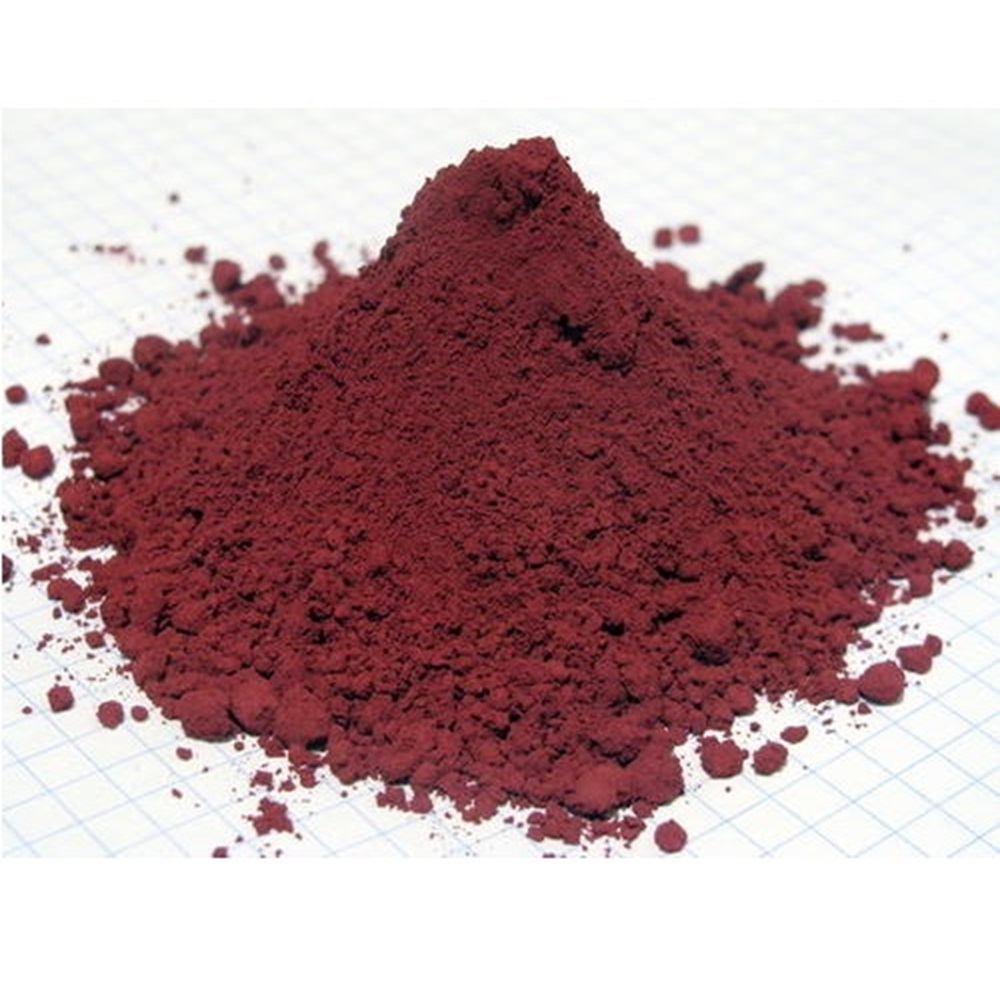
| Appearance | Yellow-white, waxy | Red-brown powder | Black, graphite-like |
| Physical State | Solid (waxy) | Solid (powder) | Solid (crystalline) |
CHEMICAL STRUCTURE
    Phosphorus Allotropes

    White Phosphorus (P₄)        Red Phosphorus         Black Phosphorus

         P                         P   P   P               P
        / \                        | / | /               /|\
       P---P                     P---P---P              P-P-P
        \ /                        | \ | \               \|/
         P                         P   P   P               P

    Tetrahedral P₄ Molecules    Polymeric Chains      Layered Structure
    (Weak van der Waals)        (More stable)         (Most stable)
White Phosphorus: P₄ tetrahedral molecules
Red Phosphorus: Polymeric chain structure
Black Phosphorus: Layered structure (similar to graphite)
SECTION 1: CHEMICAL IDENTITY AND DEFINITION
| Parameter | White Phosphorus | Red Phosphorus | Black Phosphorus |
|---|---|---|---|
| Chemical Name | White Phosphorus | Red Phosphorus | Black Phosphorus |
| Synonyms | Yellow Phosphorus, WP | Red P, RP | Black P, BP |
| CAS Number | 12185-10-3 | 7723-14-0 | 12186-10-4 |
| EC Number | 231-768-7 | 231-768-7 | - |
| Atomic Number | 15 | 15 | 15 |
| Atomic Weight | 30.97 g/mol | 30.97 g/mol | 30.97 g/mol |
| Chemical Class | Non-metal; allotrope of phosphorus | Non-metal; allotrope of phosphorus | Non-metal; allotrope of phosphorus |
| Physical State | Solid (waxy) | Solid (powder) | Solid (crystalline) |
| Color | Yellow-white | Red-brown | Black |
| Odor | Garlic-like (characteristic) | Odorless | Odorless |
| Structure | P₄ tetrahedral molecules | Polymeric chains | Layered structure |
| Stability | Least stable | Moderately stable | Most stable |
SECTION 2: PHYSICAL AND CHEMICAL PROPERTIES
| Property | White Phosphorus | Red Phosphorus | Black Phosphorus |
|---|---|---|---|
| Appearance | Yellow-white, waxy solid | Red-brown powder | Black, graphite-like |
| Density (g/cm³) | 1.82 | 2.20 | 2.69 |
| Melting Point | 44.1°C | 610°C | ~600°C (sublimes) |
| Boiling Point | 280°C | Decomposes | Decomposes |
| Autoignition Temperature | ~30°C (spontaneous in air) | >240°C | >400°C |
| Solubility in Water | Insoluble | Insoluble | Insoluble |
| Solubility in CS₂ | Soluble | Insoluble | Insoluble |
| Solubility in Organic Solvents | Soluble | Insoluble | Insoluble |
| Reactivity | Very reactive | Moderately reactive | Less reactive |
| Stability | Unstable | Stable | Very stable |
| Toxicity | Highly toxic | Low toxicity | Low toxicity |
| Combustibility | Spontaneously ignites | Combustible | Non-combustible |
| Electrical Properties | Insulator | Insulator | Semiconductor |
| Crystal System | Cubic (P₄ molecules) | Amorphous/polymeric | Orthorhombic (layered) |
| Band Gap | Not applicable | Not applicable | ~0.3-2.0 eV |
SECTION 3: COMPARISON OF PHOSPHORUS ALLOTROPES
| Property | White Phosphorus | Red Phosphorus | Black Phosphorus |
|---|---|---|---|
| Structure | P₄ Tetrahedral | Polymeric chains | Layered (graphite-like) |
| Stability | Least stable | Moderately stable | Most stable |
| Autoignition | Spontaneous in air | >240°C | >400°C |
| Toxicity | Extremely toxic | Low toxicity | Low toxicity |
| Solubility in CS₂ | Soluble | Insoluble | Insoluble |
| Color | Yellow-white | Red-brown | Black |
| Density (g/cm³) | 1.82 | 2.20 | 2.69 |
| Melting Point | 44.1°C | 610°C | ~600°C |
| Electrical Conductivity | Insulator | Insulator | Semiconductor |
| Primary Use | Chemical warfare (banned) | Matches, pyrotechnics | Electronics research |
| Regulatory Status | Highly restricted | Controlled | Not restricted |
SECTION 4: PRODUCTION METHODS
White Phosphorus Production
Method 1: Electric Arc Furnace Reduction (Most Common)
-
Reaction: 2Ca₃(PO₄)₂ + 6SiO₂ + 10C → 6CaSiO₃ + 10CO + P₄ (at 1,400-1,500°C)
-
Description: Phosphate rock (calcium phosphate) is reduced with carbon (coke) in an electric arc furnace; Phosphorus vapor is condensed under water to produce white phosphorus; Most common industrial production method
Method 2: Thermal Reduction
-
Process: Phosphate rock → Heating with carbon → Phosphorus vapor → Condensation → White phosphorus
-
Description: Phosphate rock is heated with carbon at high temperatures; Phosphorus vapor is collected and condensed; Used for specialized production
Red Phosphorus Production
Method 1: Thermal Conversion of White Phosphorus
-
Reaction: P₄ (white) → P (red) (at 250-300°C, in absence of air)
-
Description: White phosphorus is heated at 250-300°C in the absence of air; White phosphorus converts to red phosphorus; Controlled heating and cooling; Most common production method
Method 2: Catalytic Conversion
-
Process: White phosphorus + Catalyst → Red phosphorus
-
Description: White phosphorus is converted to red phosphorus with catalysts (iodine, sulfur); Lower temperature requirement; Higher yield
Black Phosphorus Production
Method 1: High-Pressure High-Temperature (HPHT) Conversion
-
Reaction: P (red/white) → P (black) (at high pressure and temperature)
-
Description: Red or white phosphorus is subjected to high pressure (8-12 GPa) and high temperature (200-400°C); Converts to black phosphorus; Requires specialized equipment
Method 2: High-Pressure Method
-
Process: White phosphorus → High pressure (1-12 GPa) → Black phosphorus
-
Description: White phosphorus is compressed at high pressures; Produces black phosphorus crystals; Limited to research quantities
SECTION 5: FUNCTIONAL PROPERTIES AND MECHANISM OF ACTION
White Phosphorus
| Property | Description |
|---|---|
| Combustion | Spontaneously ignites in air at ~30°C; Burns with bright yellow-white flame; Produces phosphorus pentoxide (P₂O₅) smoke; Extremely exothermic reaction |
| Phosphorescence | Exhibits chemiluminescence; Glows in the dark due to slow oxidation; Characteristic greenish glow |
| Toxicity | Extremely toxic; Causes severe burns; Liver and kidney damage; Fatal at low doses (~50-100 mg) |
| Chemical Reactivity | Reacts with halogens; Reacts with oxygen; Reacts with metals to form phosphides |
Red Phosphorus
| Property | Description |
|---|---|
| Flame Retardant | Used as flame retardant in plastics and polymers; Non-halogenated flame retardant; Effective in combination with other additives |
| Ignition Surface | Used on matchbox strike surfaces; Provides friction ignition; Safe and stable |
| Chemical Reactivity | Reacts with oxygen at high temperatures; Reacts with halogens; Used in phosphorus sesquisulfide production |
| Stability | More stable than white phosphorus; Does not ignite spontaneously; Safe for industrial use |
Black Phosphorus
| Property | Description |
|---|---|
| Semiconductor Properties | Direct band gap semiconductor (0.3-2.0 eV); Tunable band gap; High carrier mobility (~1,000 cm²/V·s) |
| Anisotropic Properties | Highly anisotropic electrical and thermal properties; Different properties along different crystal axes; Unique electronic behavior |
| 2D Material | Layered structure allows exfoliation to few layers; Phosphorene (monolayer black phosphorus); Similar to graphene |
| Electronic Applications | Transistors; Photodetectors; Optoelectronics; Next-generation electronics |
SECTION 6: MAIN APPLICATION AREAS
White Phosphorus Applications
| Application | Function | Status |
|---|---|---|
| Chemical Warfare | Incendiary agents; Smoke screens | Banned (Geneva Protocol) |
| Military | Smoke bombs; Incendiary bombs | Restricted |
| Pesticides | Rodenticides | Banned (most countries) |
| Chemical Intermediate | Phosphorus compounds production | Industrial use (restricted) |
Red Phosphorus Applications
| Application | Function | Status |
|---|---|---|
| Matches | Friction surface on matchboxes | Common use |
| Flame Retardants | Plastics, polymers, textiles | Common use |
| Pyrotechnics | Fireworks, signal flares | Common use |
| Chemical Synthesis | Phosphorus compounds | Common use |
| Agriculture | Fertilizer components | Common use |
| Metallurgy | Deoxidizer | Common use |
Black Phosphorus Applications
| Application | Function | Status |
|---|---|---|
| Electronics | Transistors, semiconductors | Research phase |
| Optoelectronics | Photodetectors, solar cells | Research phase |
| Battery Anodes | Lithium-ion batteries | Research phase |
| Sensors | Gas sensors, biosensors | Research phase |
| 2D Materials | Phosphorene research | Research phase |
SECTION 7: REGULATORY STATUS AND RESTRICTIONS
| Allotrope | Status | Restrictions |
|---|---|---|
| White Phosphorus | Highly restricted | International treaties (Geneva Protocol, CWC); Banned for military use; Banned for rodenticides; Production and trade strictly controlled |
| Red Phosphorus | Controlled substance | Sales restricted in many countries; Requires license for purchase; Used in illicit drug production (methamphetamine); International trade monitored |
| Black Phosphorus | Not restricted | Research only; No commercial scale production; No regulatory restrictions |
SECTION 8: TOXICOLOGICAL PROFILE
| Parameter | White Phosphorus | Red Phosphorus | Black Phosphorus |
|---|---|---|---|
| Acute Oral Toxicity (LD50, Rat) | ~3-5 mg/kg (extremely toxic) | >5,000 mg/kg (low toxicity) | Not established |
| Acute Inhalation Toxicity | Highly toxic | Low toxicity | Low toxicity |
| Skin Contact | Severe burns | Mild irritation | Non-irritant |
| Eye Contact | Severe damage | Mild irritation | Non-irritant |
| Chronic Toxicity | Liver and kidney damage | Minimal | Not known |
| Carcinogenicity | Not classified | Not classified | Not classified |
| Mutagenicity | Not classified | Not classified | Not classified |
| Target Organs | Liver, kidneys, bones | Respiratory system (dust) | None known |
| Special Toxicity Note | White phosphorus is EXTREMELY TOXIC. Contact with skin causes severe deep burns. Inhalation causes respiratory distress. Fatal dose ~50-100 mg. Poisoning causes "smoking stool" due to phosphorus excretion. | Red phosphorus is relatively non-toxic. Dust may cause respiratory irritation. Contamination with white phosphorus increases toxicity. | Black phosphorus is considered non-toxic. No known toxicity. |
SECTION 9: GHS CLASSIFICATION AND LABELING
White Phosphorus
| Hazard Class | Category | H-Statement |
|---|---|---|
| Acute Toxicity (Oral) | Category 1 | H300 |
| Acute Toxicity (Inhalation) | Category 1 | H330 |
| Skin Corrosion | Category 1B | H314 |
| Aquatic Toxicity | Category 1 | H400 |
| Spontaneous Combustion | Category 1 | H250 |
Signal Word: DANGER
Hazard Pictograms: GHS02 (Flame), GHS06 (Skull), GHS05 (Corrosion), GHS09 (Environment)
Red Phosphorus
| Hazard Class | Category | H-Statement |
|---|---|---|
| Flammable Solid | Category 1 | H228 |
| Skin Irritation | Category 2 | H315 |
| Eye Irritation | Category 2 | H319 |
| STOT - SE | Category 3 | H335 |
Signal Word: DANGER
Hazard Pictograms: GHS02 (Flame), GHS07 (Exclamation Mark)
Black Phosphorus
| Hazard Class | Category | H-Statement |
|---|---|---|
| Not classified as hazardous | - | - |
Signal Word: No signal word required
SECTION 10: PRECAUTIONARY STATEMENTS (P-CODES)
| Code | Statement |
|---|---|
| P210 | Keep away from heat/sparks/open flames/hot surfaces. No smoking |
| P222 | Do not allow contact with air |
| P231+P232 | Handle under inert gas. Protect from moisture |
| P260 | Do not breathe dust/fume/gas/mist/vapors/spray |
| P264 | Wash hands thoroughly after handling |
| P270 | Do not eat, drink or smoke when using this product |
| P280 | Wear protective gloves/protective clothing/eye protection/face protection/respiratory protection |
| P301+P310 | IF SWALLOWED: Immediately call a POISON CENTER/doctor |
| P302+P350 | IF ON SKIN: Gently wash with plenty of soap and water |
| P305+P351+P338 | IF IN EYES: Rinse cautiously with water for several minutes |
| P335+P334 | Brush off loose particles from skin. Immerse in cool water/wrap with wet bandages |
| P405 | Store locked up |
| P501 | Dispose of contents/container in accordance with local/regional/national/international regulations |
SECTION 11: FIRST AID MEASURES
| Exposure Route | White Phosphorus | Red Phosphorus | Black Phosphorus |
|---|---|---|---|
| Inhalation | Move to fresh air. Give oxygen. Immediate medical attention. | Move to fresh air. If symptoms persist, get medical attention. | Move to fresh air. |
| Skin Contact | DO NOT use water. Cover with wet cloth. Remove phosphorus particles. Immediate medical attention. Burn specialist required. | Wash with soap and water. Remove contaminated clothing. | Wash with soap and water. |
| Eye Contact | Rinse with water for 15 minutes. Immediate medical attention. | Rinse with water for 15 minutes. If irritation persists, get medical attention. | Rinse with water. |
| Ingestion | Do NOT induce vomiting. Drink milk or water. Immediate medical attention. | Rinse mouth. Drink water. If large amount ingested, get medical attention. | Rinse mouth. Drink water. |
SECTION 12: FIREFIGHTING MEASURES
| Parameter | White Phosphorus | Red Phosphorus | Black Phosphorus |
|---|---|---|---|
| Fire Hazard | Spontaneously ignites in air | Flammable solid | Non-combustible |
| Suitable Extinguishers | Water (immersion), sand, CO₂ (dry) | Water, CO₂, dry chemical, sand | Use appropriate media for surrounding fire |
| Special Hazards | Produces toxic P₂O₅ smoke; Severe burns | Produces toxic phosphorus oxides | No special hazards |
| Special Protective Equipment | Self-contained breathing apparatus (SCBA), full protective clothing | Self-contained breathing apparatus (SCBA), full protective clothing | Standard firefighting equipment |
| Special Precautions | DO NOT use water spray (spreads fire); Immerse in water for extinguishing | Prevent dust from entering sewers | None |
SECTION 13: STORAGE AND SHELF LIFE
| Parameter | White Phosphorus | Red Phosphorus | Black Phosphorus |
|---|---|---|---|
| Storage Conditions | Under water (sealed); Inert atmosphere; Cool, dark place; Separate from oxidizing agents | Cool, dry, well-ventilated; Keep away from heat and moisture; Separate from oxidizing agents | Cool, dry, inert atmosphere |
| Container Requirements | Sealed containers under water; Protected from light | Tightly closed containers; Moisture-proof | Sealed containers; Inert atmosphere |
| Materials to Protect From | Air, oxygen, moisture, oxidizing agents | Strong oxidizing agents, heat | Strong oxidizing agents |
| Shelf Life | Limited (requires regular inspection) | Unlimited (under proper conditions) | Unlimited (under inert atmosphere) |
| Special Notes | Must be stored under water; Regular water level checks | Avoid contamination with white phosphorus | Store in dark to prevent degradation |
SECTION 14: PACKAGING OPTIONS
| Packaging Type | White Phosphorus | Red Phosphorus | Black Phosphorus |
|---|---|---|---|
| Packaging | Sealed metal containers under water | Plastic bags (5-25 kg) | Small sealed vials (research) |
| Special Requirements | Water immersion; Protected from light; Hazardous material labeling | Hazardous material labeling (flammable) | Inert atmosphere |
| Transport | UN 1381, Class 4.2 (Pyrophoric) | UN 1338, Class 4.1 (Flammable) | Not regulated |
SECTION 15: TRANSPORT INFORMATION
| Parameter | White Phosphorus | Red Phosphorus | Black Phosphorus |
|---|---|---|---|
| UN Number | UN 1381 | UN 1338 | Not regulated |
| Hazard Class | 4.2 (Pyrophoric) | 4.1 (Flammable) | Not applicable |
| Packing Group | I | III | Not applicable |
| Special Provisions | Must be shipped under water | Keep away from heat | None |
| Marine Pollutant | Yes | No | No |
SECTION 16: OTHER NAMES AND SYNONYMS
| Type | White Phosphorus | Red Phosphorus | Black Phosphorus |
|---|---|---|---|
| Turkish Names | Beyaz Fosfor, Sarı Fosfor, Kemik Tozu | Kırmızı Fosfor | Siyah Fosfor |
| English Names | White Phosphorus, Yellow Phosphorus, WP | Red Phosphorus, RP | Black Phosphorus, BP |
| Chemical Names | Phosphorus (P₄); Elemental Phosphorus | Phosphorus (Polymeric) | Phosphorus (Layered) |
| CAS Number | 12185-10-3 | 7723-14-0 | 12186-10-4 |
| Common Names | WP, Yellow P, Phosphorus Tetramer | Red P | Black P, Phosphorene (monolayer) |
SECTION 17: SUMMARY TABLE
| Parameter | White Phosphorus | Red Phosphorus | Black Phosphorus |
|---|---|---|---|
| CAS Number | 12185-10-3 | 7723-14-0 | 12186-10-4 |
| Appearance | Yellow-white waxy | Red-brown powder | Black graphite-like |
| Density (g/cm³) | 1.82 | 2.20 | 2.69 |
| Melting Point | 44.1°C | 610°C | ~600°C |
| Autoignition | ~30°C (spontaneous) | >240°C | >400°C |
| Toxicity | Extremely toxic | Low toxicity | Low toxicity |
| Stability | Unstable | Stable | Very stable |
| Primary Use | Chemical warfare (banned) | Matches, flame retardants | Electronics research |
| Regulatory Status | Highly restricted | Controlled substance | Not restricted |
| UN Number | UN 1381 | UN 1338 | Not regulated |
SECTION 18: HISTORICAL AND INTERESTING FACTS
Discovery:
-
Phosphorus was discovered in 1669 by Hennig Brand in Hamburg, Germany
-
Discovered by boiling urine to dryness and heating the residue
-
Named from Greek "phosphoros" (light-bringer) due to its glow in the dark
Historical Uses:
-
"Bone ash" was historically obtained by burning bones
-
Used in early matches and pyrotechnics
-
Used in early pesticides and rodenticides
Interesting Facts:
-
White phosphorus glows in the dark (chemiluminescence)
-
Same element (P) with different crystal structures creates dramatically different properties
-
Black phosphorus is considered the future of electronics (phosphorene)
-
White phosphorus burns with a bright yellow-white flame, producing dense white smoke
SECTION 19: KEY WARNINGS AND BEST PRACTICES
CRITICAL WARNINGS:
-
White phosphorus is EXTREMELY TOXIC. Contact with skin causes severe deep burns. Fatal dose ~50-100 mg.
-
White phosphorus spontaneously ignites in air. Store under water. Do not expose to air.
-
White phosphorus burns require special handling. DO NOT use water spray. Immerse in water or cover with wet cloth.
-
Red phosphorus is a controlled substance. Sales are restricted in many countries due to use in illicit drug production.
-
Red phosphorus is flammable. Keep away from heat and ignition sources.
-
Black phosphorus is research material. Not commercially available. Handle under inert atmosphere.
-
Contamination: Red phosphorus may contain traces of white phosphorus, increasing toxicity. Test before use.
BEST PRACTICE RECOMMENDATIONS:
-
White Phosphorus Handling: Use ONLY in inert atmosphere or under water; Use full PPE including acid-resistant gloves and face shield; Work in fume hood; Immediate medical attention for any exposure; Store in sealed containers under water; Regular inspection of water levels.
-
Red Phosphorus Handling: Use in well-ventilated areas; Avoid dust generation; Keep away from heat and ignition sources; Store in tightly closed containers; Avoid contamination with white phosphorus; Use appropriate PPE (gloves, safety goggles, dust mask).
-
Black Phosphorus Handling: Handle under inert atmosphere (argon/nitrogen); Use in glove box for research applications; Protect from light; Store in sealed vials; Use appropriate PPE.
-
Emergency Response (White Phosphorus): DO NOT use water spray; Immerse in water; Cover with wet cloth; Remove phosphorus particles; Immediate medical attention; Burn specialist required.
-
Disposal: Dispose of in accordance with local, regional, and national regulations; White phosphorus is hazardous waste; Red phosphorus is regulated waste; Black phosphorus can be disposed as chemical waste.
SPECIAL NOTE ON WHITE PHOSPHORUS BURNS:
White phosphorus burns are a medical emergency:
-
Appearance: Deep, progressive burns; May not be immediately painful
-
Mechanism: Phosphorus continues to burn beneath the skin
-
Treatment: DO NOT use water (may spread); Cover with wet cloth; Remove particles; Immediate burn specialist treatment
-
Toxicity: Absorption can cause liver and kidney damage
-
Prevention: Full PPE; Inert atmosphere; Under water storage
LEGAL DISCLAIMER:
The information provided in this document is based on our current knowledge and experience and is presented in good faith. However, as all conditions of use are beyond our control, this document does not constitute a binding specification or warranty. This Technical Data Sheet is for informational purposes only. Users are responsible for testing suitability for their own applications. For complete safety, storage, handling, transportation, waste, and regulatory compliance information, please refer to the official Safety Data Sheet (SDS/MSDS) provided by the manufacturer/supplier.