We unleash your business potential by maximize the business innovation.
Send EmailNisin, Nisin A, Nisin Z, E234, 414-45-5
NISIN (E234)
PRODUCT IDENTIFICATION INFORMATION
| Parameter | Information |
|---|---|
| Product Name | Nisin |
| Chemical Name | Nisin |
| Synonyms (Turkish) | Nisin, E234 |
| Synonyms (English) | Nisin, E234, Nisin A, Nisin Z |
| E Number | E234 |
| CAS Number | 414-45-5 |
| Molecular Formula | C₁₄₃H₂₂₈O₃₇N₄₂S |
| Molecular Weight | ~3,353 g/mol (Nisin A) |
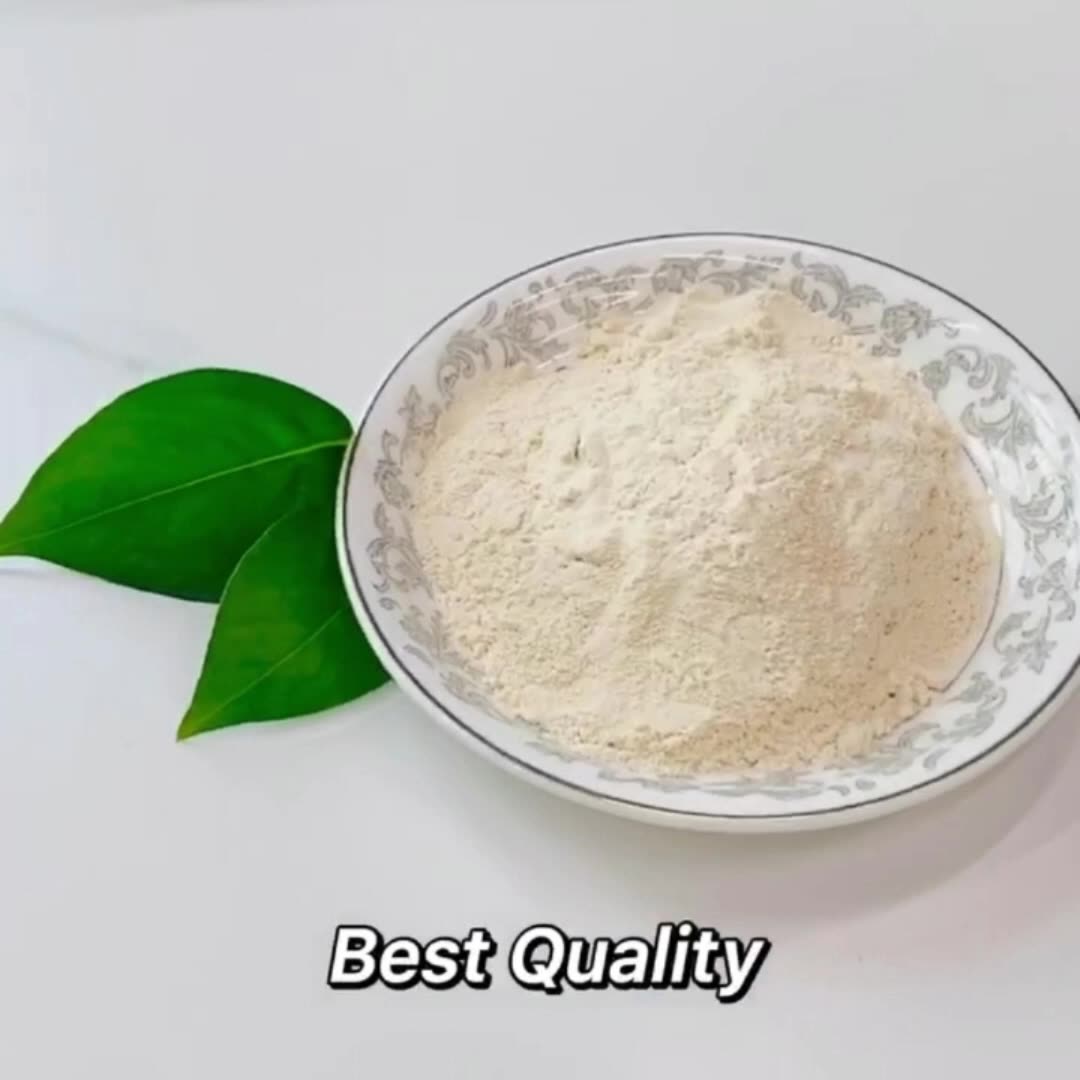
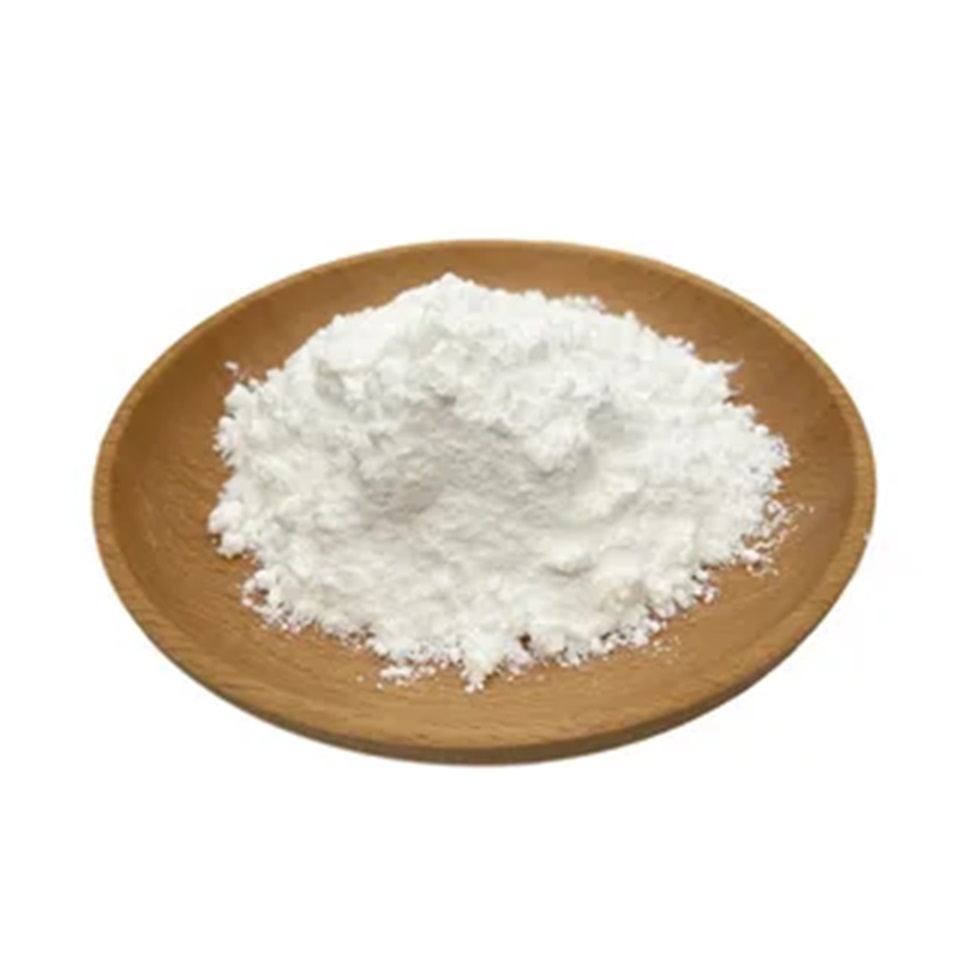
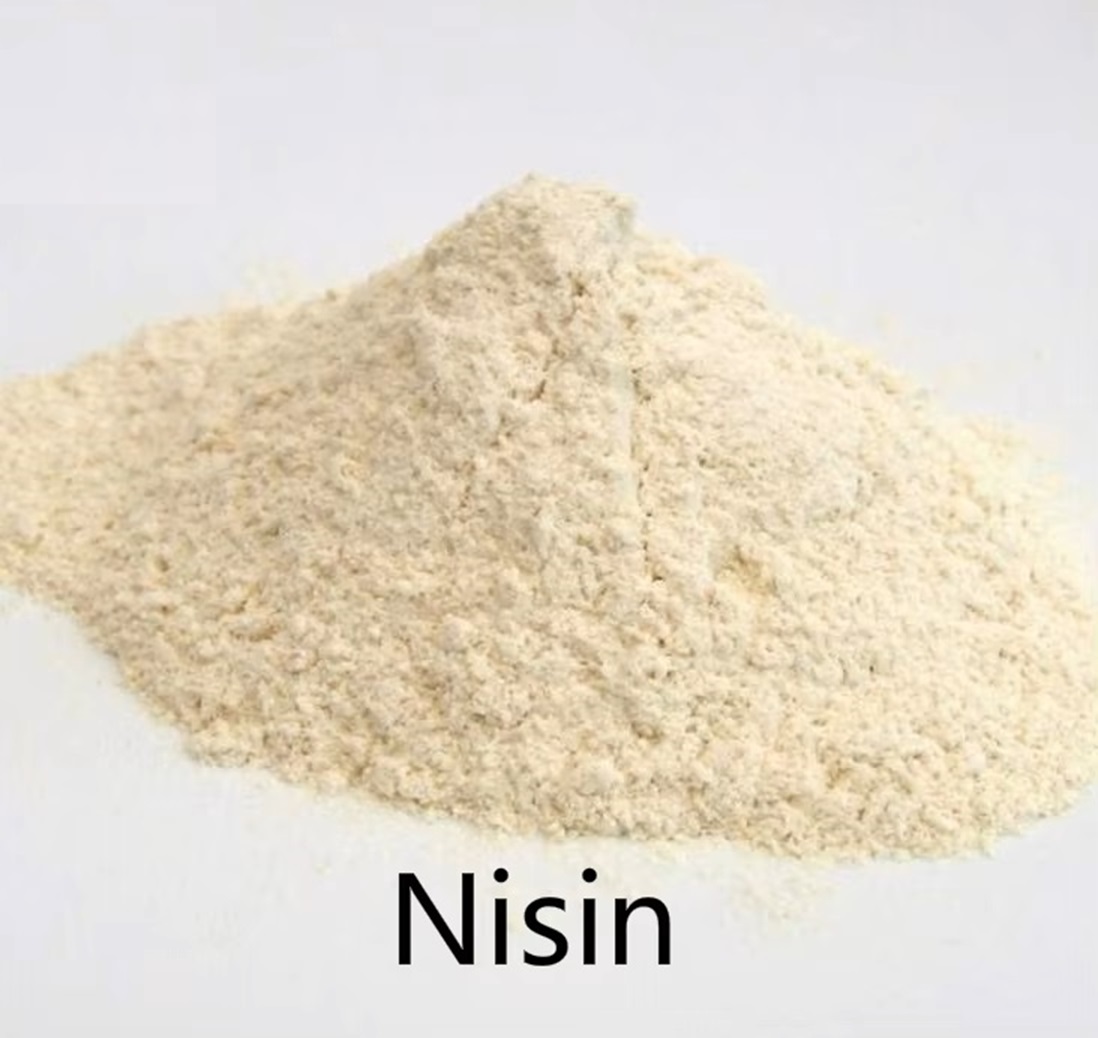
| Appearance | White to creamy-white powder |
| Odor | Slight characteristic odor |
| Taste | Tasteless |
CHEMICAL STRUCTURE
Nisin
Polypeptide Chain (34 Amino Acids)
Contains unusual amino acids: Lanthionine, Methyllanthionine, Dehydroalanine, Dehydrobutyrine
Molecular Formula: C₁₄₃H₂₂₈O₃₇N₄₂S (Nisin A)
SMILES: Not applicable (peptide)
InChI: Not applicable (peptide)
Structure: Polycyclic antibacterial peptide; Lantibiotic (lanthionine-containing antibiotic); 34 amino acid residues; Contains unusual amino acids (lanthionine, β-methyllanthionine, dehydroalanine, dehydrobutyrine); Heat-stable; Active against Gram-positive bacteria.
SECTION 1: CHEMICAL IDENTITY AND DESCRIPTION
| Parameter | Information |
|---|---|
| Product Name | Nisin |
| Chemical Name | Nisin |
| Synonyms (Turkish) | Nisin, E234 |
| Synonyms (English) | Nisin, E234, Nisin A, Nisin Z |
| E Number | E234 |
| CAS Number | 414-45-5 |
| Molecular Formula | C₁₄₃H₂₂₈O₃₇N₄₂S |
| Molecular Weight | ~3,353 g/mol (Nisin A) |
| Chemical Class | Bacteriocin; Polypeptide; Lantibiotic |
| Source | Lactococcus lactis subsp. lactis (fermentation) |
| Physical State (20°C) | Solid (powder) |
| Odor | Slight characteristic odor |
| Color | White to creamy-white |
| Taste | Tasteless |
| Biological Source | Natural (fermentation product, not chemically synthesized) |
SECTION 2: PHYSICAL AND CHEMICAL PROPERTIES
| Property | Value | Test Method / Note |
|---|---|---|
| Appearance | White to creamy-white powder | Visual |
| Odor | Slight characteristic odor | Olfactometric |
| Molecular Weight | ~3,353 g/mol (Nisin A) | – |
| Activity (Potency) | 1,000 – 10,000 IU/mg (grade dependent) | Bioassay |
| Solubility in Water | Soluble at low pH (<4.0) | General Method |
| Solubility in Alkaline Solutions | Insoluble (degradation above pH 4.0) | General Method |
| Thermal Stability | Heat-stable (acidic conditions) | – |
| Stability | Stable at pH 2-4; Degrades at pH >4 | – |
| Light Sensitivity | Sensitive to direct sunlight | – |
| Moisture Sensitivity | Stable when dry; Keep in dry conditions | – |
| pH Stability | Stable at pH 2-4; Degrades at pH >4 | – |
| Heavy Metals | ≤ 10 ppm | AAS / ICP |
| Salmonella | Absent | Microbiological |
| E. coli | Absent | Microbiological |
| Total Plate Count | ≤ 1,000 CFU/g | Microbiological |
| Yeast & Mold | ≤ 100 CFU/g | Microbiological |
SECTION 3: ACTIVITY AND POTENCY GRADES
| Grade | Activity (IU/mg) | Applications |
|---|---|---|
| 1,000 IU/mg | ≥ 1,000 IU/mg | Standard food applications |
| 2,500 IU/mg | ≥ 2,500 IU/mg | Higher activity; Lower dosage required |
| 5,000 IU/mg | ≥ 5,000 IU/mg | High-activity applications |
| 10,000 IU/mg | ≥ 10,000 IU/mg | Premium grade; Very low dosage required |
SECTION 4: BIOLOGICAL ACTIVITY AND MECHANISM OF ACTION
| Property | Description |
|---|---|
| Antimicrobial Spectrum | Effective against Gram-positive bacteria; Effective against bacterial spores (heat-resistant spores); Ineffective against Gram-negative bacteria (outer membrane barrier) |
| Mechanism of Action | Binds to cell wall precursor lipid II; Disrupts cell wall synthesis; Forms pores in bacterial membranes; Leads to cell death |
| Target Bacteria | Clostridium botulinum, Staphylococcus aureus, Streptococcus hemolyticus, Listeria monocytogenes, Bacillus cereus, Bacillus subtilis, Bacillus stearothermophilus, Brochothrix thermosphacta, Bacillus sporothermodurans |
| Mode of Action | Pore-forming (membrane disruption); Inhibits cell wall synthesis; Bactericidal (kills bacteria) |
| Stability in Food | Stable in acidic foods (pH <4.0); Heat-stable (survives pasteurization); Degraded by digestive enzymes (chymotrypsin) |
SECTION 5: PRODUCTION PROCESS
| Step | Process | Description |
|---|---|---|
| 1 | Fermentation | Lactococcus lactis subsp. lactis is fermented in controlled conditions |
| 2 | Harvesting | Fermentation broth is harvested |
| 3 | Purification | Nisin is purified (filtration, chromatography) |
| 4 | Concentration | Purified nisin is concentrated |
| 5 | Drying | Spray-dried or freeze-dried to powder form |
| 6 | Standardization | Standardized to desired activity (IU/mg) |
| 7 | Packaging | Packaged in moisture-proof containers |
History:
-
1928: Discovered by Rogers
-
1947: First isolation
-
1951: First use in food
-
1969: Approved by FAO and WHO as food preservative
SECTION 6: FUNCTIONAL PROPERTIES
| Property | Description |
|---|---|
| Natural Preservative | Natural bacteriocin; Not chemically synthesized; Derived from food-grade bacteria (Lactococcus lactis) |
| Antibacterial Activity | Effective against Gram-positive bacteria and spores; Inhibits Clostridium botulinum, Listeria, Staphylococcus aureus; Prevents spore germination |
| Heat Stability | Heat-stable in acidic conditions; Survives pasteurization (70-90°C); Can be added before or after heat treatment |
| Low Dosage | Effective at very low concentrations (ppm levels); Cost-effective |
| Energy Savings | Reduces heat treatment time and temperature; Saves energy in processed foods |
| Tasteless | Does not affect food taste; No impact on flavor profile |
| Safe and Digestible | Digested by digestive enzymes (chymotrypsin) in human body; Non-toxic; No side effects |
| pH Dependent | Stable and active at pH 2-4; Degrades at pH >4; Best in acidic foods |
SECTION 7: MAIN APPLICATION AREAS
| Food Category | Maximum Usage (g/kg) |
|---|---|
| Milk and Dairy Products | 0.5 |
| Pickled Vegetables | 0.5 |
| Processed Edible Mushrooms and Algae | 0.5 |
| Canned/Bottled Edible Mushrooms and Algae | 0.2 |
| Canned Coarse Grains | 0.2 |
| Other Coarse Grain Products | 0.25 |
| Ready-to-Eat Wheat or Rice Products | 0.25 |
| Bread | 0.3 |
| Cakes and Pastries | 0.3 |
| Pre-processed Meat Products | 0.5 |
| Cooked Meat Products | 0.5 |
| Fully Preserved Fish and Fish Products | 0.5 |
| Egg Products | 0.25 |
| Vinegar | 0.15 |
| Soy Sauce | 0.2 |
| Bread and Spread Products | 0.2 |
| Mixed Sauces | 0.2 |
| Beverages (excluding packaged drinking water) | 0.2 |
| Cheese | Historically first application; Extends shelf life |
| Canned Foods | Heat treatment energy savings; Shelf life extension |
SECTION 8: APPLICATION METHODS
| Method | Description |
|---|---|
| Direct Mixing | Add nisin powder directly to food during production |
| Solution Addition | Dissolve nisin in solution (low pH water) and add to food |
| Surface Spraying | Spray nisin solution onto food surfaces |
| Dipping | Dip food into nisin solution |
| Coating | Apply as coating during packaging (edible films) |
SECTION 9: USAGE INSTRUCTIONS
General Dosing Guide:
| Food Category | Dosage (g/kg) | Notes |
|---|---|---|
| Dairy Products | 0.1 – 0.5 | pH <4.0 |
| Meat Products | 0.1 – 0.5 | Cooked/processed meats |
| Canned Products | 0.1 – 0.2 | Heat-treated |
| Beverages | 0.05 – 0.2 | Acidic beverages |
| Bread/Pastry | 0.05 – 0.3 | Extends shelf life |
| Egg Products | 0.05 – 0.25 | Liquid/pasteurized eggs |
| Sauces | 0.05 – 0.2 | Acidic sauces |
Instructions:
-
Dissolution: Nisin is soluble at low pH (pH <4); Use acidified water (citric acid, acetic acid) for dissolution; Warm water helps dissolution.
-
Addition: Add to food during or after heat treatment; Can be added before or after pasteurization.
-
Stability: Heat-stable at acidic pH; Protect from direct sunlight and moisture.
-
Dosage: Start with minimum dosage; Optimize for specific application.
SECTION 10: QUALITY SPECIFICATIONS
| Parameter | Specification | Test Method |
|---|---|---|
| Appearance | White to creamy-white powder | Visual |
| Activity (Potency) | 1,000 – 10,000 IU/mg (grade dependent) | Bioassay |
| Moisture Content | ≤ 5% | Gravimetric (105°C) |
| pH (1% Solution) | 3.0 – 4.0 | pH Meter |
| Protein Content | ≥ 90% | Kjeldahl |
| Heavy Metals (as Pb) | ≤ 10 ppm | AAS / ICP |
| Arsenic (As) | ≤ 2 ppm | AAS / ICP |
| Lead (Pb) | ≤ 1 ppm | AAS / ICP |
| Salmonella | Absent | Microbiological |
| E. coli | Absent | Microbiological |
| Total Plate Count | ≤ 1,000 CFU/g | Microbiological |
| Yeast & Mold | ≤ 100 CFU/g | Microbiological |
| Particle Size | Customer requirement | Sieve / Laser |
SECTION 11: TOXICOLOGICAL PROFILE
| Parameter | Value |
|---|---|
| Acute Oral Toxicity (LD50, Rat) | > 10,000 mg/kg (practically non-toxic) |
| Acute Dermal Toxicity | Non-irritating |
| Skin Irritation | Non-irritating |
| Eye Irritation | May cause mechanical irritation (powder) |
| Chronic Toxicity | Non-toxic; FDA GRAS status; Food additive E234 |
| Carcinogenicity | Not classified as carcinogenic |
| Mutagenicity | Not mutagenic |
| Reproductive Toxicity | No reproductive toxicity |
| Allergenicity | No known allergenicity |
| Digestibility | Digested by chymotrypsin in the digestive system |
| Target Organs | None (non-toxic) |
| Special Toxicity Note | Non-toxic; FDA GRAS; EFSA approved; Food additive E234; Natural bacteriocin; Safe for human consumption; No side effects; Digested by digestive enzymes |
SECTION 12: GHS CLASSIFICATION AND LABELING
GHS Classification (in accordance with CLP and UN GHS):
| Hazard Class | Category | H-Statement |
|---|---|---|
| Not classified as hazardous | – | – |
SIGNAL WORD: NONE (not classified as hazardous)
Hazard Pictograms: NONE
Hazard Statements (H-Codes): Not classified as hazardous under GHS regulations.
NFPA 704 Hazard Classification:
| Health | Flammability | Reactivity | Special |
|---|---|---|---|
| 1 | 1 | 0 | - |
| (Slight health hazard – dust) | (Combustible – dust may form explosive mixture) | (Stable) | (None) |
SECTION 13: PRECAUTIONARY STATEMENTS (P-CODES)
| Code | Statement |
|---|---|
| P261 | Avoid breathing dust/fume/gas/mist/vapors/spray |
| P264 | Wash hands thoroughly after handling |
| P271 | Use only outdoors or in a well-ventilated area |
| P280 | Wear protective gloves/protective clothing/eye protection/face protection |
| P302+P352 | IF ON SKIN: Wash with plenty of soap and water |
| P304+P340 | IF INHALED: Remove person to fresh air and keep comfortable for breathing |
| P305+P351+P338 | IF IN EYES: Rinse cautiously with water for several minutes. Remove contact lenses if present and continue rinsing |
| P312 | Call a POISON CENTER/doctor if you feel unwell |
| P332+P313 | If skin irritation occurs: Get medical advice/attention |
| P337+P313 | If eye irritation persists: Get medical advice/attention |
| P362+P364 | Take off contaminated clothing and wash it before reuse |
| P403+P233 | Store in a well-ventilated place. Keep container tightly closed |
| P501 | Dispose of contents/container in accordance with local/regional/national/international regulations |
SECTION 14: FIRST AID MEASURES
| Exposure Route | Action to Take |
|---|---|
| Inhalation | Remove to fresh air immediately. If respiratory irritation develops (dust inhalation), seek medical attention. |
| Skin Contact | Wash with plenty of soap and water. If irritation persists, get medical attention. |
| Eye Contact | Rinse immediately with plenty of water for at least 15 minutes. Keep eyelids open. Remove contact lenses if present. If irritation persists, seek medical attention. |
| Ingestion | Rinse mouth. Drink plenty of water. Generally non-toxic. If large quantities are ingested and symptoms occur, seek medical attention. |
SECTION 15: FIREFIGHTING MEASURES
| Parameter | Information |
|---|---|
| Fire Hazard | Combustible organic material. Dust cloud may form explosive mixture with air (if finely dispersed). |
| Hazards Arising from Fire | Thermal decomposition produces carbon monoxide, carbon dioxide, nitrogen oxides (NOx), sulfur oxides (SOx). |
| Suitable Extinguishing Media | Water spray, CO₂, dry chemical powder, foam. |
| Unsuitable Extinguishing Media | Water jet (may spread dust) |
| Special Protective Equipment | Self-contained breathing apparatus (SCBA), full protective clothing (for surrounding fire). |
| Special Precautions | Prevent dust from entering sewers and waterways. Avoid dust cloud formation. |
SECTION 16: STORAGE AND SHELF LIFE
| Parameter | Information |
|---|---|
| Storage Conditions | Store in a cool, dry, well-ventilated area; PROTECT FROM MOISTURE and direct sunlight; Store at room temperature (15-25°C). |
| Container Requirements | Tightly closed, moisture-proof, light-proof containers (aluminum foil-lined bags, HDPE containers). |
| Materials to Protect From | Moisture, direct sunlight, high humidity, strong oxidizing agents |
| Shelf Life | 24 – 36 months (in unopened original packaging, under proper storage conditions). |
| Stability Note | Stable when dry; Light-sensitive; Keep container tightly closed after opening; Protect from excessive humidity and light; Nisin is stable at 415°C in dry conditions (without moisture). |
| Special Storage Requirements | Store in a dry, well-ventilated warehouse; Avoid exposure to rain, sun, and moisture; Opened containers must be resealed immediately. |
SECTION 17: PACKAGING OPTIONS
| Packaging Type | Quantity | Material |
|---|---|---|
| Aluminum Foil Bag | 100 g, 500 g, 1 kg | Aluminum foil laminated bag (moisture and light-proof) |
| Plastic Bag | 5 kg, 10 kg | PE bag (inner-lined, sealed, moisture-proof) |
| Fiber Drum | 10 kg, 20 kg | PE-lined fiberboard drum |
| Plastic Drum | 25 kg | HDPE / Polypropylene (moisture-proof) |
| Small Pack | 10 g, 50 g | Foil-lined plastic bags (laboratory/sample) |
SECTION 18: TRANSPORT INFORMATION
| Parameter | Information |
|---|---|
| UN Number | Not regulated (non-hazardous) |
| Hazard Class | Not applicable |
| Packing Group | Not applicable |
| ADR/RID | Not regulated |
| IMDG Code | Not regulated (non-hazardous) |
| IATA (Air) | Not regulated (non-hazardous) |
| Marine Pollutant | No |
| Transport Temperature | Ambient temperature; Protect from moisture and light. |
SECTION 19: REGULATORY STATUS
| Region / Authority | Status |
|---|---|
| European Union | Food additive E234 approved by EFSA; Natural preservative; Not classified as hazardous |
| USA (TSCA) | Listed (TSCA Inventory) |
| USA (FDA) | GRAS (Generally Recognized as Safe) – 21 CFR 184.1538; Food additive E234 |
| Turkey | Food additive E234; Subject to KKDIK regulation; Turkish Food Codex approved |
| IARC | Not classified (non-toxic, non-carcinogenic) |
| NTP | Not listed |
| OSHA | Not regulated as toxic or carcinogenic substance |
| California (Prop 65) | Not listed |
| FAO/WHO | Approved (1969) |
| Halal | Yes (if certified) |
| Kosher | Yes (if certified) |
| Vegan | Yes (fermentation-derived) |
SECTION 20: OTHER NAMES AND SYNONYMS
| Type | Name |
|---|---|
| Turkish Names | Nisin, E234 |
| English Names | Nisin, E234, Nisin A, Nisin Z |
| Chemical Names | Nisin; Lantibiotic; Bacteriocin |
| E Number | E234 |
| CAS Number | 414-45-5 |
| Synonyms | Nisaplin (brand), Nisin preparation, Nisin powder |
SECTION 21: SUMMARY TABLE
| Parameter | Value |
|---|---|
| Product | Nisin (E234) |
| CAS Number | 414-45-5 |
| Molecular Formula | C₁₄₃H₂₂₈O₃₇N₄₂S |
| Molecular Weight | ~3,353 g/mol |
| Appearance | White to creamy-white powder |
| Activity | 1,000 – 10,000 IU/mg (grade dependent) |
| Primary Function | Natural preservative, antibacterial |
| Main Application Areas | Dairy, meat, canned products, beverages, sauces, bread, pastry, egg products |
| Shelf Life | 24 – 36 months |
| GHS Signal Word | NONE (not classified as hazardous) |
| UN Number | Not regulated |
| Special Properties | Natural bacteriocin; Effective against Gram-positive bacteria; Heat-stable; Low dosage; Tasteless; Non-toxic; FDA GRAS; E234 approved |
SECTION 22: CRITICAL WARNINGS AND BEST PRACTICES
CRITICAL WARNINGS:
-
Not classified as hazardous under GHS. Non-toxic, non-carcinogenic. FDA GRAS status.
-
Food additive E234 – Approved by EFSA, FDA, and WHO JECFA.
-
Hygroscopic – absorbs moisture from air. Store in tightly closed, moisture-proof containers.
-
Light sensitive – protect from direct sunlight. Store in opaque packaging.
-
Dust may cause mechanical irritation to eyes, skin, and respiratory system. Use appropriate dust control measures.
-
Combustible (organic material). Keep away from open flames and high heat. Dust cloud may form explosive mixture.
-
Activity depends on pH – stable at pH 2-4; Degrades at pH >4; Best activity in acidic foods.
-
Effective against Gram-positive bacteria only – not effective against Gram-negative bacteria.
-
Low dosage – effective at ppm levels; Start with minimum dosage.
-
Heat-stable – survives pasteurization; Can be added before or after heat treatment.
-
Digested by enzymes – safe for human consumption; Broken down by chymotrypsin.
BEST PRACTICE RECOMMENDATIONS:
Dairy Products: Use as preservative to extend shelf life; Dosage 0.1-0.5 g/kg; Effective against Clostridium and Listeria; Best in acidic dairy products (cheese, yogurt); Add before or after pasteurization.
Meat Products: Use as preservative in cooked and processed meats; Dosage 0.1-0.5 g/kg; Effective against Clostridium botulinum and Listeria; Reduces heat treatment time; Extends shelf life.
Canned Products: Use as preservative in canned foods; Dosage 0.1-0.2 g/kg; Heat-stable; Reduces energy consumption; Improves food safety; Extends shelf life.
Beverages: Use as preservative in acidic beverages; Dosage 0.05-0.2 g/kg; Effective at low pH; No taste impact; Use for fruit juices, soft drinks.
Bread and Pastry: Use as preservative; Dosage 0.05-0.3 g/kg; Extends shelf life; Prevents mold growth; No taste impact.
Egg Products: Use as preservative in liquid/pasteurized eggs; Dosage 0.05-0.25 g/kg; Effective against Salmonella and Listeria; Heat-stable.
Handling: Use in well-ventilated areas; Avoid dust formation; Use dust masks (N95/FFP2) when handling powder; Use gloves and safety goggles.
Personal Protective Equipment: Dust mask (N95/FFP2 or higher), safety goggles, protective gloves (nitrile, neoprene). Not required for solution handling.
Hygiene: Wash hands thoroughly after handling; Do not eat, drink, or smoke while using.
Storage: Store in tightly closed, moisture-proof, light-proof containers; Store in a cool, dry, well-ventilated area; Protect from moisture, light, and heat; Opened containers must be resealed immediately; Shelf life: 24-36 months under proper conditions.
Spill Management: Sweep or vacuum (HEPA) and place in suitable sealed container; Avoid dust formation; Do not allow entry into drains or waterways.
Disposal: Dispose of in accordance with local, regional, and national regulations; Non-hazardous waste; Biodegradable; Can be disposed of in compliance with regulations.
NISIN ADVANTAGES - SUMMARY:
| Advantage | Description |
|---|---|
| Natural | Not chemically synthesized; Produced by fermentation |
| Effective | Strong antibacterial activity at low concentrations |
| Heat Stable | Survives pasteurization and heat treatment |
| Energy Saving | Reduces heat treatment time and temperature |
| Safe | Non-toxic; Digested by enzymes; No side effects |
| Tasteless | No impact on food taste |
| Low Dosage | Cost-effective; Effective at ppm levels |
| Broad Application | Works in dairy, meat, canned, beverages, sauces, etc. |
| FDA/EFSA Approved | Regulatory approval for food use |
| Clean Label | Natural preservative; Consumer-friendly |
LEGAL DISCLAIMER:
The information provided in this document is based on our current knowledge and experience and is presented in good faith. However, as all conditions of use are beyond our control, it does not constitute a binding specification or warranty. This Technical Data Sheet is for informational purposes only. Users are responsible for testing the suitability for their own applications. For complete safety, storage, use, handling, waste, and regulatory compliance information, please refer to the official Safety Data Sheet (SDS/MSDS) provided by the manufacturer/supplier.