We unleash your business potential by maximize the business innovation.
Send EmailPoly Ferric Sulfate, Polymeric Ferric Sulfate, PFS, SPFS, 10028-22-5
POLY FERRIC SULFATE (PFS)
1. Chemical Identity and Material Classification
-
Chemical Name: Poly Ferric Sulfate, Polymeric Ferric Sulfate
-
Synonyms: PFS, Iron(III) Sulfate (polymeric), Ferric Sulfate (polymeric), SPFS (Solid Poly Ferric Sulfate)
-
CAS Number: 10028-22-5
-
HS / HTS Code: 2833.29 (Ferric sulfate and complex salts)
-
Molecular Formula: [Fe₂(OH)ₙ(SO₄)₃₋ₙ/₂]ₘ (n < 2, m > 10)
-
Molecular Weight (monomeric): 399.88 g/mol
-
EC Number (EINECS): 233-072-9
2. Physical Properties (Comparative)
| Property | Liquid Form | Powder Form |
|---|---|---|
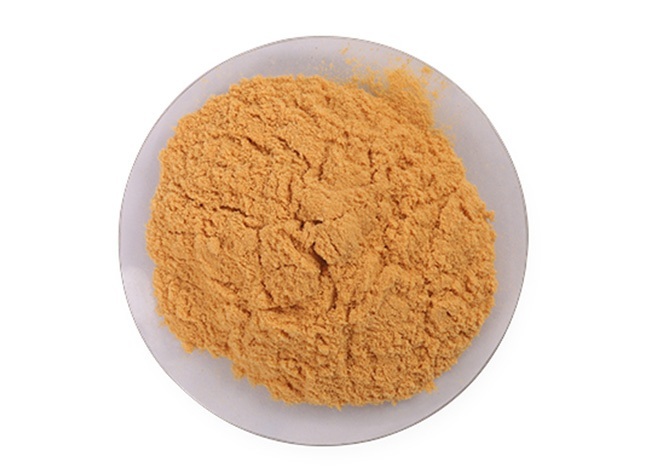
| Appearance | Dark reddish-brown to yellow-brown viscous liquid | Light yellow to brown powder |
| Physical state | Viscous liquid | Solid (powder) |
| Density (20°C) | 1.45–1.50 g/cm³ | ~2.8 g/cm³ (true); ~0.8–1.0 g/cm³ (bulk) |
| pH (10% solution, 20°C) | 2.0–3.0 | 2.0–3.0 (when dissolved) |
| Solubility in water | Fully soluble | Fully soluble |
| Viscosity | High (due to polymeric structure) | Not applicable |
| Corrosivity | Low (due to sulfate and polymeric structure) | Low (when dissolved) |
3. Chemical Properties and Specifications
3.1 Structural Characteristics
Poly Ferric Sulfate belongs to the polymeric pre-hydrolyzed metal salt class:
-
Crystallinity: Amorphous structure (trace crystallinity)
-
Functional groups: Contains hydroxyl (OH) and sulfate (SO₄) groups
-
Charge: High cationic charge – effective for neutralization of colloidal particles
3.2 Typical Technical Specifications (Liquid Form)
| Parameter | Value | Standard |
|---|---|---|
| Total Iron (Fe³⁺) | ≥ 11.0% (≥ 19% as product basis also available) | GB/T 14591 |
| Fe²⁺ (reducing substance) | ≤ 0.10% | GB/T 14591 |
| Basicity | 8.0–16.0% | GB/T 14591 |
| pH (10% solution) | 1.5–3.0 | GB/T 14591 |
| Density (20°C) | ≥ 1.45 g/cm³ | GB/T 14591 |
| Insoluble matter | ≤ 0.30% | GB/T 14591 |
3.3 Liquid vs. Powder Form Comparison
| Parameter | Liquid PFS | Powder PFS |
|---|---|---|
| Fe³⁺ content | ~11% (~19% product basis) | ~21–23% |
| Density | 1.45–1.50 g/cm³ | ~0.8–1.0 g/cm³ (bulk) |
| Packaging | 30 kg, 250 kg HDPE drums, IBC | 25 kg PP/PE bags |
| Ease of use | Direct dosing | Must be dissolved first |
| Transportation cost | Higher (carries water) | Lower (concentrated) |
4. Coagulation Mechanism
4.1 Mechanism of Action (Specific to Poly Ferric Sulfate)
Poly Ferric Sulfate is more effective than conventional coagulants because it contains numerous polymeric iron complex ions:
| Step | Description |
|---|---|
| 1 | PFS rapidly mixes with water |
| 2 | Forms polymeric iron complex ions such as [Fe₂(OH)]³⁺, [Fe(H₂O)]³⁺ in solution |
| 3 | These ions adsorb onto the surface of colloidal particles and suspended solids |
| 4 | Neutralizes surface charges, reducing their potential |
| 5 | Colloidal particles transition from repulsion to attraction |
| 6 | Large, rapidly settling flocs are formed |
4.2 Polymerization Reaction
| Stage | Reaction |
|---|---|
| Oxidation | FeSO₄ + 1/2SO₄²⁻ + Oxidant → 1/2Fe₂(SO₄)₃ |
| Hydrolysis | Fe₂(SO₄)₃ + nH₂O → Fe₂(OH)ₙ(SO₄)₃₋ₙ/₂ + n/2SO₄²⁻ + nH⁺ |
| Polymerization | mFe₂(OH)ₙ(SO₄)₃₋ₙ/₂ → [Fe₂(OH)ₙ(SO₄)₃₋ₙ/₂]ₘ |
5. Advantages of Poly Ferric Sulfate
PFS offers the following advantages over conventional coagulants (ferric chloride, alum, ferric sulfate):
| Advantage | Description |
|---|---|
| Strong coagulation ability | High charge neutralization capacity due to polymeric structure |
| Rapid settling rate | Formed flocs are denser and settle faster |
| Wide pH range (4–11) | Much wider operating range than alum; optimum pH 6–9 |
| Low corrosivity | Less corrosive than chloride-based coagulants due to sulfate-based structure |
| Less sludge (residue) | Lower sludge volume due to efficient coagulation |
| No aluminum residue | Eliminates environmental problems caused by alum |
| Low iron residual | Less dissolved iron remains in effluent |
| Effective at low temperature | Effective even at low temperature and low turbidity |
6. Sectoral Applications and Dosage Table
6.1 Application Areas
| Sector | Application |
|---|---|
| Drinking water treatment | Turbidity, color, organic matter removal |
| Municipal wastewater treatment | COD, BOD, phosphorus, suspended solids removal |
| Industrial wastewater | Textile, paper, leather, food, metal, petrochemical wastewater |
| Paper industry | De-inking, filler material |
| Textile industry | Dye and color removal |
| Sludge dewatering | Removal of water from sludge |
6.2 Reference Dosage Table
| Application | Liquid PFS Dosage (product/water) |
|---|---|
| Drinking water | 1:20,000 – 1:200,000 |
| Industrial water | 1:20,000 – 1:200,000 |
| Municipal wastewater | 1:10,000 – 1:50,000 |
| Textile wastewater | 1:2,000 – 1:6,000 |
| Paper wastewater | 1:2,000 – 1:6,000 |
| Leather wastewater | 1:2,000 – 1:6,000 |
| Food wastewater | 1:8,000 – 1:20,000 |
| Electroplating wastewater | 1:5,000 – 1:10,000 |
| Paint wastewater | 1:3,000 – 1:8,000 |
| Petrochemical wastewater | 1:3,000 – 1:10,000 |
| Sludge dewatering | 1:100 – 1:1,000 |
7. Usage and Dosing Guidelines
7.1 Liquid PFS (Preferred Form)
| Step | Description |
|---|---|
| 1 | Can be dosed directly (no dilution required) |
| 2 | Rapid mixing after addition to water (1–3 minutes) |
| 3 | Slow mixing for floc formation (10–20 minutes) |
| 4 | Sedimentation (30–60 minutes) |
| 5 | pH control (6–9 range is optimal) |
7.2 Powder PFS
| Step | Description |
|---|---|
| 1 | Prepare 10–20% solution in clean water |
| 2 | Mix for 15–30 minutes until complete dissolution |
| 3 | Use prepared solution within 24–48 hours |
| 4 | Dose in the same manner as liquid PFS |
8. Comparison with Conventional Coagulants
| Property | PFS | FeCl₃ | Alum (Al₂(SO₄)₃) |
|---|---|---|---|
| Metal content | ~11% Fe | ~20% Fe | ~8–9% Al |
| pH range | 4–11 | 4–10 | 6–7.5 |
| Corrosivity | Low | High | Medium |
| Sludge volume | Low | Medium | High |
| Fe/Al residual | Low | High | High |
| Low temperature performance | Excellent | Good | Poor |
| Phosphorus removal | Excellent | Excellent | Good |
| Color removal | Excellent | Good | Medium |
| Aluminum toxicity | None | None | Present |
9. Combination with Other Coagulants
Poly Ferric Sulfate can be used in combination with:
-
Anionic polyacrylamide (PAM) – to increase floc size and settling rate
-
Cationic polymers – for sludge dewatering applications
Polymer combination is especially recommended for high-solids wastewater and sludge dewatering.
10. Safety and Toxicology
| Parameter | Value |
|---|---|
| Oral LD₅₀ (rat) | ~300–500 mg/kg (estimated) |
| Skin irritation | Corrosive (acidic) |
| Eye irritation | Severe irritant (corrosive) |
| Skin sensitization | Non-sensitizer |
| Carcinogenicity | Not classified |
| Acidic nature | Class 8 (Corrosive) |
Special Note: PFS eliminates the aluminum residue and neurotoxicity risks associated with aluminum-based coagulants (alum, PAC).
11. Safety Precautions and Personal Protective Equipment (PPE)
-
Hazards: Acidic – causes skin and eye burns
-
PPE (mandatory):
-
Chemical-resistant gloves (nitrile or neoprene)
-
Safety goggles (EN 166) or face shield
-
Protective clothing (acid-resistant)
-
Dust mask (FFP2/N95) – for powder form
-
-
Engineering controls: Eyewash stations, safety showers
-
First aid:
-
Skin contact: Wash with copious water for 15 minutes
-
Eye contact: Rinse with water for 15–20 minutes; seek medical attention
-
Ingestion: Do NOT induce vomiting; drink water; seek medical attention
-
12. Environmental Fate and Disposal
| Parameter | Value |
|---|---|
| Biodegradation | Not applicable (inorganic) |
| Aquatic ecotoxicity | Moderate (due to pH drop) |
| Environmental persistence | Precipitates as Fe(OH)₃ |
| Aluminum pollution | None (contains no aluminum) |
| Disposal method | Neutralization → iron hydroxide sludge → sanitary landfill |
13. Storage and Shelf Life
| Parameter | Liquid PFS | Powder PFS |
|---|---|---|
| Storage temperature | 5–30°C (protect from freezing) | 5–30°C |
| Containers | HDPE, PVC, lined steel – DO NOT use metal containers | Original bags |
| Shelf life | 12 months | 24 months |
| Freeze sensitivity | High | None |
| Degradation indicator | Precipitation (iron hydroxide) | Caking |
14. Transport Information
| Regulation | Liquid PFS | Powder PFS |
|---|---|---|
| UN Number | 1760 (Corrosive liquid) | Not regulated |
| ADR/RID | Class 8, Packing group III | Not dangerous goods |
| IMDG | Class 8, PG III | Not regulated |
| IATA | Class 8, PG III | Not regulated |
15. Synonyms and Common Names
-
English: Poly ferric sulfate, Polymeric ferric sulfate, PFS, Iron(III) sulfate polymeric, SPFS (Solid Poly Ferric Sulfate)
-
Other names: Ferric sesquisulfate, Diiron trisulfate, Iron tersulfate
16. Standards Compliance
| Standard | Compliance |
|---|---|
| GB/T 14591-2016 (China) | Applicable standard for PFS |
| REACH (EC 1907/2006) | Registered |
| NSF/ANSI 60 | Certified for certain grades (drinking water) |
| RoHS | Compliant |
17. Why Choose Poly Ferric Sulfate (PFS)?
| Advantage | Description |
|---|---|
| High coagulation efficiency | Polymeric structure provides more effective charge neutralization than conventional coagulants |
| Rapid settling | Denser flocs, faster solid-liquid separation |
| Wide pH range (4–11) | No pH restriction of alum (6–7.5) |
| Low corrosivity | Safer than chloride-based coagulants (FeCl₃) |
| Aluminum-free | Eliminates aluminum residue and neurotoxicity risks associated with alum and PAC |
| Excellent phosphorus removal | Ideal for environmental eutrophication control |
| Low temperature performance | Effective even in cold water where other coagulants perform poorly |
| Less sludge | 30–50% lower sludge volume compared to alum |
| Liquid and powder options | Flexibility for different application needs |
| Cost-effective | Low cost per performance |
18. Limitations and Precautions
| Limitation | Description |
|---|---|
| Low pH (2–3) | Acidic – requires appropriate safety measures |
| Freeze sensitivity (liquid form) | Precipitates when frozen – do not use |
| Corrosive (solution) | Requires plastic or lined steel equipment |
| High viscosity | Requires appropriate pumping equipment |
| Color formation (overdose) | Overdose may cause brown color in effluent |
19. Production Method (Overview)
Poly Ferric Sulfate is typically produced by the following methods:
| Method | Description |
|---|---|
| Oxidation of ferrous sulfate | FeSO₄ + H₂SO₄ + Oxidant (NaClO₃, H₂O₂, O₂) + Catalyst (NaNO₂) → PFS |
| Production from waste acids | Utilization of waste acids from steel and paint industries |
| Reaction temperature | 50–90°C |
| Optimal [SO₄²⁻]/[Fe] ratio | 1.2–1.5 |
20. Sectoral Suitability Summary Table
| Sector | Application | Typical Dosage (product/water) | Alternatives |
|---|---|---|---|
| Drinking Water | Turbidity removal | 1:20,000 – 1:200,000 | Alum, FeCl₃ |
| Municipal Wastewater | Phosphorus, COD, TSS removal | 1:10,000 – 1:50,000 | Alum, FeCl₃ |
| Textile Wastewater | Color, COD removal | 1:2,000 – 1:6,000 | FeCl₃, PAC |
| Paper Wastewater | COD, de-inking | 1:2,000 – 1:6,000 | Alum, PAC |
| Leather Wastewater | Chromium, COD removal | 1:2,000 – 1:6,000 | FeCl₃ |
| Food Wastewater | Oil, COD, TSS removal | 1:8,000 – 1:20,000 | PAC, FeCl₃ |
| Petrochemical Wastewater | Oil, COD removal | 1:3,000 – 1:10,000 | FeCl₃ |
| Mining Wastewater | TSS, heavy metal removal | 1:8,000 – 1:20,000 | Alum |
| Sludge Dewatering | Sludge water removal | 1:100 – 1:1,000 | Cationic polymer |
This TDS is prepared in compliance with ISO 11014-1 format and is intended for water treatment engineers, wastewater plant operators, process engineers, and procurement professionals. Certificates of Analysis (CoA), Safety Data Sheets (SDS), jar test protocols, and sample validation reports are available upon request.