We unleash your business potential by maximize the business innovation.
Send EmailAmmonium Lauril Ether Sulfate, Ammonium Laureth Sulfate, ALES, ALES-30, ALES-70, AESA, 32612-48-9, 2235‑54‑3
ALES (AMMONIUM LAURYL ETHER SULFATE)
1. PRODUCT DEFINITION AND CHEMICAL IDENTITY
| Parameter | Description |
|---|---|
| Chemical Name (IUPAC) | Dodecan-1-ol, ethoxylated, sulfates, ammonium salts (1-4 mol EO average molar ratio) |
| INCI Name | Ammonium Lauryl Ether Sulfate |
| Common Abbreviation | ALES / AESA |
| CAS Number | 32612-48-9 (most common); 2235-54-3 (alternative); 67762-19-0 (some suppliers) |
| EC Number | 71892-96-1 |
| Chemical Class | Anionic Surfactant (Alkyl Ether Sulfate, Ammonium Salt) |
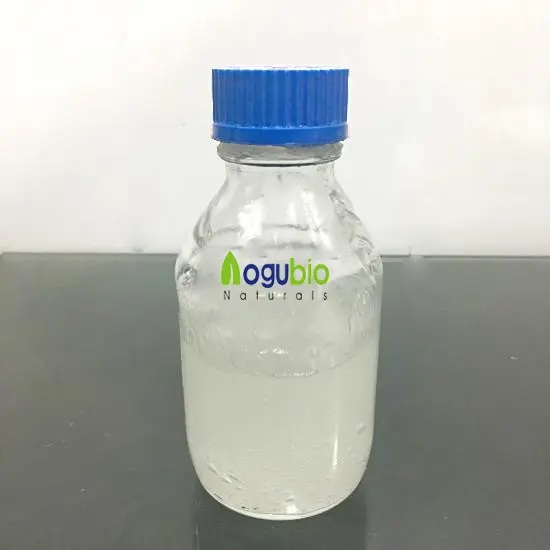
| Appearance | Clear, pale yellow to colourless viscous liquid |
| Odour | Faint, characteristic |
Note: ALES is an anionic surfactant obtained by the ethoxylation of fatty alcohols (primarily coconut-derived C12-C14 lauryl alcohol), followed by sulfation and neutralization with ammonia. It is the ammonium salt form of SLES (Sodium Lauryl Ether Sulfate). The lauryl chain provides cleaning and degreasing; the ether linkage (EO groups) reduces irritation and improves solubility; the sulfate group delivers high foam and detergency; and the ammonium salt form offers compatibility with low-pH formulations. It is widely used in the personal care and cosmetic industries due to its high foam performance, low irritation profile, and rapid solubility.
2. PHYSICAL AND CHEMICAL PROPERTIES
| Property | Value / Description |
|---|---|
| Physical form | Clear, pale yellow to colourless viscous liquid |
| Active matter content | Typically 27–30% or 68–70% |
| pH (solution dependent) | 6.0 – 8.0 |
| Solubility in water | Completely soluble (dissolves faster than SLES) |
| Stability | Stable over a wide pH range; especially tolerant of low pH |
| Biodegradability | High (compliant with OECD tests) |
| Viscosity response | Thickens easily with salt (NaCl) |
3. FUNCTIONAL PROPERTIES AND ADVANTAGES
-
High and Stable Foam: Provides a "rich foam" effect in cosmetic and personal care products. Exhibits good foaming characteristics even in hard water and in the presence of heavy soil loads.
-
Low Irritation Profile: Considered milder than SLES, which is why it is preferred for baby products (baby shampoos, baby washes). As a large molecule, it cannot penetrate the skin.
-
Excellent Solubility: Dissolves faster in water than SLES, reducing production time and ensuring a homogeneous mixture.
-
Easy Rinsability: Leaves less residue, improving the consumer experience and leaving hair feeling soft.
-
Viscosity Control: Thickens readily with salt, providing an advantage in shampoo manufacturing.
-
Compatibility with Low-pH Formulations: The ammonium salt form offers an advantage in low-pH cleansers such as mildly acidic shampoos and facial cleansing gels.
-
High Biodegradability: Environmentally friendly.
4. ALTERNATIVE NAMES AND SYNONYMS
| Category | Names |
|---|---|
| Chemical and INCI Names | Ammonium Lauryl Ether Sulfate, Ammonium Laureth Sulfate, Ammonium Alkyl Ether Sulfate, Ammonium Alcohol Ether Sulfate, Ammonium Polyoxyethylene Lauryl Ether Sulfate, Ammonium Laureth-n Sulfate (n = number of EO) |
| Abbreviations | ALES, AES (Ammonium Ether Sulfate), ALES-2 / ALES-3 (depending on EO number) |
| Commercial / Industrial Names | Ammonium Laureth Sulfate 30%, Ammonium Laureth Sulfate 70%, ALES 30 / ALES 70, Ammonium Ether Sulfate Solution |
5. COMPARISON WITH SLES
| Property | ALES (Ammonium Lauryl Ether Sulfate) | SLES (Sodium Lauryl Ether Sulfate) |
|---|---|---|
| Salt Form | Ammonium (NH4+) | Sodium (Na+) |
| Irritation Profile | Lower; milder | Low to Moderate |
| Dissolution Speed | Dissolves faster in water | Dissolves well |
| Rinsability | Easier to rinse off, less residue | Rinses well |
| Low-pH Compatibility | Tolerates better | Moderate |
| Foam Quality | Rich, fine, and stable foam | Rich, dense, and stable foam |
| Primary Application | Baby products, low-pH cleansers, premium shampoos | General shampoos, body washes, household cleaners |
6. SECTORAL APPLICATIONS AND SUITABILITY
| Sector / Application | Suitability | Notes |
|---|---|---|
| Shampoo | Highly Suitable | High foam, easy thickening, low irritation |
| Shower Gel | Highly Suitable | Stable foam, good cleansing |
| Facial Cleansing Gel | Suitable | Milder than SLES |
| Baby Products | Suitable | Low irritation profile |
| Hand Soap | Suitable | Easy viscosity control with salt |
| Foaming Soap | Suitable | Fast solubility, stable foam |
| Industrial Cleaners | Suitable | Strong detergency effect |
| Surfactant Blends | Suitable | Compatible with LABSA, CAPB, SLES |
| Low-pH Cleansers | Suitable | Ammonium salt form provides an advantage |
| High-Active Shampoos | Suitable | 70% active version preferred |
| Transparent Products | Suitable | Good colour stability |
| Opaque Products | Suitable | Compatible with glycol stearate |
| Sensitive Skin Products | Partially Suitable | Milder than SLES but not completely "ultra-mild" |
| Sulfate-Free Systems | Not Suitable | Contains sulfate |
| Solvent-Based Systems | Not Suitable | Water-soluble; not suitable for solvent systems |
7. ADVANTAGES AND DISADVANTAGES
| Advantages | Disadvantages |
|---|---|
| High and stable foam | Contains sulfate (cannot be used in sulfate-free formulations) |
| Lower irritation than SLES; milder | Gel formation may occur in cold conditions (may require warming) |
| Dissolves very quickly in water; ease of production | Ammonium form may be priced at a premium in some markets |
| Rinses off easily; leaves less residue | Performance may decrease at high pH |
| Easy viscosity control with salt | May be avoided in some minimalist formulations due to the "contains sulfate" perception |
| Compatible with low-pH formulations | |
| Highly biodegradable; environmentally friendly | |
| Can be produced from vegetable-derived fatty alcohols (vegan-compatible) |
8. SAFETY, STORAGE, AND REGULATORY INFORMATION
-
GHS Classification: Not classified as a hazardous substance. The concentrated form may cause mild skin and eye irritation upon prolonged contact. Caution is advised, especially with children, as eye contact may dissolve proteins.
-
1,4-Dioxane Warning: Ethoxylated surfactants may contain trace amounts of 1,4-dioxane as a by-product. Reputable manufacturers apply vacuum stripping to keep levels below safe limits. The product should be sourced from reliable suppliers.
-
Storage:
-
Store in a cool, dry place.
-
Protect from freezing; gel formation may occur in cold conditions. Warm gently and stir before use.
-
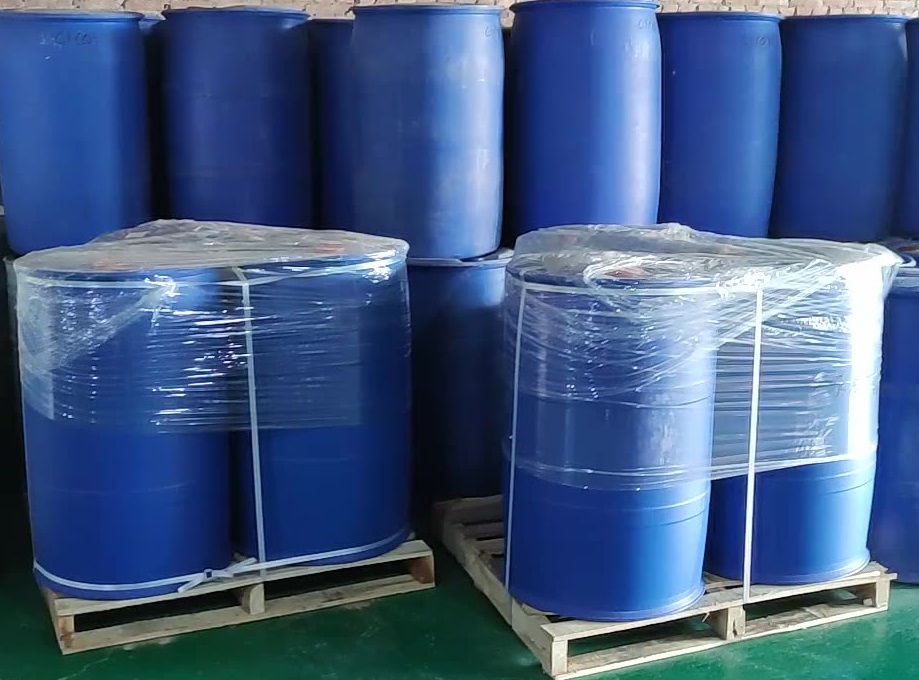
Typically transported in IBCs or plastic drums (160–220 kg or 1000 kg).
-
-
Regulatory Compliance:
-
EU Cosmetic Regulation: Compliant
-
REACH: Compliant (registered suppliers available)
-
FDA (Cosmetics): Compliant
-
Vegan / Cruelty-free: Compliant (can be produced from vegetable-derived fatty alcohols)
-
Biodegradability: High (compliant with OECD tests)
-
9. FREQUENTLY ASKED QUESTIONS
Q1: What is the main difference between ALES and SLES?
ALES is the ammonium salt form of SLES. This difference results in ALES dissolving faster in water, rinsing off more easily, and leaving less residue on the skin. Its irritation profile is also lower than that of SLES, which is why it is preferred for baby products and sensitive skin formulations.
Q2: Why is ALES preferred in low-pH products?
The ammonium salt form is more stable under acidic conditions compared to the sodium salt (SLES). Therefore, it offers an advantage in mildly acidic shampoos, facial cleansing gels, and low-pH skin cleansers.
Q3: Is ALES safe?
Yes, decades of use history and assessments by the Cosmetic Ingredient Review (CIR) panel have confirmed the safety of ALES in cosmetic and personal care products at typical use concentrations. The primary concern is the potential presence of 1,4-dioxane as a by-product, which reputable manufacturers remove through vacuum stripping.
Q4: Why does ALES form a gel in cold conditions?
High-active versions (70%) can become gel-like at low temperatures as their viscosity increases. This is a physical change and does not affect the chemical properties. Bringing the product to room temperature and stirring before use is sufficient.
Q5: Is ALES the same as ALS (Ammonium Lauryl Sulfate)?
No. ALES (Ammonium Lauryl Ether Sulfate) has an ethoxylated structure (contains EO groups) and is milder. ALS (Ammonium Lauryl Sulfate) is non-ethoxylated, the ammonium salt form of SLS, and is a harsher cleanser.
10. QUICK REFERENCE TABLE
| Property | Value / Description |
|---|---|
| Common Name | ALES (Ammonium Lauryl Ether Sulfate) |
| INCI | Ammonium Lauryl Ether Sulfate |
| CAS | 32612-48-9 |
| Class | Anionic Surfactant |
| Appearance | Clear, pale yellow to colourless viscous liquid |
| Active Matter | 27–30% or 68–70% |
| pH | 6.0 – 8.0 |
| Main Function | Primary foaming and cleansing agent |
| Key Differentiator | Dissolves faster, milder, and rinses more easily than SLES |