We unleash your business potential by maximize the business innovation.
Send EmailAmmonium Lauril Ether Sulfate, Ammonium Laureth Sulfate, ALES, ALES 30, ALES 70, 32612-48-9, 2235‑54‑3
ALES (Ammonium Lauryl Ether Sulfate) – Suitability Table (EN)
1) Sectoral Application Suitability
| Application Area | Suitability | Notes |
|---|---|---|
| Shampoo | ✅ Highly Suitable | Rich foam, easy thickening, mild profile |
| Shower gel | ✅ Highly Suitable | Stable foam, good cleansing |
| Facial cleansers | ✅ Suitable | Milder than SLES |
| Baby care products | ✅ Suitable | Lower irritation profile |
| Hand wash | ✅ Suitable | Salt‑responsive viscosity |
| Foaming soap | ✅ Suitable | Fast solubility, stable foam |
| Industrial cleaners | ✅ Suitable | Strong detergent action |
| Surfactant blends | ✅ Suitable | Compatible with LABSA, CAPB, SLES |
| Household detergents | ⚠️ Partially Suitable | Alternatives may be more cost‑effective |
| High‑pH products | ⚠️ Limited | Performs better in lower pH |
| Solvent‑based systems | ❌ Not Suitable | Water‑soluble surfactant |
2) Technical Suitability
| Technical Criterion | Suitability | Notes |
|---|---|---|
| Foam performance | ✅ Excellent | Rich, stable foam |
| Detergency | ✅ High | Strong oil‑removal capacity |
| Skin compatibility | ✅ Moderate–Good | Milder than SLES |
| Biodegradability | ✅ High | Environmentally friendly |
| Viscosity control | ✅ Easy | Thickens well with salt |
| Hard‑water tolerance | ✅ Moderate | Improved with CAPB |
| Fragrance stability | ✅ Good | Holds perfume well |
| Color stability | ✅ Good | Low yellowing tendency |
| pH tolerance | ⚠️ Moderate | More stable at lower pH |
| Cold stability | ⚠️ Moderate | May gel at low temperatures |
| High‑active grades (70%) | ⚠️ Moderate | May require heating |
3) Formulation Suitability
| Formulation Type | Suitability | Notes |
|---|---|---|
| SLES + CAPB systems | ✅ Highly Suitable | Excellent viscosity and foam synergy |
| Sulfate‑free systems | ❌ Not Suitable | Contains sulfate |
| Low‑pH cleansers | ✅ Suitable | Ammonium salt form is advantageous |
| High‑active shampoos | ✅ Suitable | 70% active grade preferred |
| Clear formulations | ✅ Suitable | Good color stability |
| Opaque formulations | ✅ Suitable | Compatible with glycol stearate |
| Sensitive‑skin products | ⚠️ Partially Suitable | Milder than SLES but not ultra‑mild |
4) Regulatory & Safety Compliance
| Regulation / Standard | Suitability | Notes |
|---|---|---|
| EU Cosmetic Regulation | ✅ Compliant | Approved for cosmetic use |
| REACH | ✅ Compliant | Registered suppliers available |
| FDA (Cosmetics) | ✅ Compliant | Widely used |
| Vegan products | ✅ Suitable | Derived from plant‑based fatty alcohols |
| Cruelty‑free | ✅ Suitable | No animal testing required |
| Biodegradability | ✅ High | Meets OECD criteria |
| Halal / Kosher | ✅ Generally Suitable | Depends on supplier certification |
| Ecotoxicity | ⚠️ Moderate | Irritant to aquatic life at high concentrations |
5) Advantages vs. Disadvantages
| Advantages | Disadvantages |
|---|---|
| High foam | Contains sulfate |
| Lower irritation (vs. SLES) | May gel in cold conditions |
| Easy viscosity control | Not preferred in minimalist formulas |
| Fast solubility | Ammonium form may be priced higher |
| Biodegradable | Reduced performance at high pH |
Ammonium Lauryl Ether Sulfate (ALES)
CAS: 32612‑48‑9
INCI: Ammonium Lauryl Ether Sulfate
Type: Anionic Surfactant
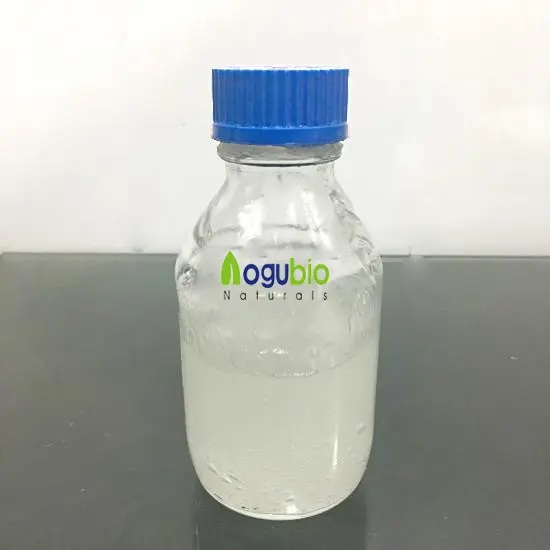
Appearance: Clear to pale yellow viscous liquid
Active Matter: 27–30% or 68–70% (depending on grade)
1. Product Overview
Ammonium Lauryl Ether Sulfate (ALES) is a high‑performance anionic surfactant widely used in personal care and cleansing formulations. It is produced by ethoxylation of fatty alcohols followed by sulfation and neutralization with ammonium. Its structure provides an excellent balance of foam richness, mildness, and detergency, making it a preferred ingredient in modern cosmetic formulations.
2. Key Functional Properties
✔ High and stable foam
Produces rich, creamy, and persistent foam even in the presence of oils or hard water.
✔ Mildness compared to traditional sulfates
The ether bond (EO group) reduces irritation potential, making ALES milder than SLS and SLES.
✔ Excellent solubility
Dissolves quickly in water, enabling fast and efficient production processes.
✔ Easy viscosity control
Thickens readily with salt (NaCl), allowing flexible formulation design.
✔ Good cleansing and emulsifying power
Effectively removes dirt, sebum, and impurities without excessive stripping.
✔ High biodegradability
Environmentally friendly and compliant with modern sustainability expectations.
3. Applications
Personal Care
-
Shampoos (regular, anti‑dandruff, 2‑in‑1)
-
Shower gels and body washes
-
Facial cleansers
-
Baby shampoos and mild cleansing products
-
Hand wash liquids
-
Foaming cleansers and mousse formulations
Home & Industrial Care
-
Light‑duty cleaners
-
Car wash shampoos
-
Industrial foaming agents
-
Surfactant blends for detergent bases
4. Compatibility
ALES is compatible with:
-
Amphoteric surfactants (e.g., Cocamidopropyl Betaine) → boosts foam & viscosity
-
Nonionic surfactants → improves mildness
-
Anionic surfactants (SLES, LABSA) → synergistic cleaning power
-
Conditioning agents (cationic polymers) → stable in optimized systems
5. Technical Characteristics
| Parameter | Typical Value |
|---|---|
| Appearance | Clear to pale yellow liquid |
| Odor | Mild characteristic |
| Active Matter | 27–30% or 68–70% |
| pH (10% sol.) | 6.0 – 8.0 |
| Solubility | Completely soluble in water |
| Viscosity | Grade‑dependent |
| Biodegradability | High |
6. Advantages
-
Rich, luxurious foam
-
Lower irritation vs. SLES
-
Easy to process and formulate
-
Excellent rinseability
-
Good color and fragrance stability
-
Suitable for low‑pH formulations
-
Cost‑effective performance surfactant
7. Limitations
-
Contains sulfate (not suitable for sulfate‑free claims)
-
May gel at low temperatures (especially 70% active grade)
-
Performance decreases in high‑pH systems
-
Requires proper preservation in final formulations
8. Storage & Handling
-
Store in a cool, dry place
-
Protect from freezing (may cause gel formation)
-
Heat gently if gelled (40–45°C)
-
Use stainless steel or plastic containers
9. Summary (Short Version for Product Page)
Ammonium Lauryl Ether Sulfate (ALES) is a mild, high‑foaming, biodegradable anionic surfactant ideal for shampoos, body washes, facial cleansers, and baby care formulations. It offers excellent solubility, easy viscosity control, and strong cleansing performance while maintaining a lower irritation profile compared to traditional sulfates.
ALES – Other Names / Synonyms (English)
1) Chemical & INCI Names
-
Ammonium Lauryl Ether Sulfate
-
Ammonium Laureth Sulfate
-
Ammonium Alkyl Ether Sulfate
-
Ammonium Alcohol Ether Sulfate
-
Ammonium Polyoxyethylene Lauryl Ether Sulfate
-
Ammonium Laureth‑n Sulfate (n = number of EO units)
2) Abbreviations
-
ALES
-
AES (Ammonium Ether Sulfate)
-
ALES‑2 / ALES‑3 (based on EO content)
-
ALS‑EO (used by some suppliers)
3) Trade / Commercial Names
(Names vary depending on supplier)
-
Ammonium Laureth Sulfate 30%
-
Ammonium Laureth Sulfate 70%
-
ALES 30 / ALES 70
-
Ammonium Ether Sulfate Solution
-
Ammonium Lauryl Polyoxyethylene Sulfate
4) CAS & EC Number Variants
-
CAS 32612‑48‑9 (most common)
-
CAS 2235‑54‑3 (alternative registration)
-
EC 71892‑96‑1
5) Not to Be Confused With
These are different chemicals, often mistaken for ALES:
-
SLES (Sodium Lauryl Ether Sulfate) → sodium salt
-
ALS (Ammonium Lauryl Sulfate) → no ether (EO) group
-
SLS (Sodium Lauryl Sulfate) → harsher, non‑ethoxylated
ALES = ammonium salt + ethoxylated structure, giving a milder profile.
Short Version (for product page)
Synonyms: Ammonium Lauryl Ether Sulfate, Ammonium Laureth Sulfate, ALES, AES, Ammonium Alkyl Ether Sulfate, Ammonium Polyoxyethylene Lauryl Ether Sulfate, CAS 32612‑48‑9.
CAS NO. : 32612-48-9
EC No. : 71892-96-1
Ammonium Lauril Ether Sulfate (ALES) is an anionic surface active substance which is widely used as a component in the production of fine personal care and cosmetic products. Most importantly, it exhibits stable foam with abundant viscosity properties. The product is particularly suitable for liquid shampoos, low pH skin cleansing agents and is recommended for baby products thanks to low irration properties.
Ammonium Lauril Ether Sulfate (ALES) is very valuable due to biobosunuria. These features allow the product to be used in industrial foaming agents.
Ammonium Laureth Sulfate is classified as follows:
Cleaning
Foaming
Surfactant
CAS number 32612-48-9 / 67762-19-0
Cosing Ref No: 74404
Chem / IUPAC Name: Dodecan-1-Ol, Etoxilized, Sulfates, Ammonium Salts, 1-4 MOL EO (Average Molar Ratio)
Why is it used in cosmetic and personal care products? Most of the components function as surface active ingredients and are used as cleaning agents. Helps mix the water with oil and dirt, cleansing the skin and hair so that it can be rinse. Others - especially magnesium coke sulfate, sodium cosdian sulfate, sodium myreth sulfate, sodium trideseth sulfate and zinc koset sulfate - also exhibits emulsifiable properties. It is reported that sodium strip sulfate acts as a skin care substance.
Ammonium laureth sulfate. It has the ability to foam even in hard water and even in the presence of a large number of dirt. It has excellent decontamination, hard water and high biological disintegration. With its rich and thin foam, it gives the hair a feeling of softness and comfort. It is widely used in liquid detergent, high quality shampoo, gel and weak acid shampoo and foam bath.
Ammonium Laureth Sulfate is an ammonium salt of ethoxylable sulfate, a surface active substance containing PEG (polyethylene glycol) in its structure. ALES is classified as an alkyl sulfate and is mainly anionic surfing that is anionic in shampoos and body washing as foaming. 1,4-Dioksan, such as potentially toxic manufacturing may be contaminated with impurities.
Key Information:
It is especially harmful to children - if you are exposed to ALES, young eyes may not develop properly because proteins are solved. Animals exposed to ALES may experience eye damage, depression, difficult breathing, diarrhea and serious skin irritation.
Ammonium laureth sulfate is added to the products as foaming and detergent. Ammonium laureth sulfate is used in many shampoo, toothpaste and skin cleaner. Ammonium Laureth sulfate can cause mid -to -mid -skin and eye irritation. It may also be contaminated with 1.4-dioxane suspected of being carcinogenic. The severity of the ALES concentration in a product increases directly. When combined with other chemicals, ALES can form nitrosamines, a strong carcinogenic class. ALES may also cause skin layers to be separed, exacerbated and aging, damaging the skin's immune system.
Is ammonium lauril ether sulfate (ALES) dangerous in skin care?
You usually find this on all the lists that need to be avoided, but what did he do there to deserve a point there? Is it as dangerous as people claim, or do people get fuss about anything again?
What is an ammonium lauril ether sulfate (ALES)? Scientific definition: Ammonium Lauril Ether Sulfate (ALES) is an ammonium salt of sulfated ETOXILIZED Lauril alcohol.
Simple English: A cleaning agent obtained from coconut walnuts. The species used in skin care and hair care products are almost always synthetic in the laboratory.
Mostly cleaners, shower gels, shampoos and so on. You will find in cleaning products such as.
Note: Ammonium Lauril Ether Sulfate (ALES) is a large molecule, so it cannot penetrate the skin.
What does ammonium lauril ether sulfate (ALES) do in skin care and hair care products? Ammonium Lauril Ether Sulfate (ALES) is a cleaning agent.