We unleash your business potential by maximize the business innovation.
Send EmailMaltodextrin, Corn Starch Hydrolysate, Glucose Polymer, Dextrose Equivalent (DE), E1400, 9050-36-6
MALTODEXTRIN (E1400)
PRODUCT IDENTIFICATION INFORMATION
| Parameter | Information |
|---|---|
| Product Name | Maltodextrin |
| Chemical Name | Maltodextrin |
| Synonyms (Turkish) | Maltodekstrin, Malto Dekstrin, Mısır Nişastası Hidrolizatı |
| Synonyms (English) | Maltodextrin, Corn Starch Hydrolysate, Glucose Polymer, Dextrose Equivalent (DE) |
| E Number | E1400 |
| CAS Number | 9050-36-6 |
| Molecular Formula | C₁₂H₂₂O₁₁ (repeating unit) |
| Molecular Weight | 342.29 g/mol (repeating unit) |
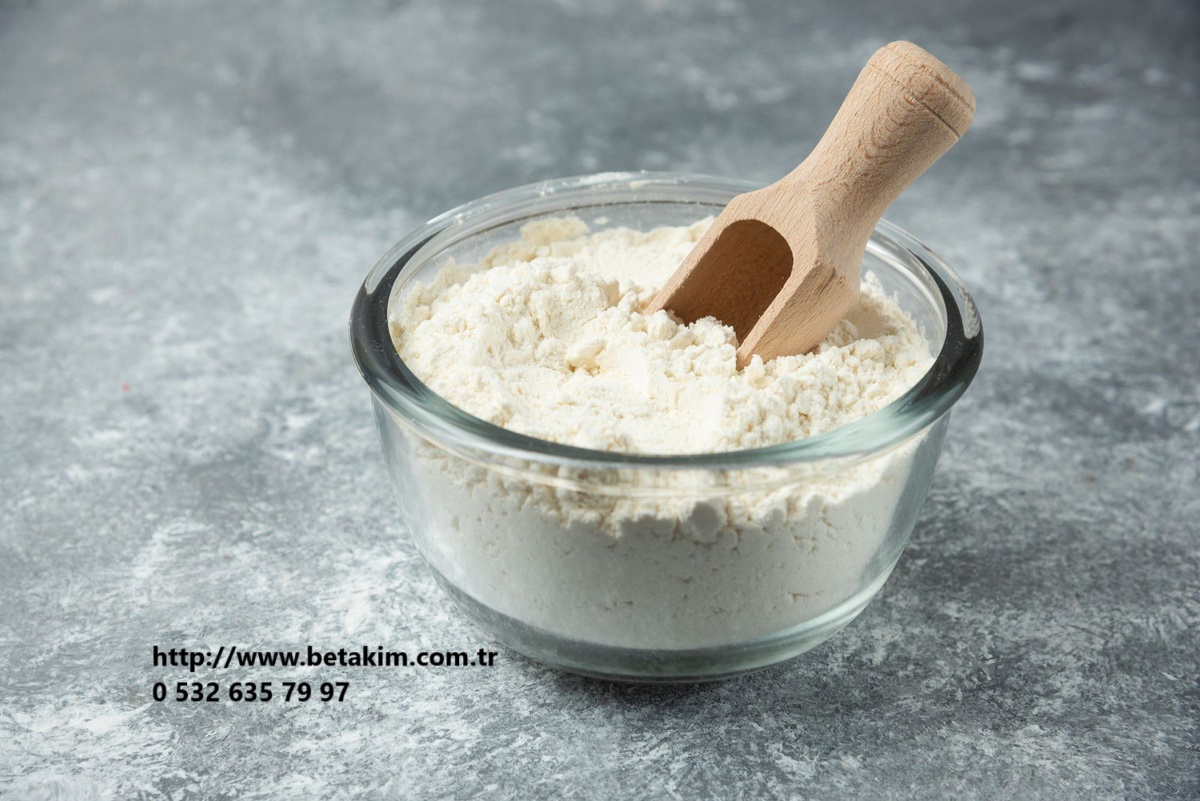
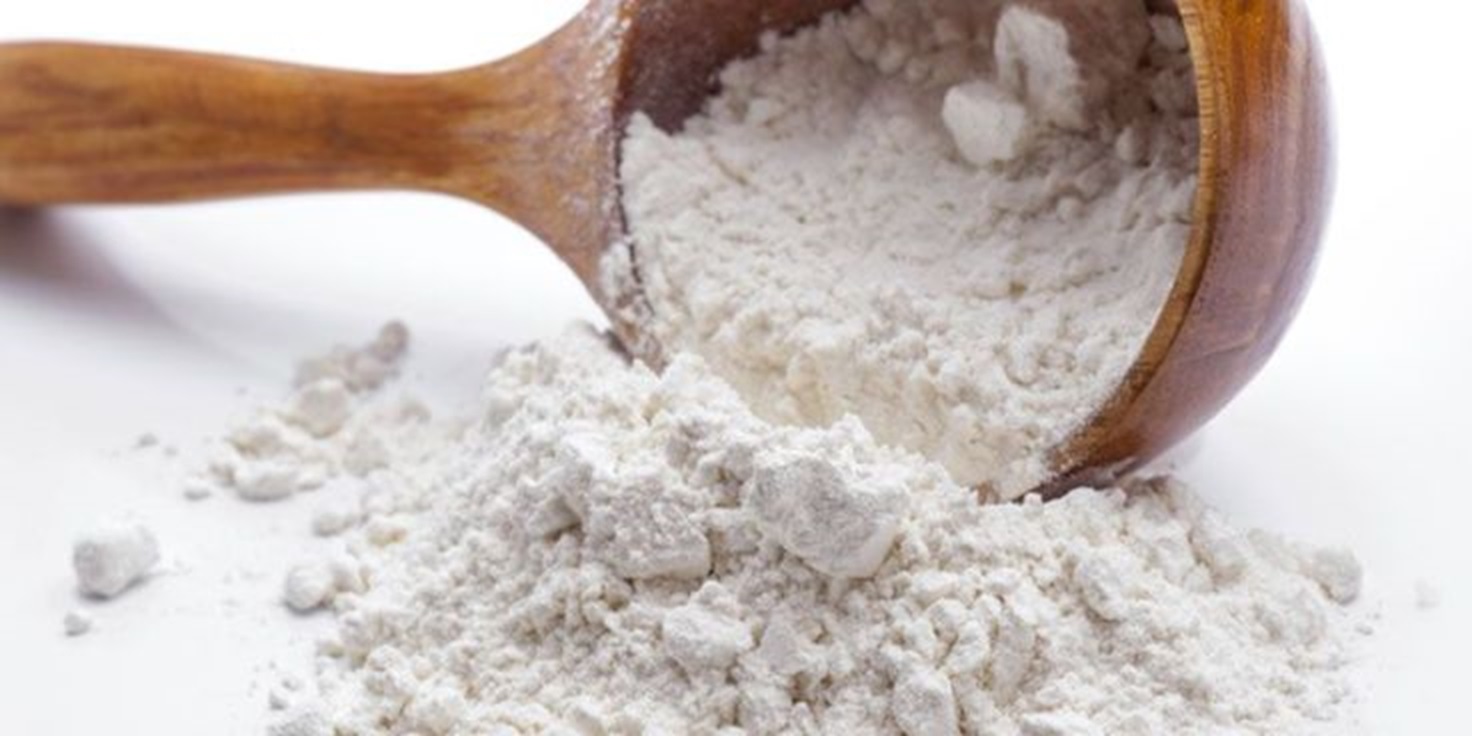
| Appearance | White to off-white powder or granules |
| Odor | Odorless |
| Taste | Slightly sweet, neutral |
CHEMICAL STRUCTURE
Maltodextrin
—(Glucose units)ₙ— (α-1,4 and α-1,6 linkages)
Structure: Complex polysaccharide obtained by controlled hydrolysis of starch (corn, wheat, potato, rice, or tapioca); Composed of D-glucose units linked primarily by α-1,4 glycosidic bonds with some α-1,6 branching; Degree of polymerization varies; Characterized by Dextrose Equivalent (DE) value (typically 3-20).
SECTION 1: CHEMICAL IDENTITY AND DESCRIPTION
| Parameter | Information |
|---|---|
| Product Name | Maltodextrin |
| Chemical Name | Maltodextrin |
| Synonyms (Turkish) | Maltodekstrin, Malto Dekstrin, Mısır Nişastası Hidrolizatı |
| Synonyms (English) | Maltodextrin, Corn Starch Hydrolysate, Glucose Polymer, Dextrose Equivalent (DE) |
| E Number | E1400 |
| CAS Number | 9050-36-6 |
| Molecular Formula | C₁₂H₂₂O₁₁ (repeating unit) |
| Molecular Weight | 342.29 g/mol (repeating unit) |
| Chemical Class | Polysaccharide; Carbohydrate; Starch hydrolysate |
| Source | Corn (maize), wheat, potato, rice, tapioca starch |
| Physical State (20°C) | Solid (powder or granules) |
| Odor | Odorless |
| Color | White to off-white |
| Taste | Slightly sweet, neutral |
| Energy Value | 4 kcal/g |
SECTION 2: PHYSICAL AND CHEMICAL PROPERTIES
| Property | Value | Test Method / Note |
|---|---|---|
| Appearance | White to off-white powder or granules | Visual |
| Odor | Odorless | Olfactometric |
| Molecular Weight | Variable (depends on DE value) | – |
| Melting Point | ~240°C (decomposes) | DSC |
| Density (bulk) | 0.4 – 0.7 g/cm³ | ASTM D1895 |
| pH (10% Solution) | 4.0 – 7.0 | pH Meter |
| Solubility in Water (20°C) | 0.1 g/mL (highly soluble) | General Method |
| Solubility in Ethanol | Insoluble | General Method |
| Dextrose Equivalent (DE) | 3 – 20 (varies by grade) | – |
| Moisture Content | ≤ 6% | Gravimetric (105°C) |
| Ash Content | ≤ 0.5% | Gravimetric (800°C) |
| Reducing Sugars | Variable (DE dependent) | – |
| Protein Content | ≤ 0.1% (corn source) | Kjeldahl |
| Sulfur Dioxide | ≤ 10 ppm | – |
| Heavy Metals (as Pb) | ≤ 10 ppm | AAS / ICP |
| Arsenic (As) | ≤ 1 ppm | AAS / ICP |
| Lead (Pb) | ≤ 1 ppm | AAS / ICP |
| Energy | 4 kcal/g | – |
| Glycemic Index | 85-105 (high) | – |
SECTION 3: MALTODEXTRIN GRADES (DE VALUES)
| Grade | DE Value | Characteristics | Applications |
|---|---|---|---|
| Low DE | 3 – 10 | Less sweet; Higher molecular weight; Low hygroscopicity | Infant formula, sports nutrition (slow energy release), spray drying |
| Medium DE | 10 – 17 | Balanced sweetness and viscosity; Good solubility | Food thickeners, beverages, confectionery, pharmaceutical tablets |
| High DE | 17 – 20 | More sweet; Lower molecular weight; Higher solubility | Sports drinks, energy products, rapid energy release, coffee creamers |
| Very High DE | >20 | Closer to glucose; Very sweet; Very high solubility | Specialized applications (medical nutrition, glucose replacement) |
SECTION 4: CHEMICAL PROPERTIES AND REACTIVITY
| Parameter | Information |
|---|---|
| Chemical Character | Polysaccharide; Starch hydrolysate; Reducing sugar (limited); Hydrophilic polymer |
| Stability | Stable under normal conditions; Hygroscopic; May caramelize at high temperatures |
| Reactivity | Undergoes Maillard reaction with proteins (browning); Hydrolyzes to glucose in acidic conditions; Fermentable by yeast; Non-reactive with most ingredients |
| Incompatible Materials | Strong oxidizing agents, strong acids (hydrolysis), high temperatures (caramelization) |
| Polymerization | Does not polymerize |
| Degradation Products (Heating) | Caramelization products, furfural, hydroxymethylfurfural (HMF) |
| Hydrolysis | Complete hydrolysis yields D-glucose (dextrose) |
| Maillard Reaction | Reacts with amino acids/proteins at elevated temperatures (browning, flavor development) |
| Hygroscopicity | Moderate to high (DE dependent – higher DE = more hygroscopic) |
| Solubility | Rapidly soluble in cold and hot water; Forms clear solutions |
SECTION 5: PRODUCTION METHOD
Process: Starch (Corn/Wheat/Potato/Rice) → Slurry → Enzymatic Hydrolysis → Purification → Concentration → Spray Drying → Maltodextrin Powder
Description: Starch is mixed with water to form a slurry; Enzymes (α-amylase, amyloglucosidase) are added to hydrolyze starch to desired DE value; Hydrolysis is stopped by heating (enzyme inactivation); Solution is purified (filtration, decolorization); Concentrated and spray-dried to powder form; DE value controlled by hydrolysis time and enzyme concentration.
SECTION 6: FUNCTIONAL PROPERTIES AND MECHANISM OF ACTION
| Property | Description |
|---|---|
| Energy Source | Rapidly digestible carbohydrate; Provides 4 kcal/g; Quickly absorbed into bloodstream; Used in sports nutrition and clinical nutrition |
| Bulking Agent | Provides bulk without significant sweetness; Used as filler in tablets, capsules, and powders; Inexpensive carbohydrate source |
| Thickener / Binder | Increases viscosity in solution; Binds particles together; Used in tablet formulations, dry mixes, and liquid preparations |
| Carrier / Encapsulating Agent | Carries flavors, colors, and active ingredients; Protects sensitive compounds; Used for spray-drying flavors and oils |
| Humectant / Moisture Retainer | Absorbs and retains moisture; Prevents drying in foods; Extends shelf life |
| Crystal Growth Inhibitor | Prevents ice crystal formation in frozen desserts; Controls sugar crystallization in confectionery |
| Film Former | Forms films upon drying; Used in coatings and edible films |
| Osmotic Agent | Controls osmotic pressure; Used in rehydration solutions; Electrolyte balance |
| Sugar Substitute (Low Sweetness) | Provides carbohydrate calories with low sweetness; Used as sugar replacement in diabetic foods (low glycemic response alternatives) |
SECTION 7: MAIN APPLICATION AREAS
| Industry / Application | Function | Typical Use |
|---|---|---|
| Food & Beverage | Thickener, bulking agent, carrier | Soups, sauces, dressings; Bakery products; Beverages, sports drinks; Confectionery; Desserts; Coffee creamers; Baby food |
| Pharmaceutical | Binder, filler, carrier | Tablet formulations (binder, filler); Capsule fillers; Syrups; Suspensions; Dry powder inhalation products |
| Sports Nutrition | Rapid energy source | Sports drinks, gels, powders; Post-workout recovery; Carbohydrate loading; Energy bars |
| Infant Formula | Carbohydrate source | Baby foods; Infant formulas; Pediatric nutrition |
| Nutraceuticals | Carrier, bulking agent | Dietary supplements; Functional foods; Protein powders; Vitamin formulations |
| Cosmetics | Thickener, humectant, film former | Skin care products; Toothpaste; Hair care products; Lotions, creams, powders |
| Confectionery | Crystal inhibitor, binder | Chewing gum; Candies; Caramels; Marshmallows; Gummies |
| Technical Applications | Carrier, binder | Textile sizing; Paper coatings; Adhesives; Paints; Ceramics |
| Animal Feed | Energy source, binder | Pellet binder; Feed additive carrier; Young animal nutrition |
| Detergents | Carrier, bulking agent | Powder detergent formulation; Dishwasher tablets; Fragrance carriers |
SECTION 8: SAMPLE FORMULATIONS
Sports Drink (1 L):
| Component | Amount |
|---|---|
| Maltodextrin (DE 17-20) | 50 – 80 g |
| Fructose | 10 – 20 g |
| Electrolytes | As required |
| Flavor | As required |
| Water | To 1 L |
Instructions: Dissolve maltodextrin and other ingredients in water; Mix well; Serve cold.
Tablet Formulation (1000 tablets):
| Component | Amount |
|---|---|
| Active Ingredient | Variable |
| Maltodextrin (DE 10-17) | 30 – 60% |
| Other Excipients | As required |
Instructions: Mix maltodextrin with active ingredient and other excipients; Granulate; Compress tablets.
Beverage Powder (Instant Mix):
| Component | Amount |
|---|---|
| Maltodextrin (DE 12-17) | 70 – 85% |
| Flavor / Color | As required |
| Acidulant | As required |
| Sweetener | As required |
SECTION 9: USAGE INSTRUCTIONS
General Dosing Guide:
| Application | Dosage (%) | DE Grade |
|---|---|---|
| Sports Drinks | 5 – 8% (50-80 g/L) | 17-20 |
| Infant Formula | 5 – 15% | 10-17 |
| Tablets | 30 – 60% | 10-17 |
| Soups & Sauces | 1 – 5% | 10-17 |
| Confectionery | 5 – 20% | 3-17 |
| Bakery | 2 – 5% | 10-17 |
| Baby Food | 5 – 15% | 10-17 |
Instructions:
-
Dissolution: Maltodextrin dissolves readily in cold and hot water; Stir until clear solution is obtained.
-
Concentration: Solutions up to 50% can be prepared; Higher concentrations may become viscous.
-
pH: Stable at pH 3-7; May hydrolyze at very low pH with heat.
-
Temperature: Stable at standard processing temperatures; May caramelize at >160°C.
SECTION 10: QUALITY SPECIFICATIONS
| Parameter | Food Grade | Pharmaceutical Grade | USP/NF Grade | Test Method |
|---|---|---|---|---|
| Appearance | White to off-white powder | White to off-white powder | White to off-white powder | Visual |
| DE Value | 3 – 20 (grade dependent) | 10 – 17 (typical) | 10 – 17 (typical) | Titrimetric |
| Moisture Content | ≤ 6% | ≤ 5% | ≤ 5% | Gravimetric |
| pH (10% Solution) | 4.0 – 7.0 | 4.0 – 6.5 | 4.0 – 6.5 | pH Meter |
| Ash Content | ≤ 0.5% | ≤ 0.3% | ≤ 0.3% | Gravimetric |
| Heavy Metals (as Pb) | ≤ 10 ppm | ≤ 5 ppm | ≤ 5 ppm | AAS / ICP |
| Arsenic (As) | ≤ 1 ppm | ≤ 1 ppm | ≤ 1 ppm | AAS / ICP |
| Lead (Pb) | ≤ 1 ppm | ≤ 0.5 ppm | ≤ 0.5 ppm | AAS / ICP |
| Protein | ≤ 0.1% | ≤ 0.1% | ≤ 0.1% | Kjeldahl |
| Sulfur Dioxide | ≤ 10 ppm | ≤ 10 ppm | ≤ 10 ppm | – |
| Particle Size | Customer requirement | Customer requirement | Customer requirement | Sieve / Laser |
| Microbial Count | ≤ 1,000 CFU/g | ≤ 500 CFU/g | ≤ 500 CFU/g | Microbiological |
SECTION 11: TOXICOLOGICAL PROFILE
| Parameter | Value |
|---|---|
| Acute Oral Toxicity (LD50, Rat) | > 10,000 mg/kg (practically non-toxic) |
| Acute Dermal Toxicity | Non-irritating |
| Skin Irritation | Non-irritating |
| Eye Irritation | May cause mechanical irritation (powder) |
| Chronic Toxicity | Non-toxic; FDA GRAS status; Food additive E1400 |
| Carcinogenicity | Not classified as carcinogenic |
| Mutagenicity | Not mutagenic |
| Reproductive Toxicity | No reproductive toxicity |
| Allergenicity | May contain gluten (depending on source); Corn-derived is gluten-free |
| Target Organs | None (non-toxic) |
| Special Toxicity Note | Non-toxic; FDA GRAS; Safe for human consumption; High glycemic index – may spike blood sugar; Diabetics should monitor intake; Safe for food and pharmaceutical use; No known carcinogenic effects |
SECTION 12: GHS CLASSIFICATION AND LABELING
GHS Classification (in accordance with CLP and UN GHS):
| Hazard Class | Category | H-Statement |
|---|---|---|
| Not classified as hazardous | – | – |
SIGNAL WORD: NONE (not classified as hazardous)
Hazard Pictograms: NONE
Hazard Statements (H-Codes): Not classified as hazardous under GHS regulations.
NFPA 704 Hazard Classification:
| Health | Flammability | Reactivity | Special |
|---|---|---|---|
| 1 | 1 | 0 | - |
| (Slight health hazard – dust) | (Combustible – dust may form explosive mixture) | (Stable) | (None) |
SECTION 13: PRECAUTIONARY STATEMENTS (P-CODES)
| Code | Statement |
|---|---|
| P261 | Avoid breathing dust/fume/gas/mist/vapors/spray |
| P264 | Wash hands thoroughly after handling |
| P271 | Use only outdoors or in a well-ventilated area |
| P280 | Wear protective gloves/protective clothing/eye protection/face protection |
| P302+P352 | IF ON SKIN: Wash with plenty of soap and water |
| P304+P340 | IF INHALED: Remove person to fresh air and keep comfortable for breathing |
| P305+P351+P338 | IF IN EYES: Rinse cautiously with water for several minutes. Remove contact lenses if present and continue rinsing |
| P312 | Call a POISON CENTER/doctor if you feel unwell |
| P332+P313 | If skin irritation occurs: Get medical advice/attention |
| P337+P313 | If eye irritation persists: Get medical advice/attention |
| P362+P364 | Take off contaminated clothing and wash it before reuse |
| P403+P233 | Store in a well-ventilated place. Keep container tightly closed |
| P501 | Dispose of contents/container in accordance with local/regional/national/international regulations |
SECTION 14: FIRST AID MEASURES
| Exposure Route | Action to Take |
|---|---|
| Inhalation | Remove to fresh air immediately. If respiratory irritation develops (dust inhalation), seek medical attention. |
| Skin Contact | Wash with plenty of soap and water. If irritation persists, get medical attention. |
| Eye Contact | Rinse immediately with plenty of water for at least 15 minutes. Keep eyelids open. Remove contact lenses if present. If irritation persists, seek medical attention. |
| Ingestion | Rinse mouth. Drink plenty of water. Generally non-toxic. If large quantities are ingested and symptoms occur, seek medical attention. |
SECTION 15: FIREFIGHTING MEASURES
| Parameter | Information |
|---|---|
| Fire Hazard | Combustible organic material. Dust cloud may form explosive mixture with air (if finely dispersed). |
| Hazards Arising from Fire | Thermal decomposition produces carbon monoxide, carbon dioxide, and water. |
| Suitable Extinguishing Media | Water spray, CO₂, dry chemical powder, foam. |
| Unsuitable Extinguishing Media | Water jet (may spread dust) |
| Special Protective Equipment | Self-contained breathing apparatus (SCBA), full protective clothing (for surrounding fire). |
| Special Precautions | Prevent dust from entering sewers and waterways. Avoid dust cloud formation. |
SECTION 16: STORAGE AND SHELF LIFE
| Parameter | Information |
|---|---|
| Storage Conditions | Store in a cool, dry, well-ventilated area; PROTECT FROM MOISTURE and high humidity; Keep away from direct sunlight and high temperatures. |
| Container Requirements | Tightly closed, moisture-proof containers (plastic bags, fiber drums, paper bags with PE liner). |
| Materials to Protect From | Moisture, high humidity, strong oxidizing agents, direct heat sources |
| Shelf Life | 24 – 36 months (in unopened original packaging, under proper storage conditions). |
| Stability Note | Hygroscopic – absorbs moisture; May cake if exposed to high humidity; Keep container tightly closed after opening; Protect from excessive humidity; Higher DE grades are more hygroscopic |
| Special Storage Requirements | Store in a dry, well-ventilated warehouse; Avoid exposure to rain, sun, and moisture; Opened containers must be resealed immediately. |
SECTION 17: PACKAGING OPTIONS
| Packaging Type | Quantity | Material |
|---|---|---|
| Multi-layer Paper Bag | 10 kg, 20 kg, 25 kg | PE-lined kraft paper bag (moisture-proof) |
| Plastic Bag | 5 kg, 10 kg, 25 kg | PE bag (inner-lined, sealed, moisture-proof) |
| Fiber Drum | 20 kg, 25 kg | PE-lined fiberboard drum |
| Plastic Drum | 25 kg, 50 kg | HDPE / Polypropylene (moisture-proof) |
| FIBC / Big Bag | 500 kg, 1000 kg | PE-lined, moisture-resistant PP woven bag |
| Small Pack | 1 kg, 5 kg | Foil-lined plastic bags (laboratory/sample) |
SECTION 18: TRANSPORT INFORMATION
| Parameter | Information |
|---|---|
| UN Number | Not regulated (non-hazardous) |
| Hazard Class | Not applicable |
| Packing Group | Not applicable |
| ADR/RID | Not regulated |
| IMDG Code | Not regulated (non-hazardous) |
| IATA (Air) | Not regulated (non-hazardous) |
| Marine Pollutant | No |
| Transport Temperature | Ambient temperature; Protect from moisture. |
SECTION 19: REGULATORY STATUS
| Region / Authority | Status |
|---|---|
| European Union | Food additive E1400 approved by EFSA; Pharmaceutical excipient; Not classified as hazardous |
| USA (TSCA) | Listed (TSCA Inventory) |
| USA (FDA) | GRAS (Generally Recognized as Safe) – 21 CFR 184.1444; Food additive; Pharmaceutical excipient |
| Turkey | Food additive E1400; Subject to KKDIK regulation; Pharmaceutical excipient |
| IARC | Not classified (non-toxic, non-carcinogenic) |
| NTP | Not listed |
| OSHA | Not regulated as toxic or carcinogenic substance |
| California (Prop 65) | Not listed |
| USP/NF | Listed as pharmaceutical excipient |
| FCC (Food Chemicals Codex) | Listed |
| Halal | Yes (with Halal certification) |
| Kosher | Yes (with Kosher certification) |
| Vegan | Yes |
| Gluten-free | Depends on source (corn/tapioca = gluten-free; wheat = contains gluten) |
SECTION 20: OTHER NAMES AND SYNONYMS
| Type | Name |
|---|---|
| Turkish Names | Maltodekstrin, Malto Dekstrin, Mısır Nişastası Hidrolizatı |
| English Names | Maltodextrin, Corn Starch Hydrolysate, Glucose Polymer, Dextrose Equivalent (DE) |
| Chemical Names | Starch hydrolysate; Glucose syrup solids; Saccharide polymer |
| E Number | E1400 |
| CAS Number | 9050-36-6 |
| HS Code | 1702.90 |
| Synonyms | Maltodextrin powder, DE 10, DE 17, DE 20, Starch hydrolysate, Glucose polymer |
SECTION 21: SUMMARY TABLE
| Parameter | Value |
|---|---|
| Product | Maltodextrin (E1400) |
| CAS Number | 9050-36-6 |
| Molecular Formula | C₁₂H₂₂O₁₁ (repeating unit) |
| Molecular Weight | 342.29 g/mol (repeating unit) |
| Appearance | White to off-white powder or granules |
| DE Value | 3 – 20 (grade dependent) |
| Solubility | Highly soluble in water |
| pH (10% Solution) | 4.0 – 7.0 |
| Primary Function | Energy source, bulking agent, thickener, binder, carrier |
| Main Application Areas | Food & beverage, pharmaceutical, sports nutrition, infant formula, cosmetics, confectionery, technical applications |
| Shelf Life | 24 – 36 months |
| GHS Signal Word | NONE (not classified as hazardous) |
| UN Number | Not regulated |
| Special Properties | Rapidly digestible carbohydrate; High glycemic index; Hygroscopic; Neutral taste; FDA GRAS; E1400 approved |
SECTION 22: CRITICAL WARNINGS AND BEST PRACTICES
CRITICAL WARNINGS:
-
Not classified as hazardous under GHS. Non-toxic, non-carcinogenic. FDA GRAS status.
-
Hygroscopic – absorbs moisture from air. Store in tightly closed, moisture-proof containers.
-
Dust may cause mechanical irritation to eyes, skin, and respiratory system. Use appropriate dust control measures.
-
Combustible (organic material). Keep away from open flames and high heat. Dust cloud may form explosive mixture.
-
High glycemic index (85-105) – may cause rapid blood sugar spikes; Diabetics should monitor intake.
-
May contain gluten – depending on source (corn/tapioca = gluten-free; wheat = contains gluten).
-
Hygroscopic nature – higher DE grades are more hygroscopic; May cake if exposed to high humidity.
-
Heat sensitive – may caramelize at high temperatures; Avoid overheating.
-
Safe for human consumption – widely used in food, pharmaceutical, and sports nutrition products.
-
Not a common allergen – but check source (corn, wheat, potato, rice, tapioca).
BEST PRACTICE RECOMMENDATIONS:
Food & Beverage: Use as thickener, bulking agent, and carrier; Dosage 1-20% depending on application; Dissolves readily in cold and hot water; Provides neutral taste and rapid energy; Used in soups, sauces, beverages, confectionery, and bakery.
Pharmaceutical: Use as binder, filler, and carrier; Tablet formulations: 30-60%; Capsule fillers; Syrups and suspensions; Dry powder inhalation products; DE 10-17 grade recommended; Ensure pharmaceutical grade quality.
Sports Nutrition: Use as rapid energy source; Sports drinks: 50-80 g/L (5-8%); DE 17-20 recommended; Post-workout recovery; Carbohydrate loading; Mix with electrolytes for optimal hydration.
Infant Formula: Use as carbohydrate source; Dosage 5-15%; DE 10-17 recommended; Ensure food grade quality; Follow regulatory requirements for baby food.
Confectionery: Use as crystal inhibitor and binder; Dosage 5-20%; Prevents sugar crystallization; Improves texture; Used in candies, caramels, marshmallows, and gummies.
Cosmetics: Use as thickener, humectant, and film former; Dosage 1-5%; Skin care products, toothpaste, hair care; Provides smooth texture and moisture retention.
Handling: Use in well-ventilated areas; Avoid dust formation; Use dust masks (N95/FFP2) when handling powder; Use gloves and safety goggles.
Personal Protective Equipment: Dust mask (N95/FFP2 or higher), safety goggles, protective gloves (nitrile, neoprene). Not required for solution handling.
Hygiene: Wash hands thoroughly after handling; Do not eat, drink, or smoke while using.
Storage: Store in tightly closed, moisture-proof containers; Store in a cool, dry, well-ventilated area; Protect from moisture, rain, sunlight, and high humidity; Opened packages should be resealed immediately; Shelf life: 24-36 months under proper conditions.
Spill Management: Sweep or vacuum (HEPA) and place in suitable sealed container; Avoid dust formation; Do not allow entry into drains or waterways.
Disposal: Dispose of in accordance with local, regional, and national regulations; Non-hazardous waste; Biodegradable; Can be disposed of in compliance with regulations.
DE VALUE SELECTION GUIDE:
| DE Value | Sweetness | Hygroscopicity | Viscosity | Solubility | Recommended Application |
|---|---|---|---|---|---|
| 3-10 | Low | Low | High | Moderate | Infant formula, spray drying, encapsulation |
| 10-17 | Moderate | Moderate | Medium | High | Food thickeners, tablets, beverages, dry mixes |
| 17-20 | Higher | High | Low | Very High | Sports drinks, energy products, rapid absorption |
| >20 | High | Very High | Very Low | Excellent | Medical nutrition, glucose replacement |
MALTODEXTRIN vs OTHER CARBOHYDRATES COMPARISON:
| Property | Maltodextrin | Dextrose (Glucose) | Sucrose (Sugar) | Fructose |
|---|---|---|---|---|
| Type | Polysaccharide | Monosaccharide | Disaccharide | Monosaccharide |
| DE Value | 3-20 | 100 | N/A | N/A |
| Sweetness | Low | 70-75% | 100% | 120-170% |
| Glycemic Index | 85-105 | 100 | 65 | 23 |
| Absorption | Moderate-fast | Fast | Moderate | Slow |
| Hygroscopicity | Moderate | Moderate | Low | High |
| Energy (kcal/g) | 4 | 4 | 4 | 4 |
| Cost | Low | Medium | Low | Medium |
GLUTEN-FREE SOURCE INFORMATION:
| Source | Gluten Content | Halal | Kosher | Vegan |
|---|---|---|---|---|
| Corn (Maize) | Gluten-free | Yes | Yes | Yes |
| Tapioca | Gluten-free | Yes | Yes | Yes |
| Potato | Gluten-free | Yes | Yes | Yes |
| Rice | Gluten-free | Yes | Yes | Yes |
| Wheat | Contains gluten | Yes | Yes | Yes |
LEGAL DISCLAIMER:
The information provided in this document is based on our current knowledge and experience and is presented in good faith. However, as all conditions of use are beyond our control, it does not constitute a binding specification or warranty. This Technical Data Sheet is for informational purposes only. Users are responsible for testing the suitability for their own applications. For complete safety, storage, use, handling, waste, and regulatory compliance information, please refer to the official Safety Data Sheet (SDS/MSDS) provided by the manufacturer/supplier.