We unleash your business potential by maximize the business innovation.
Send EmailDextrose, Dextrose Monohydrate, D-Glucose Monohydrate, Glucose Monohydrate, Pentahydroxyhexanal Hydrate, 5996-10-1
DEXTROSE MONOHYDRATE (D-GLUCOSE MONOHYDRATE)
PRODUCT IDENTIFICATION INFORMATION
| Parameter | Information |
|---|---|
| Product Name | Dextrose Monohydrate |
| Chemical Name (IUPAC) | D-Glucose Monohydrate |
| Synonyms (Turkish) | Dekstroz Monohidrat, D-Glikoz Monohidrat, Glikoz Monohidrat, Pentahidroksiheksanal Hidrat |
| Synonyms (English) | Dextrose Monohydrate, D-Glucose Monohydrate, Glucose Monohydrate, Pentahydroxyhexanal Hydrate |
| CAS Number | 5996-10-1 |
| EC Number (EINECS) | 200-075-1 |
| Molecular Formula | C₆H₁₄O₇ |
| Molecular Weight | 198.17 g/mol |
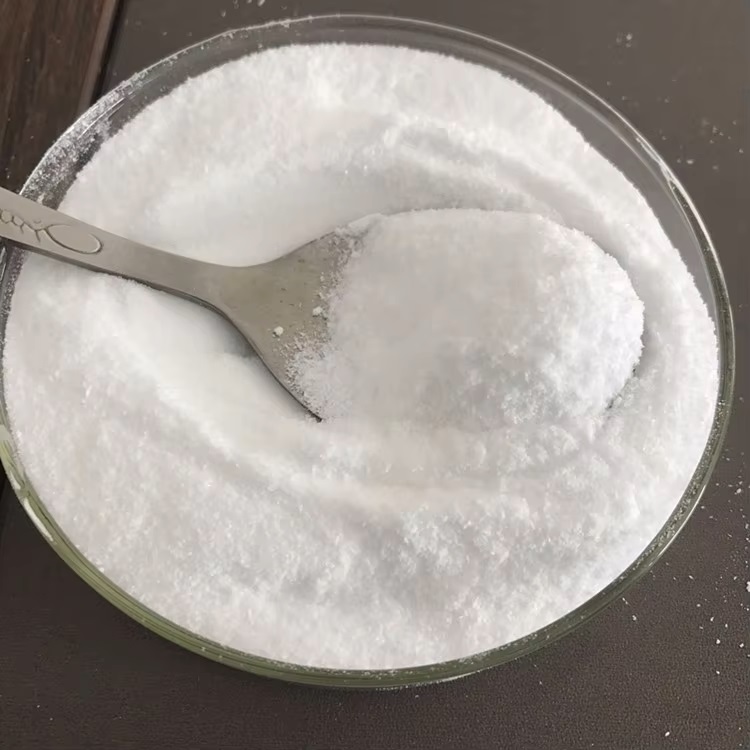
| Appearance | White, crystalline powder or colorless crystals |
| Odor | Odorless |
CHEMICAL STRUCTURE
Dextrose Monohydrate (D-Glucose Monohydrate)
CHO
|
H—C—OH
|
HO—C—H
|
H—C—OH
|
H—C—OH
|
CH₂OH
Molecular Formula: C₆H₁₄O₇
SMILES: C(C1C(C(C(C(O1)O)O)O)O)O.O
InChI: InChI=1S/C6H12O6.H2O/c7-1-2-3(8)4(9)5(10)6(11)12-2;/h2-11H,1H2;1H2/t2-,3-,4+,5-,6?;/m1./s1
InChIKey: SPFMQWBKAUJJVU-DVKNGEFBSA-N
Structure: Monosaccharide; Aldohexose; D-glucose containing one molecule of water of crystallization (monohydrate); Primary energy source for living organisms; Naturally occurring carbohydrate.
SECTION 1: CHEMICAL IDENTITY AND DESCRIPTION
| Parameter | Information |
|---|---|
| Product Name | Dextrose Monohydrate |
| Chemical Name (IUPAC) | D-Glucose Monohydrate |
| Synonyms (Turkish) | Dekstroz Monohidrat, D-Glikoz Monohidrat, Glikoz Monohidrat, Pentahidroksiheksanal Hidrat |
| Synonyms (English) | Dextrose Monohydrate, D-Glucose Monohydrate, Glucose Monohydrate, Pentahydroxyhexanal Hydrate |
| CAS Number | 5996-10-1 |
| EC Number (EINECS) | 200-075-1 |
| Molecular Formula | C₆H₁₄O₇ |
| Molecular Weight | 198.17 g/mol |
| Chemical Class | Monosaccharide; Carbohydrate; Aldohexose |
| Source | Corn starch (hydrolysis) |
| Physical State (20°C) | Solid (crystalline powder or granules) |
| Odor | Odorless |
| Color | White |
| Taste | Sweet (approximately 70-75% of sucrose sweetness) |
SECTION 2: PHYSICAL AND CHEMICAL PROPERTIES
| Property | Value | Test Method / Note |
|---|---|---|
| Appearance | White, crystalline powder or colorless crystals | Visual |
| Odor | Odorless | Olfactometric |
| Molecular Weight | 198.17 g/mol | Calculated |
| Density (20°C) | 1.54 g/cm³ | ASTM D4052 |
| Melting Point | 83°C (dehydrates) | DSC |
| Specific Rotation | +52.5° to +53.0° | Polarimetry |
| pH (5% Solution) | 5.0 – 6.5 (typically ~5.9) | pH Meter |
| Solubility in Water (20°C) | 1 g / 1.1 mL water (very soluble) | General Method |
| Solubility in Ethanol | Slightly soluble | General Method |
| Solubility in Methanol | Slightly soluble | General Method |
| Refractive Index (20°C) | 1.537 | – |
| Sweetness | ~70-75% of sucrose | – |
| Water Content | 7.5 – 9.5% | Karl Fischer |
| Assay (Dextrose) | ≥ 99.5% (dry basis) | Titrimetric |
| Dextrose Equivalent (DE) | ≥ 99.5% | – |
| Sulfated Ash | ≤ 0.1% | Gravimetric (800°C) |
| Heavy Metals (as Pb) | ≤ 10 ppm | AAS / ICP |
| Arsenic (As) | ≤ 1 ppm | AAS / ICP |
| Lead (Pb) | ≤ 1 ppm | AAS / ICP |
| Chloride (Cl) | ≤ 0.01% | Titrimetric |
| Sulfate (SO₄) | ≤ 0.01% | Turbidimetric |
SECTION 3: DEXTROSE vs SUCROSE vs FRUCTOSE COMPARISON
| Property | Dextrose (Glucose) | Sucrose (Sugar) | Fructose |
|---|---|---|---|
| Type | Monosaccharide | Disaccharide | Monosaccharide |
| Sweetness | 70-75% | 100% | 120-170% |
| Glycemic Index | 100 | 65 | 23 |
| Metabolism | Direct cellular energy | Requires digestion | Liver metabolism |
| Crystallization | Easily crystallizes | Crystallizes | Does not crystallize |
| Hygroscopicity | Moderate | Low | High |
| Primary Use | Energy source, food, pharma | Sweetener | Sweetener, beverages |
SECTION 4: CHEMICAL PROPERTIES AND REACTIVITY
| Parameter | Information |
|---|---|
| Chemical Character | Reducing sugar; Monosaccharide; Aldohexose; Primary energy source for metabolism |
| Stability | Stable under normal conditions; Hygroscopic; May caramelize upon heating |
| Reactivity | Reduces Fehling's and Benedict's solutions; Forms Schiff bases with amines; Undergoes fermentation by yeast; Caramelizes at high temperatures |
| Incompatible Materials | Strong oxidizing agents (may cause combustion), strong acids (dehydration), strong bases |
| Polymerization | Does not polymerize (monomer) |
| Degradation Products (Heating) | Caramelization products, furfural, hydroxymethylfurfural (HMF) |
| Fermentation | C₆H₁₂O₆ → 2C₂H₅OH + 2CO₂ (by yeast) |
| Oxidation | C₆H₁₂O₆ + O₂ → CO₂ + H₂O (energy release) |
| Glycosylation | Reacts with proteins (Maillard reaction) |
| Mutarotation | Exists in α- and β- forms in solution |
| Reducing Property | Reduces cupric ions to cuprous ions; Positive reaction with Fehling's solution |
SECTION 5: PRODUCTION METHOD
Process: Corn (Maize) → Steeping → Milling → Separation → Hydrolysis → Filtration → Purification → Crystallization → Drying → Dextrose Monohydrate
Description: Corn kernels are steeped and milled to separate starch; Starch is hydrolyzed (with acid or enzymes) to glucose; Glucose solution is purified, filtered, and concentrated; Crystallized to form dextrose monohydrate; Dried to final product. Most common industrial method.
Alternative Sources: Potato starch, wheat starch, tapioca starch; Not commonly used.
SECTION 6: FUNCTIONAL PROPERTIES AND MECHANISM OF ACTION
| Property | Description |
|---|---|
| Primary Energy Source | Directly absorbed into bloodstream; Rapidly metabolized by cells; Provides immediate energy; Critical for brain function and muscle activity |
| Metabolic Fuel | Enters glycolysis pathway; Produces ATP (cellular energy); Used in cellular respiration; Essential for all living organisms |
| Glycosylation | Participates in glycosylation reactions; Forms glycans for cell structure; Essential for protein and lipid modification |
| Osmotic Agent | Controls osmotic pressure; Used in pharmaceutical formulations; Maintains fluid balance |
| Flavor Enhancer | Provides sweet taste; Used in foods and beverages; Enhances overall flavor profile |
| Crystallization Control | Controls crystallization in confectionery; Prevents sugar crystallization; Improves texture |
| Fermentable Sugar | Readily fermented by yeast; Used in alcohol production; Essential for baking |
| Humectant | Absorbs and retains moisture; Prevents drying in foods; Extends shelf life |
| Bulking Agent | Provides bulk to tablets and powders; Used in pharmaceutical formulations; Improves compressibility |
SECTION 7: MAIN APPLICATION AREAS
| Industry / Application | Function | Typical Use |
|---|---|---|
| Food Industry | Sweetener, humectant, bulking agent | Confectionery, baked goods, beverages, ice cream, jams, jellies, canned fruits, cereals; Flavor enhancer; Texture improver |
| Pharmaceutical Industry | Excipient, energy source | Tablet formulations (binder, filler); Intravenous solutions (IV glucose); Oral rehydration salts; Nutritional supplements; Energy drinks |
| Clinical Nutrition | Energy replenishment | IV fluids for hospitalized patients; Parenteral nutrition; Oral nutritional supplements; Post-operative recovery |
| Sports Nutrition | Energy source, carbohydrate loading | Sports drinks, gels, and powders; Pre- and post-workout formulations; Carbohydrate loading products |
| Beverage Industry | Sweetener, energy source | Energy drinks, soft drinks, sports drinks; Juice drinks; Fermented beverages |
| Confectionery | Sweetener, crystallization control | Candies, chocolates, caramels; Chewing gums; Marshmallows; Fondants |
| Infant Formula | Carbohydrate source | Baby foods; Infant formulas; Pediatric nutrition |
| Nutraceuticals | Carbohydrate source, sweetener | Dietary supplements; Functional foods; Protein bars |
| Animal Feed | Energy source | Semi-moist pet foods; Livestock feed; Aquafeed; Young animal nutrition |
| Fermentation Industry | Fermentable substrate | Alcohol production (ethanol, beer, wine); Baker's yeast production; Enzymatic processes |
| Cosmetics | Humectant, moisturizer | Skin care products; Hair care products; Toothpaste |
SECTION 8: SAMPLE FORMULATIONS
Oral Rehydration Solution (ORS) - 1 L:
| Component | Amount |
|---|---|
| Dextrose Monohydrate | 13.5 g |
| Sodium Chloride | 2.6 g |
| Potassium Chloride | 1.5 g |
| Trisodium Citrate | 2.9 g |
| Water | To 1 L |
Instructions: Dissolve all ingredients in purified water; Used for rehydration (diarrhea, dehydration).
Sports Drink (Energy) - 1 L:
| Component | Amount |
|---|---|
| Dextrose Monohydrate | 30 – 60 g |
| Sodium Citrate | 1 – 2 g |
| Potassium Chloride | 0.5 – 1 g |
| Flavor | As required |
| Water | To 1 L |
Tablet Formulation (API - 1000 tablets):
| Component | Amount |
|---|---|
| Dextrose Monohydrate | 50 – 80% |
| Active Pharmaceutical Ingredient | Variable |
| Binder, Lubricant | As required |
SECTION 9: USAGE INSTRUCTIONS
General Dosing Guide:
| Application | Dosage | Form |
|---|---|---|
| Oral Rehydration | 10 – 20 g/L | Powder |
| Sports Drinks | 30 – 60 g/L | Powder |
| IV Solutions | 5 – 50% (w/v) | Sterile solution |
| Tablets | 50 – 80% | Powder |
| Food Products | 1 – 20% | Powder/Granules |
Instructions:
-
Dissolution: Dextrose dissolves readily in water; Use warm water for faster dissolution; Do not exceed 60°C to prevent caramelization.
-
Storage: Store in a cool, dry place; Protect from moisture (hygroscopic).
-
Concentration: For energy drinks, 30-60 g/L is typical.
-
pH: Stable at pH 5-6.5; May caramelize at low pH with heat.
SECTION 10: QUALITY SPECIFICATIONS
| Parameter | Food Grade | Pharmaceutical Grade | USP/NF Grade | Test Method |
|---|---|---|---|---|
| Appearance | White crystalline powder | White crystalline powder | White crystalline powder | Visual |
| Assay (Dextrose, dry basis) | ≥ 99.5% | ≥ 99.5% | ≥ 99.5% | Titrimetric |
| Water Content | 7.5 – 9.5% | 7.5 – 9.5% | 7.5 – 9.5% | Karl Fischer |
| Specific Rotation | +52.5° to +53.0° | +52.5° to +53.0° | +52.5° to +53.0° | Polarimetry |
| pH (5% Solution) | 5.0 – 6.5 | 5.0 – 6.5 | 5.0 – 6.5 | pH Meter |
| Sulfated Ash | ≤ 0.1% | ≤ 0.1% | ≤ 0.1% | Gravimetric |
| Chloride (Cl) | ≤ 0.01% | ≤ 0.01% | ≤ 0.01% | Titrimetric |
| Sulfate (SO₄) | ≤ 0.01% | ≤ 0.01% | ≤ 0.01% | Turbidimetric |
| Heavy Metals (as Pb) | ≤ 10 ppm | ≤ 5 ppm | ≤ 5 ppm | AAS / ICP |
| Arsenic (As) | ≤ 1 ppm | ≤ 1 ppm | ≤ 1 ppm | AAS / ICP |
| Lead (Pb) | ≤ 1 ppm | ≤ 0.5 ppm | ≤ 0.5 ppm | AAS / ICP |
| Protein | ≤ 0.01% | ≤ 0.01% | ≤ 0.01% | – |
| Sulfur Dioxide (SO₂) | ≤ 10 ppm | ≤ 10 ppm | ≤ 10 ppm | – |
| Part. Size | Customer requirement | Customer requirement | Customer requirement | Sieve / Laser |
SECTION 11: TOXICOLOGICAL PROFILE
| Parameter | Value |
|---|---|
| Acute Oral Toxicity (LD50, Rat) | > 10,000 mg/kg (practically non-toxic) |
| Acute Dermal Toxicity | Non-irritating |
| Skin Irritation | Non-irritating |
| Eye Irritation | May cause mechanical irritation (powder) |
| Chronic Toxicity | Non-toxic; FDA GRAS status |
| Carcinogenicity | Not classified as carcinogenic |
| Mutagenicity | Not mutagenic |
| Reproductive Toxicity | No reproductive toxicity |
| Allergenicity | Not a common allergen |
| Target Organs | None (non-toxic) |
| Special Toxicity Note | Non-toxic; FDA GRAS; Safe for human consumption; High glycemic index (100) – may spike blood sugar; Diabetics should monitor intake; Safe for food and pharmaceutical use; No known carcinogenic effects |
SECTION 12: GHS CLASSIFICATION AND LABELING
GHS Classification (in accordance with CLP and UN GHS):
| Hazard Class | Category | H-Statement |
|---|---|---|
| Not classified as hazardous | – | – |
SIGNAL WORD: NONE (not classified as hazardous)
Hazard Pictograms: NONE
Hazard Statements (H-Codes): Not classified as hazardous under GHS regulations.
NFPA 704 Hazard Classification:
| Health | Flammability | Reactivity | Special |
|---|---|---|---|
| 1 | 1 | 0 | - |
| (Slight health hazard – dust) | (Combustible – dust may form explosive mixture) | (Stable) | (None) |
SECTION 13: PRECAUTIONARY STATEMENTS (P-CODES)
| Code | Statement |
|---|---|
| P261 | Avoid breathing dust/fume/gas/mist/vapors/spray |
| P264 | Wash hands thoroughly after handling |
| P271 | Use only outdoors or in a well-ventilated area |
| P280 | Wear protective gloves/protective clothing/eye protection/face protection |
| P302+P352 | IF ON SKIN: Wash with plenty of soap and water |
| P304+P340 | IF INHALED: Remove person to fresh air and keep comfortable for breathing |
| P305+P351+P338 | IF IN EYES: Rinse cautiously with water for several minutes. Remove contact lenses if present and continue rinsing |
| P312 | Call a POISON CENTER/doctor if you feel unwell |
| P332+P313 | If skin irritation occurs: Get medical advice/attention |
| P337+P313 | If eye irritation persists: Get medical advice/attention |
| P362+P364 | Take off contaminated clothing and wash it before reuse |
| P403+P233 | Store in a well-ventilated place. Keep container tightly closed |
| P501 | Dispose of contents/container in accordance with local/regional/national/international regulations |
SECTION 14: FIRST AID MEASURES
| Exposure Route | Action to Take |
|---|---|
| Inhalation | Remove to fresh air immediately. If respiratory irritation develops (dust inhalation), seek medical attention. |
| Skin Contact | Wash with plenty of soap and water. If irritation persists, get medical attention. |
| Eye Contact | Rinse immediately with plenty of water for at least 15 minutes. Keep eyelids open. Remove contact lenses if present. If irritation persists, seek medical attention. |
| Ingestion | Rinse mouth. Drink plenty of water. Generally non-toxic. If large quantities are ingested and symptoms occur, seek medical attention. |
SECTION 15: FIREFIGHTING MEASURES
| Parameter | Information |
|---|---|
| Fire Hazard | Combustible organic material. Dust cloud may form explosive mixture with air (if finely dispersed). |
| Hazards Arising from Fire | Thermal decomposition produces carbon monoxide, carbon dioxide, and water. |
| Suitable Extinguishing Media | Water spray, CO₂, dry chemical powder, foam. |
| Unsuitable Extinguishing Media | Water jet (may spread dust) |
| Special Protective Equipment | Self-contained breathing apparatus (SCBA), full protective clothing (for surrounding fire). |
| Special Precautions | Prevent dust from entering sewers and waterways. Avoid dust cloud formation. |
SECTION 16: STORAGE AND SHELF LIFE
| Parameter | Information |
|---|---|
| Storage Conditions | Store in a cool, dry, well-ventilated area; PROTECT FROM MOISTURE and high humidity; Keep away from direct sunlight and high temperatures. |
| Container Requirements | Tightly closed, moisture-proof containers (plastic bags, fiber drums, paper bags with PE liner). |
| Materials to Protect From | Moisture, high humidity, strong oxidizing agents, direct heat sources |
| Shelf Life | 24 – 36 months (in unopened original packaging, under proper storage conditions). |
| Stability Note | Hygroscopic – absorbs moisture; May cake if exposed to high humidity; Keep container tightly closed after opening; Protect from excessive humidity. |
| Special Storage Requirements | Store in a dry, well-ventilated warehouse; Avoid exposure to rain, sun, and moisture; Opened containers must be resealed immediately. |
SECTION 17: PACKAGING OPTIONS
| Packaging Type | Quantity | Material |
|---|---|---|
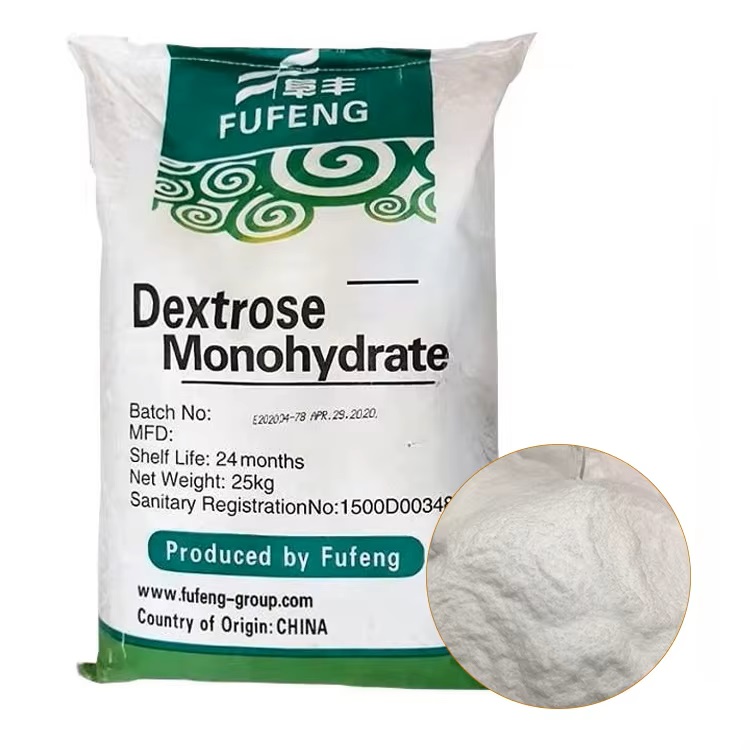
| Multi-layer Paper Bag | 10 kg, 20 kg, 25 kg | PE-lined kraft paper bag (moisture-proof) |
| Plastic Bag | 5 kg, 10 kg, 25 kg | PE bag (inner-lined, sealed, moisture-proof) |
| Fiber Drum | 20 kg, 25 kg | PE-lined fiberboard drum |
| Plastic Drum | 25 kg, 50 kg | HDPE / Polypropylene (moisture-proof) |
| FIBC / Big Bag | 500 kg, 1000 kg | PE-lined, moisture-resistant PP woven bag |
| Small Pack | 1 kg, 5 kg | Foil-lined plastic bags (laboratory/sample) |
SECTION 18: TRANSPORT INFORMATION
| Parameter | Information |
|---|---|
| UN Number | Not regulated (non-hazardous) |
| Hazard Class | Not applicable |
| Packing Group | Not applicable |
| ADR/RID | Not regulated |
| IMDG Code | Not regulated (non-hazardous) |
| IATA (Air) | Not regulated (non-hazardous) |
| Marine Pollutant | No |
| Transport Temperature | Ambient temperature; Protect from moisture. |
SECTION 19: REGULATORY STATUS
| Region / Authority | Status |
|---|---|
| European Union | Food ingredient approved; Pharmaceutical excipient; Not classified as hazardous |
| USA (TSCA) | Listed (TSCA Inventory) |
| USA (FDA) | GRAS (Generally Recognized as Safe) – 21 CFR 184.1857; Food ingredient; Pharmaceutical excipient |
| Turkey | Food ingredient; Pharmaceutical excipient; Subject to KKDIK regulation |
| IARC | Not classified (non-toxic, non-carcinogenic) |
| NTP | Not listed |
| OSHA | Not regulated as toxic or carcinogenic substance |
| California (Prop 65) | Not listed |
| USP/NF | Listed as pharmaceutical excipient |
| FCC (Food Chemicals Codex) | Listed |
| Halal | Yes |
| Kosher | Yes |
| Vegan | Yes |
SECTION 20: OTHER NAMES AND SYNONYMS
| Type | Name |
|---|---|
| Turkish Names | Dekstroz Monohidrat, D-Glikoz Monohidrat, Glikoz Monohidrat, Pentahidroksiheksanal Hidrat |
| English Names | Dextrose Monohydrate, D-Glucose Monohydrate, Glucose Monohydrate, Pentahydroxyhexanal Hydrate |
| Chemical Names | D-Glucose monohydrate; Dextrose; Corn sugar; Grape sugar |
| CAS Number | 5996-10-1 |
| Molecular Formula | C₆H₁₄O₇ |
| HS Code | 1702.30 |
| Synonyms | D-Glucose, Dextrose, D-Glucopyranose monohydrate, Dextrose USP |
SECTION 21: SUMMARY TABLE
| Parameter | Value |
|---|---|
| Product | Dextrose Monohydrate |
| CAS Number | 5996-10-1 |
| Molecular Formula | C₆H₁₄O₇ |
| Molecular Weight | 198.17 g/mol |
| Appearance | White crystalline powder or colorless crystals |
| Density | 1.54 g/cm³ |
| Melting Point | 83°C (dehydrates) |
| pH (5% Solution) | ~5.9 |
| Primary Function | Energy source, sweetener, excipient |
| Main Application Areas | Food, pharmaceutical, sports nutrition, beverages, confectionery, clinical nutrition, animal feed |
| Shelf Life | 24 – 36 months |
| GHS Signal Word | NONE (not classified as hazardous) |
| UN Number | Not regulated |
| Special Properties | Primary energy source; High glycemic index; Water-soluble; Hygroscopic; Reducing sugar; FDA GRAS |
SECTION 22: CRITICAL WARNINGS AND BEST PRACTICES
CRITICAL WARNINGS:
-
Not classified as hazardous under GHS. Non-toxic, non-carcinogenic. FDA GRAS status.
-
Hygroscopic – absorbs moisture from air. Store in tightly closed, moisture-proof containers.
-
Dust may cause mechanical irritation to eyes, skin, and respiratory system. Use appropriate dust control measures.
-
Combustible (organic material). Keep away from open flames and high heat. Dust cloud may form explosive mixture.
-
High glycemic index (100) – may cause rapid blood sugar spikes; Diabetics should monitor intake.
-
Hygroscopic nature – may cake if exposed to high humidity; Keep container tightly closed.
-
Heat sensitive – may caramelize at high temperatures; Avoid overheating.
-
Safe for human consumption – widely used in food and pharmaceutical products.
-
Not a common allergen – safe for most individuals.
BEST PRACTICE RECOMMENDATIONS:
Food Industry: Use as sweetener and humectant; Dosage 1-20%; Dissolves readily in water; Provides quick energy; Used in confectionery, baked goods, beverages, and ice cream; Prevents sugar crystallization.
Pharmaceutical Industry: Use as excipient (binder, filler, sweetener); Tablet formulations: 50-80%; IV solutions: 5-50%; Oral rehydration salts; Energy replenishment; Dissolve in purified water; Sterile filtration for IV use.
Sports Nutrition: Use as rapid energy source; Dosage 30-60 g/L in sports drinks; Pre- and post-workout; Carbohydrate loading; Mix with electrolytes for optimal hydration.
Clinical Nutrition: Use for energy replenishment; Oral nutritional supplements; IV fluids for hospitalized patients; Parenteral nutrition; Post-operative recovery.
Confectionery: Use as sweetener and crystallization control; Prevents sugar crystallization; Improves texture; Used in candies, chocolates, caramels, marshmallows, fondants.
Beverage Industry: Use as sweetener and energy source; Dosage 1-20%; Energy drinks, soft drinks, sports drinks; Juice drinks; Fermented beverages.
Animal Feed: Use as energy source; Dosage 2-5%; Semi-moist pet foods; Livestock feed; Aquafeed; Young animal nutrition.
Handling: Use in well-ventilated areas; Avoid dust formation; Use dust masks (N95/FFP2) when handling powder; Use gloves and safety goggles.
Personal Protective Equipment: Dust mask (N95/FFP2 or higher), safety goggles, protective gloves (nitrile, neoprene). Not required for solution handling.
Hygiene: Wash hands thoroughly after handling; Do not eat, drink, or smoke while using.
Storage: Store in tightly closed, moisture-proof containers; Store in a cool, dry, well-ventilated area; Protect from moisture, rain, sunlight, and high humidity; Opened packages should be resealed immediately; Shelf life: 24-36 months under proper conditions.
Spill Management: Sweep or vacuum (HEPA) and place in suitable sealed container; Avoid dust formation; Do not allow entry into drains or waterways.
Disposal: Dispose of in accordance with local, regional, and national regulations; Non-hazardous waste; Biodegradable; Can be disposed of in compliance with regulations.
MEDICAL AND CLINICAL APPLICATIONS - SPECIAL NOTE:
Dextrose monohydrate is critical in clinical nutrition:
-
IV Solutions: 5% dextrose (D5W) for hydration; 10%, 25%, 50% for energy supplementation; Used in hospitals for patients unable to eat.
-
Oral Rehydration: Essential for dehydration treatment; Electrolyte replacement; Used in ORS formulations.
-
Parenteral Nutrition: Used in total parenteral nutrition (TPN); Provides calories; Critical for long-term patients.
-
Pre-operative: Prevents hypoglycemia; Provides energy before surgery.
-
Post-operative: Supports recovery; Replenishes lost energy; Promotes healing.
REGULATORY AND QUALITY STANDARDS:
| Standard | Requirement |
|---|---|
| FDA GRAS | 21 CFR 184.1857 |
| USP-NF | Monograph: Dextrose |
| Ph.Eur. | Monograph: Dextrose monohydrate |
| JP | Monograph: Dextrose |
| FCC | Monograph: Dextrose |
| Halal | Certified (corn source) |
| Kosher | Certified |
LEGAL DISCLAIMER:
The information provided in this document is based on our current knowledge and experience and is presented in good faith. However, as all conditions of use are beyond our control, it does not constitute a binding specification or warranty. This Technical Data Sheet is for informational purposes only. Users are responsible for testing the suitability for their own applications. For complete safety, storage, use, handling, waste, and regulatory compliance information, please refer to the official Safety Data Sheet (SDS/MSDS) provided by the manufacturer/supplier.