We unleash your business potential by maximize the business innovation.
Send EmailFerrolactate, Ferrous Lactate, Iron Lactate, Ferrous Lactate Trihydrate, E585, 5905-52-2
FERROUS LACTATE (FERROUS LACTATE / IRON LACTATE / E585)
PRODUCT IDENTIFICATION INFORMATION
| Parameter | Information |
|---|---|
| Product Name | Ferrous Lactate / Ferrous Lactate |
| Other Technical Names | Iron Lactate, Ferrous Lactate Trihydrate |
| CAS Number | 5905-52-2 |
| Food Code | E585 |
| Chemical Formula | C₆H₁₀FeO₆·3H₂O (trihydrate) |
| Molecular Weight | 388.03 g/mol |
| Product Family | Iron Salt / Lactate Salt |
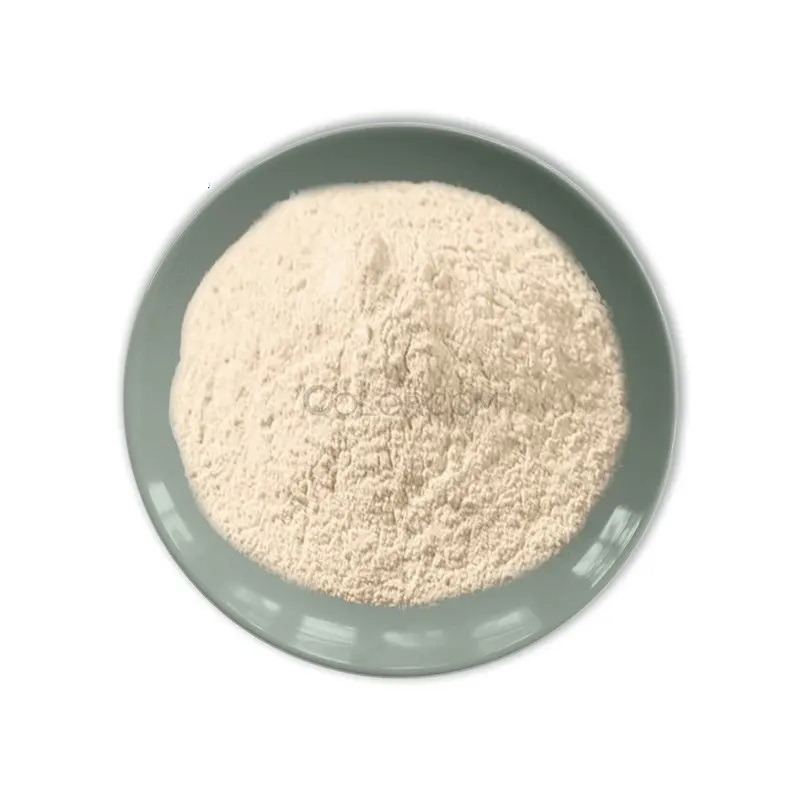
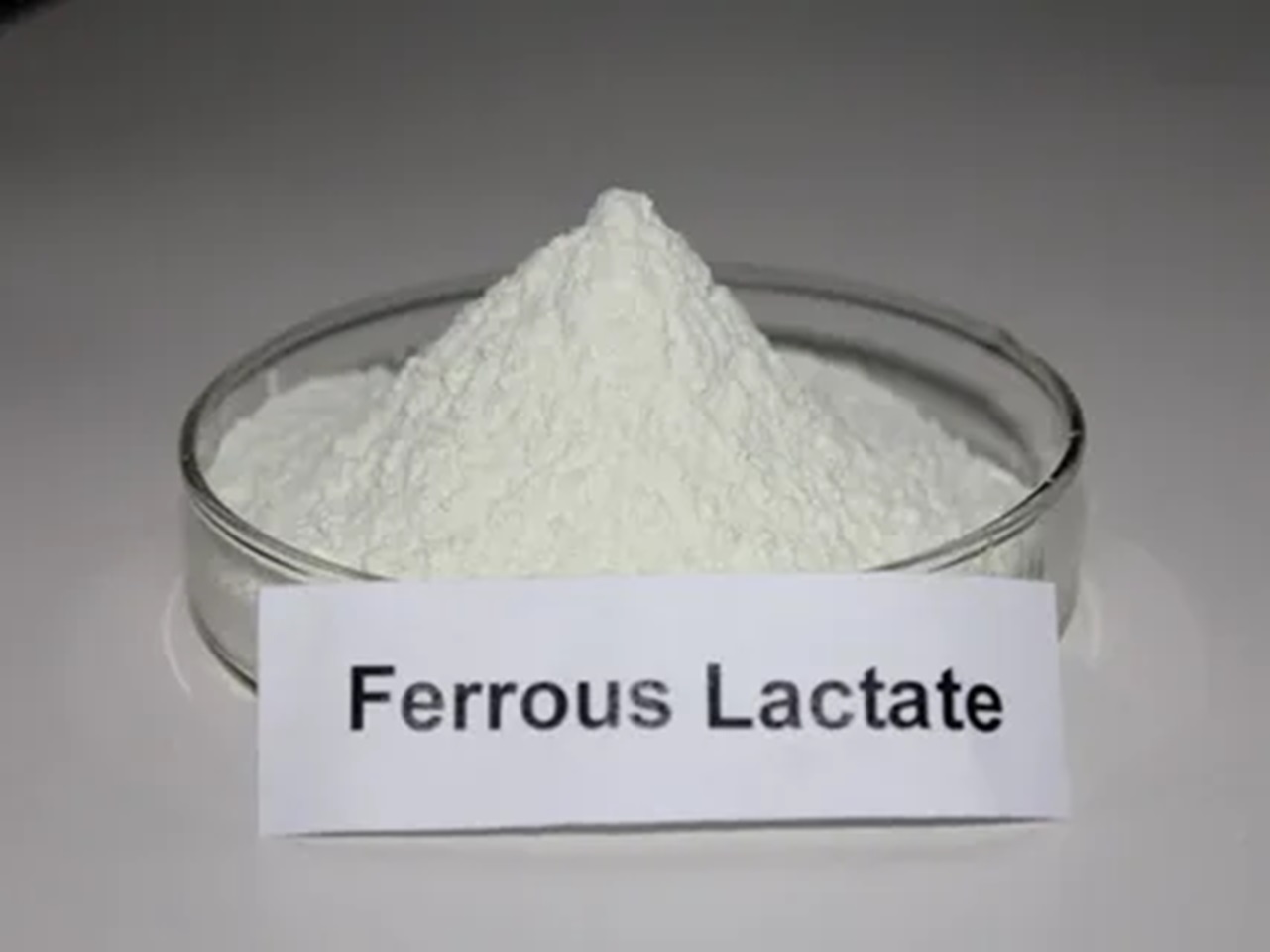
| Appearance | Powder or crystalline |
CHEMICAL STRUCTURE
    Ferrous Lactate (Ferrous Lactate Trihydrate)

    Iron Ions (Fe²⁺) and Lactate Ions (C₃H₅O₃⁻)
    in Trihydrate Form (with 3 H₂O Molecules)

              O                    O
              ||                   ||
         HO - CH - C - O⁻     HO - CH - C - O⁻
              |                    |
             CH₃                  CH₃

              O
              ||
         HO - CH - C - O⁻
              |
             CH₃

    Fe²⁺ Ions with Lactate Ions
    Surrounded by 3 Water Molecules (H₂O)
    Iron Salt
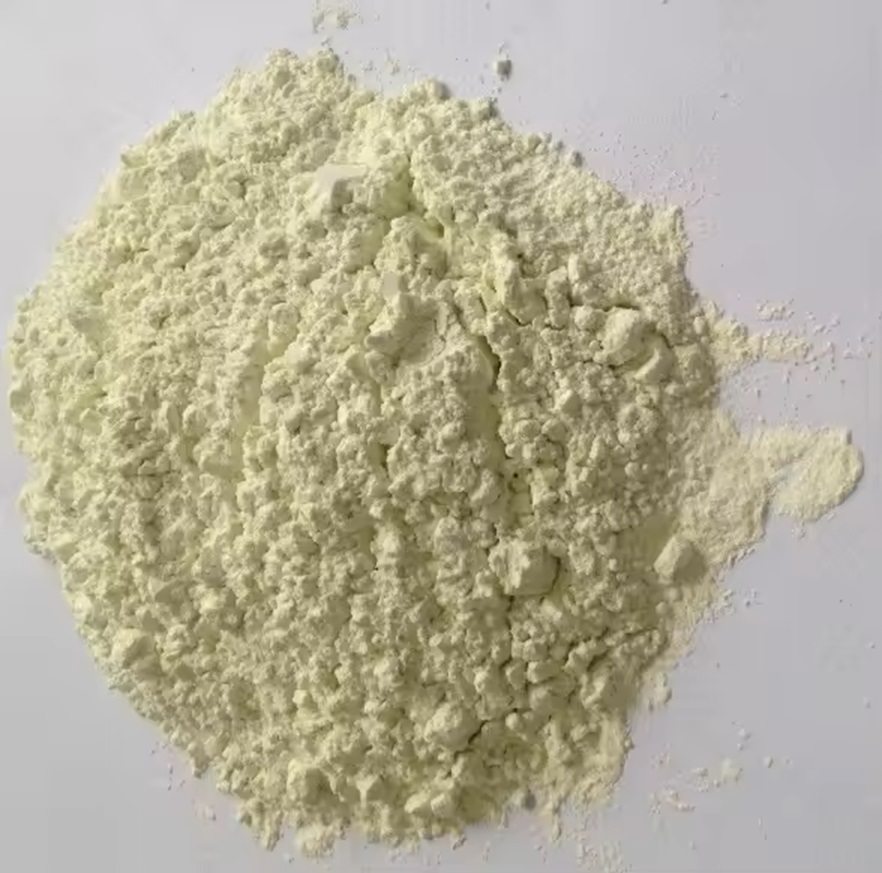
    Light Green Powder/Crystalline
    Iron Supplement and Food Additive
Molecular Formula: C₆H₁₀FeO₆·3H₂O
Ionic Structure: Fe²⁺ and C₃H₅O₃⁻ ions
Hydrate State: Trihydrate (3 water molecules)
Color: Light green
SECTION 1: CHEMICAL IDENTITY AND DEFINITION
| Parameter | Information |
|---|---|
| Product Name | Ferrous Lactate / Ferrous Lactate |
| Other Technical Names (English) | Ferrous Lactate, Iron Lactate, Ferrous Lactate Trihydrate |
| Other Technical Names (Turkish) | Ferrolaktat, Demir Laktat, Demir Takviyesi |
| Other Technical Names (German) | Eisenlactat, Ferrolactat, Eisen(II)-lactat |
| Other Technical Names (French) | Lactate de Fer, Lactate de Ferreux |
| Other Technical Names (Spanish) | Lactato de Hierro, Lactato Ferroso |
| CAS Number | 5905-52-2 |
| Food Code | E585 |
| Chemical Formula | C₆H₁₀FeO₆·3H₂O |
| Molecular Weight | 388.03 g/mol |
| Chemical Class | Iron Salt / Lactate Salt |
| Appearance | Powder or crystalline |
| Odor | Odorless |
| Color | Light green |
| Crystal Structure | Crystalline solid |
| Solubility | Soluble in water |
SECTION 2: PHYSICAL AND CHEMICAL PROPERTIES
| Property | Value | Test Method / Note |
|---|---|---|
| Appearance | Powder or crystalline | Visual |
| Chemical Formula | C₆H₁₀FeO₆·3H₂O | - |
| Molecular Weight | 388.03 g/mol | Calculated |
| Color | Light green | - |
| Odor | Odorless | - |
| Solubility | Soluble in water | - |
| Stability | Stable under normal conditions; Protect from moisture | - |
| pH | Acidic (when dissolved in water) | - |
| Hygroscopicity | Slightly hygroscopic | - |
SECTION 3: CHEMICAL PROPERTIES AND REACTIVITY
| Parameter | Information |
|---|---|
| Chemical Character | Iron salt; Lactate salt; Iron supplement; Food additive |
| Stability | Stable under normal conditions; Protect from moisture and light; Decomposes at high temperatures |
| Reactivity | Soluble in water; Reacts with oxidizing agents; Reacts with bases |
| Incompatible Materials | Strong oxidizing agents, strong bases, moisture |
| Thermal Decomposition | C₆H₁₀FeO₆·3H₂O → heat → FeO + CO₂ + H₂O (decomposes upon heating) |
| Solubility in Water | Soluble in water; Dissociates into Fe²⁺ and C₃H₅O₃⁻ ions |
| Special Property | High bioavailability; Approved as food additive; Used as iron supplement |
SECTION 4: FERROUS LACTATE GRADES
| Grade | Purity (%) | Form | Application Areas |
|---|---|---|---|
| Food Grade | ≥ 98.0% | Powder/crystalline | Infant formula, bakery products, fortified foods |
| Pharmaceutical Grade | ≥ 99.0% | Powder/crystalline | Iron deficiency treatment, pharmaceutical products |
| Technical Grade | ≥ 97.0% | Powder/crystalline | Industrial applications |
SECTION 5: FUNCTIONAL PROPERTIES AND MECHANISM OF ACTION
| Property | Explanation |
|---|---|
| Iron Supplement | Provides essential iron mineral to the body. Iron is critical for red blood cell production and oxygen transport. |
| Bioavailability | Has high bioavailability. Easily absorbed and utilized by the body. |
| Food Additive | Used for iron fortification in food products. Approved with E585 code. |
| Taste and Odor | Leaves less metallic taste compared to other iron salts. Preferred in food applications. |
| Stability | Stable in food formulations. Does not cause color or taste changes in dough products. |
SECTION 6: MAIN APPLICATION AREAS
| Industry / Application | Function | Typical Use |
|---|---|---|
| Infant Formula | Iron supplementation | Used as iron source in infant formula formulations. High bioavailability. |
| Bakery Products | Iron fortification | Used as iron source in bread, pastries and other baked goods. Stable in dough. |
| Fortified Foods | Iron supplementation | Used as iron source in tablet, capsule and powder formulations. |
| Pharmaceutical Products | Iron therapy | Used in treatment of iron deficiency anemia. |
| Dairy Products | Iron fortification | Limited use; calcium interaction may reduce absorption. |
| Beverages | Iron fortification | Limited use; solubility and taste issues may occur. |
SECTION 7: ALTERNATIVE IRON SUPPLEMENTS COMPARISON TABLE
| Alternative | Formula | Properties |
|---|---|---|
| Ferrous Sulfate | FeSO₄ | Common, inexpensive; may leave metallic taste in foods |
| Ferrous Fumarate | C₄H₂FeO₄ | High bioavailability, frequently used in supplement products |
| Ferric Pyrophosphate | Fe₄(P₂O₇)₃ | Used in infant formula, low solubility |
| Ferrous Gluconate | C₁₂H₂₂FeO₁₄ | Gentler on digestion, preferred in food supplements |
| Heme Iron Sources | – | Animal-derived, not suitable for vegetarians |
SECTION 8: NUTRITIONAL AND SAFETY INFORMATION
| Parameter | Information |
|---|---|
| ADI (Acceptable Daily Intake) | 0.8 mg/kg (body weight) |
| Side Effects | No known side effects |
| Usage Limitations | None |
| Dietary Suitability | Lactic acid and lactates can be consumed by all religious groups and vegetarians |
| Allergy Note | Despite the word "lactate" in its name, it is not produced from milk; does not cause issues for people with milk allergy or lactose intolerance |
SECTION 9: PRODUCTION INFORMATION
| Parameter | Information |
|---|---|
| Source | Iron salt of lactic acid (E270) |
| Production Process | Obtained by neutralization of lactic acid with iron compounds |
| Form | Generally in the form of ferrous lactate trihydrate (C₆H₁₀FeO₆·3H₂O), powder or crystalline |
SECTION 10: INDUSTRY SUITABILITY TABLE
| Industry / Application | Suitability | Explanation |
|---|---|---|
| Infant Formula | Yes | Approved, high bioavailability |
| Bakery Products | Yes | Stable in dough, low taste impact |
| Fortified Foods | Yes | Common in tablet/capsule formulations |
| Dairy Products | Limited | Calcium interaction may reduce absorption |
| Beverages | Limited | Solubility and taste issues may occur |
| Pharmaceutical Products | Yes | Used in iron deficiency treatment |
SECTION 11: TOXICOLOGICAL PROFILE
| Parameter | Value |
|---|---|
| Acute Oral Toxicity | Low toxicity |
| Acute Inhalation Toxicity | Dust inhalation may cause irritation |
| Skin Irritation | May cause mild irritation |
| Eye Irritation | May cause mild irritation |
| Chronic Toxicity | Safe at recommended doses; risk of iron accumulation at excessive doses |
| Carcinogenicity | Not classified as carcinogenic |
| Mutagenicity | Not classified as mutagenic |
| Target Organs | Digestive system (at high doses) |
| Special Toxicity Note | Safe at recommended daily intake levels; May cause mild skin irritation upon contact, wash with plenty of water |
SECTION 12: GHS CLASSIFICATION AND LABELING
GHS Classification (in compliance with CLP and UN GHS):
| Hazard Class | Category | H-Statement |
|---|---|---|
| Generally not classified as hazardous | - | - |
| Skin Irritation | Category 3 (optional) | H316 |
Note: Considered safe as food additive. No health risks under normal use conditions.
Signal Word: Signal word not required
Hazard Pictograms: May not be required
SECTION 13: STORAGE AND SHELF LIFE
| Parameter | Information |
|---|---|
| Storage Conditions | Cool, dry and moisture-free environment; In closed packaging |
| Container Requirements | Keep in original packaging, tightly closed |
| Materials to Protect From | Moisture, oxidizing agents, high heat |
| Shelf Life | 2-3 years (under proper storage conditions) |
| Stability Note | Stable under normal conditions; Protect from moisture |
SECTION 14: PACKAGING OPTIONS
| Packaging Type | Quantity | Material |
|---|---|---|
| Plastic Drum | 25 kg | HDPE |
| Plastic Bucket | 5-25 kg | HDPE |
| Multi-layer Bag | 25 kg | PE lined kraft |
| Carton Box | 25 kg | Cardboard |
SECTION 15: TRANSPORT INFORMATION
| Parameter | Information |
|---|---|
| UN Number | Not regulated (not dangerous) |
| Hazard Class | Not applicable |
| Packing Group | Not applicable |
| ADR/RID | Not regulated |
| IMDG Code | Not regulated |
| IATA (Air) | Not regulated |
| Marine Pollutant | No |
| Transport Temperature | Ambient temperature; Protect from moisture |
SECTION 16: OTHER NAMES AND SYNONYMS
| Type | Name |
|---|---|
| Turkish Names | Ferrolaktat, Demir Laktat, Demir Takviyesi |
| English Names | Ferrous Lactate, Iron Lactate, Ferrous Lactate Trihydrate |
| German Names | Eisenlactat, Ferrolactat, Eisen(II)-lactat |
| French Names | Lactate de Fer, Lactate de Ferreux |
| Spanish Names | Lactato de Hierro, Lactato Ferroso |
| Food Code | E585 |
| Chemical Names | Iron(II) lactate trihydrate; Ferrous lactate trihydrate |
| CAS Number | 5905-52-2 |
| Chemical Formula | C₆H₁₀FeO₆·3H₂O |
SECTION 17: SUMMARY TABLE
| Parameter | Value |
|---|---|
| Product | Ferrous Lactate / Ferrous Lactate |
| CAS Number | 5905-52-2 |
| Food Code | E585 |
| Chemical Formula | C₆H₁₀FeO₆·3H₂O |
| Molecular Weight | 388.03 g/mol |
| Appearance | Light green powder or crystalline |
| Odor | Odorless |
| Primary Function | Iron supplement, food additive |
| Main Applications | Infant formula, bakery products, fortified foods, pharmaceutical products |
| ADI | 0.8 mg/kg (body weight) |
| Shelf Life | 2-3 years |
| GHS Signal Word | Signal word not required |
| UN Number | Not regulated |
| Special Features | High bioavailability; Low metallic taste; Suitable for vegetarians |
SECTION 18: CRITICAL WARNINGS AND BEST PRACTICES
CRITICAL WARNINGS:
-
Considered safe as food additive. Approved by EFSA and FDA.
-
May cause mild skin irritation upon contact. Wash with plenty of water upon contact.
-
Slightly hygroscopic. Store in closed containers in dry environment.
-
Despite the word "lactate" in its name, it is not produced from milk. Does not cause issues for people with milk allergy or lactose intolerance.
-
Can be consumed by all religious groups and vegetarians.
-
Safe at recommended daily intake levels. Excessive doses may cause iron accumulation risk.
-
Calcium interaction may reduce absorption. Caution when used with dairy products.
-
Incompatibilities: Strong oxidizing agents, strong bases, moisture.
BEST PRACTICE RECOMMENDATIONS:
9. Infant Formula Production:
Use ferrous lactate as iron source in infant formula formulations. High bioavailability and safe.
10. Bakery Product Production:
Use for iron fortification in bread, pastries and other baked goods. Stable in dough with low taste impact.
11. Fortified Foods:
Use as iron source in tablet, capsule and powder formulations.
12. Pharmaceutical Products:
Use in treatment of iron deficiency anemia.
13. Storage:
Store in cool, dry and moisture-free environment in closed packaging.
14. Use:
Avoid dust formation; wash with plenty of water upon contact; use protective gloves and goggles.
15. Hygiene:
Wash hands after use.
RECOMMENDED STORAGE CONDITIONS:
| Parameter | Requirement |
|---|---|
| Storage Temperature | Room temperature (15-25°C) |
| Humidity | <60% relative humidity |
| Container | Closed, sealed containers |
| Location | Cool, dry, well-ventilated area |
LEGAL DISCLAIMER:
The information provided in this document is based on our current knowledge and experience and is provided in good faith; however, since all conditions of use are beyond our control, it does not constitute a binding specification or warranty. This Technical Data Sheet is for informational purposes only. Users are responsible for testing suitability for their own applications. For complete safety, storage, use, handling, disposal and regulatory compliance information, reference should be made to the official Safety Data Sheet (SDS/MSDS) provided by the manufacturer/supplier.