We unleash your business potential by maximize the business innovation.
Send EmailPotassium Bicarbonate, Potassium Hydrogen Carbonate, Potassium Acid Carbonate, E501, E501ii, 298-14-6
POTASSIUM BICARBONATE (E501ii)
PRODUCT IDENTIFICATION INFORMATION
| Parameter | Information |
|---|---|
| Product Name | Potassium Bicarbonate |
| Chemical Name (IUPAC) | Potassium; hydrogen carbonate |
| Synonyms (Turkish) | Potasyum Bikarbonat, Potasyum Hidrojen Karbonat, Asit Potasyum Karbonat |
| Synonyms (English) | Potassium Bicarbonate, Potassium Hydrogen Carbonate, Potassium Acid Carbonate |
| E Number | E501, E501ii |
| CAS Number | 298-14-6 |
| EC Number (EINECS) | 206-059-0 |
| Molecular Formula | KHCO₃ |
| Molecular Weight | 100.115 g/mol |
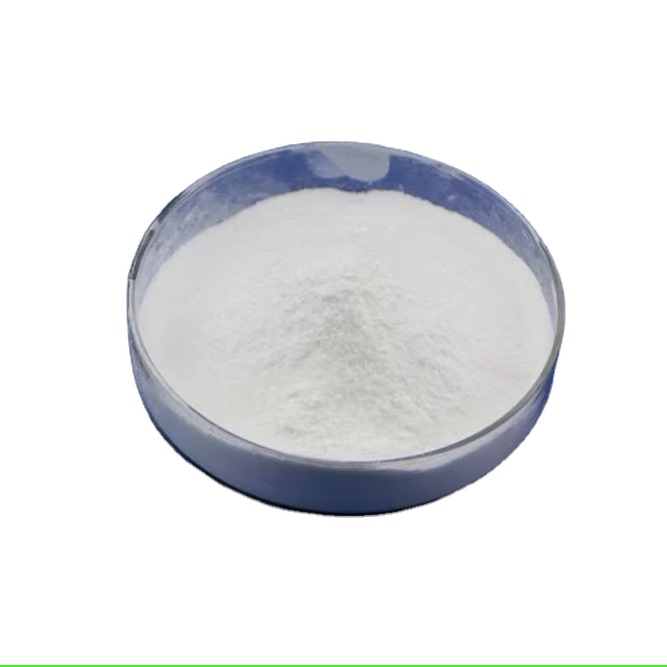
| Appearance | White, crystalline powder or granules |
| Odor | Odorless |
CHEMICAL STRUCTURE
Potassium Bicarbonate
K⁺ — O⁻ — C(=O) — O — H
Molecular Formula: KHCO₃
SMILES: [K+].OC([O-])=O
InChI: InChI=1S/CH2O3.K/c2-1(3)4;/h(H2,2,3,4);/q;+1/p-1
InChIKey: TYJJADVDDVDLTL-UHFFFAOYSA-M
Structure: Potassium salt of carbonic acid; Monopotassium salt; Weakly alkaline; Amphoteric; Reacts with acids to release CO₂.
SECTION 1: CHEMICAL IDENTITY AND DESCRIPTION
| Parameter | Information |
|---|---|
| Product Name | Potassium Bicarbonate |
| Chemical Name (IUPAC) | Potassium; hydrogen carbonate |
| Synonyms (Turkish) | Potasyum Bikarbonat, Potasyum Hidrojen Karbonat, Asit Potasyum Karbonat |
| Synonyms (English) | Potassium Bicarbonate, Potassium Hydrogen Carbonate, Potassium Acid Carbonate |
| E Number | E501, E501ii |
| CAS Number | 298-14-6 |
| EC Number (EINECS) | 206-059-0 |
| Molecular Formula | KHCO₃ |
| Molecular Weight | 100.115 g/mol |
| Chemical Class | Inorganic salt; Alkali metal bicarbonate; Weak base |
| Physical State (20°C) | Solid (crystalline powder or granules) |
| Odor | Odorless |
| Color | White |
| Taste | Slightly alkaline, salty (do not ingest) |
| pH (1% Solution) | ~8.4 (weakly alkaline) |
SECTION 2: PHYSICAL AND CHEMICAL PROPERTIES
| Property | Value | Test Method / Note |
|---|---|---|
| Appearance | White, crystalline powder or granules | Visual |
| Odor | Odorless | Olfactometric |
| Molecular Weight | 100.115 g/mol | Calculated |
| Density (20°C) | 2.17 g/cm³ | ASTM D4052 |
| Melting Point | Decomposes at ~100°C (CO₂ loss) | DSC |
| pH (1% Solution, 20°C) | ~8.4 (weakly alkaline) | pH Meter |
| Solubility in Water (20°C) | 33.7 g / 100 g water | General Method |
| Solubility in Water (Hot) | 60 g / 100 g water (at 60°C) | General Method |
| Solubility in Ethanol | Practically insoluble | General Method |
| Hygroscopicity | Low (compared to potassium carbonate) | – |
| Decomposition | Decomposes above 100°C to K₂CO₃ + CO₂ + H₂O | – |
| Heat of Solution | Slightly endothermic | – |
| Bulk Density | 0.8 – 1.2 g/cm³ (grade dependent) | – |
| K₂O Content | ~47.5% | – |
| Chloride (Cl) | ≤ 0.005% | Titrimetric |
| Sulfate (SO₄) | ≤ 0.005% | Turbidimetric |
| Iron (Fe) | ≤ 0.001% | AAS / ICP |
| Heavy Metals (as Pb) | ≤ 10 ppm | AAS / ICP |
SECTION 3: POTASSIUM BICARBONATE vs POTASSIUM CARBONATE COMPARISON
| Property | Potassium Bicarbonate (KHCO₃) | Potassium Carbonate (K₂CO₃) |
|---|---|---|
| CAS Number | 298-14-6 | 584-08-7 |
| Molecular Weight | 100.115 | 138.21 |
| pH (1% Solution) | ~8.4 (weakly alkaline) | ~11.6 (strongly alkaline) |
| Solubility in Water | 33.7 g/100g water | 111 g/100g water |
| Hygroscopicity | Low | High (deliquescent) |
| Melting/Decomposition | Decomposes at 100°C | Melts at 891°C |
| CO₂ Release | Releases CO₂ with acids | Releases CO₂ with acids |
| K₂O Content | ~47.5% | ~68% |
| Primary Use | Leavening, buffering, medicine | Glass, detergents, food alkalization |
| E Number | E501ii | E501i |
SECTION 4: CHEMICAL PROPERTIES AND REACTIVITY
| Parameter | Information |
|---|---|
| Chemical Character | Inorganic salt; Weakly alkaline; Amphoteric; Releases CO₂ with acids |
| Stability | Stable under normal conditions; Decomposes above 100°C to potassium carbonate, CO₂ and water |
| Reactivity | Reacts with acids to release CO₂ gas; Neutralizes acids as a weak base; Decomposes to carbonate and CO₂ when heated |
| Incompatible Materials | Strong acids (CO₂ release), strong oxidizing agents, high temperature (decomposition) |
| Polymerization | Does not polymerize |
| Decomposition Products (Heating) | Potassium carbonate (K₂CO₃), water (H₂O), carbon dioxide (CO₂) |
| Acid Reaction | KHCO₃ + HCl → KCl + H₂O + CO₂↑ |
| Thermal Decomposition | 2KHCO₃ → K₂CO₃ + H₂O + CO₂↑ (>100°C) |
| Hydrolysis | KHCO₃ + H₂O → K⁺ + HCO₃⁻ + OH⁻ (weakly alkaline) |
| CO₂ Absorption | (Reversible) K₂CO₃ + CO₂ + H₂O ⇌ 2KHCO₃ |
| Neutralization | Reacts with acids to form salt, water, and CO₂ |
SECTION 5: PRODUCTION METHODS
Method 1: Carbonation of Potassium Carbonate
Reaction: K₂CO₃ + CO₂ + H₂O → 2KHCO₃
Description: Potassium carbonate solution is saturated with carbon dioxide gas; Potassium bicarbonate precipitates; Crystals are filtered and dried. Most common industrial method.
Method 2: Potassium Hydroxide and Carbon Dioxide
Reaction: KOH + CO₂ → KHCO₃
Description: Potassium hydroxide solution is reacted with carbon dioxide; Potassium bicarbonate is formed; Crystallized and purified.
Method 3: Potassium Chloride and Ammonium Bicarbonate (Metathesis)
Reaction: KCl + NH₄HCO₃ → KHCO₃ + NH₄Cl
Description: Potassium chloride is reacted with ammonium bicarbonate; Potassium bicarbonate precipitates; Purified.
Method 4: Natural Sources Extraction
Process: Mineral sources → Extraction → Purification → Crystallization
Description: Extracted from natural potassium bicarbonate minerals (e.g., kalinite); Less common.
SECTION 6: FUNCTIONAL PROPERTIES AND MECHANISM OF ACTION
| Property | Description |
|---|---|
| Leavening Agent (Food) | Reacts with acidic components to release CO₂ gas; Causes dough to rise; Low-sodium alternative; Contains less sodium than sodium bicarbonate |
| Acidity Regulator | Controls pH in food products; Neutralizes acids; Provides weak alkaline effect |
| Antacid (Medicine) | Neutralizes stomach acid; Functions as potassium source; Supports electrolyte balance |
| Potassium Source | Provides essential potassium ions; Electrolyte supplementation in pharmaceutical formulations; Nutritional supplements |
| Buffering Agent | Effective buffer in pH 8-10 range; Laboratory applications; Biochemical studies |
| Fungicide (Agriculture) | Effective against fungal diseases in plants; Used in organic farming; Balances soil pH |
| Fire Extinguisher | Used in dry chemical fire extinguishers; Effective for Class B and C fires (liquid and electrical fires); Releases CO₂ upon heating to extinguish flames |
| Water Softener | Precipitates hardness-causing ions; Reacts with calcium and magnesium in water |
| Cleaning Agent | Natural cleaning agent; Odor remover; Surface cleaning; pH balancing |
SECTION 7: MAIN APPLICATION AREAS
| Industry / Application | Function | Typical Use |
|---|---|---|
| Food Industry (E501ii) | Leavening agent, acidity regulator | Bakery products (bread, cakes, biscuits); Low-sodium baking powders; Beverages; Confectionery; Acidity adjustment |
| Agriculture | Fungicide, pH regulator | Plant protection (powdery mildew, fungal diseases); Organic farming; Soil pH balancing; Foliar spray |
| Pharmaceutical Industry | Antacid, electrolyte source | Stomach acid neutralization; Potassium supplements; Oral rehydration salts; Intravenous solutions; Electrolyte balance |
| Fire Extinguishing | Dry chemical extinguishing agent | Fire extinguishers (Class B/C fires); Industrial fire systems; Kitchen fires |
| Cleaning Products | Cleaning agent, odor remover | Surface cleaning; Odor removal; Water softening; Natural cleaning products |
| Laboratory | Buffer solution, reagent | Biochemical studies; pH buffering; Analytical chemistry |
| Water Treatment | Water softening, pH adjustment | Hard water removal; pH control; Scale prevention |
| Cosmetics | pH regulator, buffer | Skin care products; pH balancing; Mild alkaline properties |
| Fertilizer | Potassium source | Potassium fertilizers; Organic farming; Plant nutrition |
SECTION 8: QUALITY SPECIFICATIONS
| Parameter | Food Grade (E501ii) | Pharmaceutical Grade | Technical Grade | Test Method |
|---|---|---|---|---|
| Appearance | White powder/granules | White powder/granules | White powder/granules | Visual |
| Assay (KHCO₃) | ≥ 99.0% | ≥ 99.5% | ≥ 98.0% | Titrimetric |
| pH (1% Solution) | 8.0 – 8.6 | 8.0 – 8.6 | 8.0 – 8.6 | pH Meter |
| Loss on Drying (105°C) | ≤ 0.5% | ≤ 0.3% | ≤ 1.0% | Gravimetric |
| Chloride (Cl) | ≤ 0.005% | ≤ 0.002% | ≤ 0.01% | Titrimetric |
| Sulfate (SO₄) | ≤ 0.005% | ≤ 0.002% | ≤ 0.01% | Turbidimetric |
| Iron (Fe) | ≤ 0.001% | ≤ 0.0005% | ≤ 0.005% | AAS / ICP |
| Heavy Metals (as Pb) | ≤ 10 ppm | ≤ 5 ppm | ≤ 20 ppm | AAS / ICP |
| Arsenic (As) | ≤ 2 ppm | ≤ 1 ppm | ≤ 5 ppm | AAS / ICP |
| Lead (Pb) | ≤ 2 ppm | ≤ 1 ppm | ≤ 5 ppm | AAS / ICP |
| Insoluble Matter | ≤ 0.02% | ≤ 0.01% | ≤ 0.05% | Gravimetric |
| Particle Size | Customer requirement | Customer requirement | Customer requirement | Sieve / Laser |
SECTION 9: TOXICOLOGICAL PROFILE
| Parameter | Value |
|---|---|
| Acute Oral Toxicity (LD50, Rat) | ~ 1,870 mg/kg (moderate toxicity) |
| Acute Dermal Toxicity | May cause mild irritation |
| Acute Inhalation Toxicity | Respiratory tract irritation (dust) |
| Skin Irritation | Mildly irritating |
| Eye Irritation | Mild to moderate irritation |
| Respiratory Irritation | May cause respiratory irritation |
| Chronic Toxicity | High doses may cause electrolyte imbalance (hyperkalemia) |
| Carcinogenicity | Not classified as carcinogenic |
| Mutagenicity | Not mutagenic |
| Reproductive Toxicity | No reproductive toxicity |
| Target Organs | Eyes, skin, respiratory system, gastrointestinal system |
| Occupational Exposure Limit (8h TWA) | Not established (general dust limit applies) |
| Special Toxicity Note | Low toxicity; Food additive E501ii approved; FDA GRAS status; Overdose may cause hyperkalemia; Less alkaline and safer than potassium carbonate |
SECTION 10: GHS CLASSIFICATION AND LABELING
GHS Classification (in accordance with CLP and UN GHS):
| Hazard Class | Category | H-Statement |
|---|---|---|
| Not classified as hazardous | – | – |
SIGNAL WORD: NONE (not classified as hazardous)
Hazard Pictograms: NONE
Hazard Statements (H-Codes): Not classified as hazardous under GHS regulations.
NFPA 704 Hazard Classification:
| Health | Flammability | Reactivity | Special |
|---|---|---|---|
| 1 | 0 | 1 | - |
| (Slight health hazard) | (Will not burn) | (Moderate reactivity – CO₂ with acids) | (None) |
SECTION 11: PRECAUTIONARY STATEMENTS (P-CODES)
| Code | Statement |
|---|---|
| P261 | Avoid breathing dust/fume/gas/mist/vapors/spray |
| P264 | Wash hands thoroughly after handling |
| P271 | Use only outdoors or in a well-ventilated area |
| P280 | Wear protective gloves/protective clothing/eye protection/face protection |
| P302+P352 | IF ON SKIN: Wash with plenty of soap and water |
| P304+P340 | IF INHALED: Remove person to fresh air and keep comfortable for breathing |
| P305+P351+P338 | IF IN EYES: Rinse cautiously with water for several minutes. Remove contact lenses if present and continue rinsing |
| P312 | Call a POISON CENTER/doctor if you feel unwell |
| P332+P313 | If skin irritation occurs: Get medical advice/attention |
| P337+P313 | If eye irritation persists: Get medical advice/attention |
| P362+P364 | Take off contaminated clothing and wash it before reuse |
| P403+P233 | Store in a well-ventilated place. Keep container tightly closed |
| P501 | Dispose of contents/container in accordance with local/regional/national/international regulations |
SECTION 12: FIRST AID MEASURES
| Exposure Route | Action to Take |
|---|---|
| Inhalation | Remove to fresh air immediately. If respiratory irritation develops (dust inhalation), seek medical attention. |
| Skin Contact | Remove contaminated clothing. Wash with plenty of soap and water. If irritation persists, get medical attention. |
| Eye Contact | Rinse immediately with plenty of water for at least 15 minutes. Keep eyelids open. Remove contact lenses if present. If irritation persists, seek medical attention. |
| Ingestion | Rinse mouth. Do NOT induce vomiting. Drink plenty of water. Seek medical attention if large quantities are ingested. |
SECTION 13: FIREFIGHTING MEASURES
| Parameter | Information |
|---|---|
| Fire Hazard | Non-combustible. Does not burn. |
| Hazards Arising from Fire | Thermal decomposition produces potassium oxide fumes and carbon dioxide. |
| Suitable Extinguishing Media | Use extinguishing media suitable for surrounding fire. Water spray, CO₂, dry chemical powder, foam. |
| Unsuitable Extinguishing Media | None |
| Special Protective Equipment | Self-contained breathing apparatus (SCBA), full protective clothing. |
| Special Precautions | Prevent dust from entering sewers and waterways. |
SECTION 14: STORAGE AND SHELF LIFE
| Parameter | Information |
|---|---|
| Storage Conditions | Store in a cool, dry, well-ventilated area; PROTECT FROM MOISTURE (less sensitive than potassium carbonate); Keep away from acids and direct sunlight. |
| Container Requirements | Tightly closed, moisture-proof containers (HDPE, lined steel drums, plastic bags with PE liner). |
| Materials to Protect From | Moisture, strong acids, high temperature (decomposition) |
| Shelf Life | 24 – 36 months (in unopened original packaging, under proper storage conditions). |
| Stability Note | Stable under normal conditions; Decomposes above 100°C; Low hygroscopicity; Keep container tightly closed after opening. |
| Special Storage Requirements | Store in a dry, well-ventilated warehouse; Avoid exposure to rain, sun, and moisture; Opened containers must be resealed immediately; Store separately from acids. |
SECTION 15: PACKAGING OPTIONS
| Packaging Type | Quantity | Material |
|---|---|---|
| Multi-layer Paper Bag | 10 kg, 20 kg, 25 kg | PE-lined kraft paper bag (moisture-proof) |
| Plastic Bag | 5 kg, 10 kg, 25 kg | PE bag (inner-lined, sealed, moisture-proof) |
| Fiber Drum | 20 kg, 25 kg | PE-lined fiberboard drum |
| Plastic Drum | 25 kg, 50 kg | HDPE / Polypropylene (moisture-proof) |
| FIBC / Big Bag | 500 kg, 1000 kg | PE-lined, moisture-resistant PP woven bag |
SECTION 16: TRANSPORT INFORMATION
| Parameter | Information |
|---|---|
| UN Number | Not regulated (non-hazardous) |
| Hazard Class | Not applicable |
| Packing Group | Not applicable |
| ADR/RID | Not regulated |
| IMDG Code | Not regulated (non-hazardous) |
| IATA (Air) | Not regulated (non-hazardous) |
| Marine Pollutant | No |
| Transport Temperature | Ambient temperature; Protect from moisture. |
SECTION 17: REGULATORY STATUS
| Region / Authority | Status |
|---|---|
| European Union | Food additive E501ii approved by EFSA; Not classified as hazardous |
| USA (TSCA) | Listed (TSCA Inventory) |
| USA (FDA) | GRAS (Generally Recognized as Safe); Food additive E501ii |
| Turkey | Food additive E501ii; Subject to KKDIK regulation |
| IARC | Not classified (non-toxic, non-carcinogenic) |
| NTP | Not listed |
| OSHA | Not regulated as toxic or carcinogenic substance |
| California (Prop 65) | Not listed |
| Halal | Yes |
| Kosher | Yes |
| Vegan | Yes |
SECTION 18: OTHER NAMES AND SYNONYMS
| Type | Name |
|---|---|
| Turkish Names | Potasyum Bikarbonat, Potasyum Hidrojen Karbonat, Asit Potasyum Karbonat |
| English Names | Potassium Bicarbonate, Potassium Hydrogen Carbonate, Potassium Acid Carbonate |
| Chemical Names | Potassium hydrogen carbonate; Carbonic acid monopotassium salt |
| CAS Number | 298-14-6 |
| E Number | E501, E501ii |
| Molecular Formula | KHCO₃ |
| HS Code | 2836.40 |
| Synonyms | Potassium acid carbonate, Monopotassium carbonate, Potassium bicarbonate powder |
SECTION 19: SUMMARY TABLE
| Parameter | Value |
|---|---|
| Product | Potassium Bicarbonate (E501ii) |
| CAS Number | 298-14-6 |
| Molecular Formula | KHCO₃ |
| Molecular Weight | 100.115 g/mol |
| Appearance | White crystalline powder/granules |
| Density | 2.17 g/cm³ |
| pH (1% Solution) | ~8.4 (weakly alkaline) |
| Solubility in Water | 33.7 g/100g water |
| Primary Function | Leavening agent, acidity regulator, buffer, potassium source |
| Main Application Areas | Food (E501ii), agriculture, pharmaceuticals, fire extinguishing, cleaning, laboratory |
| Shelf Life | 24 – 36 months |
| GHS Signal Word | NONE (not classified as hazardous) |
| UN Number | Not regulated |
| Special Properties | Weakly alkaline; Less corrosive than potassium carbonate; Releases CO₂ with acids; Low-sodium leavening agent; FDA GRAS; E501ii approved |
SECTION 20: CRITICAL WARNINGS AND BEST PRACTICES
CRITICAL WARNINGS:
-
Not classified as hazardous under GHS. Low toxicity; FDA GRAS status.
-
Weakly alkaline – pH ~8.4 (1% solution). Safer than potassium carbonate.
-
Decomposes above 100°C – forms potassium carbonate, CO₂ and water.
-
Reacts with acids – releases CO₂ gas. Store separately from acids.
-
Low hygroscopicity – absorbs less moisture than potassium carbonate.
-
Non-combustible. Stable under normal conditions.
-
Food additive E501ii – approved for food use; GRAS status.
-
Low-sodium leavening agent – alternative to sodium bicarbonate.
-
Not suitable for individuals with hyperkalemia – contains potassium.
-
High doses – may cause electrolyte imbalance (hyperkalemia).
BEST PRACTICE RECOMMENDATIONS:
Food Industry (E501ii - Leavening Agent): Use as low-sodium baking powder; Alternative to sodium bicarbonate; Reacts with acidic components to release CO₂; Provides leavening in bakery products (bread, cakes, biscuits); Dosage: 0.5-2.0% of dough weight; Also used as acidity regulator.
Agriculture (Fungicide): Use as plant protection product; Effective against powdery mildew and fungal diseases; Used in organic farming; Apply as foliar spray; Concentration: 0.5-2.0%; Also used to balance soil pH.
Pharmaceutical Industry (Antacid / Potassium Source): Use as antacid to neutralize stomach acid; Potassium supplementation (oral or intravenous); Electrolyte source in oral rehydration salts; Pharmaceutical grade quality required; Dosage: As per physician recommendation.
Fire Extinguishing: Use in dry chemical fire extinguishers; Effective for Class B and C fires (liquid and electrical fires); Releases CO₂ upon heating to extinguish flames; Used as powder in fire extinguishers.
Cleaning Products: Use as natural cleaning agent; Surface cleaning; Odor removal; Water softening; pH balancing; Preferred in natural and eco-friendly cleaning products.
Laboratory: Use as buffer solution; Effective buffer in pH 8-10 range; Biochemical studies; Analytical chemistry; Reagent.
Handling: Use in well-ventilated areas; Avoid dust formation; Use dust masks (N95/FFP2) when handling powder; Use gloves and safety goggles.
Personal Protective Equipment: Dust mask (N95/FFP2 or higher), safety goggles, chemical-resistant gloves (nitrile, neoprene). Not required for solution handling.
Hygiene: Wash hands thoroughly after handling; Do not eat, drink, or smoke while using.
Storage: Store in tightly closed, moisture-proof containers; Store in a cool, dry, well-ventilated area; Protect from acids and high temperature; Opened containers must be resealed immediately; Shelf life: 24-36 months under proper conditions.
Spill Management: Sweep or vacuum (HEPA) and place in suitable sealed container; Avoid dust formation; Do not allow entry into drains or waterways.
Disposal: Dispose of in accordance with local, regional, and national regulations; Non-hazardous waste.
POTASSIUM BICARBONATE vs SODIUM BICARBONATE COMPARISON:
| Property | Potassium Bicarbonate (KHCO₃) | Sodium Bicarbonate (NaHCO₃) |
|---|---|---|
| Molecular Weight | 100.115 | 84.007 |
| pH (1% Solution) | ~8.4 | ~8.3 |
| Sodium Content | None (sodium-free) | High (~27% Na) |
| Potassium Content | High (~39% K) | None |
| Solubility (g/100g water) | 33.7 | 9.6 |
| Leavening Power | Similar | Similar |
| Taste | Slightly metallic | Salty, soda |
| Use | Low-sodium diets | General baking powder |
FOOD ADDITIVE E501ii - SPECIAL NOTE:
Potassium bicarbonate (E501ii) is an approved food additive:
-
Approved Uses: Leavening agent, acidity regulator, stabilizer.
-
Food Products: Bakery products, beverages, confectionery, baked goods.
-
Advantage: Low-sodium alternative; Suitable for those reducing sodium intake.
-
Safety: EFSA approved; FDA GRAS; WHO JECFA approved (ADI: Not specified).
-
Labeling: May be labeled as "Potassium bicarbonate" or "E501ii".
LEGAL DISCLAIMER:
The information provided in this document is based on our current knowledge and experience and is presented in good faith. However, as all conditions of use are beyond our control, it does not constitute a binding specification or warranty. This Technical Data Sheet is for informational purposes only. Users are responsible for testing the suitability for their own applications. For complete safety, storage, use, handling, waste, and regulatory compliance information, please refer to the official Safety Data Sheet (SDS/MSDS) provided by the manufacturer/supplier.