We unleash your business potential by maximize the business innovation.
Send EmailChlorophyll, Natural Green 3, Chlorophyll A, Chlorophyll B, Green Food Dye, E140, E140i, 1406-65-1
Chlorophyll (E140) – Green Food Dye (Natural Green 3)
| Property | Detail |
|---|---|
| Common Names | Chlorophyll, Natural Green 3, Chlorophyll A, Chlorophyll B |
| Food Code | E140 |
| Subtype | E140(i): Chlorophyll (natural) |
| Color Shade | Dark green |
| CAS Number | 1406-65-1 |
| EINECS Number | 215-800-7 |
| Chemical Class | Porphyrin (magnesium-containing) |
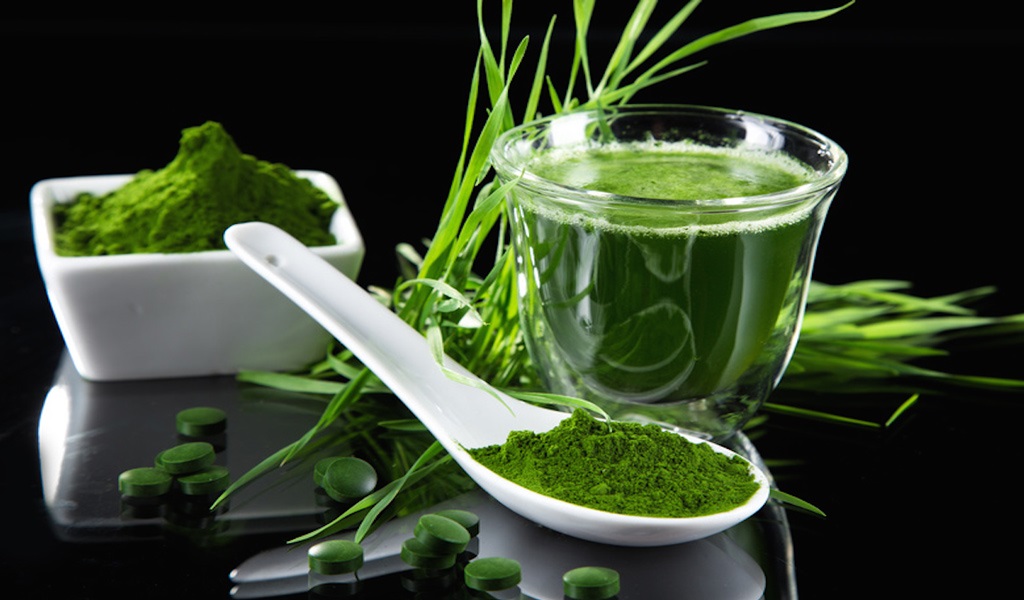
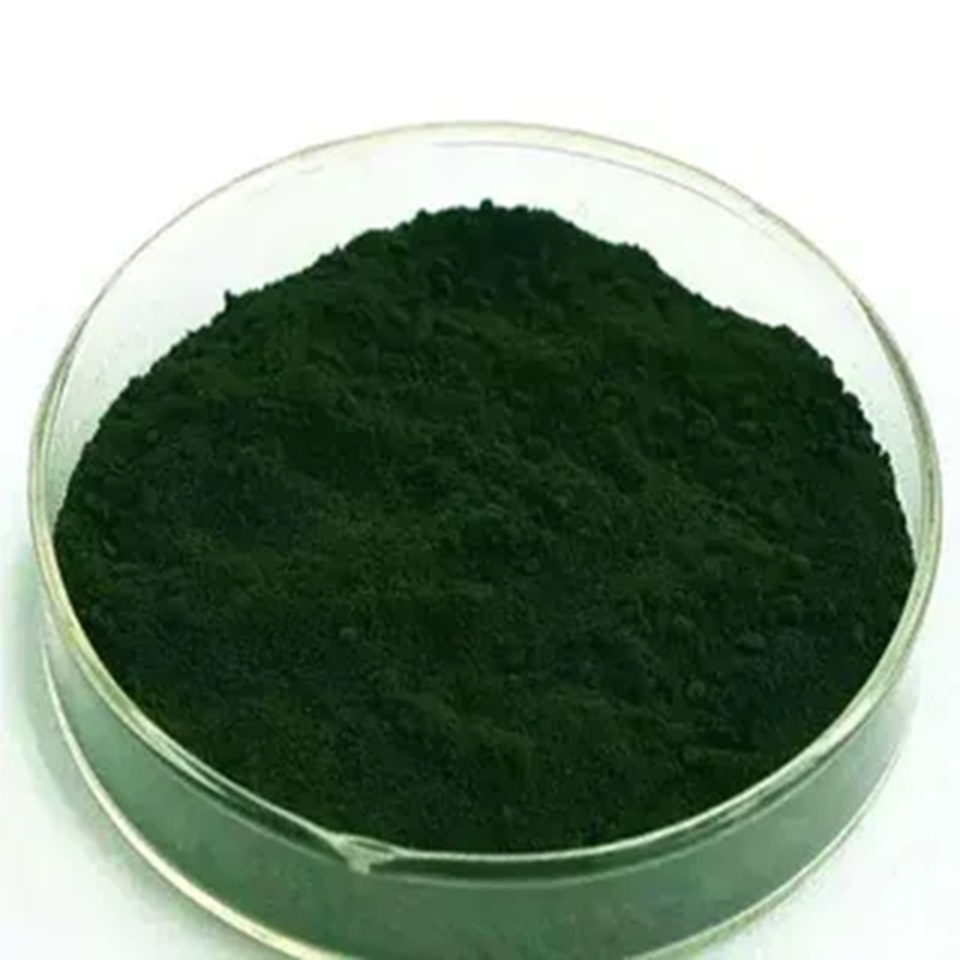
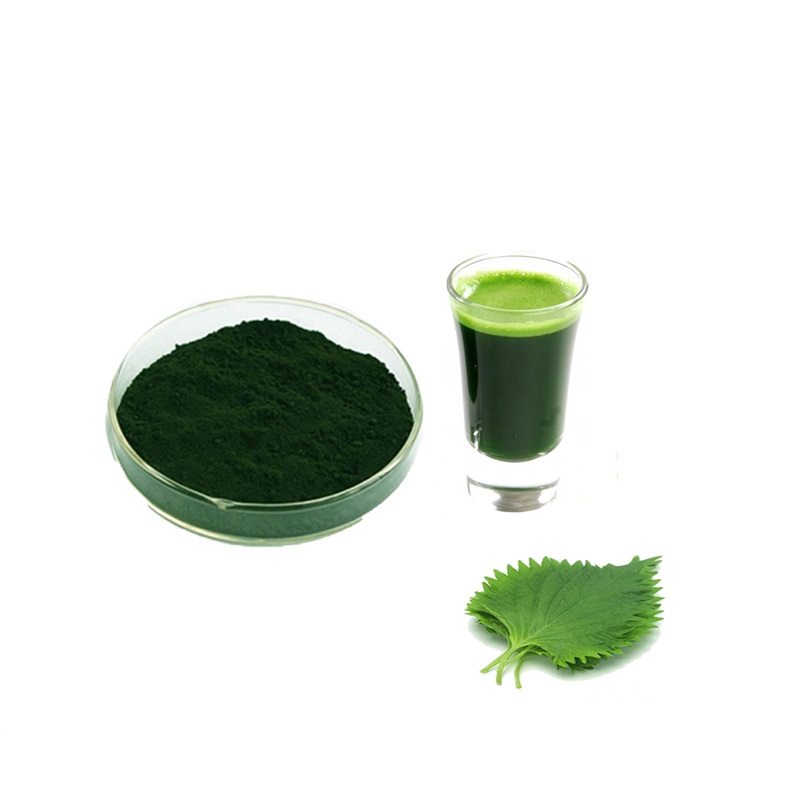
| Form | Dark green powder |
| Solubility | Water-dispersible (forms a suspension in water) |
| Odor | Characteristic odor |
| Source | Natural (plants and algae) |
What is Chlorophyll (E140)?
Chlorophyll (E140) is a natural green pigment responsible for the green color of most plants. It includes both chlorophyll a and chlorophyll b. E140 molecules are the main sites of light absorption in the light-dependent reactions of photosynthesis.
Key Characteristics:
-
Natural green pigment found in plants and algae
-
Contains magnesium (magnesium-containing porphyrins)
-
Chemically related to cytochrome and hemoglobin
-
Dark green powder with a characteristic odor
-
Forms a suspension with water (not truly soluble)
-
Commercially extracted from nettles, grass, and clover
Note: Chlorophyll is a porphyrin molecule containing magnesium at its center. It is chemically related to heme (found in hemoglobin) and cytochromes.
Chemical and Biological Background
| Property | Description |
|---|---|
| Chemical Class | Porphyrin (magnesium-containing) |
| Related Molecules | Cytochrome, Hemoglobin (heme), Vitamin B12 |
| Central Metal Atom | Magnesium (Mg²⁺) |
| Types | Chlorophyll a (blue-green), Chlorophyll b (yellow-green) |
| Function in Plants | Light absorption during photosynthesis |
| Stability | Sensitive to heat, light, and acidic pH |
Composition and Formulation
Chlorophyll E140 is composed of:
| Component | Description |
|---|---|
| Natural Pigment | Chlorophyll extracted from plants |
| Gum Arabic | Emulsifier and stabilizer |
| Lactose | Carrier (may vary by manufacturer) |
Note: The water-dispersibility of E140 is improved by drying the mixture of these substances. Some formulations may be lactose-free; check product specifications.
Physical and Chemical Properties
| Property | Value |
|---|---|
| Appearance | Dark green powder |
| Color | Dark green |
| Solubility | Forms a suspension in water (not truly soluble) |
| Odor | Characteristic (vegetal, grassy) |
| pH Sensitivity | Color changes at lower pH (olive green to brownish) |
| Heat Stability | Moderate (sensitive to high heat) |
| Light Stability | Sensitive to light |
| Fat Solubility | Natural chlorophyll is fat-soluble; E140 formulations are water-dispersible |
pH Color Changes:
| pH Level | Color |
|---|---|
| Neutral to Alkaline (pH > 7) | Bright green |
| Slightly Acidic (pH 5-7) | Olive green |
| Acidic (pH < 5) | Brownish green |
Source
| Source Type | Details |
|---|---|
| Natural Sources | All plants and algae (spinach, nettles, grass, clover, alfalfa, parsley) |
| Commercial Extraction | Extracted from nettles, grass, clover, alfalfa, and spinach |
| Production Method | Solvent extraction from plant material, then formulation with emulsifiers |
Note: Chlorophyll is naturally present in all green plants. Commercial production typically uses high-chlorophyll plants such as nettles, alfalfa, or grass.
Functions and Properties (as a Food Additive)
| Function | Description |
|---|---|
| Color | Dark green (natural green color) |
| Solubility | Water-dispersible (forms suspension) |
| Type | Natural food colorant |
| Application | Many different food products |
Applications and Usage Areas
Chlorophyll (E140) is used across multiple industries:
1. Food Industry
| Product Category | Examples |
|---|---|
| Confectionery | Candies, gummies, jellies, chewing gum |
| Beverages | Fruit juices, smoothies, energy drinks, soft drinks |
| Dairy Products | Yogurt, ice cream, milk-based desserts |
| Bakery | Cakes, cookies, pastries (green icings and decorations) |
| Sauces & Condiments | Pesto sauces, green salad dressings, herb sauces |
| Desserts | Puddings, jellies, mousses |
| Processed Foods | Pasta, noodles, canned vegetables |
| Baby Foods | Vegetable purees |
2. Pharmaceutical Industry
| Application | Examples |
|---|---|
| Dietary Supplements | Chlorophyll liquid drops, tablets, capsules |
| Natural Health Products | Internal deodorant (chlorophyllin form) |
| Fortified Foods | Vitamin-enriched products |
3. Cosmetic Industry
| Product Category | Examples |
|---|---|
| Skin Care | Creams, lotions, soaps (natural green color) |
| Hair Care | Shampoos, conditioners |
| Makeup | Green eyeshadows, foundations |
4. Other Applications
| Application | Examples |
|---|---|
| Animal Feed | Natural colorant for pet food and animal feed |
| Food Packaging | Natural green for plant-based packaging |
Safety and Regulatory Status
| Question | Answer |
|---|---|
| Is it safe? | Yes, chlorophyll is a natural pigment with no known side effects. |
| ADI (Acceptable Daily Intake) | Not specified / Not limited (EFSA – very safe) |
| Side Effects | No known side effects at concentrations used in foods. High doses may cause greenish discoloration of feces. |
| Toxicity | Very low toxicity; considered safe for all populations. |
| Natural Status | Natural (not synthetic) |
Regulatory Status:
| Region | Status | Notes |
|---|---|---|
| European Union | Permitted | No restrictions; considered safe |
| Turkey | Permitted | Compliant with EU regulations |
| United States (FDA) | Permitted | Some forms (chlorophyllin) are approved; natural chlorophyll is generally recognized as safe |
| Japan | Permitted | |
| Worldwide | Permitted | Accepted globally as a natural colorant |
Chlorophyll vs. Chlorophyllin (E140 vs E141)
| Feature | E140 (Chlorophyll) | E141 (Chlorophyllin) |
|---|---|---|
| Chemical Form | Natural chlorophyll | Copper complex of chlorophyll |
| Central Metal | Magnesium (Mg²⁺) | Copper (Cu²⁺) |
| Solubility | Water-dispersible (suspension) | Water-soluble |
| Color | Dark green | Bright green |
| Stability | Less stable (pH sensitive) | More stable |
| Natural Status | Natural | Semi-natural (modified) |
| Common Use | Natural coloring | More stable green coloring |
Note: E141 (copper chlorophyllin) is often used when brighter, more stable green is required. E140 is used for a more natural, less bright green.
Natural Alternatives to Chlorophyll
| Alternative | Source | Notes |
|---|---|---|
| Chlorophyllin (E141) | Chlorophyll with copper | More stable, water-soluble |
| Matcha Powder | Green tea | Natural green, adds flavor |
| Spinach Powder | Spinach | Natural green, less intense |
| Spirulina | Blue-green algae | Blue-green color |
| Green Tea Extract | Green tea | Natural green |
Compatibility with Dietary Restrictions
| Group | Status | Explanation |
|---|---|---|
| Halal | ✅ Permitted | Plant-derived (nettles, grass, clover) |
| Kosher | ✅ Permitted | Kosher-certified versions available |
| Vegan | ✅ Permitted | Plant-derived, not animal-derived |
| Vegetarian | ✅ Permitted | Suitable for all vegetarians |
| Allergens | ✅ No common allergens | Does not contain common allergens (check carrier like lactose) |
Note: Some formulations contain lactose as a carrier. Individuals with lactose intolerance should check product labels or seek lactose-free versions.
Health Benefits (As a Natural Compound)
| Benefit | Description |
|---|---|
| Antioxidant | May help protect cells from oxidative stress |
| Natural Deodorant | Chlorophyllin (modified form) is used as an internal deodorant |
| Wound Healing | Traditional use for wound healing (topical) |
| Digestive Health | Some traditional uses for digestive support |
Note: The health benefits apply to chlorophyll as a natural compound. As a food additive (E140), it is used for coloring purposes only.
Storage and Handling
| Requirement | Recommendation |
|---|---|
| Light Protection | Protect from light (light-sensitive) |
| Temperature | Store in a cool, dry place |
| pH | Avoid acidic conditions (color change) |
| Container | Airtight, opaque containers |
| Shelf Life | Typically 24 months when stored properly |
Summary
| Question | Answer |
|---|---|
| What is E140? | Chlorophyll, a natural green pigment found in plants. |
| Is it natural? | Yes, it is a natural plant-derived pigment. |
| What color does it produce? | Dark green (olive green in acidic conditions). |
| Is it safe? | Yes, very safe. No known side effects; ADI not limited. |
| What is the difference between E140 and E141? | E140 has magnesium; E141 (chlorophyllin) has copper and is more stable and water-soluble. |
| What products contain it? | Candies, beverages, ice cream, sauces, cosmetics, supplements. |
| Is it halal/vegan? | Yes (plant-derived, check for lactose in some formulations). |
| How is it listed on labels? | E140, Chlorophyll, Natural Green 3, Chlorophyll A/B. |
Key Takeaway
Chlorophyll (E140) is a natural green food colorant derived from plants such as nettles, grass, and clover. It is responsible for the green color of most plants and plays a key role in photosynthesis. As a food additive, it provides a dark green color and is used in candies, beverages, dairy products, baked goods, sauces, and cosmetics.
Advantages:
-
Natural (plant-derived)
-
No known side effects
-
No ADI limit (very safe)
-
Suitable for all dietary groups
Disadvantages:
-
Sensitive to pH (color changes in acidic conditions)
-
Sensitive to light
-
Less stable than synthetic green dyes
-
Forms suspension (not truly water-soluble)
Best Used For: Products where a natural, dark green color is desired, especially in neutral to alkaline pH products. Must be protected from light and acidic conditions.