We unleash your business potential by maximize the business innovation.
Send EmailBlack Food Dye, Food Black PN, E151, 2519-30-4
Food Black PN (E151) – Black Food Dye
| Property | Detail |
|---|---|
| Common Names | Food Black PN, Black PN, Brilliant Black PN |
| Food Code | E151 |
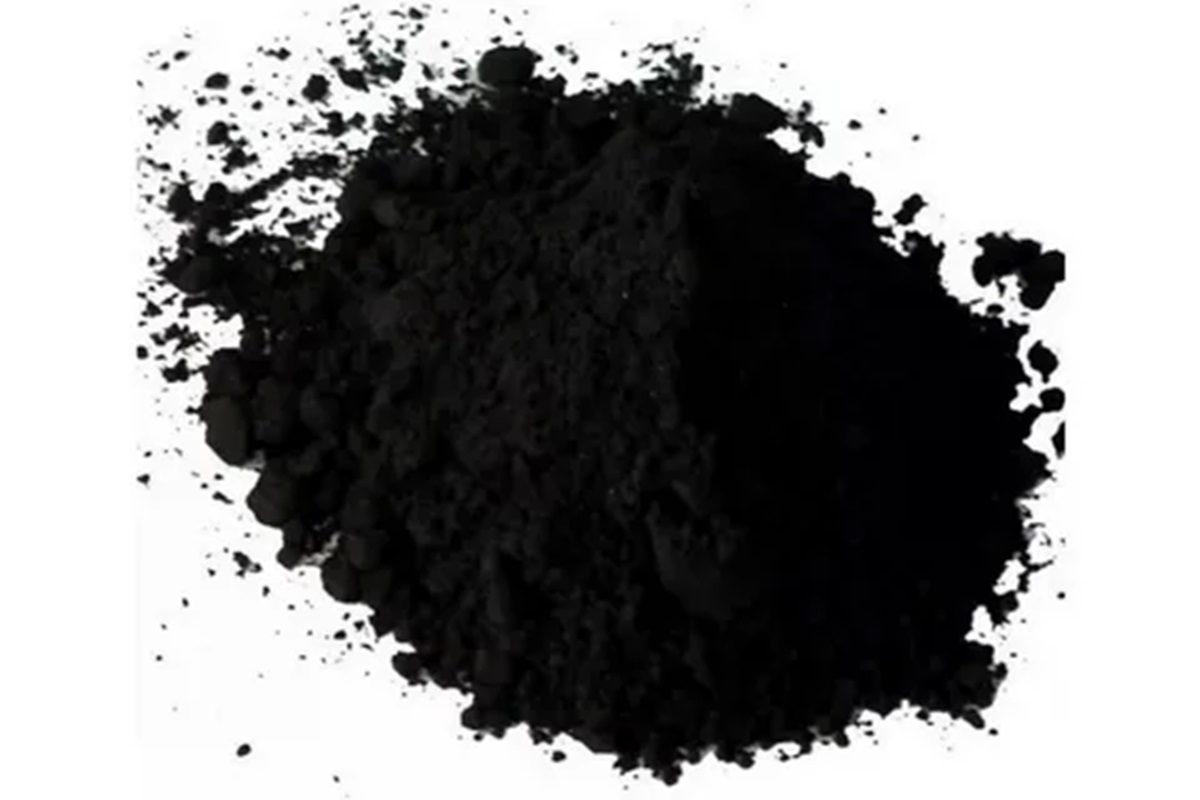
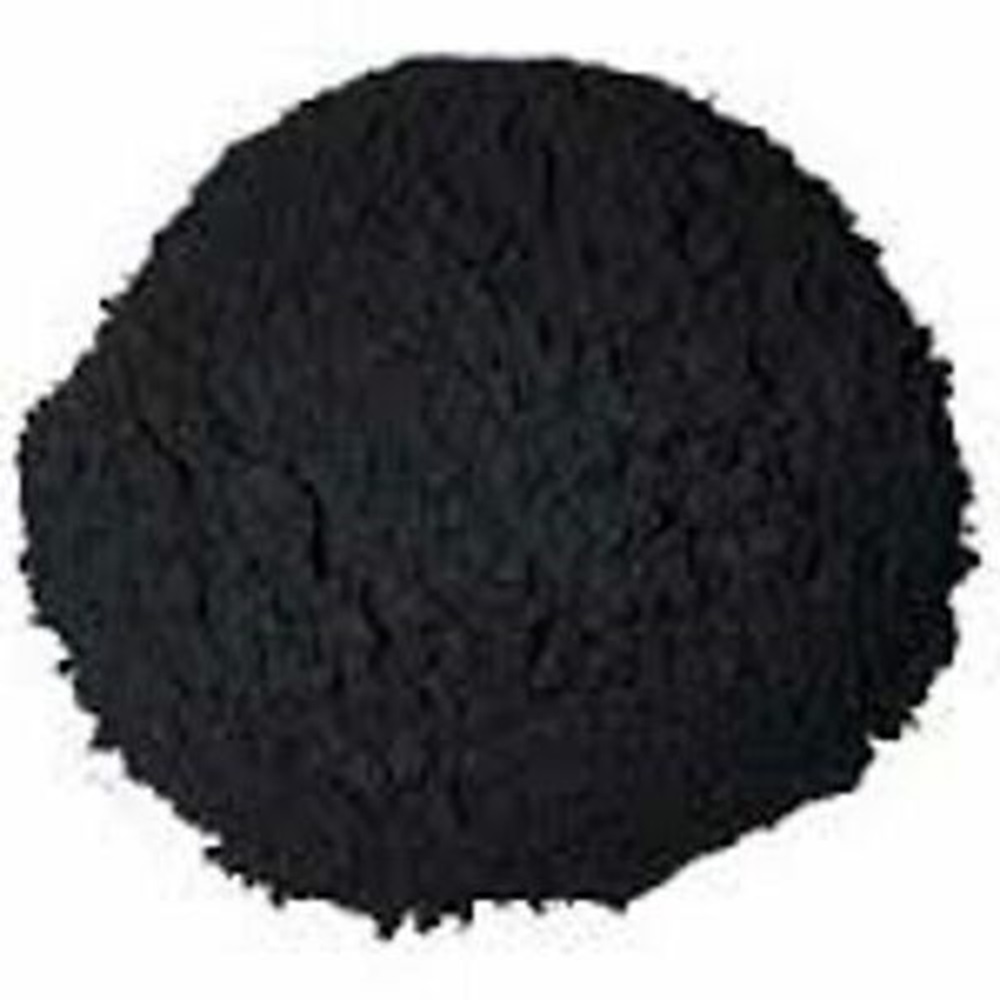
| Color Shade | Blackish violet to black |
| CAS Number | 2519-30-4 |
| EC Number | 219-746-5 |
| Chemical Formula | C₂₈H₁₇N₅Na₄O₁₄S₄ |
| Molar Mass | 867.66 g/mol |
| Chemical Class | Synthetic azo dye (disazo dye) |
| Form | Powder |
| Solubility | Water-soluble |
What is Food Black PN (E151)?
Food Black PN (E151) is a synthetic organic black food colorant used for coloring food products. It produces a blackish violet to black color and is preferred especially for dark-colored foods. It is also known as Brilliant Black PN or simply Black PN.
Note: Food Black PN is a water-soluble powder that provides a deep black to blackish violet shade.
Key Characteristics:
-
Synthetic azo dye (disazo class)
-
Produces blackish violet to black color
-
Water-soluble powder
-
Used for dark and black shades in foods
-
Also known as Brilliant Black PN
Applications and Usage Areas
Food Black PN (E151) is used across multiple industries, primarily in food:
1. Food Industry
| Product Category | Examples |
|---|---|
| Confectionery | Candies, gummies, licorice, jellies, chewing gum |
| Chocolate Products | Dark chocolate coatings, chocolate decorations, colored white chocolate |
| Biscuits & Cookies | Dark-colored biscuits, sandwich cookies, chocolate-coated biscuits |
| Bakery & Pastry | Cakes, pastries, icings, fondant decorations, cake gels |
| Desserts | Puddings, jellies, dessert sauces |
| Ice Cream | Ice cream, sorbets, frozen desserts (dark colors) |
| Beverages | Fruit juices, soft drinks, energy drinks, carbonated beverages |
| Sauces & Condiments | Dark sauces, gravies, soy sauce (color enhancement) |
| Processed Foods | Canned foods, ready meals |
| Egg Coloring | Traditional egg dyeing (especially for Easter) |
2. Confectionery Decoration
| Application | Examples |
|---|---|
| Cake Decorating | Mixed into cake creams, buttercreams, fondants |
| Pastry Decoration | Icing, glaze coloring, decorative gels |
| Sugar Art | Colored sugar, sprinkles, edible glitter |
3. Pharmaceutical Industry
| Application | Examples |
|---|---|
| Tablets | Dark-colored coated tablets (for identification) |
| Capsules | Dark-colored gelatin capsules |
4. Cosmetic Industry (Limited)
| Application | Examples |
|---|---|
| Makeup | Eyeliners, mascaras, dark eyeshadows |
| Hair Care | Hair dyes (dark shades) |
Regulatory Status
| Region | Status | Notes |
|---|---|---|
| European Union | Permitted | Specific maximum limits apply; warning label may be required (contains azo dyes) |
| Turkey | Permitted | Compliant with EU regulations |
| United States (FDA) | Not permitted | Food Black PN (E151) is not approved for use in foods in the USA |
| Japan | Permitted | With certain restrictions |
| Australia & New Zealand | Permitted | Only in specific food categories |
| Canada | Not permitted | Not approved as a food additive |
Important Note: Food Black PN (E151) is not approved for food use in the United States.
Potential Health Risks and Concerns
| Risk | Description |
|---|---|
| Allergic Reactions | As a synthetic azo dye, Food Black PN may cause allergic reactions in sensitive individuals, especially those with aspirin sensitivity or asthma. Symptoms may include skin rashes, itching, hives (urticaria), and respiratory issues. |
| Hyperactivity and Attention | Some research suggests that certain synthetic azo dyes (including E151) may contribute to hyperactivity and attention deficit disorder (ADHD)-like behavioral problems in children. In the EU, foods containing E151 may require a warning label. |
| Carcinogenicity Concerns | Some concerns have been raised regarding certain azo dyes, but regulatory authorities (EFSA) consider E151 safe within established daily intake limits. |
| ADI (Acceptable Daily Intake) | 0-5 mg/kg body weight/day (EFSA) |
EU Warning Label (if applicable): "May have an adverse effect on activity and attention in children."
Physical and Chemical Properties
| Property | Value |
|---|---|
| Appearance | Black to blackish violet powder |
| Solubility | Soluble in water (gives blackish violet solution) |
| Melting Point | Decomposes before melting |
| pH Stability | Stable in neutral to slightly acidic conditions |
| Heat Stability | Moderate to good |
| Light Fastness | Moderate |
| Maximum Absorption | Approximately 570-580 nm (in water) |
| Chemical Class | Disazo dye (synthetic azo) |
Comparison with Other Black Food Colorants
| Feature | E151 (Food Black PN) | Vegetable Carbon (E153) | E120 + E133 + E102 (Blended Black) |
|---|---|---|---|
| Source | Synthetic (azo) | Natural (plant-based) | Synthetic blend |
| Color Shade | Blackish violet | True black (carbon black) | Varies depending on blend |
| Solubility | Water-soluble | Insoluble (suspension) | Water-soluble |
| Natural Claim | No | Yes | No |
| USA Status | Banned | Permitted | Depends on components |
| Vegan | Yes | Yes | Yes |
| Halal | Yes (synthetic) | Yes | Depends on components |
| Cost | Low | Moderate | Low to moderate |
Natural Alternatives to Food Black PN
| Alternative | Source | E Number | Notes |
|---|---|---|---|
| Vegetable Carbon (Carbon Black) | Burnt vegetable matter | E153 | Natural black, insoluble, true black color |
| Activated Charcoal | Coconut shells, wood | — | Natural, not always food-grade |
| Squid Ink | Cuttlefish/Squid | — | Natural black, not vegetarian/vegan |
| Black Carrot Concentrate | Black carrots | — | Dark purple/black, pH dependent |
| Blackcurrant Concentrate | Blackcurrants | — | Dark purple, not true black |
E151 vs. E153: Which is Better?
| Aspect | E151 (Food Black PN) | E153 (Vegetable Carbon) |
|---|---|---|
| Source | Synthetic | Natural |
| Color Quality | Blackish violet (slightly violet undertone) | True black (neutral) |
| Solubility | Water-soluble (easy to use) | Insoluble (requires suspension) |
| Stability | Good | Excellent |
| Label Appeal | "Synthetic color" | "Natural color" |
| USA Approval | No | Yes |
| EU Approval | Yes | Yes |
| Cost | Lower | Higher |
Sector Suitability Table
| Sector | Application Area | Suitability | Notes |
|---|---|---|---|
| Food (EU, Turkey, Japan) | Confectionery, beverages, ice cream, bakery | ✅ Permitted | Specific limits apply |
| Food (USA) | Any food | ❌ Not permitted | Banned for food use |
| Pharmaceuticals | Tablets, capsules | ✅ Permitted (outside USA) | |
| Cosmetics | Eyeliners, mascaras, hair dyes | ✅ Permitted | |
| Egg Coloring | Easter eggs | ✅ Permitted (EU) | Traditional use |
Summary
| Question | Answer |
|---|---|
| What is E151? | Food Black PN, a synthetic blackish violet azo dye. |
| What color does it produce? | Blackish violet to black. |
| Is it natural? | No, it is a synthetic dye. |
| Is it safe? | Considered safe by EFSA within ADI limits (0-5 mg/kg). |
| Is it banned in the USA? | Yes, E151 is not approved for food use in the United States. |
| What products contain it? | Candies, chocolates, biscuits, ice cream, beverages, cake decorations. |
| Are there natural alternatives? | Yes: vegetable carbon (E153), activated charcoal, squid ink. |
| How is it listed on labels? | E151, Food Black PN, Brilliant Black PN, Black PN. |
Key Takeaway
Food Black PN (E151) is a synthetic blackish violet azo dye used as a food colorant in the EU, Turkey, Japan, and many other countries. However, it is not approved for food use in the United States. It is water-soluble and produces a blackish violet to black shade. Common applications include confectionery, chocolate products, biscuits, ice cream, beverages, and cake decorations. Because it is a synthetic azo dye, it may cause allergic reactions in sensitive individuals and is associated with hyperactivity in children (warning label required in the EU). Natural alternatives include vegetable carbon (E153) , which produces a true black color but is insoluble and more expensive.