We unleash your business potential by maximize the business innovation.
Send EmailCarmine, Cochineal, Red Food Coloring, Carmine, Carminic Acid, E120 1260-17-9
Carmine (E120) – Red Food Dye (Cochineal, Carminic Acid)
| Property | Detail |
|---|---|
| Common Names | Carmine, Cochineal, Carminic Acid, Natural Red 4 |
| Food Code | E120 |
| Color Shade | Bright red to crimson, pink to purple (depending on pH and metal ions) |
| CAS Number | 1260-17-9 |
| EC Numbers | 215-023-3; 215-680-6; 215-724-4 |
| Source | Natural (insect-derived) |
| Origin Insect | Cochineal böceği (Dactylopius coccus) |
| Active Component | Carminic Acid (C₂₂H₂₀O₁₃) |
| Solubility | Water-soluble (as carmine); Carminic acid is water-soluble |
| Chemical Class | Anthraquinone dye |
What is Carmine (E120)?
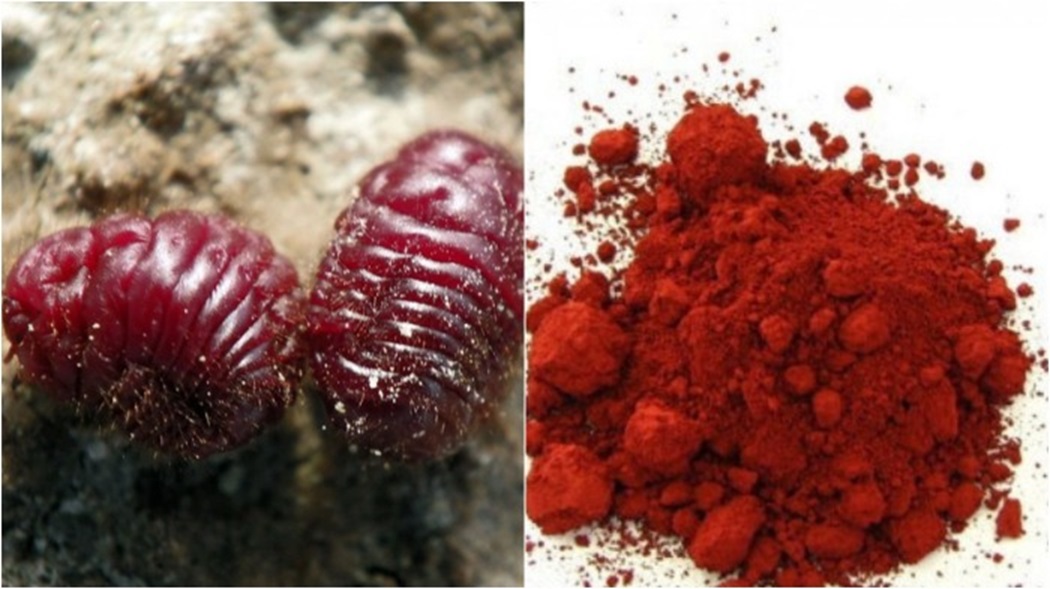
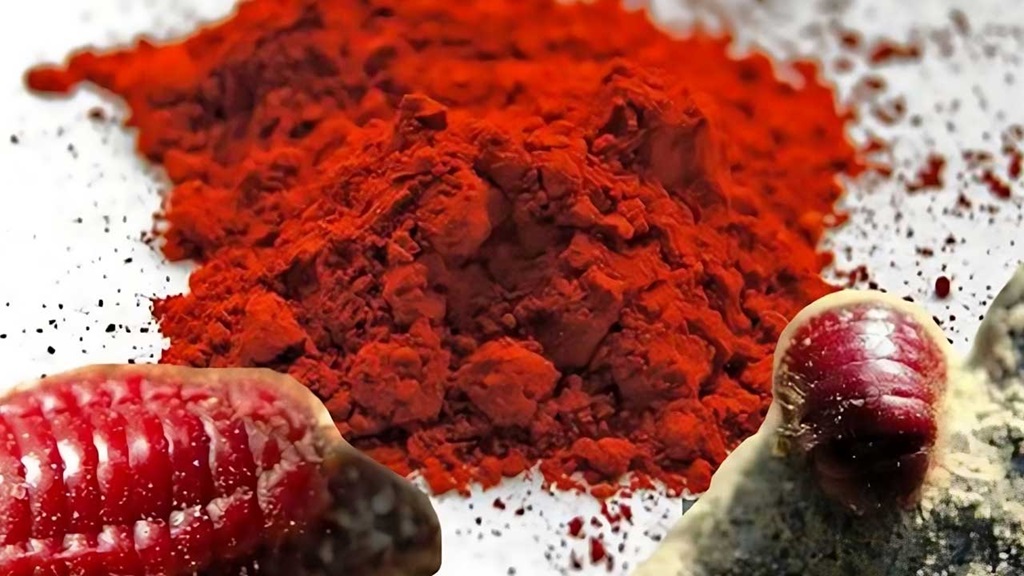
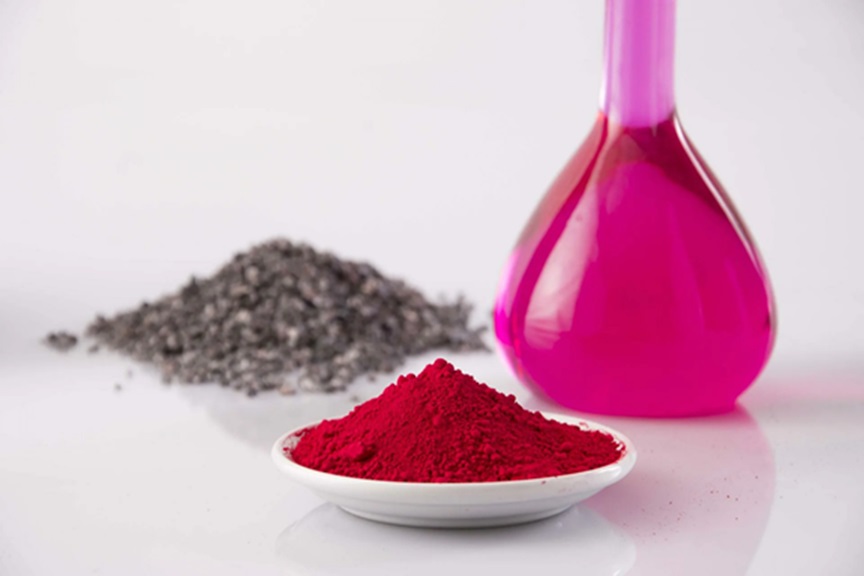
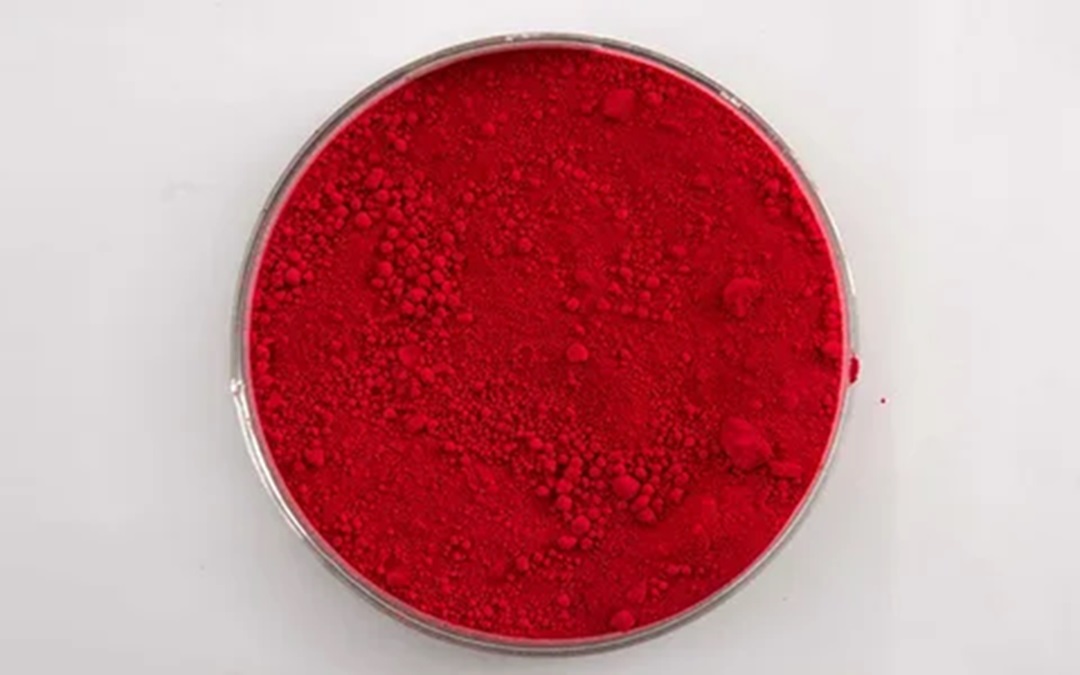
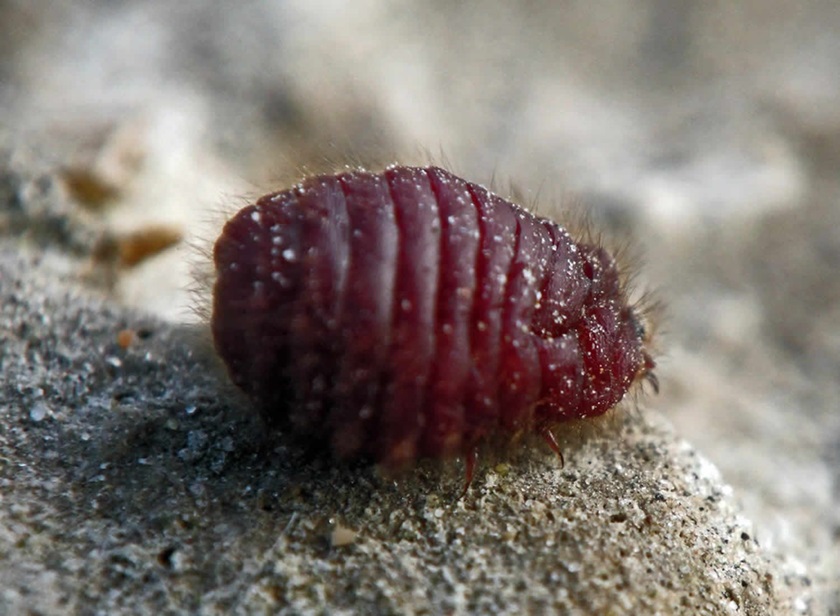
Carmine (E120) is a natural red pigment used as a colorant in the food and cosmetic industries. It is derived from the Cochineal insect (Dactylopius coccus) and provides a wide range of red to crimson shades.
Key Points:
-
Natural red pigment obtained from female cochineal insects
-
The active coloring component is carminic acid
-
Produced by drying and processing the insects
-
Can produce pink, red, crimson, and purple shades depending on pH and metal ions (e.g., aluminum, calcium)
Note: Carmine is also known as Cochineal Extract, Natural Red 4, or C.I. 75470.
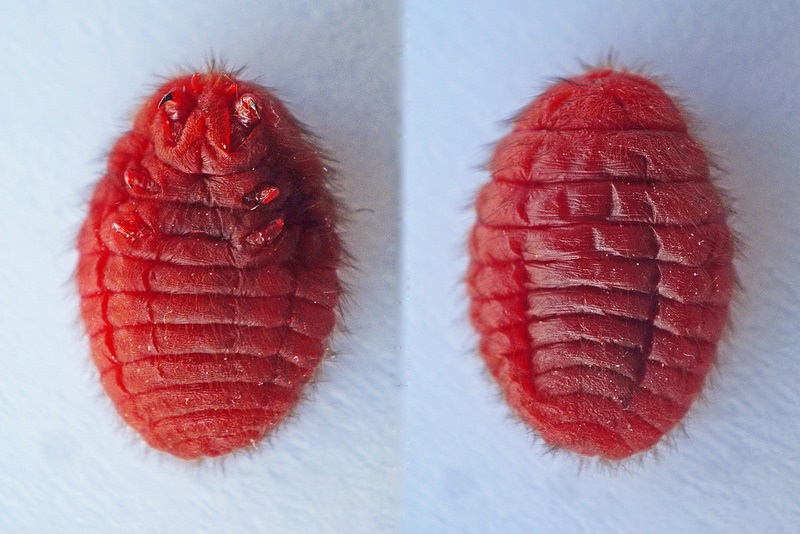
Source of Carmine – The Cochineal Insect
Biological Characteristics
| Feature | Description |
|---|---|
| Species | Dactylopius coccus |
| Appearance | Small, round, white-cream colored insect (female) |
| Active Pigment | Carminic acid (found in the insect's body) |
| Color | Bright red (when crushed) |
Growing Area
| Region | Details |
|---|---|
| Primary Regions | Peru, Mexico, Canary Islands, Chile, Bolivia, Argentina |
| Secondary Regions | Other warm regions of Central and South America |
| Host Plant | Cactus plants (especially Opuntia - prickly pear cactus) |
| Name in Spanish | "Carmín" |
Production Process of Carmine
| Step | Description |
|---|---|
| 1. Collection | Female cochineal insects are collected from cactus plants, typically during the summer months (before they lay eggs for highest carminic acid content). |
| 2. Drying | Collected insects are dried (sun-dried or oven-dried at low temperatures). Different methods produce different grades: silver (dried with heat) or black (dried without heat). |
| 3. Crushing | Dried insects are crushed into a fine powder. |
| 4. Extraction | Carminic acid is extracted from the powder using water or alcohol-based solvents. |
| 5. Precipitation (for Carmine) | The extract is treated with aluminum or calcium salts to precipitate carmine (the aluminum lake form). |
| 6. Drying & Milling | The precipitate is dried and milled into a fine powder. |
Two Main Products:
| Product | Description |
|---|---|
| Cochineal Extract | Water-soluble carminic acid solution (less stable, more pH sensitive) |
| Carmine | Aluminum lake of carminic acid (more stable, widely used in food and cosmetics) |
Alternative Sources (Synthetic and Natural Alternatives)
| Alternative Type | Examples | Notes |
|---|---|---|
| Synthetic Red Dyes | E124 (Ponceau 4R), E129 (Allura Red), E122 (Carmoisine) | Can match color but not "natural"; banned in some countries |
| Plant-Based Natural Reds | Beetroot red (E162), Anthocyanins (E163), Lycopene (E160d) | Different shade, less heat/light stable |
| Other Insect-Based | None | Carmine is unique |
Note: Carmine's unique bright red shade, heat stability, and light stability are difficult to replicate with other natural colorants.
Applications and Usage Areas
Carmine (E120) is used across multiple industries:
1. Food and Beverage Industry
| Product Category | Examples |
|---|---|
| Confectionery | Candies, gummies, jellies, chocolates, marshmallows |
| Beverages | Fruit juices, energy drinks, soft drinks, alcoholic beverages (liqueurs, bitters) |
| Dairy Products | Yogurt, ice cream, strawberry milk, fruit preparations |
| Bakery | Cakes, pastries, icings, fillings |
| Sauces & Condiments | Tomato-based sauces, ketchup, jams |
| Processed Meats | Sausages, surimi (imitation crab), pâtés |
| Fruit Preparations | Pie fillings, fruit toppings, preserves |
2. Cosmetic and Personal Care Industry
| Product Category | Examples |
|---|---|
| Lip Products | Lipsticks, lip balms, lip glosses |
| Face Makeup | Blushes (rouge), foundations, eyeshadows |
| Nail Products | Nail polishes |
| Hair Care | Hair dyes, shampoos, conditioners (pink/red shades) |
| Body Care | Lotions, soaps, bath salts |
3. Pharmaceutical Industry
| Application | Examples |
|---|---|
| Tablets | Coated tablets (pink/red color for identification) |
| Syrups | Pediatric syrups, cough syrups |
| Capsules | Hard and soft gelatin capsules |
4. Other Applications
| Application | Examples |
|---|---|
| Textiles | Natural fabric dyes (historical use, limited today) |
| Art Supplies | Watercolors, paints (Crimson lake) |
| Arts & Crafts | Natural red pigment for artists |
Role of Carmine in Food and Beverages
| Function | Description |
|---|---|
| Color Provision | Provides bright, vibrant red to crimson/purple shades |
| Color Stability | Maintains color under high temperatures and acidic conditions (good heat and light stability) |
| pH Sensitivity | Color changes with pH: orange-red at low pH → bright red at neutral → purple at high pH |
| Consumer Appeal | Enhances visual attractiveness of products |
| Natural Label Claim | Allows "natural color" labeling (compared to synthetic dyes) |
Safety, Allergies, and Side Effects
| Risk | Description |
|---|---|
| Allergic Reactions | Carmine can cause allergic reactions in sensitive individuals. Symptoms include: hives (urticaria), facial swelling, wheezing, difficulty breathing, anaphylaxis (rare). |
| Who is at risk? | Individuals with known allergies to insects, insect proteins, or carmine; individuals with asthma may have higher sensitivity. |
| Occupational Asthma | Workers in carmine production facilities have reported occupational asthma. |
| Anaphylaxis | Rare but severe allergic reactions have been reported after consumption of carmine-containing products. |
| ADI (Acceptable Daily Intake) | 0-5 mg/kg body weight/day (expressed as carminic acid - EFSA) |
Safety Note: Carmine is considered safe for the general population by EFSA and FDA. However, products containing carmine must declare it on the label, and some countries require specific allergen warnings for insect-derived ingredients.
Is Carmine Halal?
| Question | Answer |
|---|---|
| Source | Derived from insects (cochineal) |
| Halal Status | Controversial / Depends on certification body |
| Majority Opinion | Most Islamic scholars consider insects generally haram (forbidden) to consume. Therefore, many halal certification bodies consider carmine haram (not halal) . |
| Alternative View | Some scholars consider carmine halal because it is transformed (istihala) from the insect into a different substance (carminic acid). |
| Recommendation | Check for Halal Certification on the product label. Without certification, most Muslim consumers avoid carmine (E120). |
Comparison:
| Dye | Source | Halal Status |
|---|---|---|
| Carmine (E120) | Cochineal insect | Haram (majority opinion) / Controversial |
| Beetroot Red (E162) | Plant (beetroot) | Halal |
| Anthocyanins (E163) | Plant (grapes, berries) | Halal |
| Synthetic Red Dyes (E124, E129) | Synthetic chemicals | Halal (as long as other ingredients are halal) |
Is Carmine Vegan?
| Question | Answer |
|---|---|
| Source | Derived from insects (cochineal) |
| Vegan Status | Not vegan (insect-derived) |
| Reason | Production involves killing and processing insects (approximately 70,000 insects produce 1 kg of carmine) |
Vegan Alternatives:
| Alternative | Source | Vegan Status |
|---|---|---|
| Beetroot Red (E162) | Plant | Vegan |
| Anthocyanins (E163) | Plant | Vegan |
| Lycopene (E160d) | Plant (tomatoes) | Vegan |
| Synthetic Dyes | Synthetic | Vegan (but not "natural") |
Physical and Chemical Properties
| Property | Carminic Acid | Carmine (Aluminum Lake) |
|---|---|---|
| Chemical Formula | C₂₂H₂₀O₁₃ | C₂₂H₂₀O₁₃ · Al³⁺ complex |
| Molecular Weight | 492.38 g/mol | Varies |
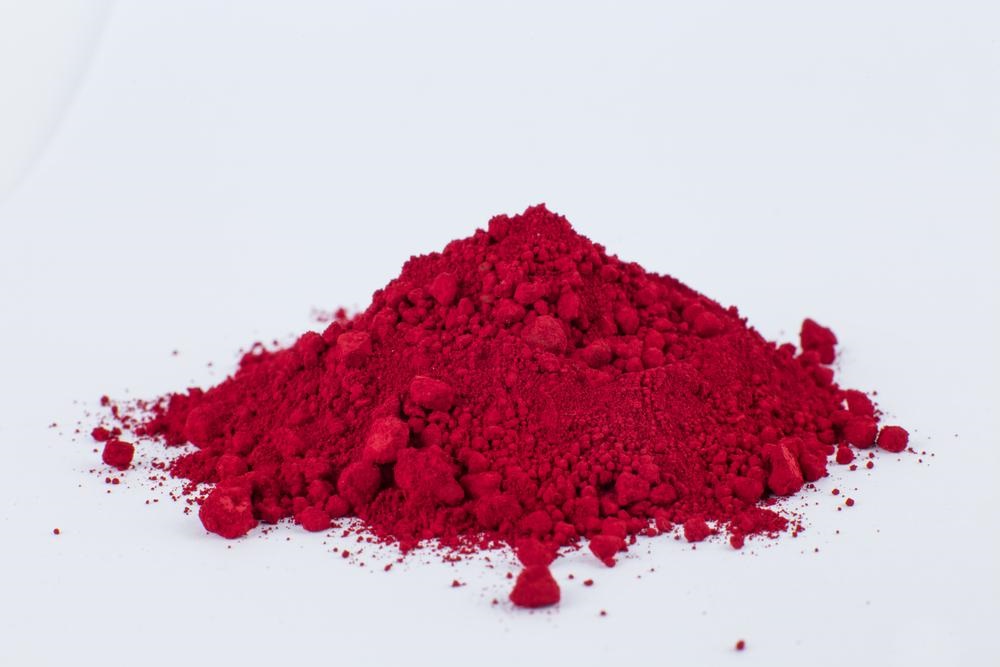
| Appearance | Dark red powder | Bright red to crimson powder |
| Solubility | Water-soluble | Water-soluble (as salt) |
| pH Sensitivity | Color changes: pH <4: orange-red; pH 5-7: red; pH >7: purple | More stable than carminic acid |
| Heat Stability | Good | Good |
| Light Stability | Good (better than many natural reds) | Very good |
| Maximum Absorption | ~495 nm (in water) | ~500-520 nm (depending on pH) |
Carmine vs. Synthetic Red Dyes
| Feature | Carmine (E120) | E124 (Ponceau 4R) | E129 (Allura Red) |
|---|---|---|---|
| Source | Natural (insect) | Synthetic (azo) | Synthetic (azo) |
| Color Shade | Bright red to crimson | Bright red / Ruby red | Reddish-orange |
| Label Claim | "Natural color" | "Artificial color" | "Artificial color" |
| USA Status | Permitted | Banned | Permitted |
| EU Warning Label | No (natural) | Yes | Yes |
| Halal | Controversial (mostly haram) | Yes | Yes |
| Vegan | No | Yes | Yes |
| Allergy Risk | Yes (insect protein allergy) | Moderate | Moderate |
| Cost | High | Low | Low |
Carmine vs. Plant-Based Natural Reds
| Feature | Carmine (E120) | Beetroot Red (E162) | Anthocyanins (E163) |
|---|---|---|---|
| Source | Insect | Plant (beetroot) | Plant (grapes, berries) |
| Color Shade | Bright red to crimson | Red to purple-pink | Red to blue-purple (pH dependent) |
| Heat Stability | Good | Poor (degrades with heat) | Moderate |
| Light Stability | Good | Poor | Poor (fades quickly) |
| pH Stability | Good (with color shift) | Poor (pinks with heat) | Very pH sensitive |
| Cost | High | Low | Low to moderate |
| Halal | Controversial | Halal | Halal |
| Vegan | No | Yes | Yes |
Labeling and Regulations
| Region | Status | Labeling Requirement |
|---|---|---|
| European Union | Permitted | Must be labeled as "Carmine" or "Cochineal" or E120; no specific allergy warning required |
| Turkey | Permitted | Must be labeled as "Karmin" or "Koşineal" or E120 |
| United States (FDA) | Permitted | Must be labeled as "Carmine" or "Cochineal Extract" (cannot be hidden under "natural color") |
| Japan | Permitted | Must be labeled |
| Australia/NZ | Permitted | Must be labeled |
U.S. Specific Requirement: Products containing carmine must specifically declare "CARMINE" or "COCHINEAL EXTRACT" on the ingredient list. They cannot simply state "natural color" or "artificial color."
Summary
| Question | Answer |
|---|---|
| What is E120? | Carmine, a natural red pigment derived from cochineal insects. |
| Is it natural? | Yes, it is a natural insect-derived colorant. |
| Is it safe? | Yes, for the general population. May cause allergic reactions in sensitive individuals. |
| Is it halal? | Controversial – Most halal certification bodies consider it haram (forbidden). |
| Is it vegan? | No – Carmine is not vegan (insect-derived). |
| What products contain it? | Candies, yogurts, juices, lipsticks, blushes, tablets, syrups. |
| Are there alternatives? | Yes: beetroot red (E162), anthocyanins (E163), synthetic red dyes. |
| How is it listed on labels? | E120, Carmine, Cochineal, Natural Red 4, C.I. 75470. |
Important Notes
-
Insect Origin: Carmine is derived from female cochineal insects. Approximately 70,000 insects are required to produce 1 kilogram of carmine.
-
Allergy Risk: Carmine can cause severe allergic reactions, including anaphylaxis, in sensitive individuals. Individuals with asthma or known insect allergies are at higher risk.
-
Not Vegan: Due to its insect origin, carmine is not considered vegan or vegetarian.
-
Halal Status: The majority of halal certification bodies consider carmine haram (not halal) because it is derived from insects (generally considered forbidden in Islamic dietary laws).
-
Natural but Not "Clean Label" for All: While carmine is natural, its insect origin makes it unacceptable for vegans, vegetarians, and some religious groups (Muslims, Jews who keep kosher without insect-derived ingredients).
-
Stability Advantage: Carmine has significantly better heat and light stability compared to plant-based reds (beetroot, anthocyanins), which is why it remains widely used despite higher cost and acceptance issues.
-
Kosher Status: Kosher certification varies: some kosher certifiers accept carmine, others do not (due to insect origin).
Key Takeaway
Carmine (E120) is a natural red pigment derived from the cochineal insect. It provides bright, stable red-to-crimson colors and is widely used in food, cosmetics, and pharmaceuticals. However, it is not vegan (insect origin) and its halal status is controversial (most consider it haram). It may also cause allergic reactions in sensitive individuals. While it offers superior stability compared to plant-based reds, its ethical and religious acceptance issues have led many manufacturers to seek alternatives or clearly label its presence.