We unleash your business potential by maximize the business innovation.
Send EmailQuinoline Yellow, Yellow Food Dye, E104, 8004-92-0
Quinoline Yellow (E104) – Yellow Food Dye
| Property | Detail |
|---|---|
| Color Name | Quinoline Yellow, Kinolin Sarısı |
| Food Code | E104 |
| Color Shade | Greenish-yellow to bright yellow |
| CAS Number | 8004-92-0 |
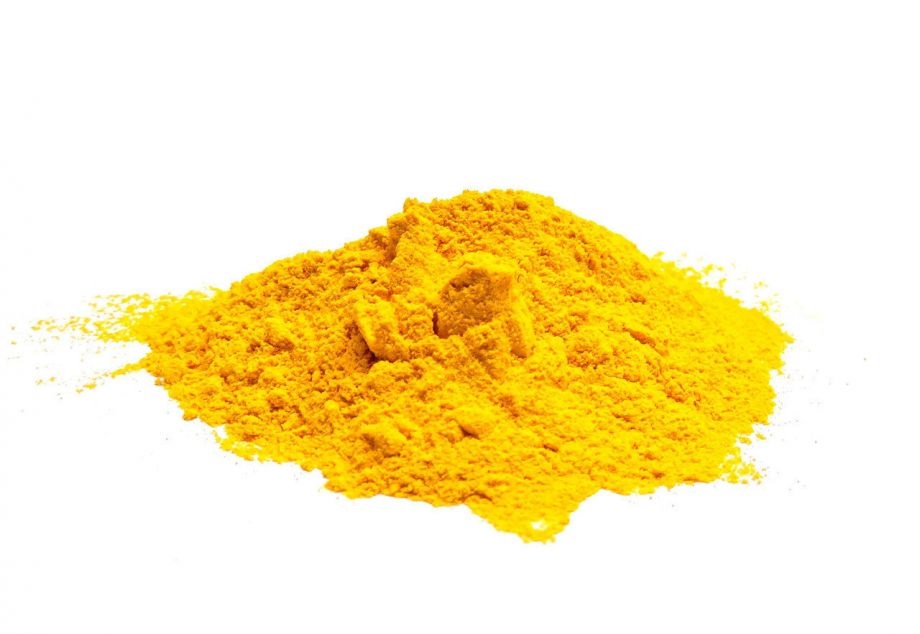
| Appearance | Yellow synthetic food colorant (powder) |
| Packaging Unit | 25 kg bags |
| Solubility | Water-soluble |
| Chemical Class | Quinoline dye |
What is it?
Quinoline Yellow (E104) is a synthetic yellow food colorant known by the code E104. It is a water-soluble dye available in powder form. It belongs to the quinoline dye class and produces a greenish-yellow to bright yellow shade.
Key Properties:
-
Water-soluble dye
-
Can be tested and used in many food production applications
-
Systematically incorporated into production processes for transfer to foods
Applications and Usage Areas
Quinoline Yellow (E104) is used across multiple industries:
1. Food Industry
| Product Category | Examples |
|---|---|
| Ice Cream | Ice cream, sorbets, frozen desserts |
| Confectionery | Hard candies, gummies, jellies, chewing gum |
| Bakery & Pastry | Cakes, pastries, cookies, icings, decorations |
| Beverages | Soft drinks, fruit drinks, energy drinks, syrups |
| Desserts | Puddings, custards, jellies |
| Processed Foods | Canned fruits, sauces, mustards |
2. Pharmaceutical Industry
| Application | Examples |
|---|---|
| Tablets | Coated tablets, colored tablets |
| Capsules | Hard and soft gelatin capsules |
| Liquids | Syrups, oral solutions |
3. Cosmetic Industry
| Product Category | Examples |
|---|---|
| Makeup | Eyeshadows, lipsticks, blushes |
| Hair Care | Shampoos, conditioners, hair dyes |
| Body Care | Soaps, shower gels, lotions |
4. Other Industrial Applications
| Application | Examples |
|---|---|
| Play Dough | Colored play dough and modeling clay |
| Colored Stones | Decorative colored stones and crafts |
Potential Health Risks and Concerns
| Risk | Description |
|---|---|
| Allergic Reactions | Quinoline Yellow may cause allergic reactions, particularly in individuals with aspirin sensitivity or asthma. Symptoms may include skin rashes, itching, hives (urticaria), and respiratory issues. |
| Hyperactivity and Attention | Some research suggests that E104 (together with certain other artificial colors) may contribute to hyperactivity and attention deficit disorder (ADHD)-like behavioral problems in children. In the EU, foods containing E104 must carry a warning label. |
| Urticaria (Hives) | Quinoline Yellow is known to be one of the food colorants that can trigger chronic urticaria (hives) in sensitive individuals. |
| Acceptable Daily Intake (ADI) | 0-10 mg/kg body weight/day (EFSA – Note: this is a tentative value; actual ADI may vary by regulation) |
| Carcinogenicity Concerns | While some concerns have been raised, regulatory authorities consider E104 safe within established daily intake limits. |
Comparison with Other Yellow Food Dyes
| Feature | E104 (Quinoline Yellow) | E102 (Tartrazine) | E110 (Sunset Yellow) | E100 (Curcumin - Natural) |
|---|---|---|---|---|
| Source | Synthetic (quinoline) | Synthetic (azo) | Synthetic (azo) | Natural (turmeric) |
| Color Shade | Greenish-yellow | Lemon yellow | Orange-yellow | Yellow |
| Water Solubility | Yes | Yes | Yes | No (oil-soluble) |
| Light Fastness | Good | Moderate | Good | Moderate |
| Heat Stability | Good | Moderate | Good | Good |
| EU Warning Label | Yes | Yes | Yes | No |
| Natural Alternative | No | No | No | Yes |
| Common Use | Ice cream, confectionery, cosmetics | Soft drinks, candies | Beverages, candies | Curry, mustards |
Legal Status and Labeling
| Region | Status | Note |
|---|---|---|
| European Union | Permitted | Warning label required (with E110, E104, E122, E124, E129) due to Southampton Study |
| Turkey | Permitted | Compliant with EU regulations; warning label required |
| United States (FDA) | Not permitted | Quinoline Yellow (E104) is not approved for food use in the USA |
| Japan | Permitted | With certain restrictions |
| Australia/New Zealand | Permitted | |
| Canada | Not permitted | Not approved as a food additive |
EU Warning Label: "May have an adverse effect on activity and attention in children."
Important Note: Quinoline Yellow (E104) is not approved for food use in the United States.
Physical and Chemical Properties
| Property | Value |
|---|---|
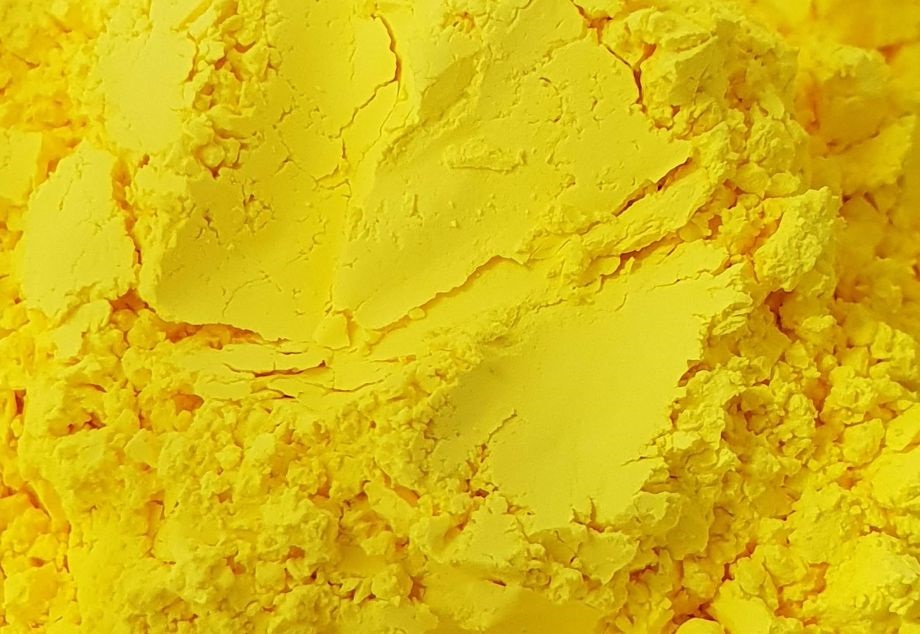
| Appearance | Yellow to greenish-yellow powder |
| Solubility | Soluble in water |
| Color in Solution | Greenish-yellow to bright yellow |
| Chemical Class | Quinoline dye |
| Light Fastness | Good |
| Heat Stability | Good |
| pH Stability | Stable in neutral to slightly acidic conditions |
Sector Suitability Table
| Sector | Application Area | Suitability | Notes |
|---|---|---|---|
| Food | Ice cream, confectionery, bakery, beverages | ✅ Widespread (except USA) | Warning label required in EU; banned in USA |
| Pharmaceuticals | Tablets, capsules, syrups | ✅ Limited (except USA) | Used in certain countries |
| Cosmetics | Makeup, hair care, body care | ✅ Widespread | Widely used in cosmetics globally |
| Industrial | Play dough, colored stones | ✅ Moderate | Common in toys and crafts |
Summary
| Question | Answer |
|---|---|
| What is E104? | Quinoline Yellow, a synthetic greenish-yellow food colorant. |
| Is it safe? | Considered safe by EFSA within established daily intake limits. |
| Is it banned in the USA? | Yes, E104 (Quinoline Yellow) is not approved for food use in the United States. |
| Who are sensitive groups? | Aspirin-sensitive individuals, asthmatics, children with ADHD (sensitive individuals), those with chronic urticaria. |
| What products contain it? | Ice cream, candies, baked goods, cosmetics, play dough. |
| Are there natural alternatives? | Yes: curcumin (E100 - turmeric), saffron, beta-carotene. |
| How is it listed on labels? | E104, Quinoline Yellow, Kinolin Sarısı. |
Key Takeaway
Quinoline Yellow (E104) is a synthetic yellow food colorant widely used in the EU and many other countries, but it is not approved for food use in the United States. While regulatory authorities consider it safe within established ADI limits, it may cause allergic reactions in sensitive individuals (especially those with aspirin sensitivity or asthma) and carries a hyperactivity warning label in the EU. Beyond food, it is also used in pharmaceuticals, cosmetics, play dough, and colored stone production.