We unleash your business potential by maximize the business innovation.
Send EmailSoy Protein Isolate, Isolated Soy Protein, Soya Protein, Soy Isolate, Soy Protein Powder, SPI, ISP, 9010-10-0
ISOLATED SOY PROTEIN (SOY PROTEIN ISOLATE - SPI)
PRODUCT IDENTIFICATION INFORMATION
| Parameter | Information |
|---|---|
| Product Name | Isolated Soy Protein |
| Chemical Name | Soy Protein Isolate |
| Synonyms (Turkish) | Soya Proteini İzolatı, İzole Soya Proteini, Soya İzolatı, Soy İzolat Proteini |
| Synonyms (English) | Soy Protein Isolate (SPI), Isolated Soy Protein, Soy Isolate, Soy Protein Powder |
| CAS Number | 9010-10-0 |
| EC Number (EINECS) | 232-720-8 |
| Source | Defatted soy flour (Glycine max) |
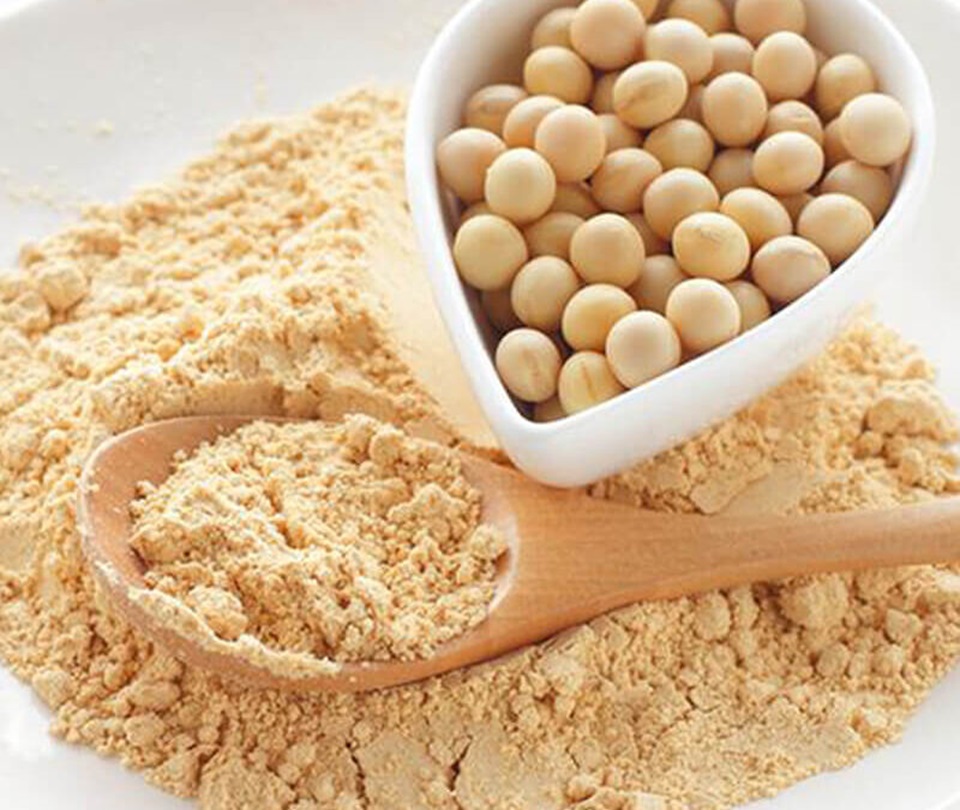
| Appearance | Light cream to white, free-flowing powder |
| Odor | Characteristic, neutral (minimal beany notes) |
CHEMICAL STRUCTURE
Isolated Soy Protein
Glycinin (11S) + β-Conglycinin (7S) + Other Proteins
Structure: High-purity plant protein powder obtained by removing carbohydrates and fat fractions from defatted soy flour; Major protein fractions: Glycinin (11S, ~40%) and β-Conglycinin (7S, ~30%); Contains all essential amino acids (except methionine); PDCAAS ≈ 1.0 (equivalent to complete protein).
SECTION 1: CHEMICAL IDENTITY AND DESCRIPTION
| Parameter | Information |
|---|---|
| Product Name | Isolated Soy Protein |
| Chemical Name | Soy Protein Isolate |
| Synonyms (Turkish) | Soya Proteini İzolatı, İzole Soya Proteini, Soya İzolatı, Soy İzolat Proteini |
| Synonyms (English) | Soy Protein Isolate (SPI), Isolated Soy Protein, Soy Isolate, Soy Protein Powder |
| CAS Number | 9010-10-0 |
| EC Number (EINECS) | 232-720-8 |
| Chemical Class | Plant protein; Isolate; Complete protein |
| Source | Defatted soy flour (Glycine max) |
| Physical State (20°C) | Solid (free-flowing powder) |
| Odor | Characteristic, neutral |
| Color | Light cream to white |
| Taste | Neutral, slight beany (very low) |
SECTION 2: PHYSICAL AND CHEMICAL PROPERTIES
| Property | Value | Test Method / Note |
|---|---|---|
| Appearance | Light cream to white, free-flowing powder | Visual |
| Odor | Characteristic, neutral | Olfactometric |
| Protein Content (dry basis, N×6.25) | ≥ 90% | Kjeldahl |
| Moisture | ≤ 7% | Gravimetric (105°C) |
| Ash | ≤ 5% | Gravimetric (800°C) |
| Fat (Lipid) | ≤ 1% | Soxhlet |
| Carbohydrate (Sugars) | ≤ 5% | – |
| pH (2% Solution, 20°C) | 6.8 – 7.2 | pH Meter |
| Solubility (Water, 25°C) | Moderate | Requires alkaline pH or heat for complete dissolution |
| Viscosity (10% Solution, 25°C) | Low to medium | Brookfield |
| Particle Size | ≥ 95% < 100 μm | Sieve |
| Water Binding Capacity | ~4 – 5 g water / g protein | – |
| Fat Binding Capacity | ~2 – 3 g fat / g protein | – |
| Emulsification Capacity | High | – |
| Gelation Temperature | ~80 – 90°C | – |
| Minimum Gelation Concentration | 8 – 10% (w/w) | – |
| Isoelectric Point (pI) | pH ~4.5 | Maximum insolubility at this pH |
| PDCAAS | ~1.0 | Equivalent to complete protein |
SECTION 3: AMINO ACID PROFILE (g/100g protein)
| Essential Amino Acid | Amount | Essential Amino Acid | Amount |
|---|---|---|---|
| Histidine | ~2.5 | Lysine | ~6.0 |
| Isoleucine | ~4.5 | Methionine + Cystine | ~2.5 |
| Leucine | ~7.5 | Phenylalanine + Tyrosine | ~8.0 |
| Threonine | ~3.5 | Valine | ~4.5 |
| Tryptophan | ~1.2 | – | – |
Note: PDCAAS ≈ 1.0 – equivalent to complete protein.
SECTION 4: MICROBIOLOGICAL PROPERTIES
| Parameter | Limit |
|---|---|
| Total Aerobic Mesophilic Bacteria | ≤ 10,000 CFU/g |
| Coliforms | ≤ 10 CFU/g |
| E. coli | Negative / 25g |
| Salmonella | Negative / 25g |
| Yeast & Mold | ≤ 100 CFU/g |
| Staphylococcus aureus | Negative / 1g |
SECTION 5: HEAVY METAL AND RESIDUE LIMITS
| Parameter | Limit (ppm / mg/kg) |
|---|---|
| Lead (Pb) | ≤ 0.5 |
| Arsenic (As) | ≤ 0.5 |
| Cadmium (Cd) | ≤ 0.2 |
| Mercury (Hg) | ≤ 0.1 |
| Hexane (solvent residue) | ≤ 20 |
| Pesticides | Below limits (EC 396/2005) |
SECTION 6: PRODUCTION PROCESS
| Step | Process | Description |
|---|---|---|
| 1 | Soybean Preparation | High-quality soybeans are selected and cleaned |
| 2 | Defatting | Soybeans are defatted (hexane extraction) |
| 3 | Protein Extraction | Defatted flour is extracted with alkaline water (pH 8-9) |
| 4 | Solid-Liquid Separation | Insoluble solids are removed by centrifugation |
| 5 | Acid Precipitation | Protein solution is adjusted to pH 4.5 to precipitate protein |
| 6 | Washing | Precipitated protein is washed (removes carbohydrates and ash) |
| 7 | Neutralization | pH is adjusted to 6.8-7.2 |
| 8 | Drying | Spray-dried to powder form |
| 9 | Packaging | Packaged in moisture-proof containers |
SECTION 7: FUNCTIONAL PROPERTIES AND MECHANISM OF ACTION
| Property | Description |
|---|---|
| High Protein Content | ≥90% protein; Highest purity plant protein; Contains all essential amino acids |
| Complete Protein | PDCAAS ≈ 1.0; Equivalent to animal proteins; All amino acids except methionine |
| Water Binding | Binds 4-5 times its weight in water; Provides juiciness in meat products |
| Fat Binding | Binds 2-3 times its weight in fat; Fat retention in emulsified products |
| Emulsification | Stabilizes oil-water mixtures; Used in emulsified meat products (sausages, salami) |
| Gelation | Forms gels at 80-90°C; Provides texture in meat alternatives |
| Nutritional Value | High biological value; Muscle development for athletes; Satiety in diet products |
| Cholesterol Reducing | FDA-approved heart health claim; Helps lower LDL cholesterol |
| Isoelectric Point | Insoluble at pH 4.5; Purified by precipitation at this pH |
SECTION 8: MAIN APPLICATION AREAS
| Industry / Application | Function | Typical Use |
|---|---|---|
| Sports Nutrition | High-quality protein source | Protein powders, shakes; Muscle building supplements; Protein bars |
| Meat Alternatives (Vegan/Vegetarian) | Binder, texturizer, emulsifier | Vegan burgers, sausages; Plant-based meat substitutes; Vegan meatballs |
| Protein Bars | Structurant, protein fortification | Sports bars; Energy bars; Snacks |
| Infant Formula | Amino acid supplementation | Baby foods; Child nutrition products (regulated) |
| Bakery | Protein fortification, volume enhancement | Bread, biscuits, crackers; Gluten-free products |
| Milk Alternatives | Emulsion stability, nutrition | Soy milk, plant-based beverages; Yogurt alternatives |
| Meat Products (Emulsified) | Emulsifier, fat binding | Sausages, salami; Emulsified meat products |
| Diet & Functional Foods | Satiety, cholesterol reduction | Low-calorie products; Weight management supplements |
| Pasta & Noodles | Nutritional enhancement, texture improvement | High-protein pasta |
| Soups & Sauces | Thickener, nutrition | Instant soups; Protein-fortified sauces |
SECTION 9: SECTORAL SUITABILITY TABLE
| Industry / Application Area | Suitability Level | Usage Form | Description |
|---|---|---|---|
| Food Industry | High | Meat alternatives, protein bars, infant formula, bakery | Indispensable in vegan/vegetarian products |
| Sports Nutrition | High | Protein powder, shakes, supplement tablets/bars | Ideal for muscle growth and recovery |
| Diet & Functional Foods | High | Low-calorie products, weight management supplements | Satiety, cholesterol-lowering effect |
| Infant Formula | Medium (regulated) | Balanced formulas with other proteins | Subject to EFSA/FDA limits |
| Animal Feed | Low-Medium | High protein supplement | Concentrate preferred; isolate is expensive |
| Pharmaceutical / Nutraceutical | Medium | Tablet/capsule formulations | Due to isoflavone and amino acid profile |
| Cosmetics | Low | Hair and skin care (protein hydrolysate) | Rare; hydrolyzed wheat protein preferred |
SECTION 10: USAGE RATES
| Application | Usage Rate (% by weight) | Function |
|---|---|---|
| Protein Powder / Shake | 70 – 100 | Main protein source |
| Sports Bars | 10 – 25 | Structurant, protein fortification |
| Meat Alternative (Burger, Patties) | 10 – 30 | Binder, texturizer, water retention |
| Sausages, Salami (Emulsified Meat) | 2 – 8 | Emulsifier, fat binding |
| Infant Formula | 5 – 15 | Amino acid profile completion (regulated) |
| Bread, Biscuits, Crackers | 3 – 8 | Protein fortification, volume enhancement |
| Milk Alternative (Beverage) | 2 – 5 | Emulsion stability, nutritional value |
| Pasta, Noodles | 3 – 10 | Nutritional enhancement, texture improvement |
| Soups, Sauces | 1 – 4 | Thickener, nutrition |
Note: Ratios may vary depending on formulation purpose and other ingredients. Excessive use (>30%) may cause bitter taste and rubbery texture.
SECTION 11: ALTERNATIVE PRODUCTS
| Alternative | Protein Ratio | Advantages | Disadvantages |
|---|---|---|---|
| Pea Protein Isolate | 80-85% | Non-GMO, low allergenicity, good amino acid profile | Lower solubility, earthy taste |
| Wheat Protein (Seitan/Gluten) | 75-80% | Cheap, good texture (meat-like) | Contains gluten, lysine deficient |
| Rice Protein Isolate | 80-85% | Hypoallergenic, easy digestion | Low lysine, usually blended with pea |
| Hemp Protein | 50-60% | Contains Omega-3/6, good digestion | Low protein ratio, expensive |
| Chickpea Protein | 50-70% | Good taste, non-GMO | Lower purity, expensive |
| Whey Protein | 80-95% | Fast absorption, complete amino acid | Animal source, lactose intolerance |
| Casein Protein | 80-90% | Slow absorption, night use | Animal source, expensive |
| Egg White Protein | 80-85% | Complete protein, good foaming | Animal source, allergen, expensive |
| Soy Protein Concentrate | 70-80% | Cheaper, better taste (less bitter) | Lower protein, more carbs/fat |
SECTION 12: SAMPLE FORMULATIONS
Protein Shake (1 Serving):
| Component | Amount |
|---|---|
| Isolated Soy Protein | 25 – 30 g |
| Water / Plant Milk | 300 – 350 mL |
| Flavor (vanilla, chocolate) | As required |
| Sweetener | As required |
Instructions: Mix all ingredients in shaker or blender for 20-30 seconds; Optimal dissolution at liquid temperature 15-25°C and pH 7-8; Consume post-workout or as meal replacement.
Vegan Burger Patty (100 kg):
| Component | Amount |
|---|---|
| Isolated Soy Protein | 20 – 30 kg |
| Water | 30 – 40 L |
| Soy Sauce | 5 – 10 L |
| Spices, binders | As required |
| Fat | 5 – 10 kg |
Instructions: Mix soy protein with water and liquid ingredients; Add spices and other dry ingredients; Mix until homogeneous; Shape and cook.
High-Protein Bread (100 kg Flour):
| Component | Amount |
|---|---|
| Flour | 100 kg |
| Isolated Soy Protein | 3 – 8 kg |
| Water | 65 – 75 L |
| Yeast | 2 – 3 kg |
| Salt | 1.5 – 2 kg |
SECTION 13: USAGE INSTRUCTIONS
General Dosing Guide:
| Application | Dosage (%) | Form |
|---|---|---|
| Protein Shake | 70 – 100 | Powder |
| Sports Bars | 10 – 25 | Powder |
| Vegan Burger/Patties | 10 – 30 | Powder (hydrated) |
| Sausages/Salami | 2 – 8 | Powder (hydrated) |
| Infant Formula | 5 – 15 | Powder |
| Bread/Biscuits | 3 – 8 | Powder |
| Milk Alternative | 2 – 5 | Powder |
| Pasta | 3 – 10 | Powder |
Instructions:
-
Hydration: Mix protein powder with water (1:3 to 1:5 ratio); Allow 5-10 minutes; Mix for complete hydration.
-
Dissolution: Dissolve in water at 15-25°C; pH 7-8 provides optimal dissolution; Dissolves better in warm liquid (do not exceed 60°C to prevent gelation).
-
Mixing: Use high-shear mixer; Add powder slowly to prevent clumping.
-
Cooking: Forms gels at 80-90°C; Overcooking may cause tough texture.
SECTION 14: QUALITY SPECIFICATIONS
| Parameter | Food Grade | Pharmaceutical Grade | Test Method |
|---|---|---|---|
| Appearance | Light cream to white powder | Light cream to white powder | Visual |
| Protein Content | ≥ 90% | ≥ 92% | Kjeldahl |
| Moisture Content | ≤ 7% | ≤ 5% | Gravimetric |
| Ash Content | ≤ 5% | ≤ 4% | Gravimetric |
| Fat Content | ≤ 1% | ≤ 0.5% | Soxhlet |
| pH (2% Solution) | 6.8 – 7.2 | 6.8 – 7.2 | pH Meter |
| Heavy Metals | ≤ 10 ppm | ≤ 5 ppm | AAS / ICP |
| Lead (Pb) | ≤ 0.5 ppm | ≤ 0.2 ppm | AAS / ICP |
| Arsenic (As) | ≤ 0.5 ppm | ≤ 0.2 ppm | AAS / ICP |
| Cadmium (Cd) | ≤ 0.2 ppm | ≤ 0.1 ppm | AAS / ICP |
| Salmonella | Absent | Absent | Microbiological |
| E. coli | Absent | Absent | Microbiological |
| Total Plate Count | ≤ 10,000 CFU/g | ≤ 5,000 CFU/g | Microbiological |
| Yeast & Mold | ≤ 100 CFU/g | ≤ 50 CFU/g | Microbiological |
SECTION 15: TOXICOLOGICAL PROFILE
| Parameter | Value |
|---|---|
| Acute Oral Toxicity (LD50, Rat) | > 10,000 mg/kg (practically non-toxic) |
| Acute Dermal Toxicity | Non-irritating |
| Skin Irritation | Non-irritating |
| Eye Irritation | May cause mechanical irritation (powder) |
| Allergenicity | Contains soy – contraindicated for soy allergy sufferers |
| Chronic Toxicity | Non-toxic; FDA GRAS status |
| Carcinogenicity | Not classified as carcinogenic |
| Mutagenicity | Not mutagenic |
| Target Organs | None (non-toxic) |
| Special Toxicity Note | FDA GRAS; Contains soy allergen; High consumption (>50g/day) requires doctor supervision for hypothyroid patients; Contains phytoestrogens (isoflavones); Caution in pregnancy/lactation and hormone-sensitive cancer history; Phytates may reduce absorption of zinc, iron, calcium |
SECTION 16: GHS CLASSIFICATION AND LABELING
GHS Classification (in accordance with CLP and UN GHS):
| Hazard Class | Category | H-Statement |
|---|---|---|
| Not classified as hazardous | – | – |
SIGNAL WORD: NONE (not classified as hazardous)
Hazard Pictograms: NONE
Hazard Statements (H-Codes): Not classified as hazardous under GHS regulations.
NFPA 704 Hazard Classification:
| Health | Flammability | Reactivity | Special |
|---|---|---|---|
| 1 | 1 | 0 | - |
| (Slight health hazard – dust) | (Combustible – dust may form explosive mixture) | (Stable) | (None) |
SECTION 17: PRECAUTIONARY STATEMENTS (P-CODES)
| Code | Statement |
|---|---|
| P261 | Avoid breathing dust/fume/gas/mist/vapors/spray |
| P264 | Wash hands thoroughly after handling |
| P271 | Use only outdoors or in a well-ventilated area |
| P280 | Wear protective gloves/protective clothing/eye protection/face protection |
| P302+P352 | IF ON SKIN: Wash with plenty of soap and water |
| P304+P340 | IF INHALED: Remove person to fresh air and keep comfortable for breathing |
| P305+P351+P338 | IF IN EYES: Rinse cautiously with water for several minutes. Remove contact lenses if present and continue rinsing |
| P312 | Call a POISON CENTER/doctor if you feel unwell |
| P332+P313 | If skin irritation occurs: Get medical advice/attention |
| P337+P313 | If eye irritation persists: Get medical advice/attention |
| P362+P364 | Take off contaminated clothing and wash it before reuse |
| P403+P233 | Store in a well-ventilated place. Keep container tightly closed |
| P501 | Dispose of contents/container in accordance with local/regional/national/international regulations |
SECTION 18: FIRST AID MEASURES
| Exposure Route | Action to Take |
|---|---|
| Inhalation | Remove to fresh air immediately. If respiratory irritation develops (dust inhalation), seek medical attention. |
| Skin Contact | Wash with plenty of soap and water. If irritation persists, get medical attention. |
| Eye Contact | Rinse immediately with plenty of water for at least 15 minutes. Keep eyelids open. Remove contact lenses if present. If irritation persists, seek medical attention. |
| Ingestion | Rinse mouth. Drink plenty of water. Generally non-toxic. If large quantities are ingested and symptoms occur, seek medical attention. |
SECTION 19: FIREFIGHTING MEASURES
| Parameter | Information |
|---|---|
| Fire Hazard | Combustible organic material (high protein content). Dust cloud may form explosive mixture with air (if finely dispersed). |
| Hazards Arising from Fire | Thermal decomposition produces carbon monoxide, carbon dioxide, nitrogen oxides (NOx). |
| Suitable Extinguishing Media | Water spray, CO₂, dry chemical powder, foam. |
| Unsuitable Extinguishing Media | Water jet (may spread dust) |
| Special Protective Equipment | Self-contained breathing apparatus (SCBA), full protective clothing (for surrounding fire). |
| Special Precautions | Prevent dust from entering sewers and waterways. Avoid dust cloud formation. |
SECTION 20: STORAGE AND SHELF LIFE
| Parameter | Information |
|---|---|
| Storage Conditions | Store in a cool, dry, well-ventilated area; PROTECT FROM MOISTURE and high humidity; Keep away from direct sunlight and high temperatures; Storage temperature ≤ 25°C; Relative humidity ≤ 65% |
| Container Requirements | Tightly closed, moisture-proof containers (aluminum foil-lined bags, fiber drums, HDPE containers) |
| Materials to Protect From | Moisture, high humidity, light, strong oxidizing agents, direct heat sources |
| Shelf Life | 24 months (in unopened original packaging, under proper storage conditions) |
| Stability Note | Hygroscopic – absorbs moisture; Protein content may degrade at high temperatures; Keep container tightly closed after opening; Avoid moisture and odor absorption |
| Special Storage Requirements | Store in a dry, well-ventilated warehouse; Avoid exposure to rain, sun, and moisture; Opened containers must be resealed immediately; After opening, store in airtight container at +4°C |
SECTION 21: PACKAGING OPTIONS
| Packaging Type | Quantity | Material |
|---|---|---|
| Aluminum Foil Bag | 5 kg, 10 kg, 25 kg | Aluminum foil laminated bag (moisture-proof) |
| Multi-layer Paper Bag | 10 kg, 20 kg, 25 kg | PE-lined kraft paper bag (moisture-proof) |
| Plastic Bag | 5 kg, 10 kg, 25 kg | PE bag (inner-lined, sealed, moisture-proof) |
| Fiber Drum | 20 kg, 25 kg | PE-lined fiberboard drum |
| Plastic Drum | 25 kg, 50 kg | HDPE / Polypropylene (moisture-proof) |
| FIBC / Big Bag | 500 kg, 1000 kg | PE-lined, moisture-resistant PP woven bag |
SECTION 22: TRANSPORT INFORMATION
| Parameter | Information |
|---|---|
| UN Number | Not regulated (non-hazardous) |
| Hazard Class | Not applicable |
| Packing Group | Not applicable |
| ADR/RID | Not regulated |
| IMDG Code | Not regulated (non-hazardous) |
| IATA (Air) | Not regulated (non-hazardous) |
| Marine Pollutant | No |
| Transport Temperature | Ambient temperature; Protect from moisture. |
SECTION 23: REGULATORY STATUS
| Region / Authority | Status |
|---|---|
| European Union | Approved as Novel Food or traditional food; Food ingredient |
| USA (FDA) | GRAS (Generally Recognized as Safe) – 21 CFR; Food ingredient |
| Turkey | Compliant with Turkish Food Codex (plant proteins and infant formula limits) |
| IARC | Not classified (non-toxic, non-carcinogenic) |
| NTP | Not listed |
| OSHA | Not regulated as toxic or carcinogenic substance |
| California (Prop 65) | Not listed |
| Halal | Suitable (no pork-derived substances in production process) |
| Kosher | Suitable (certified production line) |
| Non-GMO | Optional (certified non-GMO soy must be used) |
| Vegan / Vegetarian | Yes |
SECTION 24: OTHER NAMES AND SYNONYMS
| Category | Names |
|---|---|
| Turkish | Soya Proteini İzolatı, İzole Soya Proteini, Soya İzolatı, Soy İzolat Proteini |
| English | Soy Protein Isolate (SPI), Isolated Soy Protein, Soy Isolate, Soy Protein Powder |
| Technical / Commercial | SPI, ISP (Isolated Soy Protein), Soybean Protein Isolate, Soy Protein Extract |
| Chemical / Legal | CAS 9010-10-0, EINECS 232-720-8, Plant Protein Isolate (general category) |
| Hydrolyzed Forms | Hydrolyzed Soy Protein (HSP), Soy Peptide, Soy Protein Hydrolysate |
| Functional Varieties | Water-washed soy isolate, Acid-washed soy isolate, Enzyme-modified soy isolate |
SECTION 25: SUMMARY TABLE
| Parameter | Value |
|---|---|
| Product | Isolated Soy Protein (SPI) |
| CAS Number | 9010-10-0 |
| Protein Content | ≥ 90% |
| Appearance | Light cream to white powder |
| PDCAAS | ~1.0 (equivalent to complete protein) |
| Isoelectric Point | pH ~4.5 |
| Gelation Temperature | ~80 – 90°C |
| Water Binding Capacity | ~4 – 5 g water / g protein |
| Primary Function | High-quality protein source, meat alternative, emulsifier |
| Main Application Areas | Sports nutrition, meat alternatives, protein bars, infant formula, bakery |
| Shelf Life | 24 months |
| GHS Signal Word | NONE (not classified as hazardous) |
| UN Number | Not regulated |
| Special Properties | Plant-based; Complete protein; Contains soy allergen; Contains phytoestrogens; Non-GMO optional |
SECTION 26: CRITICAL WARNINGS AND BEST PRACTICES
CRITICAL WARNINGS:
-
Not classified as hazardous under GHS. Non-toxic, non-carcinogenic. FDA GRAS status.
-
Contains soy allergen – contraindicated for soy allergy sufferers. Must be labeled accordingly.
-
Hygroscopic – absorbs moisture from air. Store in tightly closed, moisture-proof containers.
-
Dust may cause mechanical irritation to eyes, skin, and respiratory system. Use appropriate dust control measures.
-
Combustible (organic material, high protein content). Keep away from open flames and high heat. Dust cloud may form explosive mixture.
-
High consumption (>50g/day) requires doctor supervision for hypothyroid patients.
-
Phytoestrogens (isoflavones) – caution in pregnancy/lactation and hormone-sensitive cancer history.
-
Phytates – may reduce absorption of zinc, iron, and calcium.
-
PDCAAS ≈ 1.0 – equivalent to complete protein; Alternative to animal proteins.
-
Vegan/vegetarian – no animal content.
BEST PRACTICE RECOMMENDATIONS:
Sports Nutrition: Use as high-quality protein source; 25-30 g per serving; Consume post-workout or as meal replacement; Liquid temperature 15-25°C, pH 7-8 provides optimal dissolution.
Meat Alternatives (Vegan/Vegetarian): Use as binder, texturizer, and emulsifier; 10-30% ratio; Hydrate with water (1:3-1:5); Mix with spices and fat; Forms gel at 80-90°C during cooking.
Protein Bars: Use as structurant and protein fortification; 10-25% ratio; Mix with other ingredients; Excessive use may cause bitter taste.
Infant Formula: Use for amino acid supplementation; 5-15% ratio; Subject to EFSA/FDA limits; Requires regulated formulation.
Bakery: Use for protein fortification and volume enhancement; 3-8% ratio; Add to flour; Adjust water content.
Milk Alternatives: Use for emulsion stability and nutrition; 2-5% ratio; Functions as emulsion stabilizer in plant-based beverages.
Handling: Use in well-ventilated areas; Avoid dust formation; Use dust masks (N95/FFP2) when handling powder; Use gloves and safety goggles.
Personal Protective Equipment: Dust mask (N95/FFP2 or higher), safety goggles, protective gloves (nitrile, neoprene). Not required for solution handling.
Hygiene: Wash hands thoroughly after handling; Do not eat, drink, or smoke while using.
Storage: Store in tightly closed, moisture-proof containers; Store in a cool, dry, well-ventilated area (≤25°C, ≤65% humidity); Protect from moisture, light, and heat; Opened containers must be resealed immediately; After opening, store in airtight container at +4°C; Shelf life: 24 months under proper conditions.
Spill Management: Sweep or vacuum (HEPA) and place in suitable sealed container; Avoid dust formation; Do not allow entry into drains or waterways.
Disposal: Dispose of in accordance with local, regional, and national regulations; Non-hazardous waste; Biodegradable; Can be disposed of in compliance with regulations.
SOY PROTEIN ISOLATE vs CONCENTRATE COMPARISON:
| Property | Isolate (SPI) | Concentrate (SPC) |
|---|---|---|
| Protein Content | ≥ 90% | 70 – 80% |
| Carbohydrate | ≤ 5% | 10 – 20% |
| Fat | ≤ 1% | ≤ 5% |
| Taste | Neutral | More pronounced beany |
| Cost | Higher | Lower |
| Application | Sports, infant formula | Meat products, bakery |
LEGAL DISCLAIMER:
The information provided in this document is based on our current knowledge and experience and is presented in good faith. However, as all conditions of use are beyond our control, it does not constitute a binding specification or warranty. This Technical Data Sheet is for informational purposes only. Users are responsible for testing the suitability for their own applications. For complete safety, storage, use, handling, waste, and regulatory compliance information, please refer to the official Safety Data Sheet (SDS/MSDS) provided by the manufacturer/supplier. This product contains soy allergen and must be labeled accordingly for soy allergy.