We unleash your business potential by maximize the business innovation.
Send EmailYeast Extract, Yeast Extract Powder, Yeast Essence, Baker's Yeast Extract, 8013-01-2
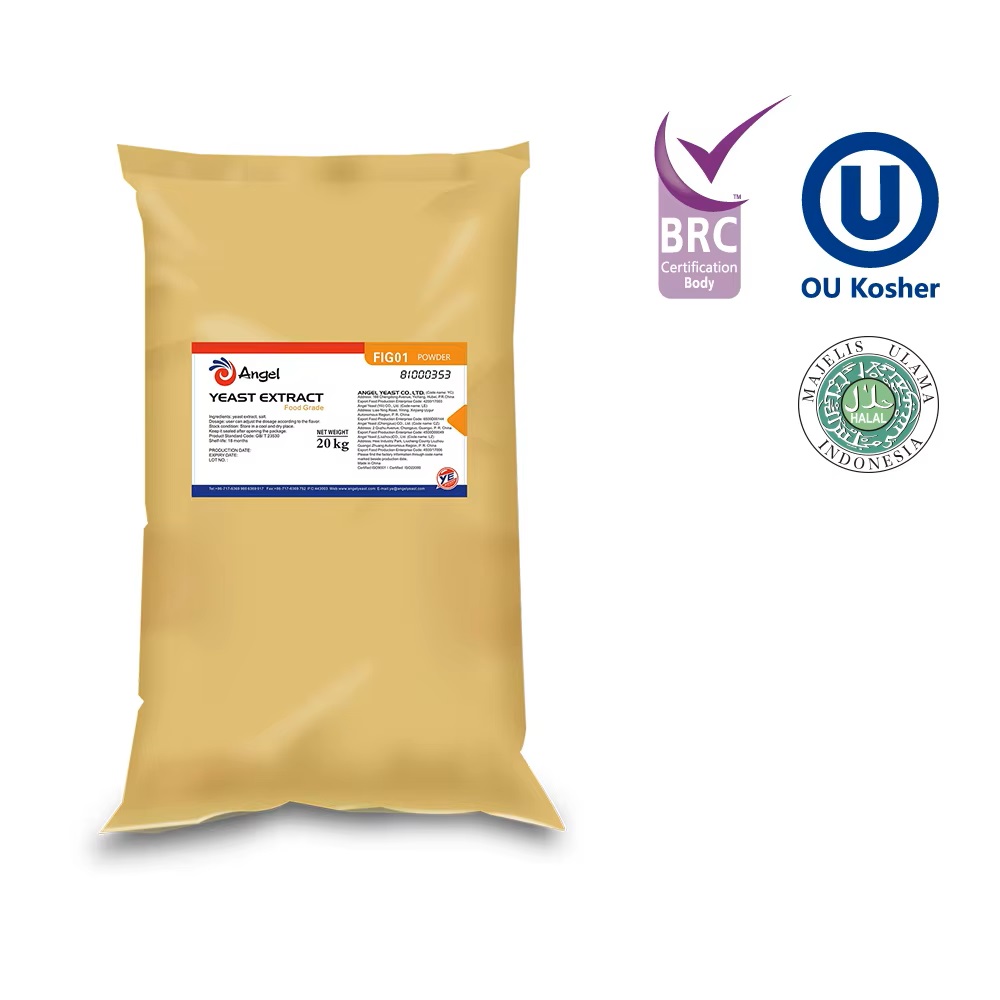
Yeast Extract
Definition & Names
-
Known as Yeast Extract, Baker’s Yeast Extract, Yeast Essence.
-
Derived from baker’s yeast (Saccharomyces cerevisiae).
-
CAS number: 8013-01-2.
Production Process
-
Made through autolysis: yeast cells are heated, their own enzymes break down proteins into simpler compounds.
-
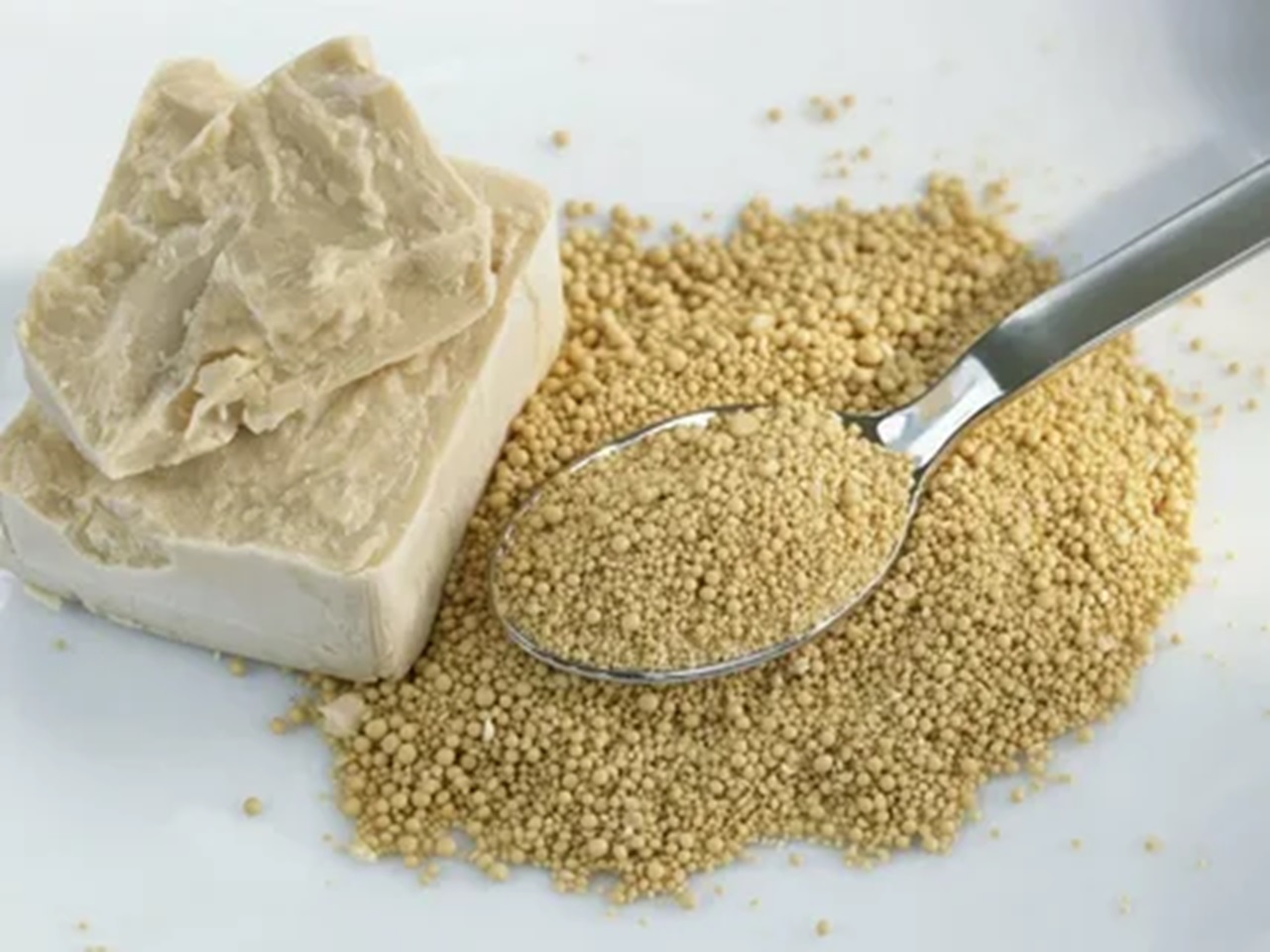
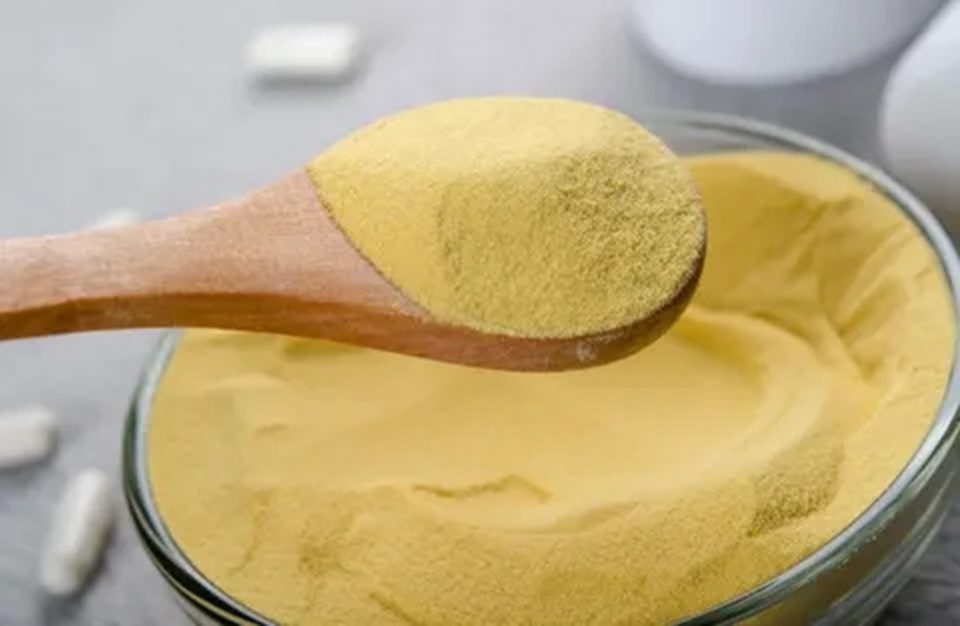
Cell walls are removed, leaving a nutrient-rich liquid that can be dried into paste or powder.
Composition & Properties
-
Contains proteins, amino acids, carbohydrates, vitamins (B-complex except B12), and minerals.
-
Rich in glutamic acid, which provides the umami taste.
-
Protein quality is comparable to egg or milk according to FAO.
Applications
-
Widely used in soups, sauces, bouillons, meat products, ready meals, and savory snacks.
-
Also used in microbiological media as a nutrient source.
-
Vegan- and vegetarian-friendly, since it contains no meat.
Benefits
-
Supplies all essential amino acids with high bioavailability.
-
Provides B vitamins, fiber, and minerals.
-
Non-allergenic compared to soy proteins.
-
Enhances flavor, allowing reduced salt usage in recipes.
-
Typically used in very small amounts (<1%).
Flavor Profile
-
Similar to homemade meat bouillon.
-
Delivers umami taste naturally via glutamate.
-
Different from MSG:
-
Yeast extract contains ~5% glutamate (natural, complex flavor).
-
MSG is pure glutamate (100%) and only boosts existing taste without adding its own.
-
In short: Yeast extract is a natural, nutrient-rich flavor enhancer made from yeast cells. It provides umami taste, improves food flavor, reduces salt needs, and is suitable for vegan diets. Unlike MSG, it is a complex ingredient with nutritional value, not just a single additive.