We unleash your business potential by maximize the business innovation.
Send EmailPotato Starch, Corn Starch, Maize Starch, Modified Starch, Native Starch, E1414, 9005-25-8
POTATO STARCH & CORN STARCH
PRODUCT IDENTIFICATION INFORMATION
| Parameter | Potato Starch | Corn Starch |
|---|---|---|
| Product Name | Potato Starch | Corn Starch |
| Chemical Name | Potato Starch | Corn Starch / Maize Starch |
| Synonyms (Turkish) | Patates Nişastası | Mısır Nişastası |
| Synonyms (English) | Potato Starch, Potato Flour | Corn Starch, Maize Starch, Cornflour |
| CAS Number | 9005-25-8 | 9005-25-8 |
| E Number | E1414 (modified) / Native | E1414 (modified) / Native |
| Source | Potato tubers | Corn kernels (maize) |
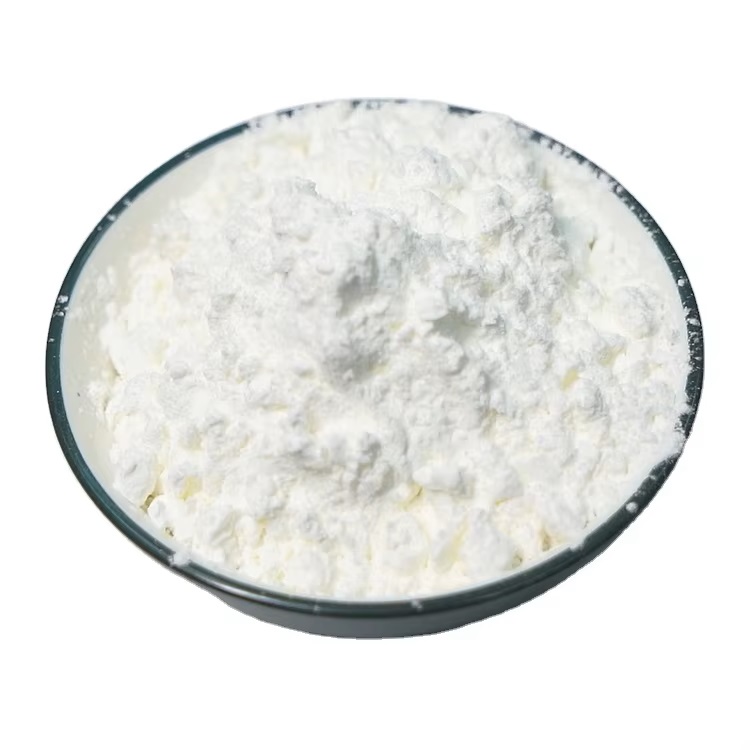
| Appearance | White, homogeneous powder | White, fine powder |
| Odor | Odorless | Odorless |
CHEMICAL STRUCTURE
Starch (General Structure)
Amylose (Linear) + Amylopectin (Branched)
—(α-D-Glucose)ₙ—
Molecular Formula: (C₆H₁₀O₅)ₙ
Structure: Natural polysaccharide composed of two components:
-
Amylose (20-30%): Linear polymer of α-D-glucose linked by α-1,4 glycosidic bonds
-
Amylopectin (70-80%): Branched polymer with α-1,4 and α-1,6 glycosidic bonds
-
Potato Starch: Higher amylose content, larger granules, higher viscosity
-
Corn Starch: Lower amylose content, smaller granules, moderate viscosity
SECTION 1: CHEMICAL IDENTITY AND DESCRIPTION
| Parameter | Potato Starch | Corn Starch |
|---|---|---|
| Product Name | Potato Starch | Corn Starch |
| Chemical Name | Potato Starch | Corn Starch / Maize Starch |
| Synonyms (Turkish) | Patates Nişastası | Mısır Nişastası |
| Synonyms (English) | Potato Starch, Potato Flour | Corn Starch, Maize Starch, Cornflour |
| CAS Number | 9005-25-8 | 9005-25-8 |
| E Number | Native / E1414 (modified) | Native / E1414 (modified) |
| Chemical Class | Natural polysaccharide; Carbohydrate | Natural polysaccharide; Carbohydrate |
| Source | Potato tubers (Solanum tuberosum) | Corn kernels (Zea mays) |
| Appearance | White, homogeneous powder | White, fine powder |
| Odor | Odorless | Odorless |
| Taste | Tasteless | Tasteless |
SECTION 2: PHYSICAL AND CHEMICAL PROPERTIES
| Property | Potato Starch | Corn Starch | Test Method / Note |
|---|---|---|---|
| Appearance | White, homogeneous powder | White, fine powder | Visual |
| Odor | Odorless | Odorless | Olfactometric |
| Moisture Content | ≤ 20.5% | ≤ 12-14% | Gravimetric |
| pH (10% Slurry) | 6.0 – 8.0 | 5.5 – 7.0 | pH Meter |
| Granule Size | 15 – 100 μm | 5 – 25 μm | Microscopy |
| Amylose Content | ~25-30% | ~25-28% | – |
| Amylopectin Content | ~70-75% | ~72-75% | – |
| Gelatinization Temperature | 58-65°C | 62-72°C | DSC |
| Peak Viscosity | Very High (800-1500 BU) | High (600-1000 BU) | Rapid Visco Analyzer |
| Pasting Temperature | Low | Medium | – |
| Gel Clarity | Translucent (semi-transparent) | Opaque | – |
| Retrogradation | Low | High | – |
| Freeze-Thaw Stability | Good | Poor | – |
| Sulfur Dioxide (SO₂) | ≤ 5 ppm | ≤ 10 ppm | – |
| Protein Content | ≤ 0.5% | ≤ 0.3% | – |
| Fat Content | ≤ 0.1% | ≤ 0.1% | – |
| Ash Content | ≤ 0.5% | ≤ 0.2% | – |
| Solubility in Cold Water | Insoluble | Insoluble | General Method |
| Solubility in Hot Water | Soluble (gelatinizes) | Soluble (gelatinizes) | General Method |
| Gluten Content | Gluten-free | Gluten-free | – |
SECTION 3: POTATO STARCH VS CORN STARCH COMPARISON
| Property | Potato Starch | Corn Starch |
|---|---|---|
| Source | Potato tubers | Corn kernels |
| Granule Size | Large (15-100 μm) | Small (5-25 μm) |
| Gelatinization Temperature | Low (58-65°C) | Higher (62-72°C) |
| Peak Viscosity | Very High | High |
| Gel Clarity | Translucent (semi-transparent) | Opaque |
| Retrogradation | Low (less thickening) | High (thickens on cooling) |
| Freeze-Thaw Stability | Good | Poor |
| Crispiness (Frying) | Higher (becomes crispier) | Moderate |
| Binding Strength | Excellent | Good |
| Textile Industry Use | Excellent | Moderate |
| Cost | Higher | Lower |
| Primary Use | Soups, sauces, desserts, textiles, pharmaceuticals | Sauces, soups, bakery, frying |
| E Number | Native / E1414 (modified) | Native / E1414 (modified) |
SECTION 4: CHEMICAL PROPERTIES AND REACTIVITY
| Parameter | Information |
|---|---|
| Chemical Character | Natural polysaccharide; Carbohydrate; Non-ionic; Thickener; Binder |
| Stability | Stable under normal conditions; Hygroscopic; Gelatinizes upon heating |
| Reactivity | Gelatinizes in hot water; Retrogrades upon cooling; Crosslinks with chemical agents (modified starches) |
| Incompatible Materials | Strong oxidizing agents, strong acids (hydrolysis) |
| Polymerization | Does not polymerize |
| Degradation Products (Heating) | Carbon dioxide, water (combustion) |
| Gelatinization | Irreversible swelling and dissolution upon heating in water |
| Retrogradation | Reassociation of starch molecules upon cooling (thickening) |
| Hydrolysis | Acid hydrolysis to glucose; Enzymatic hydrolysis by amylase |
| Crosslinking | Can be crosslinked with chemical agents to modify properties |
| Film Formation | Forms films upon drying |
SECTION 5: PRODUCTION METHOD
Potato Starch Production:
| Step | Process |
|---|---|
| 1 | Potatoes are washed and cleaned |
| 2 | Potatoes are crushed and ground |
| 3 | Starch is extracted with water (cell juice removed) |
| 4 | Starch slurry is purified (centrifugation) |
| 5 | Starch is dried and milled |
Corn Starch Production:
| Step | Process |
|---|---|
| 1 | Corn kernels are cleaned and steeped in water (sulfurous acid) |
| 2 | Germ is separated |
| 3 | Kernels are ground and fiber removed |
| 4 | Starch is separated from protein (centrifugation) |
| 5 | Starch is washed, dried, and milled |
SECTION 6: FUNCTIONAL PROPERTIES AND MECHANISM OF ACTION
| Property | Potato Starch | Corn Starch | Description |
|---|---|---|---|
| Thickener | Excellent | Excellent | Gelatinizes upon heating to increase viscosity |
| Binder | Excellent | Good | Binds particles together |
| Gelling Agent | Good | Good | Forms gels upon cooling |
| Texturizer | Excellent | Good | Provides texture and body |
| Crispiness Enhancer | Excellent | Moderate | Improves crispiness in fried foods |
| Film Former | Good | Good | Forms edible films |
| Water Retention | Excellent | Good | Holds water in food products |
| Freeze-Thaw Stability | Good | Poor | Resists syneresis after freezing |
| Gel Clarity | Translucent | Opaque | Potato starch gives clearer gels |
| Retrogradation | Low | High | Potato starch retrogrades less |
| Gluten-free | Yes | Yes | Suitable for celiac patients |
SECTION 7: MAIN APPLICATION AREAS
7.1 Potato Starch Applications
| Industry / Application | Function | Typical Use |
|---|---|---|
| Food Industry | Thickener, binder, texturizer | Soups, sauces, gravies; Desserts, puddings; Bakery products; Processed meats; Frozen foods; Snack coatings; Salep production |
| Bakery | Moisture retention, texture | Bread, cakes, cookies; Gluten-free products |
| Confectionery | Binder, texture | Candies, chewing gum, marshmallows |
| Dairy Products | Thickener, stabilizer | Yogurt, ice cream, puddings |
| Textile Industry | Sizing agent, thickener | Fabric finishing, printing pastes |
| Paper Industry | Surface sizing, coating | Paper coatings, surface sizing |
| Pharmaceuticals | Binder, disintegrant | Tablets, capsules |
| Cosmetics | Thickener, binder | Creams, lotions, powders |
| Animal Feed | Binder, thickener | Pellet binding |
| Adhesives | Binder, thickener | Glues, pastes |
| Mining | Flocculant, thickener | Mineral processing |
| Water Treatment | Flocculant | Wastewater treatment |
7.2 Corn Starch Applications
| Industry / Application | Function | Typical Use |
|---|---|---|
| Food Industry | Thickener, binder, texturizer | Sauces, soups, gravies; Puddings, custards; Bakery products; Processed meats; Frozen foods; Coatings for frying |
| Bakery | Texture, moisture | Bread, cakes, cookies; Gluten-free products |
| Confectionery | Binder, gelling agent | Candies, marshmallows |
| Dairy Products | Thickener | Yogurt, ice cream |
| Frying | Crispiness enhancer | Fried chicken, fish, vegetables |
| Textile Industry | Sizing agent | Fabric finishing |
| Paper Industry | Coating, sizing | Paper manufacturing |
| Pharmaceuticals | Binder, disintegrant | Tablets, capsules |
| Cosmetics | Thickener | Powders, creams |
| Biotechnology | Substrate | Fermentation, ethanol production |
SECTION 8: SAMPLE FORMULATIONS
Thickening with Potato Starch (1 L Sauce):
| Component | Amount |
|---|---|
| Liquid (Water/Broth/Milk) | 1 L |
| Potato Starch | 20 – 40 g |
| Seasonings | To taste |
Instructions: Mix starch with cold liquid (slurry); Add to hot liquid with stirring; Heat to 85-95°C until thickened; Cook for 1-2 minutes.
Thickening with Corn Starch (1 L Sauce):
| Component | Amount |
|---|---|
| Liquid (Water/Broth/Milk) | 1 L |
| Corn Starch | 20 – 30 g |
| Seasonings | To taste |
Instructions: Mix starch with cold liquid (slurry); Add to hot liquid with stirring; Heat to 90-95°C until thickened; Cook for 1-2 minutes.
Frying Coating (Potato Starch):
| Component | Amount |
|---|---|
| Potato Starch | 100 g |
| Flour | 100 g |
| Seasonings | To taste |
Instructions: Mix dry ingredients; Coat food; Fry until golden and crispy.
SECTION 9: USAGE INSTRUCTIONS
General Dosing Guide:
| Application | Potato Starch (%) | Corn Starch (%) |
|---|---|---|
| Soups | 1 – 3% | 1 – 3% |
| Sauces | 2 – 4% | 2 – 4% |
| Gravies | 2 – 5% | 2 – 5% |
| Puddings | 3 – 6% | 3 – 6% |
| Bakery | 2 – 5% | 2 – 5% |
| Meat Products | 1 – 3% | 1 – 3% |
| Frozen Foods | 2 – 4% | 2 – 4% |
Instructions:
-
Slurry Preparation: Mix starch with cold water (1:2 ratio) to form a smooth slurry.
-
Addition: Add slurry to hot liquid with continuous stirring.
-
Heating: Heat to gelatinization temperature (Potato: 58-65°C; Corn: 62-72°C).
-
Cooking: Cook for 1-2 minutes after thickening (to remove raw taste).
-
Cooling: Starch will thicken further upon cooling.
-
Storage: Starch solutions are not stable for long periods (syneresis may occur).
SECTION 10: QUALITY SPECIFICATIONS
| Parameter | Potato Starch (Food Grade) | Corn Starch (Food Grade) | Test Method |
|---|---|---|---|
| Appearance | White, homogeneous powder | White, fine powder | Visual |
| Moisture Content | ≤ 20.5% | ≤ 14% | Gravimetric (105°C) |
| pH (10% Slurry) | 6.0 – 8.0 | 5.5 – 7.0 | pH Meter |
| Ash Content | ≤ 0.5% | ≤ 0.2% | Gravimetric (800°C) |
| Protein Content | ≤ 0.5% | ≤ 0.3% | Kjeldahl |
| Fat Content | ≤ 0.1% | ≤ 0.1% | Soxhlet |
| Sulfur Dioxide (SO₂) | ≤ 5 ppm | ≤ 10 ppm | – |
| Granule Size | 15 – 100 μm | 5 – 25 μm | Microscopy |
| Gelatinization Temp | 58 – 65°C | 62 – 72°C | DSC |
| Viscosity (Peak) | 800 – 1500 BU | 600 – 1000 BU | RVA |
| Heavy Metals (as Pb) | ≤ 10 ppm | ≤ 10 ppm | AAS / ICP |
| Arsenic (As) | ≤ 3 ppm | ≤ 3 ppm | AAS / ICP |
| Salmonella | Absent | Absent | Microbiological |
| E. coli | Absent | Absent | Microbiological |
SECTION 11: TOXICOLOGICAL PROFILE
| Parameter | Potato Starch | Corn Starch |
|---|---|---|
| Acute Oral Toxicity (LD50, Rat) | > 10,000 mg/kg (non-toxic) | > 10,000 mg/kg (non-toxic) |
| Acute Dermal Toxicity | Non-irritating | Non-irritating |
| Skin Irritation | Non-irritating | Non-irritating |
| Eye Irritation | May cause mechanical irritation | May cause mechanical irritation |
| Chronic Toxicity | Non-toxic; GRAS status | Non-toxic; GRAS status |
| Carcinogenicity | Not classified as carcinogenic | Not classified as carcinogenic |
| Mutagenicity | Not mutagenic | Not mutagenic |
| Allergenicity | Not a known allergen | Not a known allergen |
| Gluten Content | Gluten-free | Gluten-free |
| Special Toxicity Note | Non-toxic; GRAS status; Gluten-free; Suitable for celiac patients; High doses may cause digestive discomfort; Raw starch is not digestible |
SECTION 12: GHS CLASSIFICATION AND LABELING
GHS Classification (in accordance with CLP and UN GHS):
| Hazard Class | Category | H-Statement |
|---|---|---|
| Not classified as hazardous | – | – |
SIGNAL WORD: NONE (not classified as hazardous)
Hazard Pictograms: NONE
Hazard Statements (H-Codes): Not classified as hazardous under GHS regulations.
NFPA 704 Hazard Classification:
| Health | Flammability | Reactivity | Special |
|---|---|---|---|
| 1 | 1 | 0 | - |
| (Slight health hazard – dust) | (Combustible – dust may form explosive mixture) | (Stable) | (None) |
SECTION 13: PRECAUTIONARY STATEMENTS (P-CODES)
| Code | Statement |
|---|---|
| P261 | Avoid breathing dust/fume/gas/mist/vapors/spray |
| P264 | Wash hands thoroughly after handling |
| P271 | Use only outdoors or in a well-ventilated area |
| P280 | Wear protective gloves/protective clothing/eye protection/face protection |
| P302+P352 | IF ON SKIN: Wash with plenty of soap and water |
| P304+P340 | IF INHALED: Remove person to fresh air and keep comfortable for breathing |
| P305+P351+P338 | IF IN EYES: Rinse cautiously with water for several minutes. Remove contact lenses if present and continue rinsing |
| P312 | Call a POISON CENTER/doctor if you feel unwell |
| P332+P313 | If skin irritation occurs: Get medical advice/attention |
| P337+P313 | If eye irritation persists: Get medical advice/attention |
| P362+P364 | Take off contaminated clothing and wash it before reuse |
| P403+P233 | Store in a well-ventilated place. Keep container tightly closed |
| P501 | Dispose of contents/container in accordance with local/regional/national/international regulations |
SECTION 14: FIRST AID MEASURES
| Exposure Route | Action to Take |
|---|---|
| Inhalation | Remove to fresh air immediately. If respiratory irritation develops (dust inhalation), seek medical attention. |
| Skin Contact | Wash with plenty of soap and water. If irritation persists, get medical attention. |
| Eye Contact | Rinse immediately with plenty of water for at least 15 minutes. Keep eyelids open. Remove contact lenses if present. If irritation persists, seek medical attention. |
| Ingestion | Rinse mouth. Drink plenty of water. Generally non-toxic. If large quantities are ingested and symptoms occur, seek medical attention. |
SECTION 15: FIREFIGHTING MEASURES
| Parameter | Information |
|---|---|
| Fire Hazard | Combustible organic material. Dust cloud may form explosive mixture with air (if finely dispersed). |
| Hazards Arising from Fire | Thermal decomposition produces carbon monoxide, carbon dioxide, and water. |
| Suitable Extinguishing Media | Water spray, CO₂, dry chemical powder, foam. |
| Unsuitable Extinguishing Media | Water jet (may spread dust) |
| Special Protective Equipment | Self-contained breathing apparatus (SCBA), full protective clothing (for surrounding fire). |
| Special Precautions | Prevent dust from entering sewers and waterways. Avoid dust cloud formation. |
SECTION 16: STORAGE AND SHELF LIFE
| Parameter | Potato Starch | Corn Starch |
|---|---|---|
| Storage Conditions | Store in a cool, dry, well-ventilated area; PROTECT FROM MOISTURE and high humidity; Keep away from direct sunlight and high temperatures | Store in a cool, dry, well-ventilated area; PROTECT FROM MOISTURE and high humidity |
| Container Requirements | Tightly closed, moisture-proof containers (plastic bags, fiber drums, paper bags with PE liner) | Tightly closed, moisture-proof containers |
| Materials to Protect From | Moisture, high humidity, strong oxidizing agents, direct heat sources | Moisture, high humidity, strong oxidizing agents |
| Shelf Life | 24 – 36 months (in unopened original packaging) | 24 – 36 months |
| Stability Note | Hygroscopic – absorbs moisture; Keep container tightly closed after opening; Protect from excessive humidity | Hygroscopic – absorbs moisture; Keep container tightly closed after opening |
| Special Storage Requirements | Store in a dry, well-ventilated warehouse; Avoid exposure to rain, sun, and moisture; Opened containers must be resealed immediately | Same as potato starch |
SECTION 17: PACKAGING OPTIONS
| Packaging Type | Quantity | Material |
|---|---|---|
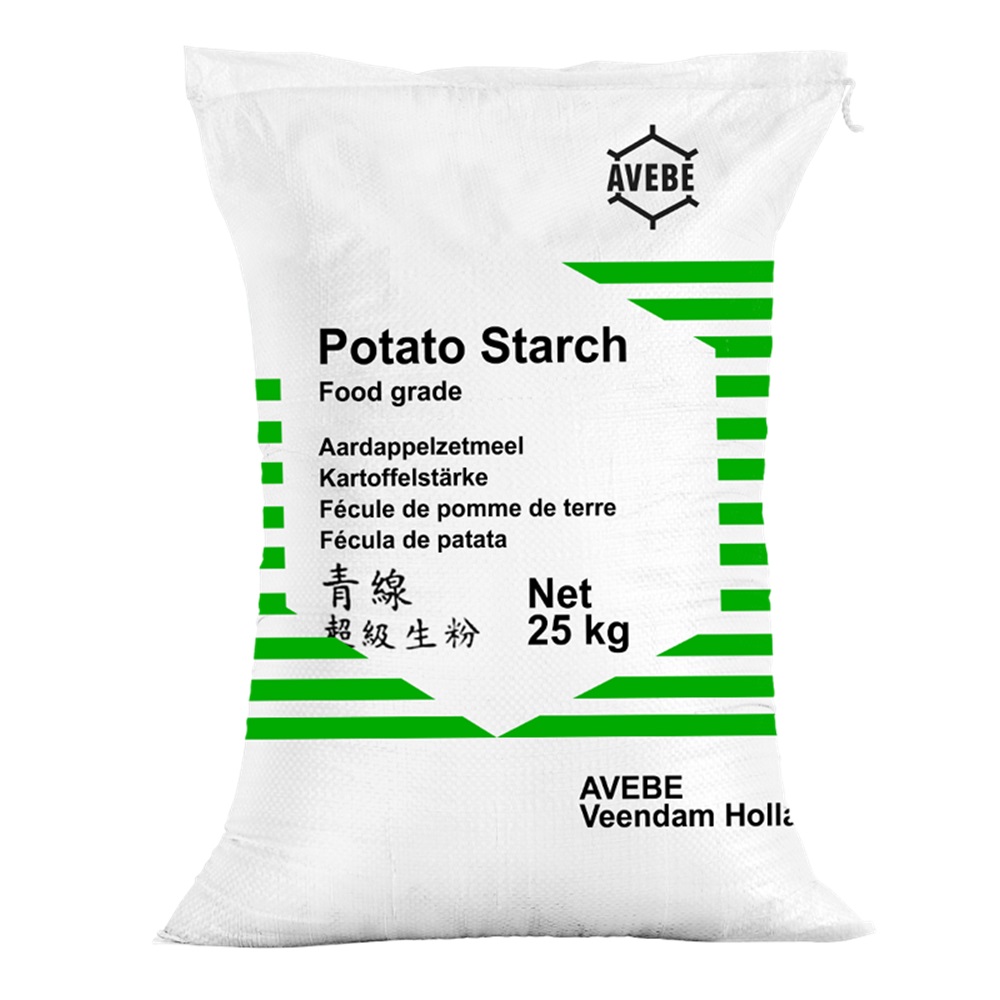
| Multi-layer Paper Bag | 10 kg, 20 kg, 25 kg | PE-lined kraft paper bag (moisture-proof) |
| Plastic Bag | 5 kg, 10 kg, 25 kg | PE bag (inner-lined, sealed, moisture-proof) |
| Fiber Drum | 20 kg, 25 kg | PE-lined fiberboard drum |
| Plastic Drum | 25 kg, 50 kg | HDPE / Polypropylene (moisture-proof) |
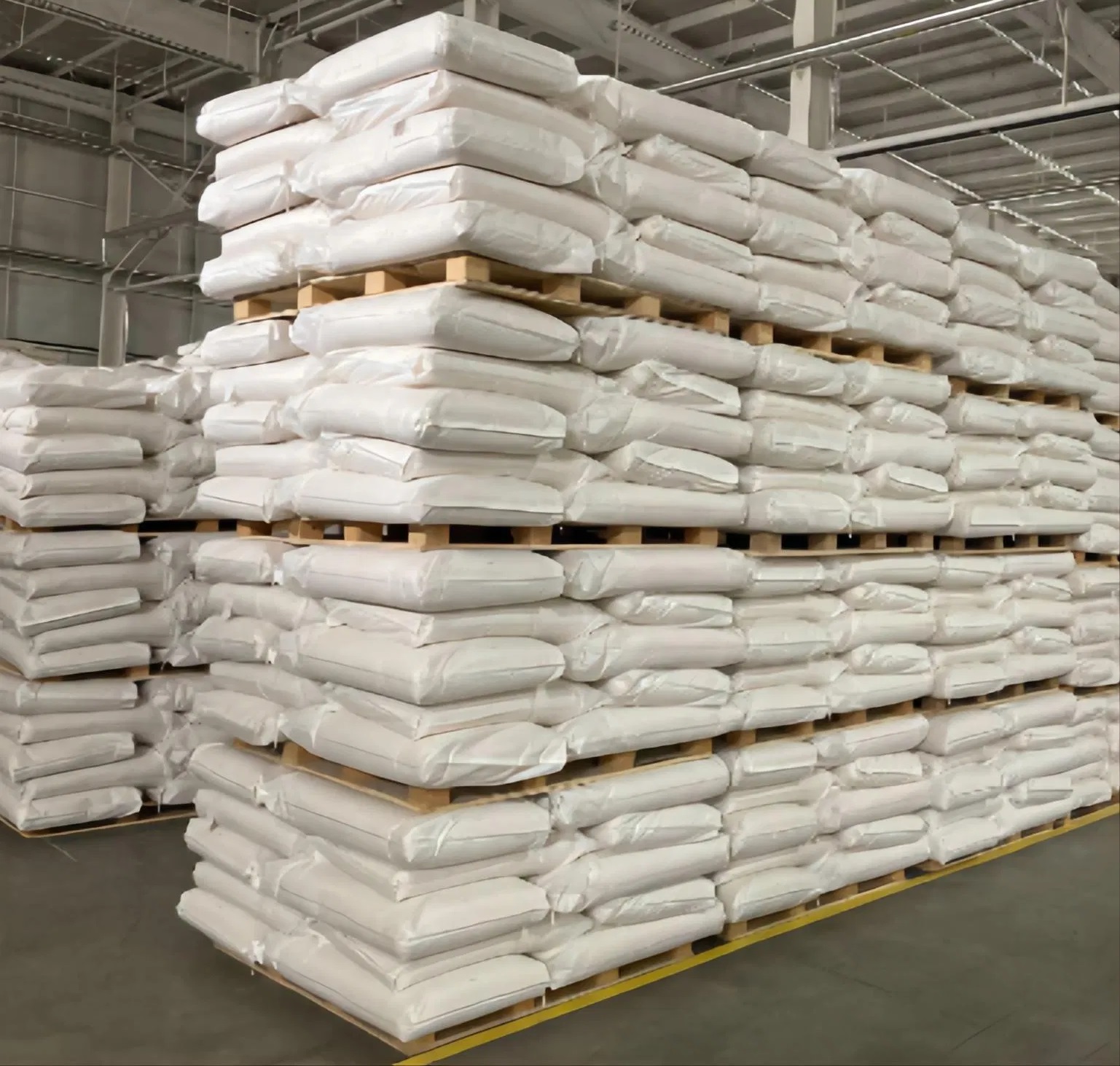
| FIBC / Big Bag | 500 kg, 1000 kg | PE-lined, moisture-resistant PP woven bag |
| Small Pack | 1 kg, 5 kg | Foil-lined plastic bags (laboratory/sample) |
SECTION 18: TRANSPORT INFORMATION
| Parameter | Information |
|---|---|
| UN Number | Not regulated (non-hazardous) |
| Hazard Class | Not applicable |
| Packing Group | Not applicable |
| ADR/RID | Not regulated |
| IMDG Code | Not regulated (non-hazardous) |
| IATA (Air) | Not regulated (non-hazardous) |
| Marine Pollutant | No |
| Transport Temperature | Ambient temperature; Protect from moisture. |
SECTION 19: REGULATORY STATUS
| Region / Authority | Status |
|---|---|
| European Union | Food additive; Approved; Not classified as hazardous |
| USA (TSCA) | Listed (TSCA Inventory) |
| USA (FDA) | GRAS (Generally Recognized as Safe); Food starch |
| Turkey | Food additive; Subject to KKDIK regulation |
| IARC | Not classified (non-toxic, non-carcinogenic) |
| NTP | Not listed |
| OSHA | Not regulated as toxic or carcinogenic substance |
| California (Prop 65) | Not listed |
| WHO JECFA | Approved |
| FCC (Food Chemicals Codex) | Listed |
| Halal | Yes |
| Kosher | Yes (with certification) |
| Vegan | Yes (plant-based) |
| Gluten-free | Yes |
SECTION 20: OTHER NAMES AND SYNONYMS
| Type | Potato Starch | Corn Starch |
|---|---|---|
| Turkish Names | Patates Nişastası | Mısır Nişastası |
| English Names | Potato Starch, Potato Flour | Corn Starch, Maize Starch, Cornflour |
| E Number | E1414 (modified) / Native | E1414 (modified) / Native |
| CAS Number | 9005-25-8 | 9005-25-8 |
| HS Code | 1108.13 | 1108.12 |
| Synonyms | Potato Flour, Starch from Potatoes | Corn Starch, Maize Starch, Cornflour |
SECTION 21: SUMMARY TABLE
| Parameter | Potato Starch | Corn Starch |
|---|---|---|
| Product | Potato Starch | Corn Starch |
| CAS Number | 9005-25-8 | 9005-25-8 |
| Source | Potato tubers | Corn kernels |
| Appearance | White, homogeneous powder | White, fine powder |
| Moisture Content | ≤ 20.5% | ≤ 14% |
| pH (10% Slurry) | 6.0 – 8.0 | 5.5 – 7.0 |
| Gelatinization Temperature | 58 – 65°C | 62 – 72°C |
| Peak Viscosity | Very High (800-1500 BU) | High (600-1000 BU) |
| Gel Clarity | Translucent | Opaque |
| Freeze-Thaw Stability | Good | Poor |
| Primary Function | Thickener, binder, texturizer | Thickener, binder, texturizer |
| Main Application Areas | Food (soups, sauces, bakery), textiles, pharmaceuticals | Food (sauces, bakery, frying), textiles, paper |
| Shelf Life | 24 – 36 months | 24 – 36 months |
| GHS Signal Word | NONE | NONE |
| UN Number | Not regulated | Not regulated |
| Gluten-free | Yes | Yes |
| Vegan | Yes | Yes |
SECTION 22: CRITICAL WARNINGS AND BEST PRACTICESCRITICAL WARNINGS:
-
Not classified as hazardous under GHS. Non-toxic, non-carcinogenic. FDA GRAS status.
-
Hygroscopic – absorbs moisture from air. Store in tightly closed, moisture-proof containers.
-
Dust may cause mechanical irritation to eyes, skin, and respiratory system. Use appropriate dust control measures.
-
Combustible (organic material). Keep away from open flames and high heat. Dust cloud may form explosive mixture.
-
Potato Starch gives higher viscosity – use lower dosage compared to corn starch.
-
Potato Starch has lower gelatinization temperature – thickens at lower temperatures.
-
Potato Starch gives clearer gels – preferred for transparent applications.
-
Potato Starch has better freeze-thaw stability – preferred for frozen foods.
-
Corn Starch retrogrades more – thickens further on cooling.
-
Always make a slurry with cold water before adding to hot liquid (prevents lumps).
-
Gluten-free – suitable for celiac patients.
BEST PRACTICE RECOMMENDATIONS:
Thickening: Use 2-4% starch for sauces and soups; Potato starch gives higher viscosity (use less); Corn starch gives moderate viscosity; Always make cold water slurry before adding to hot liquid.
Frying: Potato starch gives crispier results; Use as coating for fried foods; Mix with flour for better adhesion; Do not overcrowd during frying.
Bakery: Use 2-5% starch for improved texture; Potato starch for better moisture retention; Corn starch for lighter texture; Gluten-free baking requires starch blends.
Frozen Foods: Potato starch has better freeze-thaw stability; Use for frozen soups, sauces, and prepared meals; Prevents syneresis (water separation).
Handling: Use in well-ventilated areas; Avoid dust formation; Use dust masks (N95/FFP2) when handling powder; Use gloves and safety goggles.
Personal Protective Equipment: Dust mask (N95/FFP2 or higher), safety goggles, protective gloves (nitrile, neoprene). Not required for solution handling.
Hygiene: Wash hands thoroughly after handling; Do not eat, drink, or smoke while using.
Storage: Store in tightly closed, moisture-proof containers; Store in a cool, dry, well-ventilated area; Protect from moisture, rain, sunlight, and high humidity; Opened packages should be resealed immediately; Shelf life: 24-36 months under proper conditions.
Spill Management: Sweep or vacuum (HEPA) and place in suitable sealed container; Avoid dust formation; Do not allow entry into drains or waterways.
Disposal: Dispose of in accordance with local, regional, and national regulations; Non-hazardous waste; Biodegradable; Can be incinerated in compliance with regulations.
QUICK SELECTION GUIDE:
| Application | Recommended Starch | Reason |
|---|---|---|
| Sauces and Soups | Corn Starch | Clean flavor, moderate viscosity |
| Clear Sauces | Potato Starch | Translucent gel |
| Fried Foods | Potato Starch | Crispier texture |
| Frozen Foods | Potato Starch | Better freeze-thaw stability |
| Bakery | Potato Starch | Moisture retention |
| Puddings | Corn Starch | Good gel formation |
| Gluten-free Baking | Blend (Potato + Corn) | Better texture and structure |
| Textile Sizing | Potato Starch | Higher viscosity, better adhesion |
| Pharmaceutical Tablets | Corn Starch | Good binding and disintegration |
MODIFIED STARCHES (E1400-E1500):
| E Number | Name | Modification | Application |
|---|---|---|---|
| E1400 | Dextrin | Hydrolysis | Food coatings, pharmaceuticals |
| E1401 | Acid-Treated Starch | Acid hydrolysis | Thickener, stabilizer |
| E1402 | Alkali-Treated Starch | Alkali treatment | Thickener, stabilizer |
| E1403 | Bleached Starch | Oxidation | Thickener, stabilizer |
| E1404 | Oxidized Starch | Hypochlorite oxidation | Thickener, stabilizer |
| E1410 | Monostarch Phosphate | Phosphorylation | Thickener, stabilizer |
| E1420 | Starch Acetate | Acetylation | High temperature stability |
| E1440 | Hydroxypropyl Starch | Propylene oxide | Acid/alkali stability, improved color |
LEGAL DISCLAIMER:
The information provided in this document is based on our current knowledge and experience and is presented in good faith. However, as all conditions of use are beyond our control, it does not constitute a binding specification or warranty. This Technical Data Sheet is for informational purposes only. Users are responsible for testing the suitability for their own applications. For complete safety, storage, use, handling, waste, and regulatory compliance information, please refer to the official Safety Data Sheet (SDS/MSDS) provided by the manufacturer/supplier.