We unleash your business potential by maximize the business innovation.
Send EmailAgar Agar, Vegrano Agar, Gelling Agent, Powdered Vegetable Gelatin, E406, 9002-18-0
AGAR AGAR (E406)
PRODUCT IDENTIFICATION INFORMATION
| Parameter | Information |
|---|---|
| Product Name | Agar Agar |
| Chemical Name | Agar |
| Synonyms (Turkish) | Agar Agar, Vegrano Agar, Jelleştirici, Toz Bitkisel Jelatin |
| Synonyms (English) | Agar Agar, Agar, Vegetable Gelatin, E406 |
| CAS Number | 9002-18-0 |
| E Number | E406 |
| Molecular Formula | (C₁₂H₁₈O₉)n (polysaccharide) |
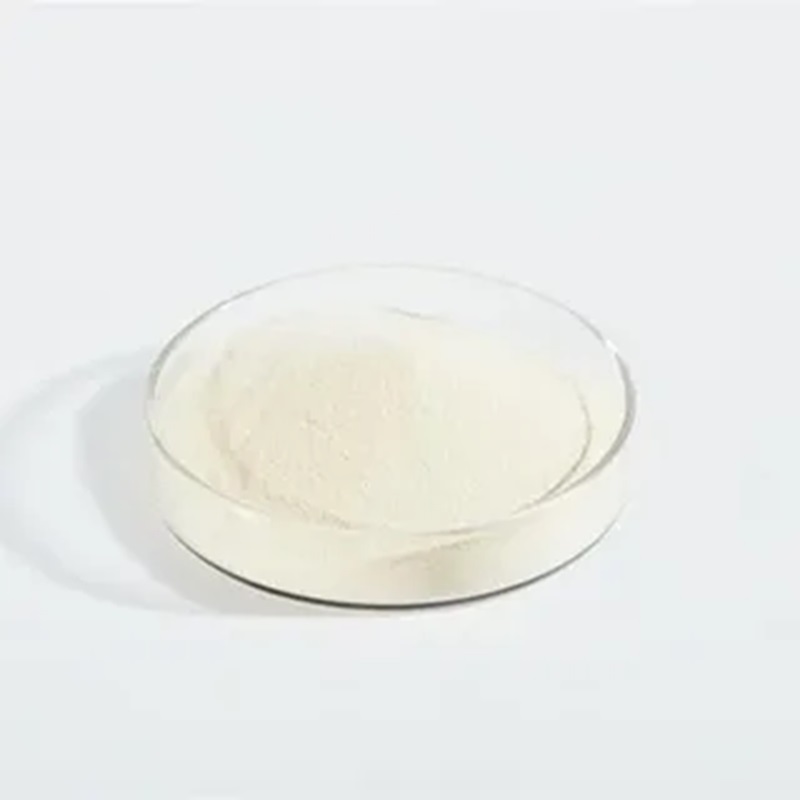
| Appearance | White to off-white powder or flakes |
| Odor | Odorless or slight characteristic odor |
CHEMICAL STRUCTURE
Agar Agar
Agarose (Linear) + Agaropectin (Branched)
—(Galactose—3,6-Anhydro-L-galactose)ₙ—
Molecular Formula: (C₁₂H₁₈O₉)n
Structure: Natural polysaccharide extracted from red algae (Gelidiaceae family); Consists of two components:
-
Agarose (70-80%): Linear polymer of alternating D-galactose and 3,6-anhydro-L-galactose units
-
Agaropectin (20-30%): Branched polymer with sulfate ester groups
Type: Non-digestible, water-soluble, plant-based gelling agent
SECTION 1: CHEMICAL IDENTITY AND DESCRIPTION
| Parameter | Information |
|---|---|
| Product Name | Agar Agar |
| Chemical Name | Agar |
| Synonyms (Turkish) | Agar Agar, Vegrano Agar, Jelleştirici, Toz Bitkisel Jelatin |
| Synonyms (English) | Agar Agar, Agar, Vegetable Gelatin, E406, Seaweed Gelatin |
| CAS Number | 9002-18-0 |
| E Number | E406 |
| Molecular Formula | (C₁₂H₁₈O₉)n |
| Chemical Class | Natural polysaccharide; Galactan; Hydrocolloid |
| Source | Red algae (Gelidiaceae family) |
| Physical State (20°C) | Solid (powder or flakes) |
| Odor | Odorless or slight characteristic odor |
| Color | White to off-white |
| Taste | Tasteless |
| Gel Strength | 1000 g/cm² (typical food grade) |
SECTION 2: PHYSICAL AND CHEMICAL PROPERTIES
| Property | Value | Test Method / Note |
|---|---|---|
| Appearance | White to off-white powder or flakes | Visual |
| Odor | Odorless or slight characteristic odor | Olfactometric |
| Gel Strength | 700 – 1200 g/cm² (grade dependent) | Gel Tester |
| Melting Temperature | 85 – 95°C | DSC |
| Setting Temperature | 32 – 45°C | – |
| Hysteresis | Large (melts at higher temp than sets) | – |
| Solubility in Cold Water | Insoluble (swells) | General Method |
| Solubility in Hot Water (100°C) | Soluble (dissolves completely) | General Method |
| pH (1% Solution) | 6.0 – 8.0 (neutral) | pH Meter |
| Moisture Content | ≤ 12% (typical) | Gravimetric (105°C) |
| Ash Content | ≤ 5% | Gravimetric (800°C) |
| Gel Strength (1.5% Solution) | 700 – 1200 g/cm³ | – |
| Gel Stability | Stable at room temperature (20-25°C) | – |
| Gel Hysteresis | Melts at 85°C; Sets at 32-45°C | – |
| Viscosity (1.5% Solution, 75°C) | 20 – 100 cP | Brookfield |
| Solubility in Ethanol | Insoluble | General Method |
| Non-digestibility | Not digested in human GI tract | – |
| Hydrocolloid Type | Gelling agent, thickener, stabilizer | – |
SECTION 3: AGAR VS GELATIN COMPARISON
| Property | Agar Agar | Gelatin (Animal) |
|---|---|---|
| Source | Red algae (plant-based) | Animal collagen (bovine/porcine) |
| Vegan | Yes | No |
| Gel Strength | 1000 g/cm² (strong) | 200 – 250 g/cm² |
| Melting Temperature | 85 – 95°C | 30 – 35°C |
| Setting Temperature | 32 – 45°C | 20 – 25°C |
| Hysteresis | High (large gap) | Low (small gap) |
| Need for Refrigeration | No (stable at room temp) | Yes (melts at room temp) |
| pH Range Stability | 4.5 – 9.0 | 4.0 – 8.0 |
| Non-digestible | Yes (soluble fiber) | No (digestible) |
| Calorie Content | Very low | Moderate |
| Typical Use | Vegan jellies, vegetarian products | Desserts, pharmaceuticals |
SECTION 4: CHEMICAL PROPERTIES AND REACTIVITY
| Parameter | Information |
|---|---|
| Chemical Character | Natural polysaccharide; Non-ionic; Water-soluble hydrocolloid; Gelling agent; Thickener; Stabilizer |
| Stability | Stable under normal conditions; Hygroscopic; Light sensitive; Degrades at >100°C prolonged |
| Reactivity | Generally non-reactive; Compatible with most food ingredients; May interact with some proteins and polysaccharides |
| Incompatible Materials | Strong oxidizing agents, strong acids (hydrolysis), high temperature (>100°C prolonged) |
| Polymerization | Does not polymerize |
| Degradation Products (Heating) | Carbon dioxide, water (combustion) |
| Gelation Mechanism | Forms double helices upon cooling; Network formation via hydrogen bonding; Thermoreversible gel |
| Syneresis | Low (retains water well) |
| Compatibility | Compatible with sugars, starches, proteins, and most food ingredients |
| Enzyme Resistance | Resistant to most enzymes; Non-digestible (soluble fiber) |
| Film Formation | Forms clear, transparent films upon drying |
SECTION 5: PRODUCTION METHODS
Method 1: Hot Water Extraction from Seaweed
Process: Red algae → Washing → Hot water extraction → Filtration → Concentration → Gelation → Freezing/Thawing → Drying → Milling
Description: Red algae (Gelidium, Gracilaria species) are washed and cleaned; Extracted with hot water (90-100°C) for several hours; Extract is filtered to remove solids; Concentrated by evaporation; Cooled to form gel; Gel is frozen and thawed (to purify); Dried and milled to powder/flakes. Most common industrial method.
Method 2: Alkali Treatment (Improved Yield)
Process: Red algae → Alkali pretreatment → Washing → Hot water extraction → Purification → Drying
Description: Seaweed is pretreated with dilute alkali (NaOH or KOH) to improve extraction yield; Washed to remove alkali; Extracted with hot water; Purified by filtration and centrifugation; Dried and milled.
Method 3: Alcohol Precipitation
Process: Hot water extract → Alcohol addition → Precipitation → Filtration → Drying
Description: Hot water extract is precipitated with alcohol (ethanol or isopropanol); Agar is precipitated, filtered, and dried; Produces higher purity agar with lower ash content.
SECTION 6: FUNCTIONAL PROPERTIES AND MECHANISM OF ACTION
| Property | Description |
|---|---|
| Gelling Agent | Forms thermoreversible gels upon cooling; Melts at 85-95°C, sets at 32-45°C; Strong gel (1000 g/cm²); Stable at room temperature (does not melt) |
| Thickener | Increases viscosity in solutions; Provides body and texture; Used in soups, sauces, and dressings |
| Stabilizer | Stabilizes emulsions and suspensions; Prevents sedimentation and separation; Used in dairy products, ice cream, and dressings |
| Anti-Caking Agent | Prevents powder caking; Improves flowability |
| Non-Digestible Fiber | Not digested by human enzymes; Acts as soluble dietary fiber; Provides satiety (fullness feeling) |
| Film Former | Forms clear, transparent films; Used in food coatings and edible films; Protective barrier formation |
| Water Retention | Holds large amounts of water; Prevents syneresis (water release); Extends shelf life of baked goods |
| Satiety Agent | Absorbs water and swells in stomach; Creates fullness feeling (used in diet foods); Slows gastric emptying |
| Mucosal Protectant | Forms thin protective layer on stomach and intestinal mucosa; Soothing and anti-inflammatory effect; Used in herbal medicine |
SECTION 7: MAIN APPLICATION AREAS
| Industry / Application | Function | Typical Use |
|---|---|---|
| Food Industry | Gelling agent, stabilizer, thickener | Jellies, jams, marmalades, puddings, desserts; Confections (marshmallows, Turkish delight, gummy candies); Ice cream, frozen desserts; Processed cheese, fermented milk products, yogurt, chocolate milk; Canned meats, processed meat products; Soups, sauces, dressings |
| Bakery & Pastry | Moisture retention, anti-staling | Breads, cakes, pastries; Glazes, icings, decorative gels; Extends shelf life |
| Confectionery | Gelling agent, stabilizer | Jellies, gums, Turkish delight (lokum), marshmallows, caramels; Soft candies, sugar confections |
| Dietary & Health Foods | Satiety agent, non-digestible fiber | Diet jams and marmalades; Energy foods; Low-calorie foods; Weight management products |
| Pharmaceutical | Excipient, binder, gel former | Capsules, tablets (binder); Suppository base; Dental impression materials; Blood clot substitutes |
| Cosmetics | Thickener, stabilizer | Creams, lotions, toothpastes; Hair care products; Face masks |
| Biotechnology | Culture medium | Microbiological culture media (agar plates); Bacteriology, mycology |
| Molecular Biology | Gel electrophoresis | Agarose gel electrophoresis; DNA separation |
| Textile & Dyeing | Thickener | Printing pastes; Dyeing auxiliaries |
SECTION 8: SAMPLE FORMULATIONS
Vegan Jelly / Pudding (1 L):
| Component | Amount |
|---|---|
| Water or Plant Milk | 1 L |
| Agar Agar Powder | 3 – 5 g |
| Sugar | 100 – 150 g |
| Flavor | To taste |
| Color | To taste |
Instructions: Mix agar powder with sugar; Add to cold liquid with stirring; Bring to boil (100°C); Simmer 3-5 minutes until fully dissolved; Pour into molds; Cool to room temperature; Gel sets in 1-2 hours.
Vegan Turkish Delight (Lokum) (1 kg):
| Component | Amount |
|---|---|
| Water | 500 mL |
| Sugar | 500 g |
| Glucose Syrup | 200 g |
| Agar Agar Powder | 10 – 15 g |
| Flavor | To taste |
| Color | To taste |
Instructions: Mix agar with water; Add sugar and glucose syrup; Boil to 110-115°C; Add flavor and color; Pour into molds; Cool and cut.
Vegan Ice Cream Stabilizer:
| Component | Amount |
|---|---|
| Milk/Plant Milk | 1 L |
| Agar Agar Powder | 1 – 2 g |
| Sugar | 100 – 150 g |
| Stabilizers | 0.1 – 0.3% of total weight |
Instructions: Mix agar with sugar; Add to milk; Heat to 85°C; Cool and churn.
SECTION 9: USAGE INSTRUCTIONS
General Dosing Guide:
| Application | Dosage (g/kg or g/L) | Notes |
|---|---|---|
| Jellies, puddings | 3 – 5 g/L | 0.3 – 0.5% |
| Jams, marmalades | 3 – 6 g/kg | 0.3 – 0.6% |
| Ice cream | 1 – 3 g/L | 0.1 – 0.3% |
| Soft candies | 5 – 15 g/kg | 0.5 – 1.5% |
| Soups, sauces | 1 – 3 g/L | 0.1 – 0.3% |
| Turkish delight | 10 – 15 g/kg | 1 – 1.5% |
| Bakery (shelf life) | 0.5 – 2 g/kg | 0.05 – 0.2% |
| Dietary foods | 3 – 10 g/L | 0.3 – 1.0% |
Instructions:
-
Dispersion: Mix agar powder with sugar or other dry ingredients before adding to liquid (prevents clumping).
-
Dissolution: Add to cold liquid (water/milk) with stirring; Heat to 100°C (boiling) while stirring continuously; Boil for 3-5 minutes until fully dissolved.
-
Cooling: Pour into molds; Allow to cool at room temperature (20-25°C); Gel sets in 1-2 hours; No refrigeration required.
-
Hot pH: Agar is stable at pH 4.5-9.0; Acidic foods (pH <4.5) may require increased dosage.
SECTION 10: QUALITY SPECIFICATIONS
| Parameter | Food Grade (E406) | Industrial Grade | Test Method |
|---|---|---|---|
| Appearance | White to off-white powder/flakes | White to yellowish powder | Visual |
| Gel Strength (1.5%) | 700 – 1200 g/cm² | 500 – 800 g/cm² | Gel Tester |
| Moisture Content | ≤ 12% | ≤ 15% | Gravimetric (105°C) |
| Ash Content | ≤ 5% | ≤ 8% | Gravimetric (800°C) |
| pH (1% Solution) | 6.0 – 8.0 | 6.0 – 8.0 | pH Meter |
| Water Insolubles | ≤ 1% | ≤ 2% | Gravimetric |
| Starch | Negative | Negative | Iodine Test |
| Gelatin | Negative | Negative | – |
| Heavy Metals (as Pb) | ≤ 10 ppm | ≤ 20 ppm | AAS / ICP |
| Arsenic (As) | ≤ 3 ppm | ≤ 5 ppm | AAS / ICP |
| Lead (Pb) | ≤ 5 ppm | ≤ 10 ppm | AAS / ICP |
| Salmonella | Absent | – | Microbiological |
| E. coli | Absent | – | Microbiological |
| Particle Size | Customer requirement | Customer requirement | Sieve / Laser |
SECTION 11: TOXICOLOGICAL PROFILE
| Parameter | Value |
|---|---|
| Acute Oral Toxicity (LD50, Rat) | > 10,000 mg/kg (practically non-toxic) |
| Acute Dermal Toxicity | Non-irritating |
| Acute Inhalation Toxicity | Mild irritation (dust) |
| Skin Irritation | Non-irritating |
| Eye Irritation | May cause mechanical irritation (powder) |
| Chronic Toxicity | Non-toxic; FDA GRAS status; Food additive E406 |
| Carcinogenicity | Not classified as carcinogenic |
| Mutagenicity | Not mutagenic |
| Reproductive Toxicity | No reproductive toxicity |
| Allergenicity | Not an allergen |
| Target Organs | None (non-toxic) |
| Special Toxicity Note | Non-toxic; FDA GRAS status; WHO JECAF approved; Food additive E406; Non-digestible soluble fiber; High doses (>5g) may cause laxative effects, flatulence, and bloating due to fermentation by gut microflora; Particularly in children; Not a known allergen; Gluten-free |
SECTION 12: GHS CLASSIFICATION AND LABELING
GHS Classification (in accordance with CLP and UN GHS):
| Hazard Class | Category | H-Statement |
|---|---|---|
| Not classified as hazardous | – | – |
SIGNAL WORD: NONE (not classified as hazardous)
Hazard Pictograms: NONE
Hazard Statements (H-Codes): Not classified as hazardous under GHS regulations.
NFPA 704 Hazard Classification:
| Health | Flammability | Reactivity | Special |
|---|---|---|---|
| 1 | 1 | 0 | - |
| (Slight health hazard – dust) | (Combustible – dust may form explosive mixture) | (Stable) | (None) |
SECTION 13: PRECAUTIONARY STATEMENTS (P-CODES)
| Code | Statement |
|---|---|
| P261 | Avoid breathing dust/fume/gas/mist/vapors/spray |
| P264 | Wash hands thoroughly after handling |
| P271 | Use only outdoors or in a well-ventilated area |
| P280 | Wear protective gloves/protective clothing/eye protection/face protection |
| P302+P352 | IF ON SKIN: Wash with plenty of soap and water |
| P304+P340 | IF INHALED: Remove person to fresh air and keep comfortable for breathing |
| P305+P351+P338 | IF IN EYES: Rinse cautiously with water for several minutes. Remove contact lenses if present and continue rinsing |
| P312 | Call a POISON CENTER/doctor if you feel unwell |
| P332+P313 | If skin irritation occurs: Get medical advice/attention |
| P337+P313 | If eye irritation persists: Get medical advice/attention |
| P362+P364 | Take off contaminated clothing and wash it before reuse |
| P403+P233 | Store in a well-ventilated place. Keep container tightly closed |
| P501 | Dispose of contents/container in accordance with local/regional/national/international regulations |
SECTION 14: FIRST AID MEASURES
| Exposure Route | Action to Take |
|---|---|
| Inhalation | Remove to fresh air immediately. If respiratory irritation develops (dust inhalation), seek medical attention. |
| Skin Contact | Wash with plenty of soap and water. If irritation persists, get medical attention. |
| Eye Contact | Rinse immediately with plenty of water for at least 15 minutes. Keep eyelids open. Remove contact lenses if present. If irritation persists, seek medical attention. |
| Ingestion | Rinse mouth. Drink plenty of water. Generally non-toxic. If large quantities are ingested and symptoms (laxative effect) occur, seek medical attention. |
SECTION 15: FIREFIGHTING MEASURES
| Parameter | Information |
|---|---|
| Fire Hazard | Combustible organic material. Dust cloud may form explosive mixture with air (if finely dispersed). |
| Hazards Arising from Fire | Thermal decomposition produces carbon monoxide, carbon dioxide, and water. |
| Suitable Extinguishing Media | Water spray, CO₂, dry chemical powder, foam. |
| Unsuitable Extinguishing Media | Water jet (may spread dust) |
| Special Protective Equipment | Self-contained breathing apparatus (SCBA), full protective clothing (for surrounding fire). |
| Special Precautions | Prevent dust from entering sewers and waterways. Avoid dust cloud formation. |
SECTION 16: STORAGE AND SHELF LIFE
| Parameter | Information |
|---|---|
| Storage Conditions | Store in a cool, dry, well-ventilated area; PROTECT FROM MOISTURE and high humidity; Keep away from direct sunlight and high temperatures. |
| Container Requirements | Tightly closed, moisture-proof containers (plastic bags, fiber drums, paper bags with PE liner). |
| Materials to Protect From | Moisture, high humidity, strong oxidizing agents, direct heat sources. |
| Shelf Life | 24 – 36 months (in unopened original packaging, under proper storage conditions). |
| Stability Note | Hygroscopic – absorbs moisture; Light sensitive; Keep container tightly closed after opening; Protect from excessive humidity and temperature fluctuations; Heat degradation >100°C prolonged. |
| Special Storage Requirements | Store in a dry, well-ventilated warehouse; Avoid exposure to rain, sun, and moisture; Opened containers must be resealed immediately. |
SECTION 17: PACKAGING OPTIONS
| Packaging Type | Quantity | Material |
|---|---|---|
| Multi-layer Paper Bag | 10 kg, 20 kg, 25 kg | PE-lined kraft paper bag (moisture-proof) |
| Plastic Bag | 5 kg, 10 kg, 20 kg | PE bag (inner-lined, sealed, moisture-proof) |
| Fiber Drum | 20 kg, 25 kg | PE-lined fiberboard drum |
| Plastic Drum | 25 kg, 50 kg | HDPE / Polypropylene (moisture-proof) |
| FIBC / Big Bag | 500 kg, 1000 kg | PE-lined, moisture-resistant PP woven bag |
| Small Pack | 1 kg, 5 kg | Foil-lined plastic bags (laboratory/sample) |
| Retail Pack | 10 g, 25 g, 50 g | Foil-lined or glass jar (consumer) |
SECTION 18: TRANSPORT INFORMATION
| Parameter | Information |
|---|---|
| UN Number | Not regulated (non-hazardous) |
| Hazard Class | Not applicable |
| Packing Group | Not applicable |
| ADR/RID | Not regulated |
| IMDG Code | Not regulated (non-hazardous) |
| IATA (Air) | Not regulated (non-hazardous) |
| Marine Pollutant | No |
| Transport Temperature | Ambient temperature; Protect from moisture. |
SECTION 19: REGULATORY STATUS
| Region / Authority | Status |
|---|---|
| European Union | Food additive E406 approved by EFSA; Not classified as hazardous |
| USA (TSCA) | Listed (TSCA Inventory) |
| USA (FDA) | GRAS (Generally Recognized as Safe) – 21 CFR 172.372; Food additive E406; Not a direct food additive |
| Turkey | Food additive E406 (Food Codex); Plant-based gelling agent; Subject to KKDIK regulation |
| IARC | Not classified (non-toxic, non-carcinogenic) |
| NTP | Not listed |
| OSHA | Not regulated as toxic or carcinogenic substance |
| California (Prop 65) | Not listed |
| WHO JECFA | Approved (ADI: Not specified) |
| FCC (Food Chemicals Codex) | Listed |
| Halal | Yes (plant-based) |
| Kosher | Yes (plant-based) |
| Vegan | Yes (plant-based) |
SECTION 20: OTHER NAMES AND SYNONYMS
| Type | Name |
|---|---|
| Turkish Names | Agar Agar, Vegrano Agar, Jelleştirici, Toz Bitkisel Jelatin |
| English Names | Agar Agar, Agar, Vegetable Gelatin, Seaweed Gelatin, E406 |
| Chemical Names | Agarose; Agaropectin; Galactan; Polysaccharide |
| CAS Number | 9002-18-0 |
| E Number | E406 |
| Chemical Formula | (C₁₂H₁₈O₉)n |
| HS Code | 1302.31 |
| Synonyms | Vegetable Gelatin, Seaweed Gelatin, Japanese Gelatin, Kanten (Japanese), Agar-agar, Agar |
SECTION 21: SUMMARY TABLE
| Parameter | Value |
|---|---|
| Product | Agar Agar (E406) |
| CAS Number | 9002-18-0 |
| Molecular Formula | (C₁₂H₁₈O₉)n |
| Appearance | White to off-white powder or flakes |
| Gel Strength | 1000 g/cm² (typical) |
| Melting Temperature | 85 – 95°C |
| Setting Temperature | 32 – 45°C |
| pH (1% Solution) | 6.0 – 8.0 |
| Primary Function | Gelling agent, stabilizer, thickener |
| Main Application Areas | Food (jellies, jams, ice cream, confectionery, dairy, bakery), pharmaceuticals, cosmetics, biotechnology |
| Shelf Life | 24 – 36 months |
| GHS Signal Word | NONE (not classified as hazardous) |
| UN Number | Not regulated |
| Special Properties | Natural plant-based; Vegan; Non-digestible; Thermoreversible gel; Strong gel; Stable at room temperature; Non-toxic; FDA GRAS |
SECTION 22: CRITICAL WARNINGS AND BEST PRACTICES
CRITICAL WARNINGS:
-
Not classified as hazardous under GHS. Non-toxic, non-carcinogenic. FDA GRAS status.
-
Food additive E406 – Approved by EFSA, FDA, and WHO JECFA.
-
Hygroscopic – absorbs moisture from air. Store in tightly closed, moisture-proof containers.
-
Dust may cause mechanical irritation to eyes, skin, and respiratory system. Use appropriate dust control measures.
-
Combustible (organic material). Keep away from open flames and high heat. Dust cloud may form explosive mixture.
-
Light sensitive – protect from direct sunlight and UV light.
-
Gelation depends on concentration: 0.5% = soft gel; 1.0-1.5% = medium gel; 2.0%+ = firm gel.
-
Dissolution requires boiling (100°C) for 3-5 minutes.
-
Acidic foods (pH <4.5) require higher dosage.
-
High doses (>5g) may cause laxative effects and bloating, especially in children.
-
Vegan and plant-based – suitable for vegan, halal, and kosher applications.
BEST PRACTICE RECOMMENDATIONS:
Food Applications (Gelling Agent): Use as plant-based gelatin alternative; Typical dosage 3-5 g/L for jellies and puddings; Dissolve in cold liquid with sugar; Heat to boiling (100°C) for 3-5 minutes; Pour into molds; Cool to room temperature (sets in 1-2 hours); Stable without refrigeration.
Confectionery: Use for Turkish delight, jellies, gummy candies, marshmallows; Dosage 5-15 g/kg; Combine with sugar and glucose syrup; Boil to 110-115°C; Cool and cut.
Ice Cream and Dairy: Use as stabilizer to prevent ice crystal formation; Dosage 1-3 g/L; Mix with dry ingredients before adding to liquid; Heat to 85°C; Add with other stabilizers.
Bakery: Use to extend shelf life and moisture retention; Dosage 0.5-2 g/kg; Add to dough for improved water binding; Provides softer crumb and delayed staling.
Jams and Marmalades: Use as thickener for diet/low-sugar products; Dosage 3-6 g/kg; Allows reduced sugar content while maintaining gel strength.
Dietary Foods: Use as satiety agent; Dosage 3-10 g/L; Provides fullness feeling; Non-digestible soluble fiber; Low calorie.
Handling: Use in well-ventilated areas; Avoid dust formation; Use dust masks (N95/FFP2) when handling powder; Use gloves and safety goggles.
Personal Protective Equipment: Dust mask (N95/FFP2 or higher), safety goggles, protective gloves (nitrile, neoprene). Not required for solution handling.
Hygiene: Wash hands thoroughly after handling; Do not eat, drink, or smoke while using.
Storage: Store in tightly closed, moisture-proof containers; Store in a cool, dry, well-ventilated area; Protect from moisture, rain, sunlight, and high humidity; Opened packages should be resealed immediately; Shelf life: 24-36 months under proper conditions.
Spill Management: Sweep or vacuum (HEPA) and place in suitable sealed container; Avoid dust formation; Do not allow entry into drains or waterways.
Disposal: Dispose of in accordance with local, regional, and national regulations; Non-hazardous waste; Biodegradable; Can be incinerated in compliance with regulations.
SPECIAL NOTE ON GELATION MECHANISM:
Agar gels through a unique thermoreversible mechanism:
-
Mechanism: Agarose molecules form double helices upon cooling; Helices aggregate to form a 3D network; Network holds water within its pores; Gel is formed.
-
Hysteresis: Melting temperature (85-95°C) is much higher than setting temperature (32-45°C); This means gel holds at room temperature; Must be heated to very high temperature to melt.
-
Advantage: No refrigeration required for stability; Very useful for tropical climates and hot conditions.
-
Disadvantage: Once set, cannot be melted without reheating to 85°C+.
SPECIAL NOTE ON USAGE RATES:
| Desired Consistency | Agar Dosage (g/L) | Setting Time |
|---|---|---|
| Very Soft Gel | 2 – 3 g/L | 2-3 hours |
| Soft Gel | 3 – 4 g/L | 1-2 hours |
| Medium Gel | 4 – 5 g/L | 1 hour |
| Firm Gel | 5 – 8 g/L | 30-45 minutes |
| Very Firm Gel | 8 – 12 g/L | 20-30 minutes |
| Turkish Delight | 10 – 15 g/kg | 2-4 hours |
| Jams | 3 – 6 g/kg | 2-4 hours |
SPECIAL NOTE ON ACIDIC FOODS:
Agar is stable at pH 4.5-9.0:
-
pH 4.5-9.0: Normal dosage works well.
-
pH 4.0-4.5: Increase dosage by 20-30%.
-
pH <4.0: Agar may hydrolyze; Use alternative gelling agent or increase dosage significantly.
-
Buffer systems: Adding citrate buffer can help maintain pH stability.
LEGAL DISCLAIMER:
The information provided in this document is based on our current knowledge and experience and is presented in good faith. However, as all conditions of use are beyond our control, it does not constitute a binding specification or warranty. This Technical Data Sheet is for informational purposes only. Users are responsible for testing the suitability for their own applications. For complete safety, storage, use, handling, waste, and regulatory compliance information, please refer to the official Safety Data Sheet (SDS/MSDS) provided by the manufacturer/supplier.