We unleash your business potential by maximize the business innovation.
Send EmailAmmonium Bicarbonate, Ammonium Hydrogen Carbonate, Monoammonium Carbonate, Diammonium Carbonate, Ammonium Acid Carbonate, E503, 1066-33-7
AMMONIUM BICARBONATE
PRODUCT IDENTIFIER INFORMATION
| Parameter | Information |
|---|---|
| Product Name | Ammonium Bicarbonate |
| Chemical Name (IUPAC) | Ammonium Hydrogen Carbonate |
| CAS Number | 1066-33-7 |
| EC Number (EINECS) | 213-911-5 |
| Food Additive Code | E503(ii) |
| Molecular Formula | NH₄HCO₃ |
| Molecular Weight | 79.06 g/mol |
SECTION 1: CHEMICAL IDENTITY AND DESCRIPTION
| Parameter | Information |
|---|---|
| Chemical Name (IUPAC) | Ammonium Hydrogen Carbonate |
| Systematic Name | Carbonic Acid Monoammonium Salt |
| Synonyms | Ammonium Bicarbonate, Monoammonium Carbonate, Diammonium Carbonate, Acid Ammonium Carbonate, Ammonium Acid Carbonate, Hartshorn, AmBic, Powdered Baking Ammonia, Ammonia Bicarbonate |
| Abbreviations | ABC, AmBic |
| CAS Number | 1066-33-7 |
| EC Number (EINECS) | 213-911-5 |
| Food Additive Code | E503(ii) |
| INS Number | 503(ii) |
| Molecular Formula | NH₄HCO₃ |
| Molecular Weight | 79.06 g/mol |
| Chemical Class | Inorganic ammonium salt (bicarbonate) |
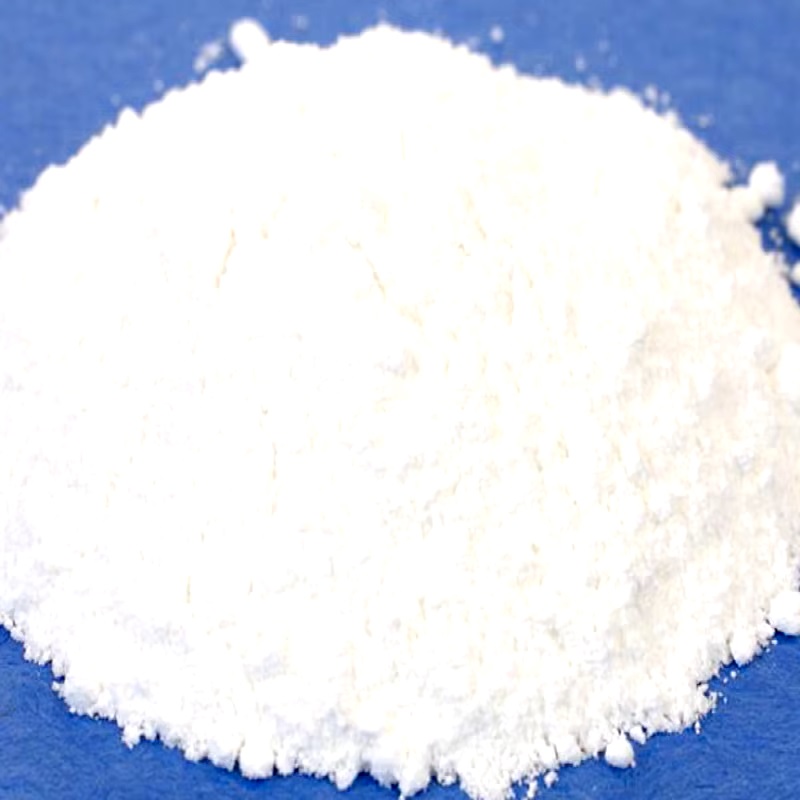
| Physical State (20°C) | Solid (white crystals or white crystalline powder) |
| Odor | Characteristic ammonia odor |
| Taste | Sharp, saline, ammonia-like |
SECTION 2: PHYSICAL AND CHEMICAL PROPERTIES
| Property | Value | Test Method |
|---|---|---|
| Appearance | White crystals or white crystalline powder | Visual |
| Odor | Characteristic ammonia odor | Olfactometric |
| Taste | Sharp, saline, ammonia-like | Sensory |
| Molecular Weight | 79.06 g/mol | Calculated |
| Melting Point | 41.9°C (decomposes before boiling) | DSC |
| Decomposition Temperature | >35°C (slow); >60°C (rapid) | TGA |
| Density (25°C) | 1.586 g/cm³ | ASTM D4052 |
| pH (0.1M solution, 25°C) | ~7.8 (slightly alkaline) | pH Meter |
| Solubility in Water (25°C) | 24.8 g/100 mL (freely soluble) | Gravimetric |
| Solubility in Ethanol | Insoluble | General Method |
| Solubility in Glycerol | Soluble | General Method |
| Solubility in Acetone | Soluble | General Method |
| Stability | Stable at room temperature; decomposes with increasing temperature | |
| Flash Point | Non-flammable | Not applicable |
SECTION 3: CHEMICAL PROPERTIES AND REACTIVITY
| Parameter | Information |
|---|---|
| Chemical Character | Inorganic ammonium salt; slightly alkaline; self-leavening (no acid required) |
| Stability | Stable at room temperature; decomposes upon heating releasing NH₃, CO₂, and H₂O |
| Decomposition Reaction | NH₄HCO₃ → NH₃↑ + CO₂↑ + H₂O↑ (upon heating) |
| Decomposition Products | Ammonia (NH₃), Carbon Dioxide (CO₂), Water (H₂O) |
| Incompatible Materials | Strong acids, strong bases, strong oxidizing agents |
| Reaction with Acids | Reacts vigorously releasing CO₂ gas |
| Self-Leavening | Unique property; decomposes without requiring acid component (unlike NaHCO₃) |
| Hazardous Polymerization | Does not occur |
SECTION 4: LEAVENING AGENTS COMPARISON
| Property | Ammonium Bicarbonate (E503ii) | Sodium Bicarbonate (E500ii) | Potassium Bicarbonate (E501ii) | Baking Powder |
|---|---|---|---|---|
| CAS Number | 1066-33-7 | 144-55-8 | 298-14-6 | Mixture |
| Formula | NH₄HCO₃ | NaHCO₃ | KHCO₃ | NaHCO₃ + Acid |
| Requires Acid | No (self-leavening) | Yes | Yes | No (contains acid) |
| Decomposition Products | NH₃ + CO₂ + H₂O | Na₂CO₃ + CO₂ + H₂O | K₂CO₃ + CO₂ + H₂O | Salt + CO₂ + H₂O |
| Residual Taste | None (volatilizes) | Salty (sodium residue) | Slightly salty | Salty |
| Sodium Content | Zero | High | Zero | High |
| Leavening Power | Very High | Medium | Medium | High |
| Primary Use | Biscuits, crackers, waffles | General baking | Low-sodium baking | General baking |
SECTION 5: FUNCTIONAL PROPERTIES AND MECHANISM OF ACTION
| Property | Description |
|---|---|
| Self-Leavening Agent | Decomposes completely upon heating releasing NH₃, CO₂, and H₂O gases; no acid component required |
| No Residual Taste | All decomposition products are volatile; leaves no residual salts in baked goods |
| Dough Expansion | Creates uniform, fine pore structure in baked products |
| Texture Improver | Provides crispy, light texture in biscuits, crackers, and waffles |
| Sodium-Free | Zero sodium content; ideal for low-sodium and sodium-free formulations |
| pH Buffer | Maintains slightly alkaline pH in food systems |
| Nitrogen Source | Provides nitrogen in fertilizer applications |
| Porosity Agent | Creates porous structure in plastics, ceramics, and pharmaceutical tablets |
SECTION 6: PRIMARY APPLICATION AREAS
| Sector / Application | Use | Typical Dosage |
|---|---|---|
| Food - Biscuits, Crackers | Leavening agent | 0.5 – 2.0% of flour weight |
| Food - Waffles | Leavening agent, texture improver | 0.5 – 1.5% of batter |
| Food - Cookies, Cream Pastries | Leavening agent | 0.5 – 2.0% |
| Food - Chocolate, Confectionery | Leavening agent | 0.5 – 1.5% |
| Food - Low-Sodium Crackers | Sodium-free leavening | 1.0 – 2.0% |
| Food - High Moisture Snack Cakes | Porosity formation | 0.5 – 1.5% |
| Food - Cocoa Powder Processing | Alkaline medium, CO₂ release | Variable |
| Pharmaceutical - Porous Tablets | Porosity agent (with MCC, mannitol, sorbitol, PVP) | 5 – 20% |
| Fertilizers | Nitrogen source, compost additive | Variable |
| Plastics - Porous Plastics | Blowing agent | 2 – 10% |
| Ceramics | Etching bath, frosted surface | Bath composition dependent |
| Fire Extinguishers | Cooling bath component | Formulation dependent |
| Paint Industry | Paint manufacturing | Formulation dependent |
| Leather Tanning | Buffering salt for ammonia production | Variable |
SECTION 7: QUALITY SPECIFICATIONS (FOOD GRADE - E503ii)
| Parameter | Specification | Test Method |
|---|---|---|
| Appearance | White crystals or white crystalline powder | Visual |
| Odor | Characteristic ammonia odor | Olfactometric |
| Purity (NH₄HCO₃) | ≥ 99.0% | Titrimetric |
| Loss on Drying (105°C) | Not applicable (decomposes) | - |
| Residue on Ignition | ≤ 0.1% | Gravimetric |
| Chloride (Cl⁻) | ≤ 0.005% | Argentometric |
| Sulfate (SO₄²⁻) | ≤ 0.005% | Turbidimetric |
| Heavy Metals (as Pb) | ≤ 10 ppm | ICP-MS |
| Lead (Pb) | ≤ 2 ppm | ICP-MS |
| Arsenic (As) | ≤ 3 ppm | ICP-MS |
| Mercury (Hg) | ≤ 1 ppm | ICP-MS |
| Cadmium (Cd) | ≤ 1 ppm | ICP-MS |
| Iron (Fe) | ≤ 10 ppm | AAS |
| Total Microbial Count | ≤ 1,000 CFU/g | ISO 4833 |
| Yeast and Mold | ≤ 100 CFU/g | ISO 21527 |
| E. coli | Negative in 10g | ISO 16649 |
| Salmonella spp. | Negative in 25g | ISO 6579 |
SECTION 8: TOXICOLOGICAL PROFILE
| Parameter | Value |
|---|---|
| Acute Oral Toxicity (LD50, Rat) | ~2,450 mg/kg |
| Skin Irritation | Mild irritant (ammonia odor) |
| Eye Irritation | Irritant |
| Respiratory Irritation | Ammonia vapor may cause respiratory irritation |
| Carcinogenicity | Not classified |
| Mutagenicity | Negative in in vitro tests |
| Reproductive Toxicity | No known adverse effects |
| ADI (Acceptable Daily Intake) | Not limited (JECFA) |
| GRAS Status | Recognized as GRAS by FDA |
SECTION 9: GHS CLASSIFICATION AND LABELING
GHS Classification (compliant with 1272/2008/EC):
| Hazard Class | Category | H-Statement |
|---|---|---|
| Acute Toxicity (Oral) | Category 4 | H302 |
| Skin Irritation | Category 2 | H315 |
| Eye Irritation | Category 2 | H319 |
| STOT - SE | Category 3 | H335 |
Signal Word: WARNING
Hazard Pictograms: GHS07 (Exclamation Mark)
Hazard Statements (H-Codes):
| Code | Statement |
|---|---|
| H302 | Harmful if swallowed |
| H315 | Causes skin irritation |
| H319 | Causes serious eye irritation |
| H335 | May cause respiratory irritation |
SECTION 10: PRECAUTIONARY STATEMENTS (P-CODES)
| Code | Statement |
|---|---|
| P261 | Avoid breathing dust/fume/gas/mist/vapors/spray |
| P264 | Wash hands thoroughly after handling |
| P280 | Wear protective gloves/eye protection/face protection |
| P302+P352 | IF ON SKIN: Wash with plenty of water and soap |
| P304+P340 | IF INHALED: Remove person to fresh air and keep comfortable for breathing |
| P305+P351+P338 | IF IN EYES: Rinse cautiously with water for several minutes. Remove contact lenses if present |
| P312 | Call a POISON CENTER/doctor if you feel unwell |
SECTION 11: FIRST AID MEASURES
| Exposure Route | Action to Take |
|---|---|
| Inhalation | Move to fresh air. Seek medical attention if respiratory irritation persists. |
| Skin Contact | Wash with plenty of water and soap for at least 15 minutes. Remove contaminated clothing. |
| Eye Contact | Rinse immediately with plenty of water for at least 15 minutes. Remove contact lenses if present. Seek medical attention. |
| Ingestion | Rinse mouth with water. Do NOT induce vomiting. Drink plenty of water. Seek medical attention. |
SECTION 12: FIREFIGHTING MEASURES
| Parameter | Information |
|---|---|
| Fire Hazard | Non-flammable; decomposes releasing ammonia and CO₂ |
| Hazards During Fire | Ammonia (NH₃) gas, CO₂, water vapor |
| Suitable Extinguishing Media | Any extinguishing media appropriate for surrounding fire |
| Special Protective Equipment | Self-contained breathing apparatus (SCBA), full protective clothing |
SECTION 13: STORAGE AND SHELF LIFE
| Parameter | Information |
|---|---|
| Storage Conditions | Cool (15-25°C), dry, well-ventilated area; tightly closed containers |
| Container Requirements | Tightly closed, moisture-proof containers |
| Keep Away From | Heat, moisture, strong acids, strong bases, strong oxidizing agents |
| Shelf Life | 12-24 months (unopened original packaging under appropriate storage conditions) |
| Stability Note | Stable at room temperature; decomposes with heat and moisture; store in cool, dry place |
SECTION 14: PACKAGING OPTIONS
| Packaging Type | Quantity | Material |
|---|---|---|
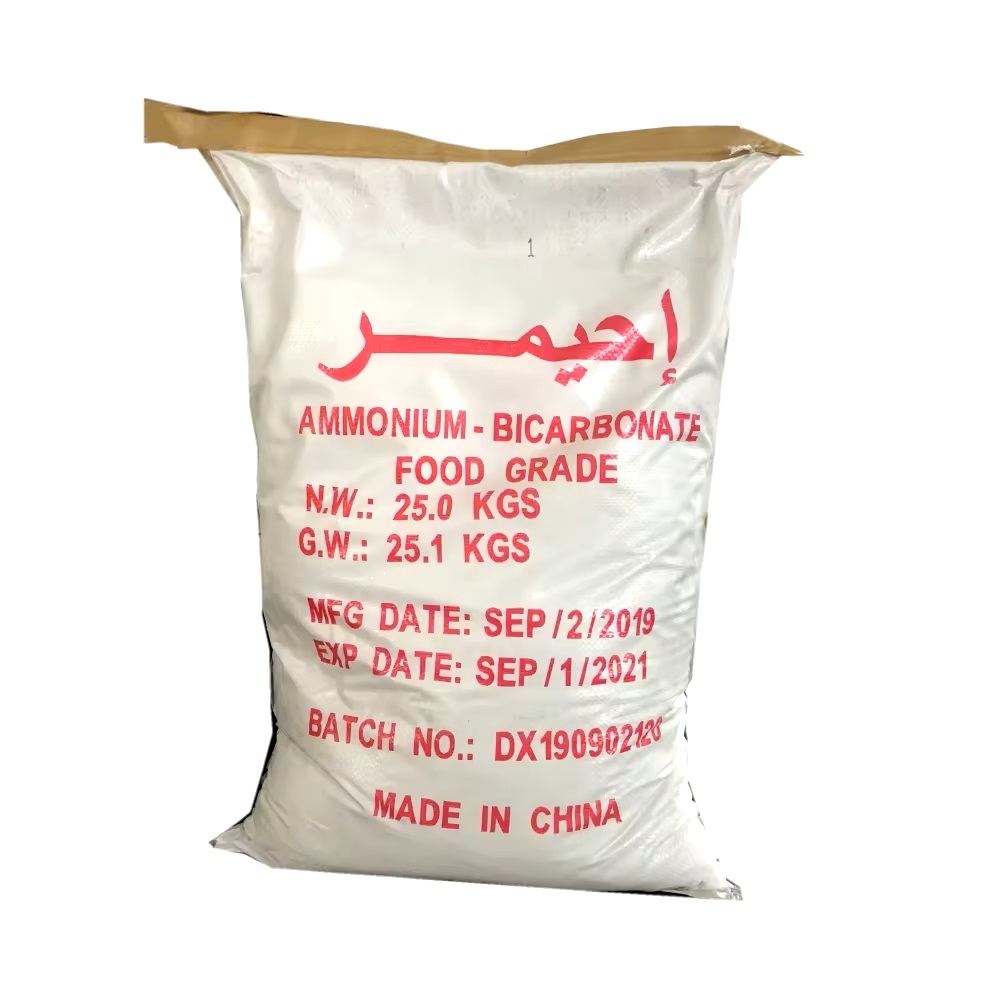
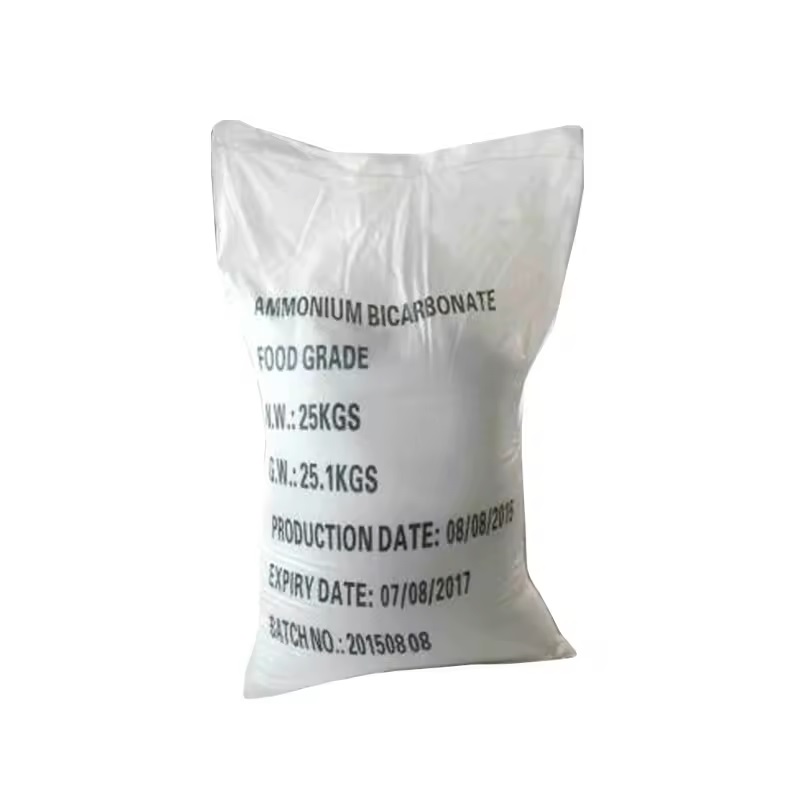
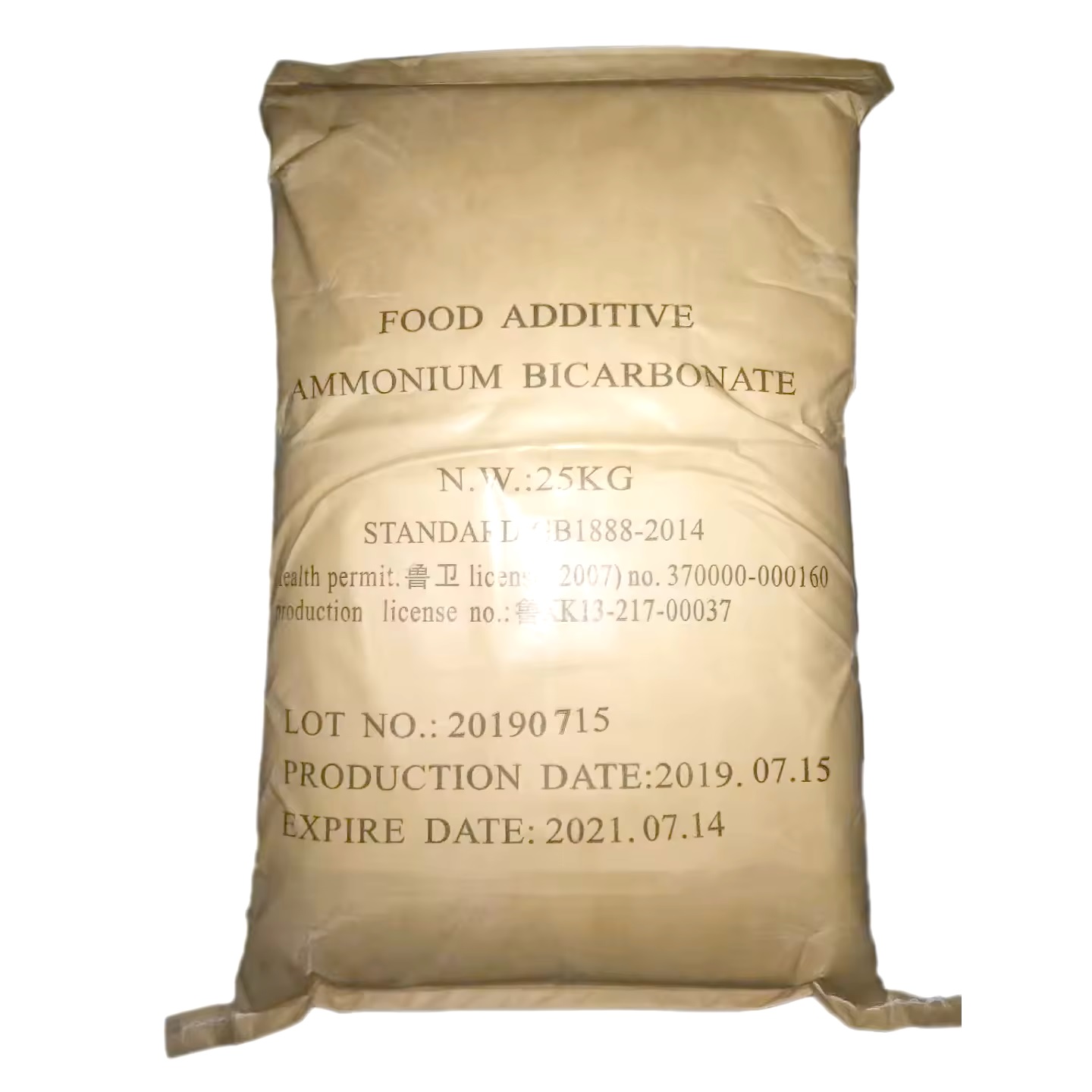
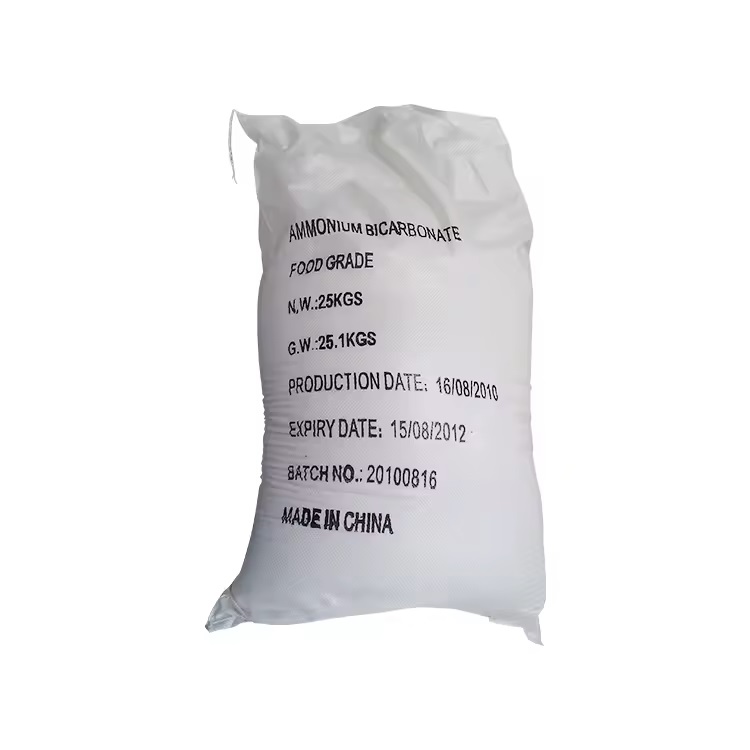
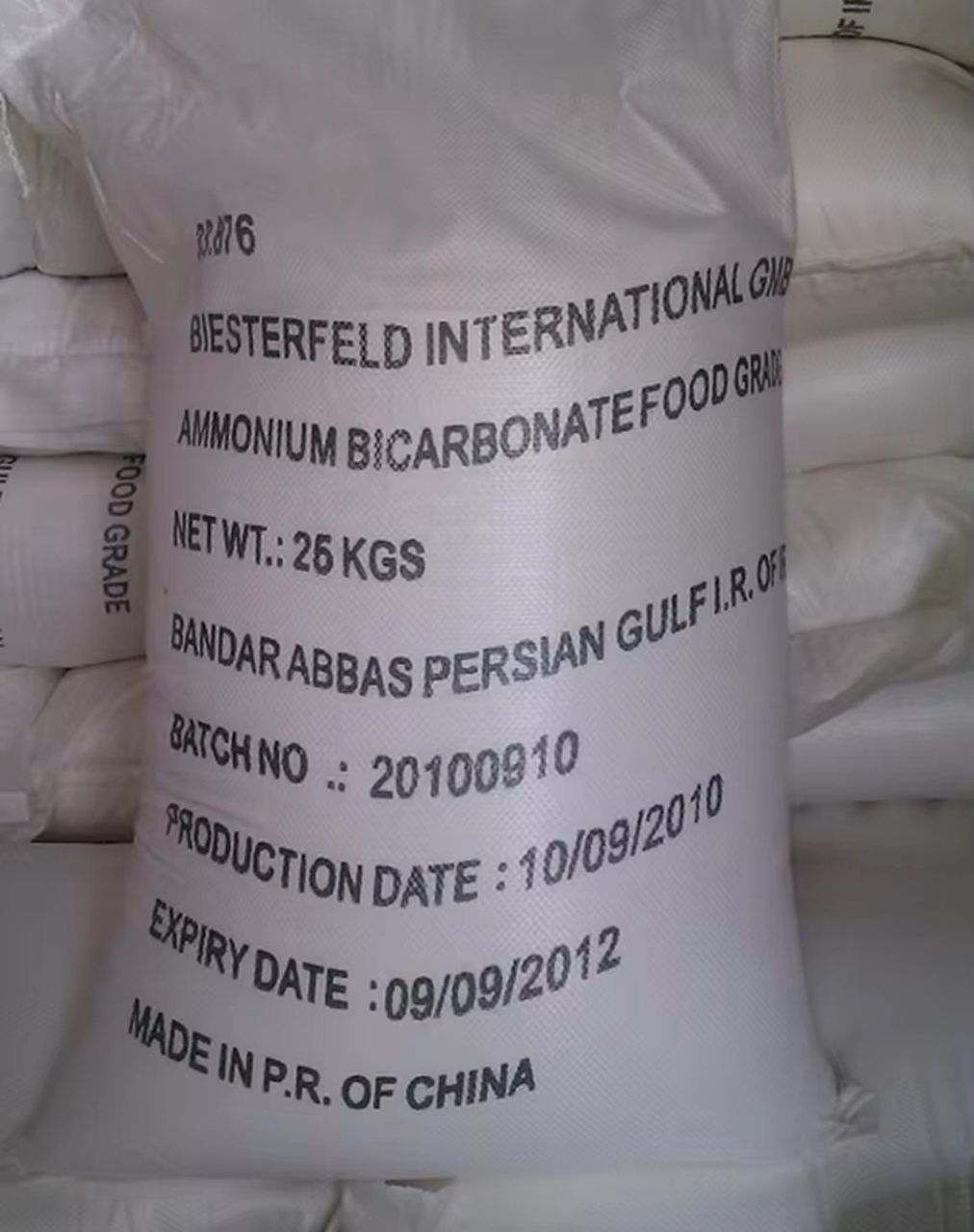
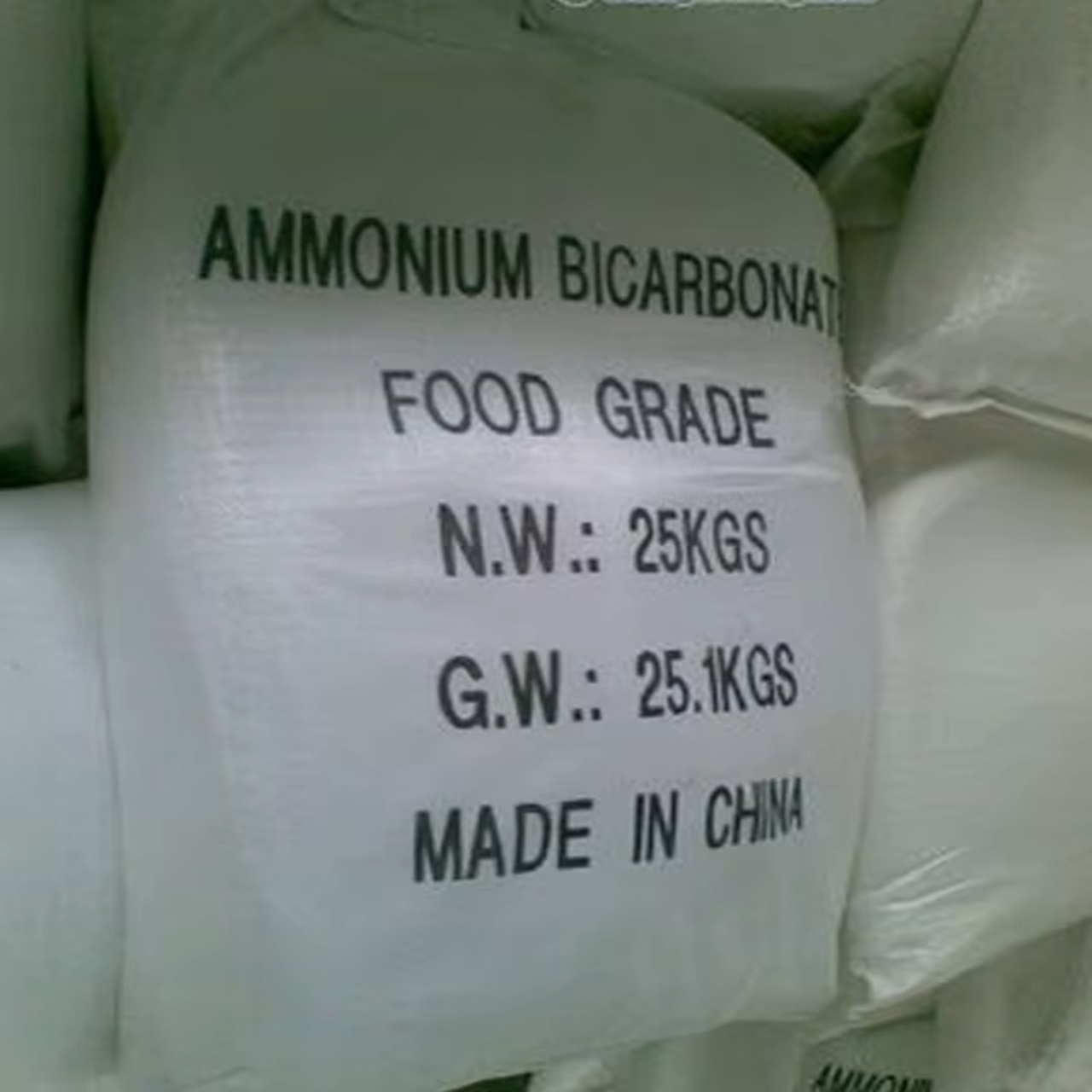
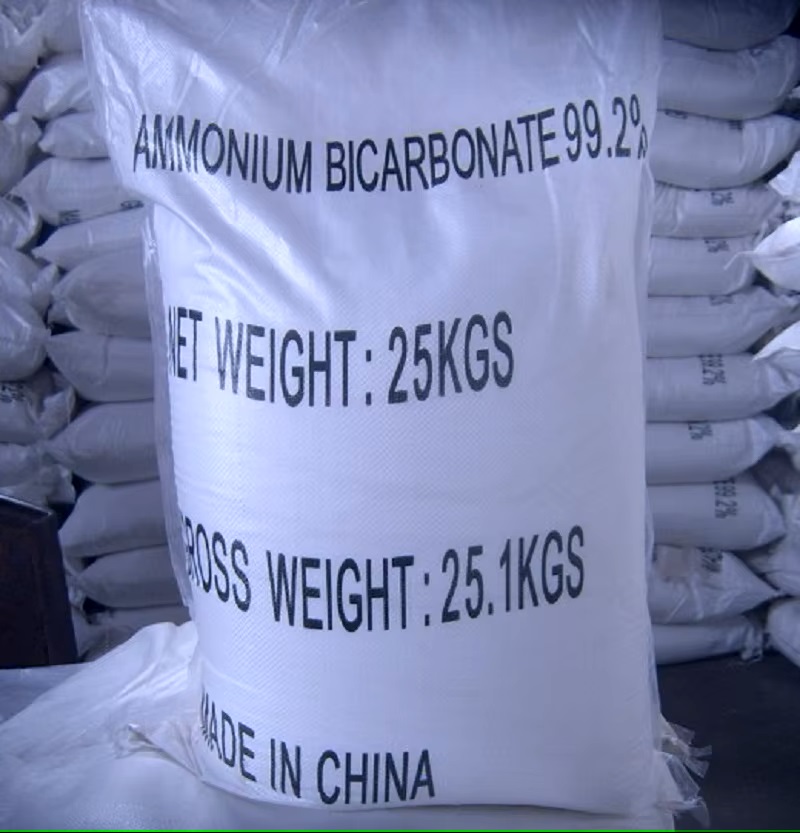
| Kraft bag with PE inner liner | 25 kg | Kraft paper + PE |
| PP woven bag with PE inner liner | 25 kg | PP woven + PE |
| Fiber drum | 25-50 kg | Fiberboard + PE |
SECTION 15: TRANSPORTATION INFORMATION
| Parameter | Information |
|---|---|
| UN Number | Not regulated (not hazardous) |
| Hazard Class | Not applicable |
| Packing Group | Not applicable |
| ADR/RID | Not regulated |
| IMDG Code | Not regulated |
| IATA (Air) | Not regulated |
| Marine Pollutant | No |
| Transport Temperature | Ambient; protect from heat and moisture |
SECTION 16: REGULATORY STATUS
| Region / Authority | Status |
|---|---|
| European Union | Food additive E503(ii); approved for use quantum satis |
| USA (FDA) | GRAS; approved as food additive |
| JECFA (FAO/WHO) | ADI not limited |
| Turkey | Approved under Turkish Food Codex Regulation on Food Additives |
| Halal / Kosher | Available |
| Vegetarian/Vegan | Suitable (inorganic source) |
SECTION 17: OTHER NAMES AND SYNONYMS
| Type | Name |
|---|---|
| Common Names | Ammonium Bicarbonate, Monoammonium Carbonate, Diammonium Carbonate, Hartshorn, AmBic |
| Chemical Names | Ammonium Hydrogen Carbonate, Carbonic Acid Monoammonium Salt, Acid Ammonium Carbonate |
| Food Additive Code | E503(ii), INS 503(ii) |
| CAS Number | 1066-33-7 |
| EC Number | 213-911-5 |
SECTION 18: AMMONIUM CARBONATE SALTS COMPARISON
| Property | Ammonium Bicarbonate (E503ii) | Ammonium Carbonate (E503i) |
|---|---|---|
| CAS Number | 1066-33-7 | 506-87-6 |
| Formula | NH₄HCO₃ | (NH₄)₂CO₃ |
| Molecular Weight | 79.06 | 96.09 |
| Ammonia Odor | Moderate | Strong |
| Leavening Power | Very High | High |
| pH (Solution) | ~7.8 | ~9.0 |
| Primary Use | Biscuits, crackers, waffles | General leavening, smelling salts |
SECTION 19: SUMMARY TABLE
| Parameter | Value |
|---|---|
| Product | Ammonium Bicarbonate |
| CAS Number | 1066-33-7 |
| Food Additive Code | E503(ii) |
| Molecular Formula | NH₄HCO₃ |
| Molecular Weight | 79.06 g/mol |
| Appearance | White crystals or white crystalline powder |
| Odor | Characteristic ammonia odor |
| Solubility in Water (25°C) | 24.8 g/100 mL |
| Primary Function | Self-leavening agent, sodium-free, zero residual taste |
| Shelf Life | 12-24 months |
| GHS Signal Word | Warning |
SECTION 20: CRITICAL WARNINGS AND BEST PRACTICES
CRITICAL WARNINGS:
-
Ammonia Odor: Characteristic ammonia odor; ensure adequate ventilation during handling and use.
-
Heat Sensitivity: Decomposes upon heating releasing NH₃, CO₂, and H₂O; store in cool environment.
-
Moisture Sensitivity: Absorbs moisture leading to decomposition; keep in tightly sealed containers.
-
Respiratory Irritation: Ammonia vapor may cause respiratory irritation; avoid inhaling dust/fumes.
-
Self-Leavening: Does not require acid component; unique among leavening agents.
BEST PRACTICE RECOMMENDATIONS:
-
Dosage Control: Use at 0.5-2.0% of flour weight for biscuits, crackers, and waffles.
-
Storage: Store in cool, dry, well-ventilated area; keep tightly sealed to prevent moisture absorption and ammonia loss.
-
Sodium-Free Formulations: Ideal for low-sodium and sodium-free baked goods; leaves no residual salts.
-
Complete Volatilization: All decomposition products are volatile; no residual taste in finished products.
-
Handling: Use protective equipment (gloves, goggles, mask) due to ammonia odor and mild irritancy.
LEGAL DISCLAIMER:
The information provided in this document is presented in good faith based on our current knowledge and experience; however, since all usage conditions are beyond our control, it does not constitute a binding specification or warranty. This Technical Data Sheet is for informational purposes only. Users are obligated to test the suitability for their own applications. For complete safety, storage, handling, transportation, disposal, and regulatory compliance information, refer to the official Safety Data Sheet (SDS/MSDS) provided by the manufacturer/supplier.