We unleash your business potential by maximize the business innovation.
Send EmailLecithin, Sunflower Lecithin, Soy Lecithin, Soybean Lecithin, E322, Non-GMO Lecithin, 8002-43-5
LECITHIN (E322)
PRODUCT IDENTIFIER INFORMATION
| Parameter | Information |
|---|---|
| Product Name | Lecithin (Sunflower Lecithin / Soy Lecithin) |
| Chemical Name | Phosphatidylcholine (major component); Phospholipid mixture |
| CAS Number | 8002-43-5 |
| EC Number (EINECS) | 232-307-2 |
| Food Additive Code | E322 |
| INS Number | 322 |
| Chemical Class | Natural phospholipid mixture |
SECTION 1: CHEMICAL IDENTITY AND DESCRIPTION
| Parameter | Information |
|---|---|
| Chemical Name | Phospholipid mixture (Phosphatidylcholine, Phosphatidylethanolamine, Phosphatidylinositol) |
| Synonyms | Lecithin, Soy Lecithin, Soybean Lecithin, Sunflower Lecithin, E322, Non-GMO Lecithin |
| CAS Number | 8002-43-5 |
| EC Number (EINECS) | 232-307-2 |
| Food Additive Code | E322 |
| INS Number | 322 |
| Source | Sunflower oil refining (Sunflower Lecithin) or Soybean oil refining (Soy Lecithin) |
| Major Components | Phosphatidylcholine (PC), Phosphatidylethanolamine (PE), Phosphatidylinositol (PI), Phosphatidic Acid (PA) |
| Physical State (20°C) | Viscous liquid (amber to dark brown) or powder (light yellow to brown) |
| Odor | Characteristic, mild |
| Taste | Bland to slightly nutty |
SECTION 2: PHYSICAL AND CHEMICAL PROPERTIES
| Property | Value | Test Method |
|---|---|---|
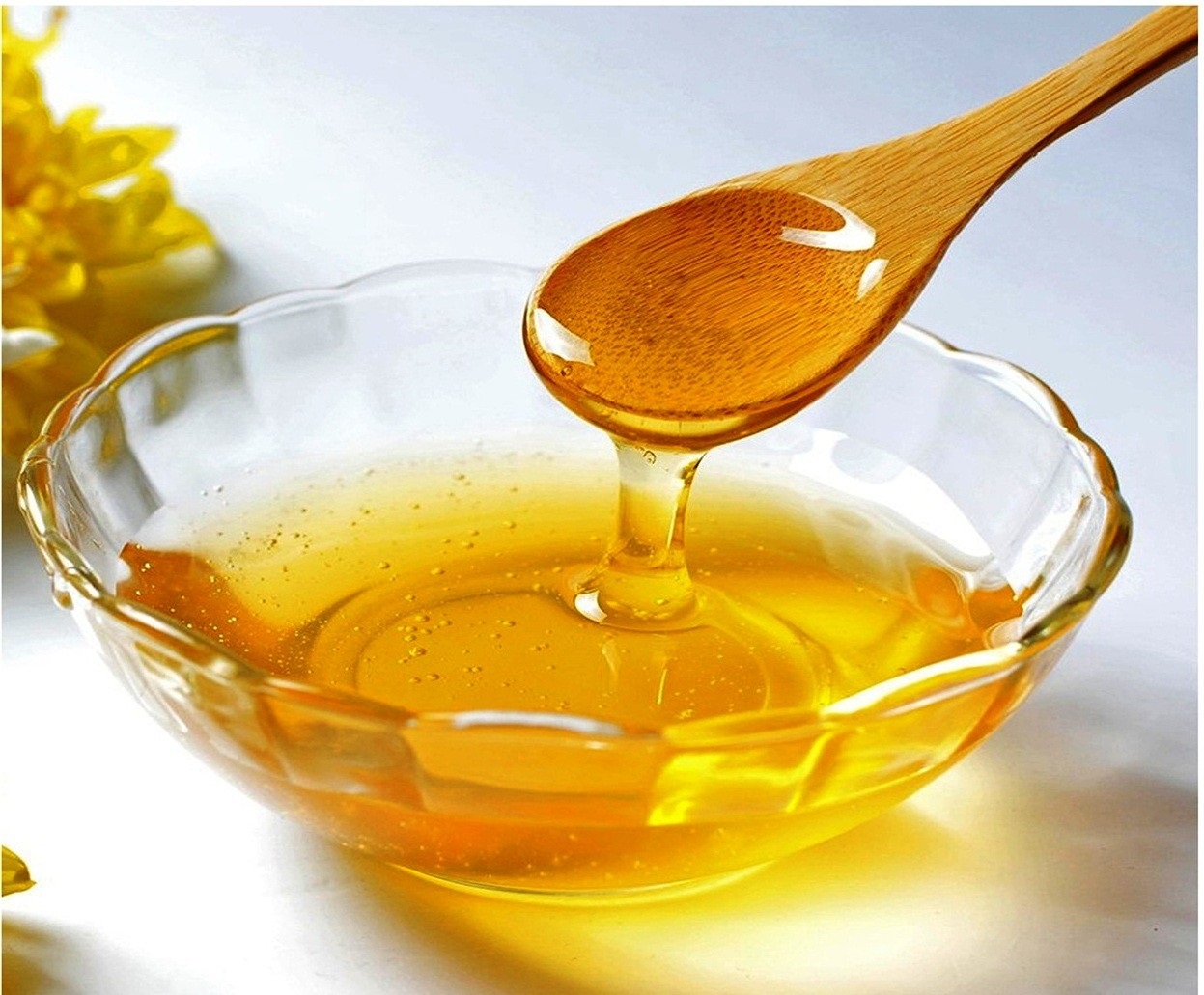
| Appearance (Liquid) | Amber to dark brown viscous liquid | Visual |
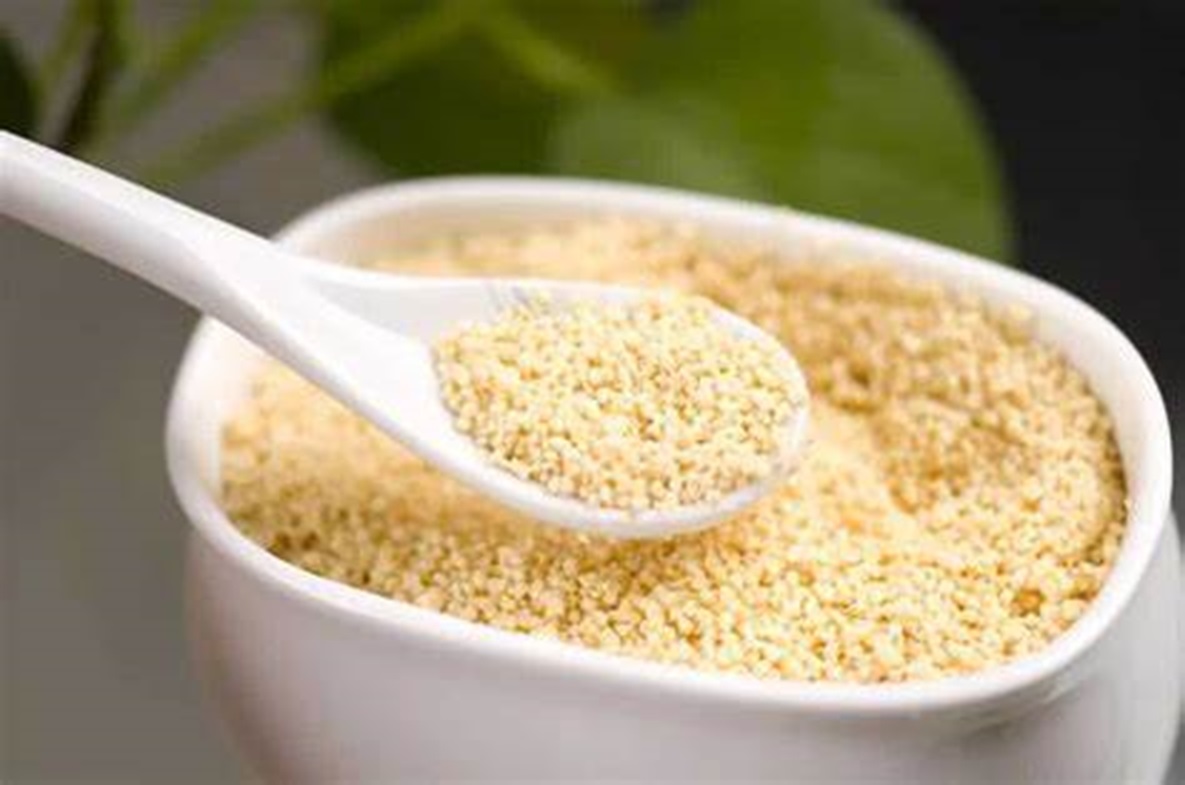
| Appearance (Powder) | Light yellow to brown powder | Visual |
| Odor | Characteristic, mild | Olfactometric |
| Taste | Bland to slightly nutty | Sensory |
| Solubility in Water | Dispersible (forms emulsion) | General Method |
| Solubility in Oils | Soluble | General Method |
| Solubility in Ethanol | Partially soluble | General Method |
| Solubility in Acetone | Insoluble (de-oiled) | General Method |
| Density (20°C, Liquid) | 1.03 – 1.05 g/cm3 | ASTM D4052 |
| Viscosity (25°C, Liquid) | 5,000 – 15,000 cP | Brookfield |
| pH (5% dispersion) | 5.0 – 8.0 | pH Meter |
| HLB Value | 2 – 8 (depending on composition) | - |
| Acetone Insoluble Matter | ≥ 56% (liquid); ≥ 95% (de-oiled powder) | Gravimetric |
| Peroxide Value | ≤ 10 meq/kg | Titrimetric |
| Acid Value | ≤ 30 mg KOH/g | Titrimetric |
| Moisture Content (Liquid) | ≤ 1.0% | Karl Fischer |
| Moisture Content (Powder) | ≤ 5.0% | Gravimetric |
| Stability | Stable under normal conditions; protect from heat and light |
SECTION 3: CHEMICAL PROPERTIES AND REACTIVITY
| Parameter | Information |
|---|---|
| Chemical Character | Natural phospholipid mixture; amphiphilic (both hydrophilic and lipophilic) |
| Stability | Stable under normal conditions |
| Decomposition Products (Heating) | Above 200°C: CO, CO2, nitrogen oxides |
| Incompatible Materials | Strong oxidizing agents, strong acids, strong bases |
| Emulsifying Property | Forms stable oil-in-water (O/W) and water-in-oil (W/O) emulsions |
| Antioxidant Synergist | Phospholipids act as synergists with primary antioxidants (tocopherols) |
| Hazardous Polymerization | Does not occur |
SECTION 4: LECITHIN SOURCES COMPARISON
| Property | Sunflower Lecithin | Soy Lecithin | Egg Yolk Lecithin |
|---|---|---|---|
| CAS Number | 8002-43-5 | 8002-43-5 | 93685-90-6 |
| Source | Sunflower oil | Soybean oil | Egg yolk |
| Allergen Status | Allergen-free | Soy allergen | Egg allergen |
| GMO Status | Non-GMO available | May be GMO | Non-GMO |
| Color (Liquid) | Dark amber to brown | Amber to dark brown | Yellow to orange |
| Phosphatidylcholine (PC) | ~14-30% | ~14-30% | ~65-70% |
| Primary Use | Clean-label, allergen-free | General food, feed, industrial | Pharmaceutical, infant formula |
| Cost | Higher | Lower | Highest |
SECTION 5: FUNCTIONAL PROPERTIES AND MECHANISM OF ACTION
| Property | Description |
|---|---|
| Emulsifier (O/W and W/O) | Reduces interfacial tension between oil and water phases; prevents phase separation |
| Anti-sticking / Release Agent | Prevents adhesion of food products to processing equipment and packaging |
| Viscosity Modifier | Controls viscosity in chocolate, coatings, and confectionery |
| Wetting and Dispersing Agent | Improves dispersion of powders in aqueous systems (cocoa, milk powder, instant beverages) |
| Crystallization Control | Controls fat crystallization in chocolate and confectionery; prevents bloom |
| Anti-spattering Agent | Reduces splashing during frying (margarine, frying oils) |
| Antioxidant Synergist | Phospholipids enhance the activity of primary antioxidants (tocopherols) |
| Texture Improver | Improves texture and mouthfeel in bakery, pasta, and dairy products |
| Shelf Life Extender | Delays rancidity and staling in baked goods |
SECTION 6: PRIMARY APPLICATION AREAS
| Sector / Application | Use | Typical Dosage |
|---|---|---|
| Chocolate and Coatings | Viscosity control, anti-bloom, crystallization control | 0.3 – 0.6% of final product |
| Bakery Products (Bread, Cakes) | Emulsifier, texture improver, anti-staling | 0.5 – 2.0% of flour weight |
| Biscuits and Crackers | Release agent, fat dispersion | 0.3 – 1.0% of final product |
| Waffles and Cornets | Release agent, batter stabilizer | 1.0 – 3.0% of flour weight |
| Margarine | Anti-spattering, emulsifier | 0.2 – 0.5% of final product |
| Ice Cream | Emulsifier, texture improver | 0.05 – 0.21% of mix |
| Instant Beverages (Cocoa, Coffee) | Wetting and dispersing agent | 1.0 – 2.0% (direct spray) |
| Cream Fillings | Emulsifier, texture improver | 6.0 – 10.0% of fat |
| Chewing Gum | Softener, plasticizer | 0.7 – 2.0% of final product |
| Pasta | Texture improver, anti-sticking | 0.2 – 0.3% of flour weight |
| Meat Products | Emulsifier, phosphate dispersing agent | 0.1 – 0.3% of dry matter |
| Salad Dressings | Emulsifier, stabilizer | 0.2 – 0.5% of mixture |
| Milk Powder | Wetting agent (dissolved in oil) | 0.4 – 1.0% |
| Animal Feed | Emulsifier, energy source | 0.3 – 1.0% of feed mixture |
| Infant Formula | Emulsifier, phospholipid source | Formulation dependent |
| Flavor Production | Emulsifier, carrier | 25 – 30% of flavor |
SECTION 7: QUALITY SPECIFICATIONS (FOOD GRADE - E322, SUNFLOWER LECITHIN)
| Parameter | Specification | Test Method |
|---|---|---|
| Appearance (Liquid) | Amber to dark brown viscous liquid | Visual |
| Odor | Characteristic, mild | Olfactometric |
| Acetone Insoluble Matter (Phospholipids) | ≥ 56.0% (liquid); ≥ 95.0% (de-oiled powder) | Gravimetric |
| Moisture Content (Liquid) | ≤ 1.0% | Karl Fischer |
| Moisture Content (Powder) | ≤ 5.0% | Gravimetric |
| Acid Value | ≤ 30 mg KOH/g | Titrimetric |
| Peroxide Value | ≤ 10 meq/kg | Titrimetric |
| Hexane Insoluble Matter | ≤ 0.3% | Gravimetric |
| Viscosity (25°C, Liquid) | 5,000 – 15,000 cP | Brookfield |
| Color (Gardner) | ≤ 14 | ASTM D1544 |
| Heavy Metals (as Pb) | ≤ 10 ppm | ICP-MS |
| Lead (Pb) | ≤ 2 ppm | ICP-MS |
| Arsenic (As) | ≤ 3 ppm | ICP-MS |
| Mercury (Hg) | ≤ 1 ppm | ICP-MS |
| Cadmium (Cd) | ≤ 1 ppm | ICP-MS |
| Total Microbial Count | ≤ 5,000 CFU/g | ISO 4833 |
| Yeast and Mold | ≤ 100 CFU/g | ISO 21527 |
| E. coli | Negative in 10g | ISO 16649 |
| Salmonella spp. | Negative in 25g | ISO 6579 |
SECTION 8: TOXICOLOGICAL PROFILE
| Parameter | Value |
|---|---|
| Acute Oral Toxicity (LD50, Rat) | > 20,000 mg/kg (very low toxicity) |
| Skin Irritation | Not irritating |
| Eye Irritation | Mild mechanical irritation |
| Respiratory Irritation | Inhalation of mist may cause mild irritation |
| Skin Sensitization | Not sensitizing |
| Carcinogenicity | Not classified (IARC, NTP) |
| Mutagenicity | Negative in standard tests |
| Reproductive Toxicity | No known adverse effects |
| ADI (Acceptable Daily Intake) | Not limited (JECFA) |
| GRAS Status | Recognized as GRAS by FDA (21 CFR 184.1400) |
| Allergen Status (Sunflower) | Allergen-free |
SECTION 9: GHS CLASSIFICATION AND LABELING
GHS Classification (compliant with 1272/2008/EC):
| Hazard Class | Category | H-Statement |
|---|---|---|
| Not classified | - | Not classified as hazardous according to current regulations |
Signal Word: No signal word
Hazard Pictograms: No pictograms required
SECTION 10: FIRST AID MEASURES
| Exposure Route | Action to Take |
|---|---|
| Inhalation | Move to fresh air. Seek medical attention if respiratory irritation persists. |
| Skin Contact | Wash with plenty of water and soap. |
| Eye Contact | Rinse immediately with plenty of water for at least 15 minutes. Remove contact lenses if present. Seek medical attention if irritation persists. |
| Ingestion | Rinse mouth with water. Drink plenty of water. Seek medical attention if you feel unwell. |
SECTION 11: FIREFIGHTING MEASURES
| Parameter | Information |
|---|---|
| Fire Hazard | Combustible organic material |
| Hazards During Fire | CO, CO2, nitrogen oxides |
| Suitable Extinguishing Media | Water mist, CO2, dry chemical powder, foam |
| Special Protective Equipment | Self-contained breathing apparatus (SCBA), full protective clothing |
SECTION 12: STORAGE AND SHELF LIFE
| Parameter | Information |
|---|---|
| Storage Conditions | Cool (15-25°C), dry, well-ventilated area; protect from direct light and heat |
| Container Requirements | Tightly closed, moisture-proof containers |
| Keep Away From | Heat, direct sunlight, moisture, strong oxidizing agents |
| Shelf Life (Liquid) | 18 months (unopened original packaging under appropriate storage conditions) |
| Shelf Life (Powder) | 24 months (unopened original packaging under appropriate storage conditions) |
| Stability Note | Protect from heat and light; may thicken at low temperatures (reversible) |
SECTION 13: PACKAGING OPTIONS
| Packaging Type | Quantity | Material |
|---|---|---|
| HDPE drum | 25 kg | HDPE |
| HDPE drum | 50 kg | HDPE |
| HDPE drum | 200 kg | HDPE |
| IBC Container | 1000 kg | HDPE |
| Aluminum foil pouch (powder) | 1-5 kg | Laminated aluminum |
SECTION 14: TRANSPORTATION INFORMATION
| Parameter | Information |
|---|---|
| UN Number | Not regulated (not hazardous) |
| Hazard Class | Not applicable |
| Packing Group | Not applicable |
| ADR/RID | Not regulated |
| IMDG Code | Not regulated |
| IATA (Air) | Not regulated |
| Marine Pollutant | No |
| Transport Temperature | Ambient; protect from heat and freezing |
SECTION 15: REGULATORY STATUS
| Region / Authority | Status |
|---|---|
| European Union | Food additive E322; approved for use quantum satis (except infant formula) |
| USA (FDA) | GRAS (21 CFR 184.1400); approved for food use |
| JECFA (FAO/WHO) | ADI not limited |
| Codex Alimentarius | Listed in GSFA; INS 322 |
| Turkey | Approved under Turkish Food Codex Regulation on Food Additives |
| Non-GMO Certification | Available (Sunflower Lecithin; IP Soy Lecithin) |
| Halal / Kosher | Available |
| Vegetarian/Vegan | Suitable (plant-derived) |
| Allergen-Free (Sunflower) | Yes; Soy Lecithin contains soy allergen |
SECTION 16: OTHER NAMES AND SYNONYMS
| Type | Name |
|---|---|
| Common Names | Lecithin, Soy Lecithin, Soybean Lecithin, Sunflower Lecithin, E322 |
| Chemical Names | Phosphatidylcholine, Phospholipid Mixture |
| Food Additive Code | E322, INS 322 |
| CAS Number | 8002-43-5 |
| EC Number | 232-307-2 |
SECTION 17: EMULSIFIER COMPARISON (HLB VALUES)
| Emulsifier | HLB Value | Primary Application |
|---|---|---|
| Lecithin (Standard) | 2 – 4 | W/O emulsions, chocolate, margarine |
| Lecithin (Modified/Hydrolyzed) | 7 – 10 | O/W emulsions, baked goods |
| Mono- and Diglycerides (E471) | 3 – 6 | W/O emulsions, margarine, bakery |
| DATEM (E472e) | 8 – 12 | Bread, bakery |
| Polysorbate 80 (E433) | 15 | O/W emulsions, ice cream |
| Sucrose Esters (E473) | 1 – 16 | Wide range of applications |
SECTION 18: LECITHIN FORMS AND VARIANTS
| Form | Description | Typical Use |
|---|---|---|
| Standard Liquid Lecithin | Unmodified, acetone insoluble ≥ 56% | Chocolate, margarine, general food |
| De-oiled Lecithin Powder | Acetone insoluble ≥ 95%, free-flowing powder | Dry mixes, supplements, infant formula |
| Hydrolyzed Lecithin | Enzymatically modified, higher HLB (7-10) | O/W emulsions, baked goods |
| Fractionated Lecithin | Enriched in specific phospholipids (PC, PE, PI) | Pharmaceutical, cosmetic, specialized food |
| Non-GMO Sunflower Lecithin | Allergen-free, non-GMO | Clean-label, allergen-free products |
| Organic Lecithin | Certified organic | Organic food products |
SECTION 19: SUMMARY TABLE
| Parameter | Value |
|---|---|
| Product | Lecithin (E322) |
| CAS Number | 8002-43-5 |
| Food Additive Code | E322 |
| Source | Sunflower or Soybean oil refining |
| Appearance (Liquid) | Amber to dark brown viscous liquid |
| Appearance (Powder) | Light yellow to brown powder |
| HLB Value | 2 – 8 (depending on composition) |
| Primary Function | Emulsifier, release agent, dispersing agent, viscosity modifier |
| Shelf Life (Liquid) | 18 months |
| Shelf Life (Powder) | 24 months |
| GHS Signal Word | Not classified |
SECTION 20: CRITICAL WARNINGS AND BEST PRACTICES
CRITICAL WARNINGS:
-
Allergen Status: Soy lecithin contains soy allergen; use sunflower lecithin for allergen-free labeling.
-
Heat Sensitivity: Prolonged exposure to high temperatures (>60°C) may darken color and reduce functionality.
-
Low Temperature: May thicken or become cloudy at low temperatures; reversible upon warming to room temperature.
-
Moisture: Powdered lecithin is hygroscopic; store in tightly closed containers.
-
GMO Status: Standard soy lecithin may be derived from GMO soy; request Non-GMO or IP certification if required.
BEST PRACTICE RECOMMENDATIONS:
-
Dosage Optimization: Start with recommended dosage range; adjust based on desired functionality and process conditions.
-
Dispersion: Pre-disperse in oil phase for optimal emulsification in food systems.
-
Temperature Control: Add at temperatures below 60°C to preserve functionality and color.
-
Non-GMO/Allergen-Free: Choose sunflower lecithin for clean-label, allergen-free, and non-GMO applications.
-
Storage: Store in original sealed containers; protect from heat, light, and moisture.
LEGAL DISCLAIMER:
The information provided in this document is presented in good faith based on our current knowledge and experience; however, since all usage conditions are beyond our control, it does not constitute a binding specification or warranty. This Technical Data Sheet is for informational purposes only. Users are obligated to test the suitability for their own applications. For complete safety, storage, handling, transportation, disposal, and regulatory compliance information, refer to the official Safety Data Sheet (SDS/MSDS) provided by the manufacturer/supplier.