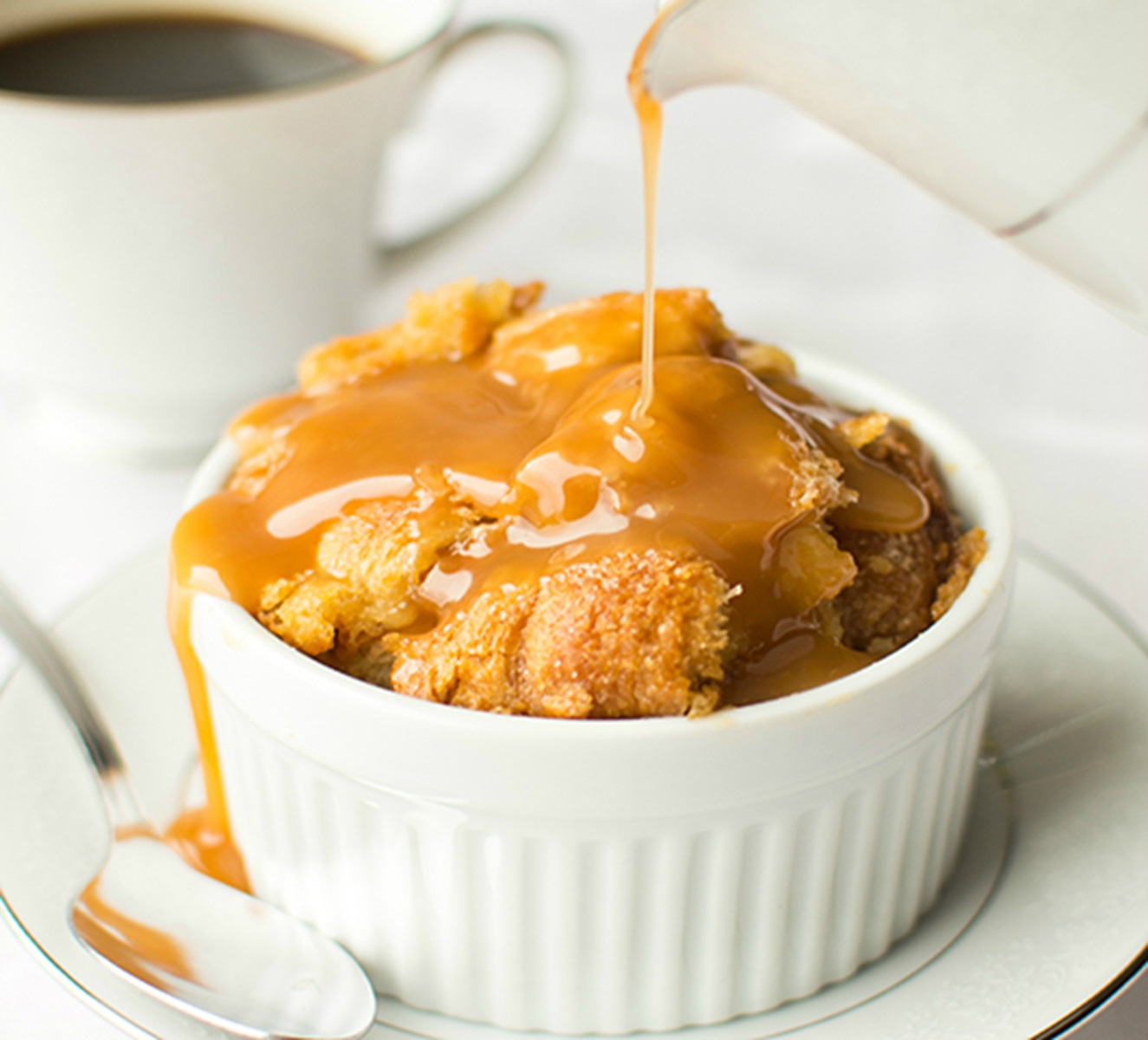
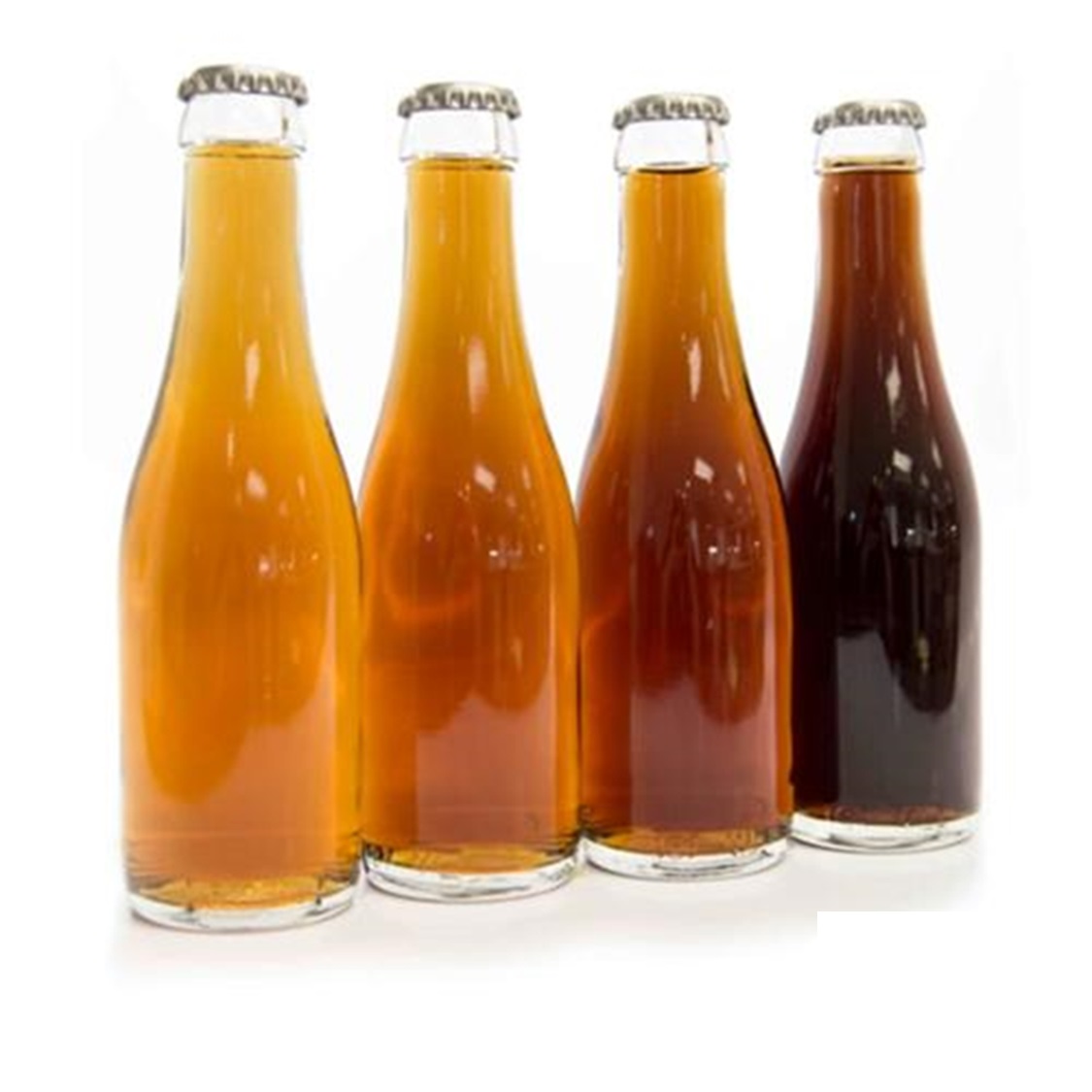
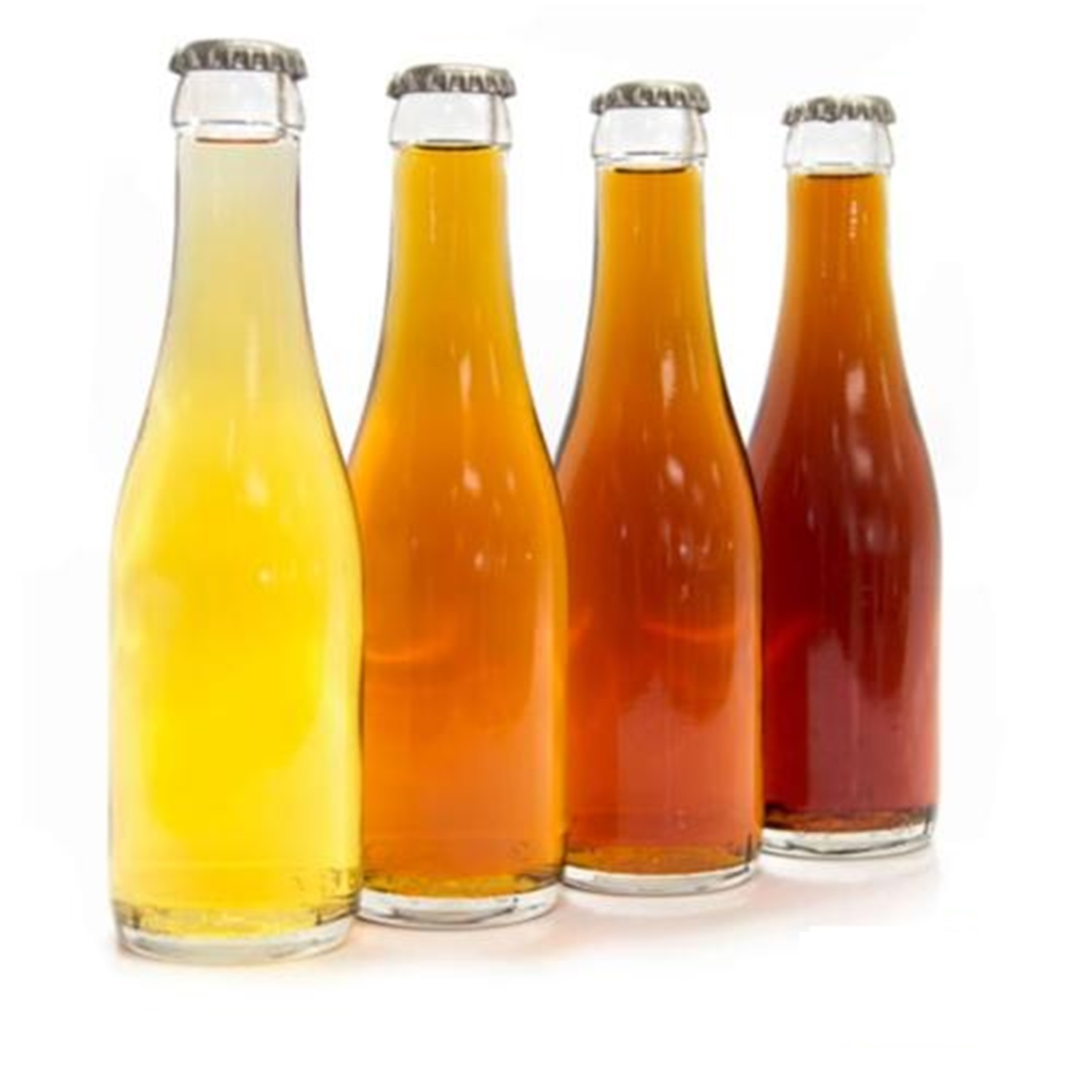
Plain Caramel, Caustic-Sulfite Caramel, Ammonia Caramel, Sulfite-Ammonia Caramel, E150a, E150b, E150c, E150d, 8028-89-5
Caramel Colorants (Caramel)
| Property |
Detail |
| Common Name |
Caramel |
| CAS Number |
8028-89-5 |
| EINECS Number |
232-435-9 |
| Source |
Natural (obtained by heating sugar) |
| Molecular Formula |
C₆H₈O₃ |
| Molecular Weight |
128.126 g/mol |
| Density |
1.35 g/cm³ |
| Boiling Point |
312.0 ± 42.0 °C (760 mmHg) |
| Flash Point |
149.2 ± 20.7 °C |
| LogP |
-0.44 (hydrophilic) |
| Refractive Index |
1.513 |
What is it?
Caramel is one of the most widely used natural colorants in the world. It is obtained by the controlled heating of sugar (typically glucose, fructose, or sucrose) at high temperatures. It is highly resistant to heat, light, and pH changes.
According to the Turkish Food Codex and European regulations, it is divided into four main classes:
| Code |
Name |
Class |
| E150a |
Plain Caramel |
Class I |
| E150b |
Caustic Sulfite Caramel |
Class II |
| E150c |
Ammonia Caramel |
Class III |
| E150d |
Sulfite-Ammonia Caramel |
Class IV |
Caramel Classes and Properties
| Code |
Name |
Production Method |
Applications |
Health Notes |
| E150a |
Plain Caramel |
Sugar heated without any chemical additives |
Desserts, confectionery, beverages, sauces, ice cream |
Most natural and safest type; low allergy risk |
| E150b |
Caustic Sulfite Caramel |
Sugar processed with sulfite and alkali |
Beer, wine, sauces, baked goods, soy sauce |
Allergy risk for those with sulfite sensitivity |
| E150c |
Ammonia Caramel |
Sugar caramelized in ammonia-containing medium |
Cola, carbonated beverages, sauces, meat products, chocolate |
Risk at high doses due to 4-MEI formation |
| E150d |
Sulfite-Ammonia Caramel |
Sugar processed with both sulfite and ammonia |
Cola, whiskey, rum, sauces, meat products, desserts |
Both 4-MEI and sulfite-related allergy risks |
E150a – Plain Caramel (Class I)
| Question |
Answer |
| How is it produced? |
Sugar is caramelized by heating without any chemical additives. |
| Where is it used? |
Chocolate, confectionery, cakes, fruit juices, tea, sauces, ice cream. |
| Why is it preferred? |
The most natural and pure caramel type; no chemical processing. |
| What does it do? |
Provides light brown color and natural flavor. Considered the safest caramel type for health. |
E150b – Caustic Sulfite Caramel (Class II)
| Question |
Answer |
| How is it produced? |
Sugar is processed with sulfite compounds and a mild alkaline medium to achieve dark color. |
| Where is it used? |
Beer, wine, some cakes, prepared sauces like soy sauce. |
| Why is it preferred? |
Provides more intense and darker color, used especially for visual effect in beverages. |
| What does it do? |
Gives stronger brown tones to products. However, carries allergy risk for those with sulfite sensitivity. |
E150c – Ammonia Caramel (Class III)
| Question |
Answer |
| How is it produced? |
Sugar is heated and caramelized in an ammonia-containing medium. This process creates darker color and distinct aroma. |
| Where is it used? |
Cola and carbonated beverages, barbecue sauce, soy sauce, cakes, chocolates, processed meat products (sausage, salami). |
| Why is it preferred? |
Provides very dark color and characteristic flavor, especially preferred in carbonated beverages. |
| What does it do? |
Gives strong brown color and aroma to products. However, 4-MEI (4-Methylimidazole) may form during production; this compound carries health risks at high doses. |
E150d – Sulfite-Ammonia Caramel (Class IV)
| Question |
Answer |
| How is it produced? |
Sugar is processed in a medium containing both sulfite and ammonia. This method produces the darkest and most intense caramel color. |
| Where is it used? |
Cola, whiskey, rum, dark-colored sauces (soy, barbecue), processed meat products, chocolate, and desserts. |
| Why is it preferred? |
Provides the strongest and most stable color, especially used in products requiring long shelf life. |
| What does it do? |
Gives deep brown color and stability to products. However, it carries both 4-MEI and sulfite-related allergy risks and is therefore carefully regulated. |
Comparison of Caramel Classes
| Feature |
E150a |
E150b |
E150c |
E150d |
| Color Intensity |
Light brown |
Medium-dark brown |
Dark brown |
Darkest brown |
| Chemical Additives |
None |
Sulfite + alkali |
Ammonia |
Sulfite + Ammonia |
| 4-MEI Risk |
None |
None |
Present (low) |
Present (low) |
| Sulfite Allergy Risk |
None |
Present |
None |
Present |
| Naturalness Level |
Most natural |
Moderate |
Low |
Lowest |
| Safety Level |
Highest |
High (except sulfite sensitivity) |
Moderate |
Moderate |
| Most Common Use |
Desserts, ice cream |
Beer, wine, soy sauce |
Cola, soft drinks |
Cola, whiskey, rum |
What is 4-MEI (4-Methylimidazole) and Why is it Important?
| Question |
Answer |
| What is 4-MEI? |
4-Methylimidazole is a by-product that can form during the production of ammonia caramel (E150c and E150d). |
| What are the health risks? |
At high doses, carcinogenic effects have been observed in animal studies. No definitive risk has been proven in humans at typical consumption levels. |
| Regulations |
In California (USA) and some other countries, products containing 4-MEI require warning labels. It is permitted within certain limits in the EU and Turkey. |
| How is it reduced? |
Manufacturers are optimizing production processes to reduce 4-MEI levels. |
Sulfite Sensitivity
| Question |
Answer |
| What are sulfites? |
Sulfites are preservative and coloring aids used in the production of E150b and E150d. |
| Who is at risk? |
People with asthma and those allergic to sulfites. |
| What are the symptoms? |
Headache, shortness of breath, skin rashes, nausea. |
| What should be done? |
Individuals with sulfite sensitivity should avoid products containing E150b and E150d. |
Classification by Application Area
| Product Category |
Typical Caramel Class Used |
| Cola and Carbonated Beverages |
E150c, E150d |
| Beer |
E150b |
| Whiskey, Rum, Liqueurs |
E150d |
| Chocolate and Confectionery |
E150a, E150c |
| Ice Cream |
E150a |
| Soy Sauce, Barbecue Sauce |
E150b, E150c, E150d |
| Instant Soups and Sauces |
E150a, E150b |
| Processed Meat Products (Sausage, Salami) |
E150c, E150d |
| Bakery Products (Cakes, Cookies) |
E150a, E150b |
| Fruit Juices and Tea |
E150a |
Legal Status
| Region |
Status |
Note |
| European Union |
All four classes permitted |
Maximum usage limits for certain products |
| Turkey |
All four classes permitted |
Compliant with Turkish Food Codex |
| United States (FDA) |
All four classes permitted |
GRAS (Generally Recognized as Safe) status |
| Japan |
All four classes permitted |
|
Summary Assessment
| Caramel Type |
Summary |
| E150a (Plain Caramel) |
Most natural, safest, light color. No chemical additives. Ideal for desserts and ice cream. |
| E150b (Caustic Sulfite Caramel) |
Darker color, preferred in beer and sauces. Sulfite risk exists; asthmatics should be cautious. |
| E150c (Ammonia Caramel) |
Intense color in cola and sauces. Limited use due to 4-MEI risk. Provides dark color and characteristic flavor. |
| E150d (Sulfite-Ammonia Caramel) |
Darkest and most stable color, common in soft drinks and alcoholic beverages. Carries both 4-MEI and sulfite risks. |
Important Warnings
-
Although Natural, It Is an Additive: While caramel is a natural colorant, E150b, E150c, and E150d undergo chemical processing and may not be considered completely "natural."
-
4-MEI Risk: Excessive consumption of products containing E150c and E150d should be avoided, especially for children.
-
Sulfite Sensitivity: Individuals with asthma or sulfite allergies should avoid products containing E150b and E150d.
-
Label Reading: Products containing caramel must clearly state which class (E150a, E150b, E150c, E150d) is used on the label.
-
Safe Choice: The safest option is E150a (Plain Caramel) . Whenever possible, products containing E150a should be preferred.