We unleash your business potential by maximize the business innovation.
Send EmailSodium Ascorbate, Monosodium Ascorbate, Vitamin C Sodium Salt, E301, 134-03-2
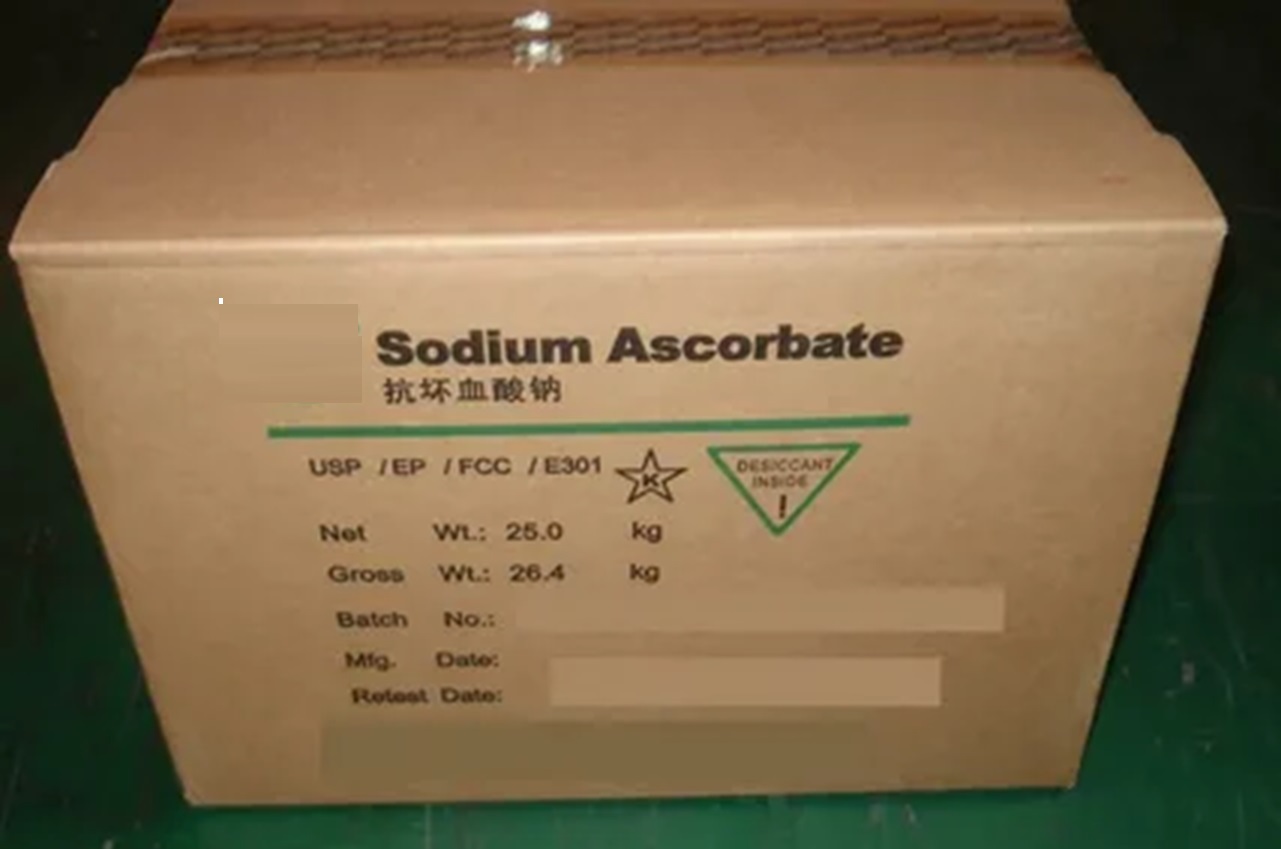
Sodium Ascorbate
1. Basic Identification
-
Chemical Name: Sodium Ascorbate
-
Molecular Formula: C₆H₇NaO₆ (Note: The formula provided in the query was C4H7NaO6, but the standard and correct formula for Sodium Ascorbate is C₆H₇NaO₆.)
-
Molecular Weight: 198.11 g/mol
-
CAS Number: 134-03-2
-
E Number: E 301
-
Other Names: L-Ascorbic Acid Sodium Salt, Vitamin C Sodium Salt, Monosodium Ascorbate, Na-L-Ascorbate.
2. Chemical Structure and Properties
-
Description: It is the sodium salt of Ascorbic Acid (Vitamin C), formed by replacing the hydrogen proton on the 3-hydroxyl group of ascorbic acid with a sodium ion.
-
Difference from Ascorbic Acid:
-
Ascorbic Acid is a free organic acid (acidic).
-
Sodium Ascorbate is the salt form of this acid (less acidic, more neutral).
-
Advantage: Due to its lower acidity, it is gentler on the stomach. It is often used as an alternative to ascorbic acid in supplements for individuals with gastrointestinal issues (such as gastritis or acid reflux).
-
3. Physical Properties
-
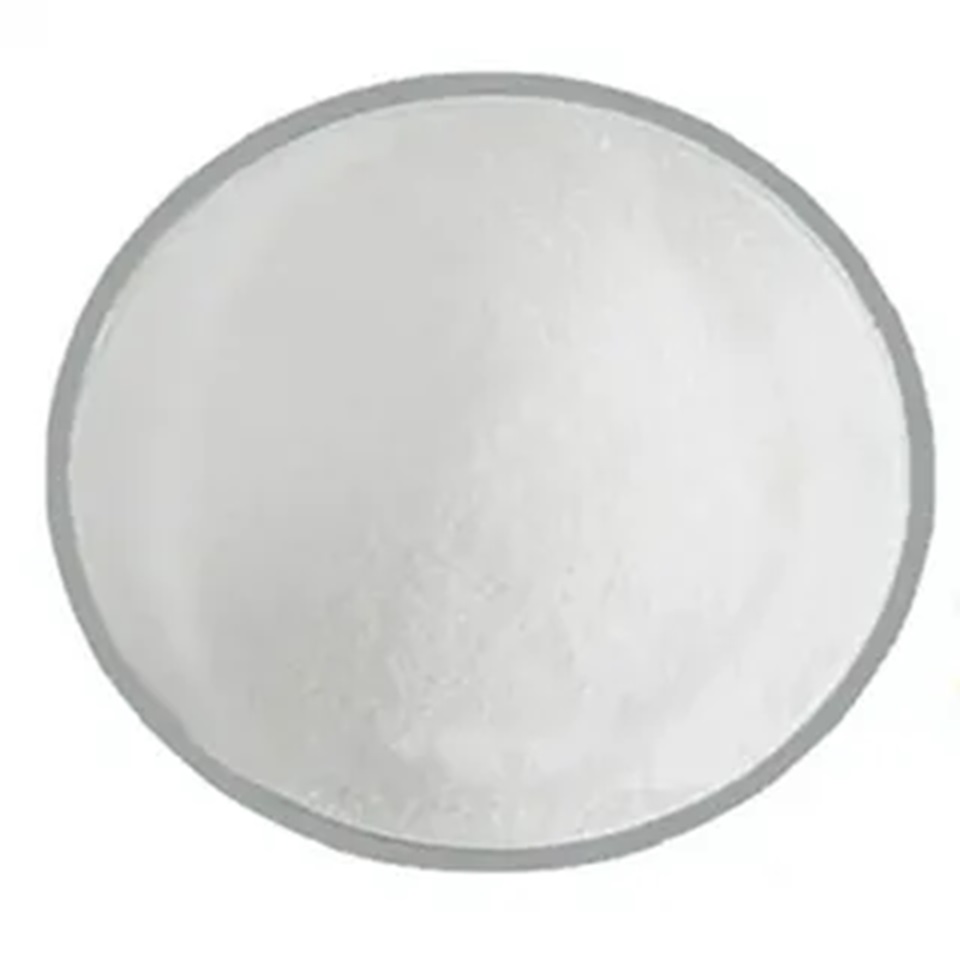
Appearance: White to slightly yellow crystalline powder.
-
Odor: Odorless.
-
Melting Point: 218 °C (decomposes).
-
Solubility:
-
In Water: Highly soluble. Approximately 62 g/100 mL of water at 25 °C.
-
In Alcohols: Slightly soluble in ethanol, methanol, and isopropyl alcohol.
-
4. Stability and Storage Conditions
-
Stability: Relatively stable in its dry, powdered form. However, it is susceptible to oxidation when in solution and exposed to air.
-
Storage Recommendations:
-
Store in a cool, dry place.
-
Protect from direct sunlight and light.
-
Keep containers tightly closed to prevent exposure to air (oxygen).
-
5. Applications / Uses
A. Pharmaceutical and Medical Sector:
-
Vitamin C Deficiency: Used as an active ingredient in medications for treating and preventing scurvy.
-
Parenteral Nutrition: Used as a vitamin C source in intravenous (IV) infusion drugs.
-
Oncology Support: Utilized in high-dose intravenous Vitamin C treatments under medical supervision.
-
Gastrointestinal Compatibility: Preferred over ascorbic acid in formulations (effervescent tablets, capsules) for patients with sensitive stomachs.
B. Food Industry:
-
Antioxidant: Used to prevent oxidation (browning or rancidity) in various food products.
-
Antimicrobial Agent: Helps inhibit microbial growth in food.
-
Meat Processing (Curing Agent): Used in the production of sausages, ham, and processed meats, often in combination with substances like Sodium Tripolyphosphate or Tetrasodium Pyrophosphate (TSPP), to maintain color and act as a preservative.